A Unique Look Into Indian History
Rashtrakutas Dynasty: Deccan Plateau - India
Discover life Travel
Empire of Endless Triumphs
Before the Rashtrakutas forged their empire, the Deccan plateau was the domain of the powerful Chalukyas of Vatapi (Badami). The Rashtrakutas, a family of Kannada-speaking chieftains, served as their loyal and high-ranking feudatories, governing territories from a place called Lattalura (modern Latur). They were seasoned administrators and skilled warriors, learning the arts of war and governance in the service of their imperial masters. The origins of the Rashtrakutas as feudatories of the Chalukyas placed them in a perfect position to observe the empire's strengths and, crucially, its weaknesses, awaiting the right moment to strike. Rashtrakutas Dynasty Deccan Plateau India
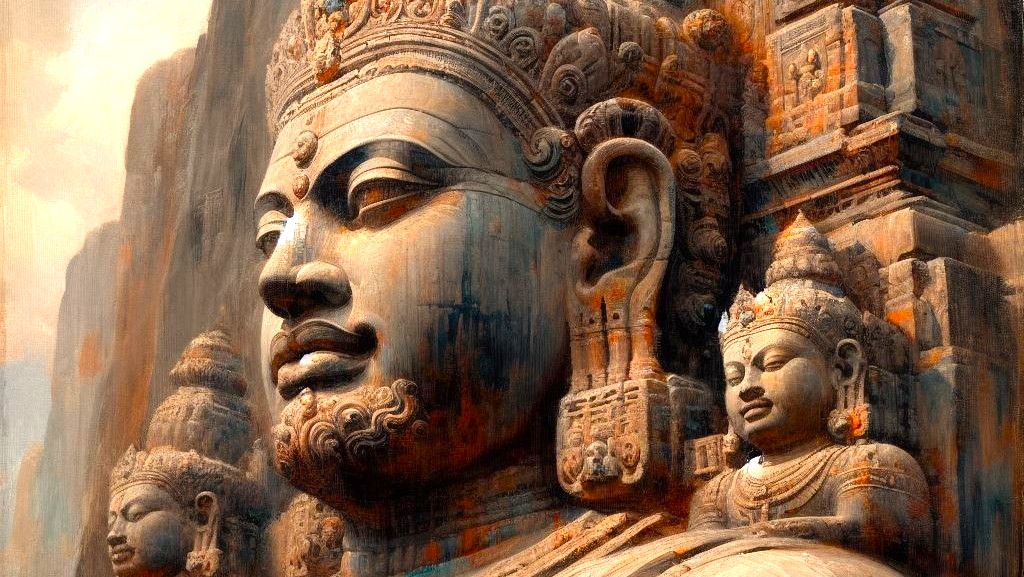
Rashtrakutas Dynasty - Deccan Plateau, India: The Overthrow of an Empire
The imperial destiny of the Rashtrakutas was realized by the ambitious chieftain, Dantidurga. Around 753 CE, sensing weakness in the Chalukyan rule, he launched a brilliant military campaign, decisively defeating the Chalukyan king Kirtivarman II. To legitimize his transition from a subordinate to a sovereign, Dantidurga performed the great "Hiranyagarbha" ritual, a ceremony through which he was symbolically "reborn" as a Kshatriya. The overthrow of the Chalukyas by Dantidurga was a stunning coup, establishing the Rashtrakutas as the new masters of the Deccan.
A Day at Manyakheta's Court
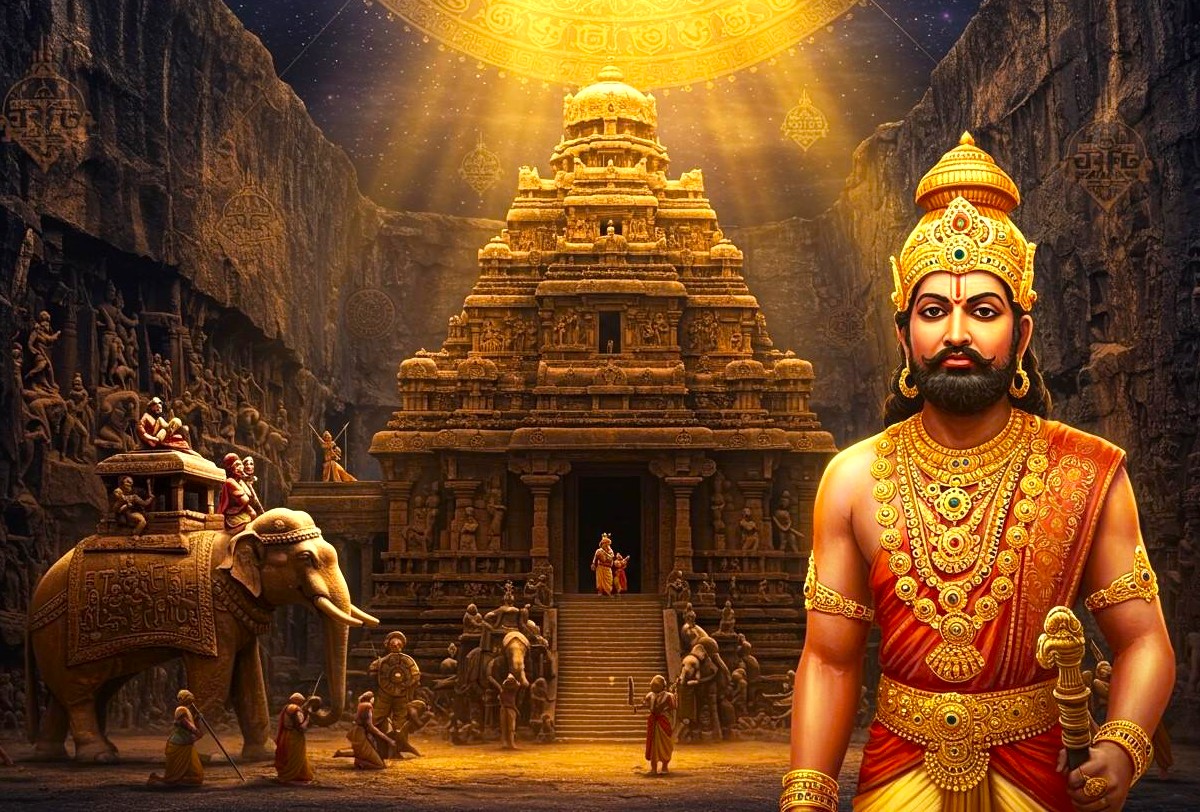
A day in the life of a great Rashtrakuta emperor, like Amoghavarsha I, at the magnificent capital city of Manyakheta (Malkhed) was one of imperial grandeur and intellectual pursuit. Mornings were for statecraft, receiving tribute from vassal kings from across India and meeting with ambassadors. The Rashtrakutas encouraged commerce, and the king would have overseen matters of trade. A significant part of the day was also dedicated to religious and philosophical patronage, with the court hosting and debating with the greatest Jain, Hindu, and Buddhist scholars of the age, reflecting the cosmopolitan and tolerant atmosphere of the Rashtrakuta capital. Rashtrakutas Dynasty Deccan Plateau India
Life in the Heart of the Deccan
For the common person, life was organized around the village, which functioned as a largely autonomous unit. Village councils, led by a headman, managed local affairs and administered justice. The empire was prosperous, supported by a flourishing agricultural economy and extensive trade, both inland and maritime. The decentralized village administration under the Rashtrakutas allowed for a stable and resilient society, capable of weathering the constant military campaigns of their ambitious emperors.
Feasting in the Deccan Heartland
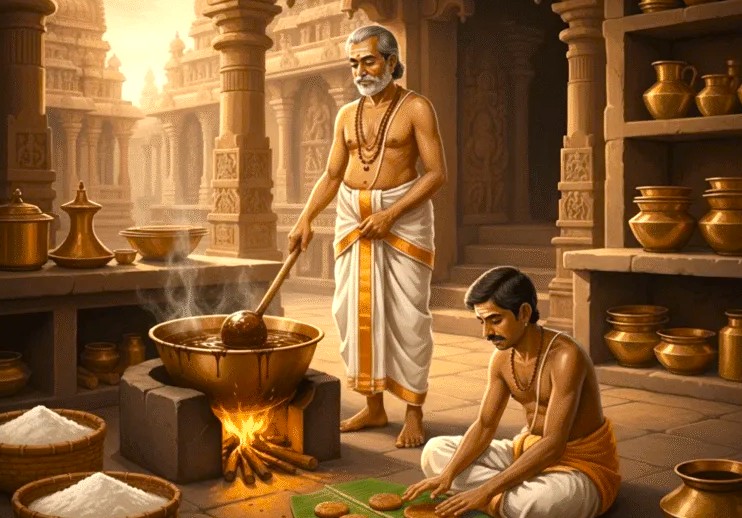
The royal cuisine would have been based on the diverse agricultural produce of the Deccan plateau. Jowar, cotton, and pulses were major crops, alongside rice. The diet would have been rich and varied. Given the strong patronage for Jainism, especially under Amoghavarsha, it is likely that sophisticated vegetarian cuisine was highly developed in the Rashtrakuta court, existing alongside the traditional meat dishes of a Kshatriya warrior aristocracy. Rashtrakutas Dynasty Deccan Plateau India
The Law of the Village and the King
The legal system was practical and decentralized. While the king and his officers served as the highest judicial authority, most disputes were settled at the local level by the village councils or trade guilds. The law was based on tradition, custom, and the prevailing Dharmashastras. Inscriptions show a system where justice was accessible and geared towards maintaining social harmony within the self-governing communities that formed the bedrock of the empire. The autonomy of village councils in judicial matters was a key feature of Rashtrakuta governance.
A Trinity of Royal Faiths
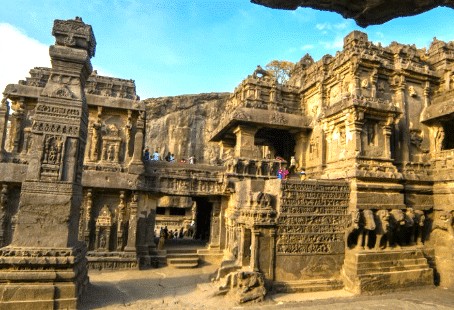
The Rashtrakuta emperors were remarkable for their broad-minded religious patronage. They did not adhere to a single state religion. While their dynastic emblem often related to Shiva, rulers lavishly supported all major faiths. Krishna I built the great Kailasa temple to Shiva. Amoghavarsha I was a devout Jain, and the dynasty also endowed Buddhist monasteries. This patronage of Jainism, Hinduism, and Buddhism by the Rashtrakuta kings fostered a climate of religious tolerance and intellectual cross-pollination.
The Day the Mountain Became a Temple
The ultimate "festival" of the Rashtrakutas was an act of creation that took decades: the carving of the Kailasa temple at Ellora. This was not a festival of procession but of dedication, marking the completion of different parts of this monolithic marvel. Commissioned by Krishna I, it is the world's largest single-rock excavation. The construction of the Kailasa temple at Ellora was a monumental act of faith, an engineering wonder, and a permanent celebration of the god Shiva, showcasing the dynasty's immense power, wealth, and piety. Rashtrakutas Dynasty Deccan Plateau India
A Court Where Kannada Literature Was Born
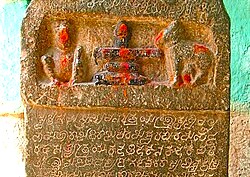
The court was the cradle of Kannada literature. The greatest emperor, Amoghavarsha I, was not just a patron but also a scholar himself, co-authoring the Kavirajamarga, the earliest extant classic on poetics in the Kannada language. His court nurtured great poets like Pampa, who wrote epic poems that are considered masterpieces of Kannada literature. The Rashtrakuta patronage of early Kannada poets was a foundational moment, elevating a regional language to a sophisticated literary medium.
The Three-Sided War for a City of Gold
The defining military ambition of the Rashtrakutas was the conquest of the prosperous northern city of Kannauj. This embroiled them in a century-long, three-way conflict known as the "Tripartite Struggle" against the Pala dynasty of Bengal and the Gurjara-Pratihara dynasty of western India. Rashtrakuta emperors like Dhruva and Govinda III launched spectacular campaigns, marching their Deccan armies thousands of miles north to capture Kannauj and defeat their rivals. The Tripartite Struggle for Kannauj was the central drama of 9th-century Indian politics, a testament to the Rashtrakutas' vast military reach.
Princesses as Provincial Governors
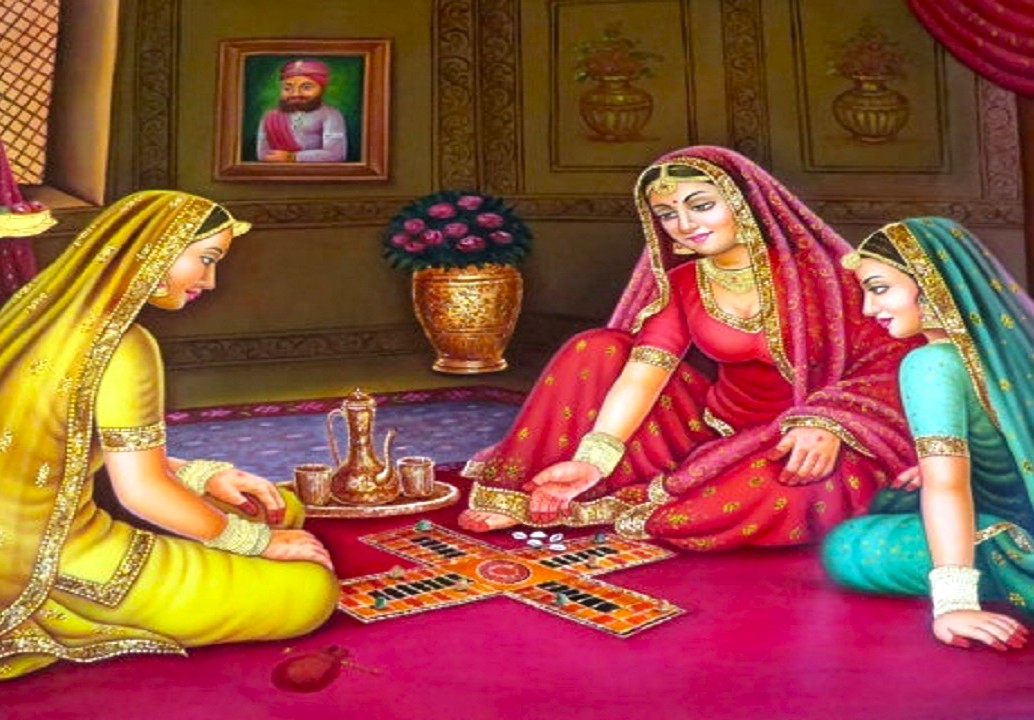
Women of the royal family enjoyed a status and level of influence unparalleled in medieval India. Inscriptions reveal that royal princesses were highly educated and served as provincial governors and administrators. Chandrobalabbe, a daughter of Amoghavarsha I, for example, administered a large territory for a period. The appointment of royal princesses as administrators in the Rashtrakuta empire demonstrates a remarkably progressive attitude towards the role of women in public life and governance. Rashtrakutas Dynasty Deccan Plateau India
A Chariot for Shiva Carved from the Earth
The crowning artistic and architectural achievement of the Rashtrakutas is the Kailasa temple at Ellora. This is not a building but a sculpture. An entire hillside was excavated from the top down, a single piece of rock carved into a colossal, multi-storied temple complex, complete with shrines, courtyards, and life-sized elephants, all hewn from the living mountain. The monolithic rock-cut architecture of the Kailasa temple is a feat of engineering and artistic vision that has no equal in the world, a sublime monument to Shiva.
The Jaina Caves of Ellora
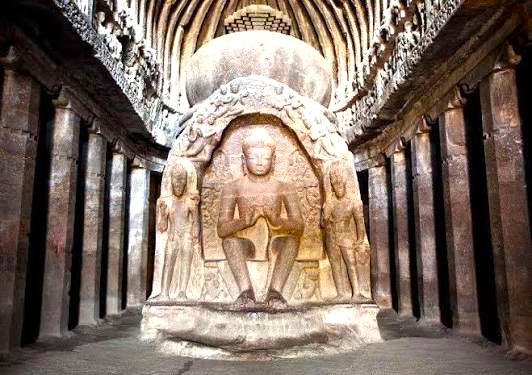
Beyond the singular marvel of Kailasa, the Rashtrakutas were also great patrons of Jaina rock-cut architecture. During the reign of Amoghavarsha I, a series of spectacular Jaina cave temples, known as the Indra Sabha, were carved at Ellora. These caves feature intricately carved pillars, delicate sculptures of Tirthankaras, and beautiful ceiling paintings. The patronage of Jaina cave temples at Ellora reveals the dynasty's commitment to Jainism and their mastery of the rock-cut architectural form beyond their famous Shaiva monument. Rashtrakutas Dynasty Deccan Plateau India
The Final Passage of a Jaina King
The funeral rites of the Rashtrakuta kings varied with their faith. For the Shaiva kings, it would have been cremation with Vedic honors. But for devout Jaina rulers like Amoghavarsha I, the end was different. Like many devout Jainas of his time, he is said to have abdicated his throne and performed Sallekhana, the ritual fast unto death, to achieve a peaceful and conscious departure from the world. The practice of Sallekhana by Jaina Rashtrakuta rulers represents the profound depth of their personal faith.
The Physicians of Manyakheta
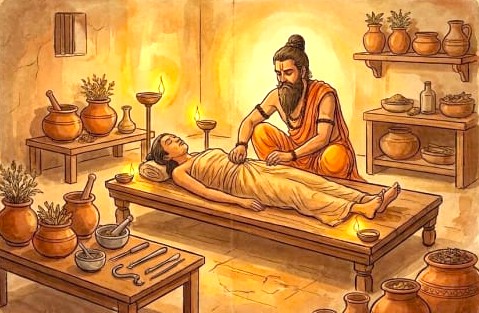
The cosmopolitan capital of Manyakheta would have been a center for medical knowledge. The traditional Indian system of Ayurveda would have been the primary form of healthcare. The presence of a large number of Jaina monks, who emphasized compassion and service, likely contributed to the establishment of centers for healing. The practice of Ayurveda in the Rashtrakuta kingdom would have been a respected and essential science, responsible for the health of the emperor and his subjects.
The Veins and Arteries of an Empire
The empire was sustained by a prosperous agricultural economy and lucrative trade. They controlled key ports on the western coast, facilitating a rich maritime trade with the Arab world in the west and with Southeast Asia. Internally, they maintained the road networks inherited from their predecessors. The Rashtrakuta empire's control over Deccan trade routes provided them with the immense wealth needed to fund their constant military campaigns and their spectacular architectural projects.
A Betrayal from Within
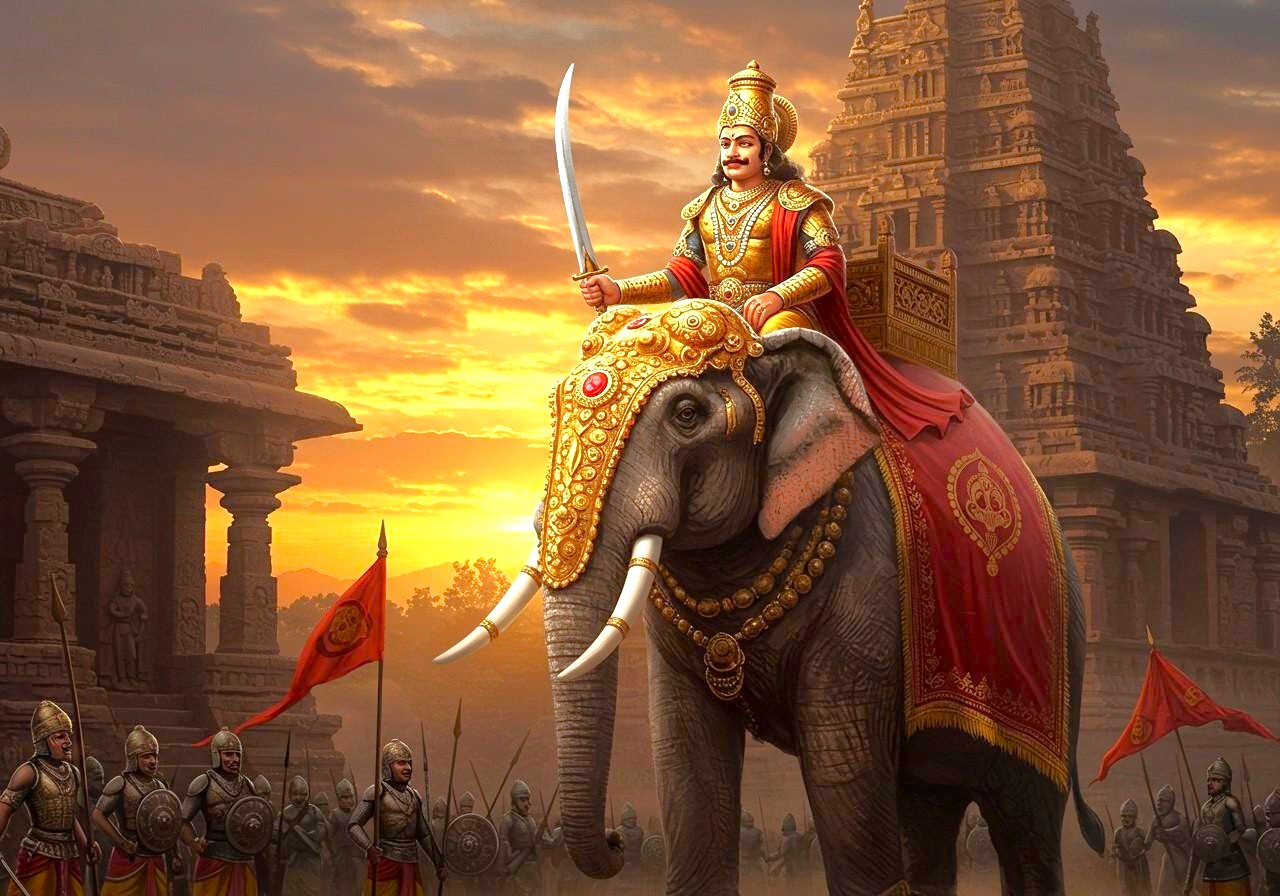
After two centuries of glorious rule, the empire, weakened by its endless wars and internal succession disputes, began to crumble. The final blow came not from an external rival, but from a familiar source: a powerful feudatory. In 973 CE, Tailapa II, a Chalukya chieftain who served the Rashtrakutas, rebelled against the weak king Karka II. He defeated the imperial army and re-established Chalukyan power, founding the Western Chalukya Dynasty. The overthrow of the Rashtrakutas by their Chalukya feudatories was a perfect, ironic bookend to their history, a dynasty born from a coup, ultimately destroyed by one.
Step Inside The Story - View All Tour Itineraries & Details
We’re here to offer genuine, thoughtful guidance if your interested in travelling to India. As a small, dedicated team, we pay close attention to every detail so you can focus on enjoying the experience while we take care of the planning. We believe the best trips begin when someone truly listens to what you want and how you like to travel, so the journey feels right for you and contributes to a happy, positive group on tour. Our communication stays clear, straightforward, and respectful at every step, with the goal of helping you feel understood, supported, and confident from first contact to the end of your journey.
Click Catherine Frith - About The Founder
Click Discover Life Travel - All Tours and More
Click Why We Are Different - Unique, Safe, Transparent