Unique Insights Into India
The Honey Collectors Of Tamil Nadu
Discover Life Travel
Direct, Simple Input: History and Hardship
Welcome, Im Catherine, the founder of Discover Life Travel. Im always on the lookout for the next project we can support as a company. Discover Life Travel began in 2013 as a small travel operation, first inspired by a simple idea: build a business that could generate the finances to support the most needy in India. Over time, it has grown into a much larger operation, with the purpose staying the same.
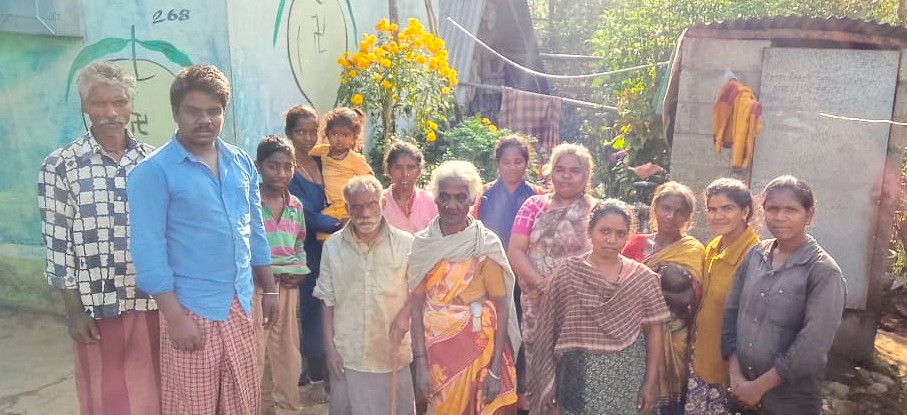
Meet Kannan - (blue shirt) from the Kadukuthadi Tribe, Kodaikanal
I had heard about the Honey Collectors and went to meet them to see them for myself. I have learnt that the most effective help starts by speaking directly with villages: it cuts out the middle man, removes delays and hurdles, and ensures we respond to what people need, not what outsiders assume. Kannan is the village representative for us, he is happy for the help and is a great guy. These indigenous families across fourteen villages in Tamil Nadu's Western Ghats endure chronic food insecurity with 73% of children showing severe malnutrition.
Honey Collectors Under Pressure
What I found was confronting. These Paliyan families collect wild honey and the women sort cacao beans, yet their earnings are painfully low. During harvest months, honey collection may bring only forty-eight rupees (0.90 AUD) a day, while cacao sorting pays around forty-two rupees (0.78 AUD) for a six-hour shift. When money runs out, meals can reduce to rice water, and even when there are vegetables, portions are small and inconsistent. Mothers often have to walk to distant work sites and leave children with elderly grandparents.
Their living conditions reflect the same struggle. Many families are sheltering in huts that have been repaired over and over again - patched walls, uneven dirt floors, and thatched roofs that leak rainwater during the wet months. A few homes are fully constructed out of cement, yet even these can be bare and cramped, without proper sanitation or privacy. Most striking is how small the rooms are: very tight spaces accommodating anywhere from 2 to 9 people, sleeping side by side, with little separation from cooking smoke, damp bedding, and the cold that settles in at night.
New Realities, Old Roots: Securing the Foundations of Forest Life
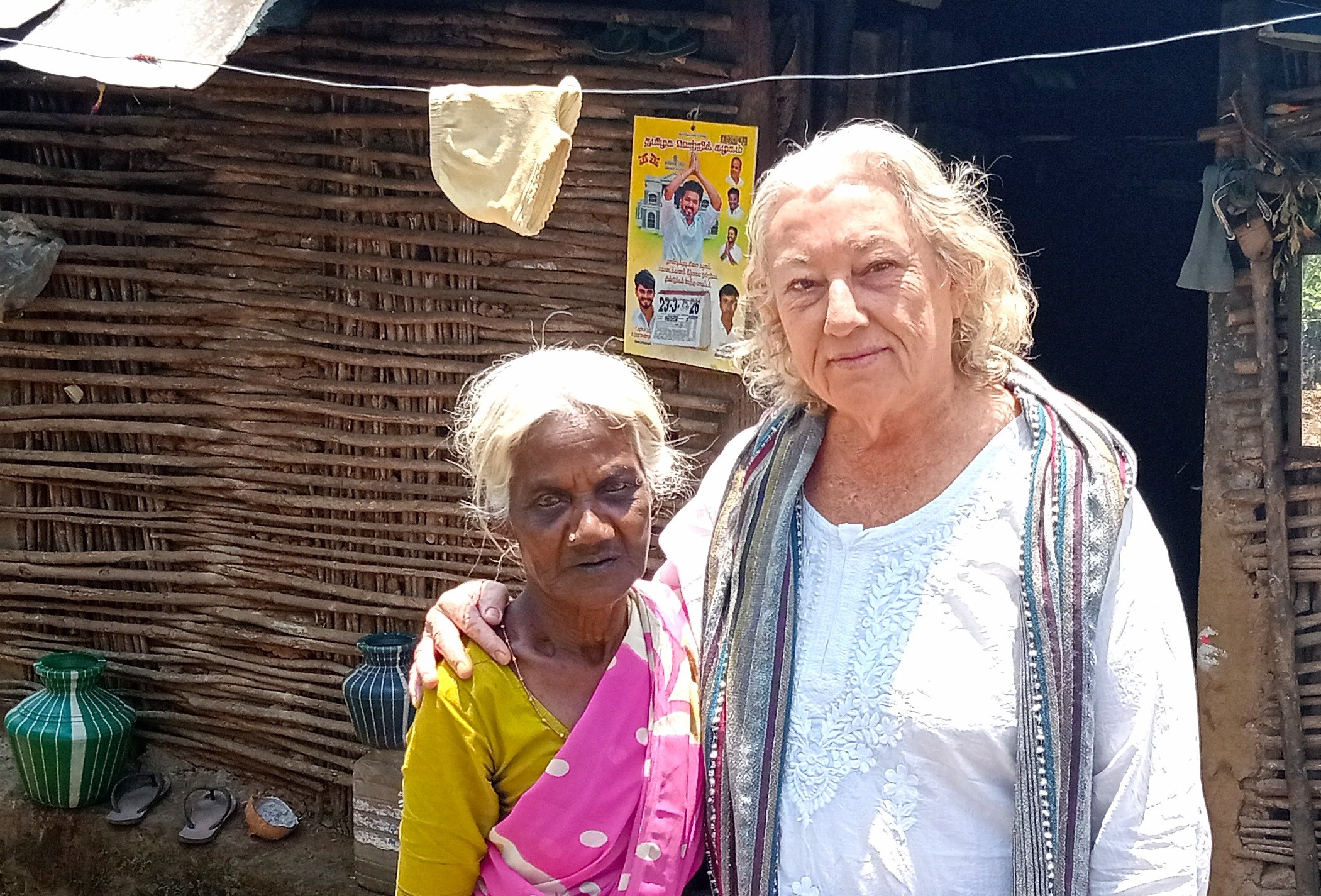
The migration of youth to cities for stable wages provides a vital lifeline, yet it leaves elders balancing the need for family stability against the challenge of managing harvests and self-care alone. This shift alters the traditional family structure, making it harder to maintain the labor-intensive rhythm of the forest. Discover Life Travel addresses this by supporting villages with practical basics chosen by the community itself. We prioritize dignity and security through private toilets, critical repairs to homes.- providing for the community.
Shola Forest Risks, Daily
Honey gathering in the Palani Hills is a multi-day journey deep into Shola forest, characterized by total isolation, reliance on traditional skills for protection, and complete independence from outside assistance. Wildlife encounters are part of the route. Indian gaur are a constant threat in thick undergrowth, where visibility is short and a surprised animal can charge without warning. Elephants move through active corridors that collectors must cross on foot, sometimes in narrow valleys where escape routes are limited. Sloth bears, drawn by the scent of honey, can appear at the same trees and hives the collectors are tracking, turning a harvest into a stand-off.
Risk For Survival
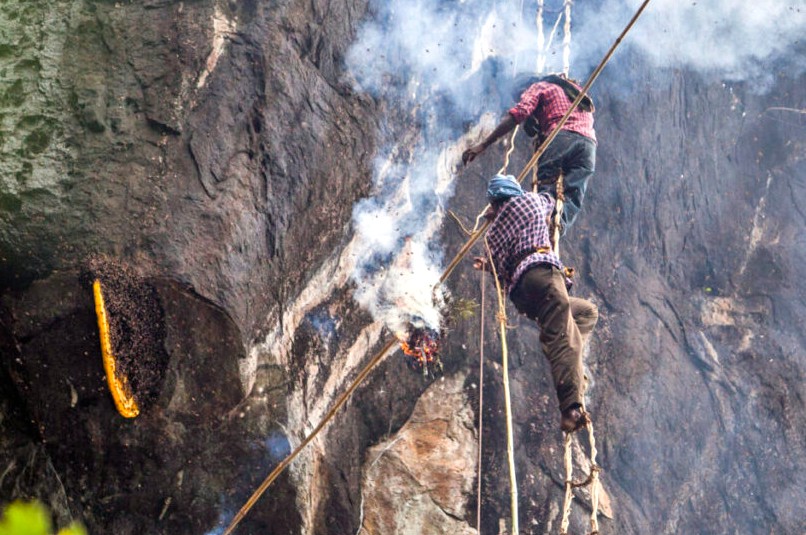
The work is inherently dangerous, as honey is harvested from slick trees using hand-cut notches or vine ropes without harnesses. A single slip on mossy, monsoon-damp bark can result in a fall of fifty to one hundred feet. While smoke quiets the hive, a sudden swarm can cause a collector to lose their grip and fall. The forest itself adds hazards: altitude-driven cold, leeches, and streams that turn violent in minutes. If a collector is bitten by a snake or breaks a limb, survival depends on companions carrying them out on foot.
Wildlife conflict remains a constant threat. Reports from 2025 and early 2026 highlight Indian gaur goring people near the Kodaikanal hills and settlement edges. Elephant charges are frequently noted along the Palani–Kodaikanal belt, including a widely reported November 2025 incident where a wild elephant charged travelers—an encounter far more perilous for collectors on foot. Broadly, Tamil Nadu forest department data for 2016–2025 cites over 690 human deaths statewide from animal attacks, with the Dindigul and Theni districts frequently referenced. For the honey gatherers, these statistics represent the daily reality of navigating a landscape where the stakes are life and death. With many instances never recorded.
Ancient Mountain Trade Sustains Generations
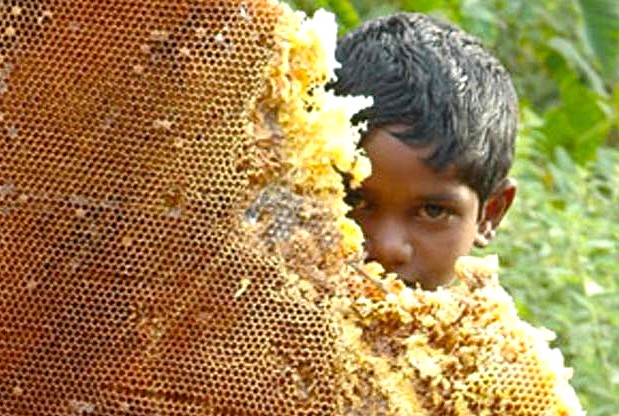
The honey collectors of the Paliyan tribes and their cacao-sorting wives have inhabited the forests surrounding Kodaikanal in Tamil Nadu’s Western Ghats for over three thousand years. These indigenous communities, known as Palaiyakkarars in ancient Tamil texts dating to 800 BCE, developed intricate knowledge of wild honey harvesting from rock bees and cliff dwellers. The name Kodaikanal derives from "Kodu-kai-kanal," meaning gift of the forest, referencing the honey tribute these tribes provided to ruling dynasties.
Healing Plants Protect the Harvesters
Bee stings are treated with Adhatoda vasica leaf paste mixed with turmeric, applied after removing the sting. Vaidyar healers also prepare preventive tonics of neem oil, eucalyptus extract, and wild ginger, taken for fourteen days before the harvest. Women processing cacao drink Sida cordifolia root decoctions to ease breathing problems linked to fermentation vapours. Falls and fractures are handled with bone-setting methods kept by healing families such as the Arumugathas, who recorded 340 harvest injuries treated from 1950 to 2020. Healers grow Centella asiatica for wounds and Bacopa monnieri for stamina, preparing stores in Margazhi.
Forest Spirits Guide the Climb

Paliyan honey collectors worship Ayyanar, the forest guardian, performing rituals before ascending sixty-meter cliffs. Harvesting peaks during Chithirai (April–May) and Aippasi (October–November), when Apis dorsata bees nest beneath granite overhangs. To sedate colonies, harvesters burn dried Lantana camara and neem leaves. Carrying woven bamboo baskets that hold up to twenty kilograms, they climb barefoot using hemp ropes anchored to ancestral iron stakes. The Muthuvan lineage, with oral histories dating to 600 BCE, maintains hereditary rights to cliffs near Perumal Peak.
Marriage Bonds Strengthen Harvest Teams
Paliyan marriages often link honey-collecting lineages with farming families, shaping work roles recorded since 1200 CE. Brides from the Sadayan clan, known for cacao processing, commonly marry into Muthuvan honey-collecting families through arrangements made during Aadi (July–August). Ceremonies at forest shrines include exchanges: grooms present wild honey combs and brides offer fermented cacao beans wrapped in silk. Village records from 1923 note marriage settlements that assign access to specific cliff faces and cacao groves. Women keep independent cacao income, with seventy-three percent using separate accounts via cooperatives formed in 1967. Divorce is rare.
Women Alchemists Transform Bitter Seeds
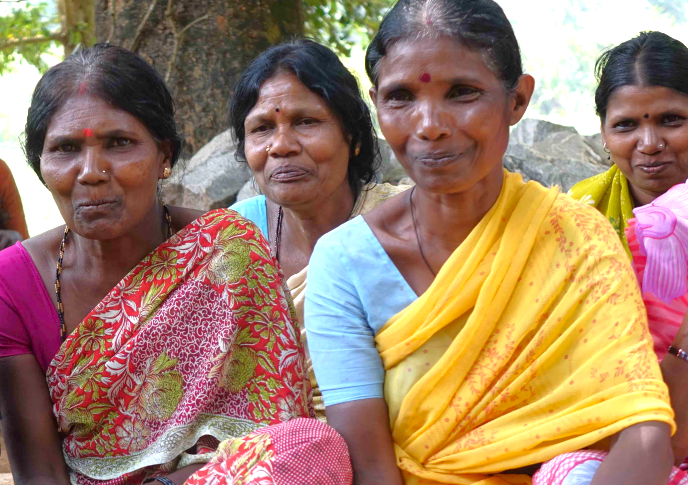
Cacao processing stations operate in seven designated forest clearings where Paliyan women ferment harvested pods within forty-eight hours of collection. The Kannagi method, named after a legendary sorter from 1889, requires splitting pods with curved knives, extracting beans with pulp intact, then fermenting in banana leaf-lined pits for six days. Women rotate beans every twelve hours, maintaining temperatures between thirty-two and forty-five degrees Celsius. Senior sorters from the Vellalar bloodline train daughters and daughters-in-law in detecting fermentation completion through scent analysis and color assessment.
Each woman processes eighteen to twenty-three kilograms daily during harvest season spanning December through March. Approximately 840 kilograms of wet cacao passes through their hands weekly across all processing stations combined.
Festival Cycles Mark Harvest Rhythms
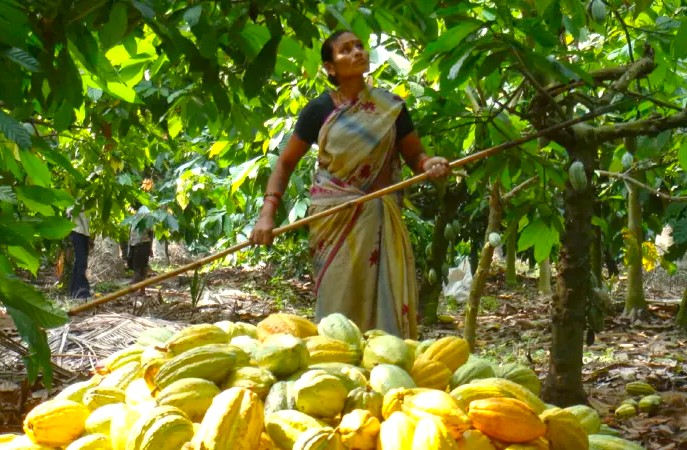
Madhu Pongal, the honey harvest festival, is held on the Chithirai full moon, when families offer the season’s first honey at Ayyanar shrines before any sale. Households cook rice sweetened with fresh honey, with about 340 kilograms shared across the community. In January, Kakao Thiruvizha marks cacao season, when women present their best fermented, sorted beans during temple rites. Both festivals include drumming, dances, wrestling, and shared meals such as honey-glazed dumplings and cacao pod curry.
Battle Scars Mark Territory Claims
In 1892, colonial forest restrictions triggered the Palani Forest Resistance when 240 Paliyan men blocked British surveyors marking reserved boundaries. Police fired at Pannaikadu on August 14, 1892, killing seven collectors and wounding nineteen, recorded in Madurai District files. The community continued harvesting despite arrests, leading to 1897 compromise zones for collection. After independence, tea estate expansion renewed conflict. In 1964, when cacao groves faced clearing, women sorters held a forty-three-day sit-in until rights were acknowledged. Court decisions in 1972 and 1988 confirmed access to 1,840 hectares.
Daily Rhythms Follow Forest Clocks
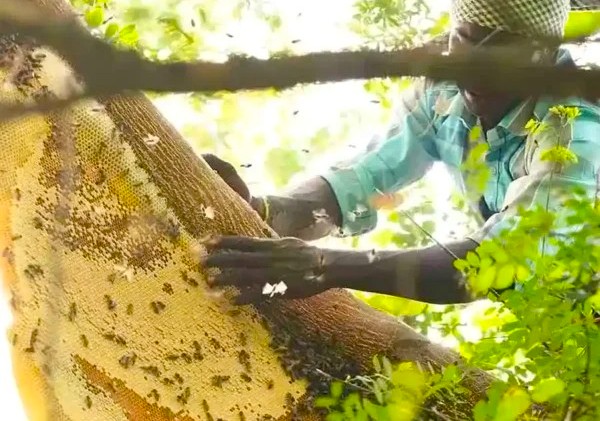
Honey collecting families rise at 4:30 AM, taking rice gruel with jaggery before men leave by 5:45 AM for cliff and tree sites. After sunrise prayers, climbs begin and harvesting continues until about 11:00 AM, when heat increases bee aggression. Women start cacao sorting around 6:00 AM in shaded stations, working until 12:30 PM, then break for a midday meal. From 2:00 to 5:00 PM they monitor fermentation, turn beans, and manage drying. Evenings bring rice with sambar, honey-sweetened curd, and seasonal vegetables. After dinner, elders teach through stories. Most sleep by 9:00 PM.
Monsoon Preparations Secure Annual Yields
From February to April, families prepare for harvest by repairing tools, weaving baskets, and maintaining climbing ropes. Men replace ropes yearly and test them by suspending stones weighing about twice their body weight. Women ready cacao fermentation pits, lining them with fresh banana leaves from designated groves replanted every three years. Storage containers are treated with neem smoke to deter insects from dried beans. Households buy rice and lentils with advance payments. When the June monsoon arrives, honey work slows, cacao pods swell, and women shift to cotton spinning and basket making for extra income.
Heritage Faces Modern Pressures
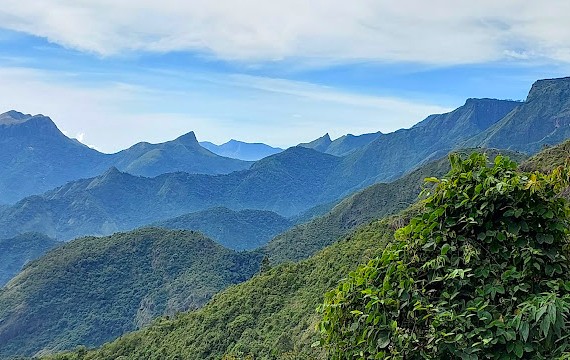
Honey yields have fallen as bee populations decline, linked to pesticide drift from surrounding farms and disrupted weather patterns. Flowering seasons now shift by several weeks, throwing off timing that families once relied on. Many younger adults leave the hills for wage work in towns and cities, creating labour gaps at home and fewer apprentices for dangerous harvest work. Cacao income is also unstable, with sharp price drops pushing some women to look for other jobs.
How Our Tours Give Back

We here at Discover Life Travel set aside a generous portion of our tour sales to support the villages we work with, while also keeping the business sustainable so the support can continue long term. It is often complex. Some villages take hours to reach on foot across harsh terrain, on narrow tracks through steep hills and forest edges, so getting materials in and projects finished can require planning, patience, and repeated visits. We work one village at a time to keep the process clear, direct, and guided by what the community says they need. This is an information brief for those curious about how our tours contribute to Indian communities and why we prioritize practical, village-led support.
We visit Kannan and his tribe - The Kadukuthadi near Kodaikanal district on the "Spirit of South India Tour".
Click Download Brochure to know more: