A Unique Look Into Indian History
Sinsinwar Dynasty: Bharatpur - Rajasthan
Discover life Travel
Ancient Clans Around Bharatpur Wetlands
Long before the Sinsinwar Dynasty emerged, the low-lying plains and wetlands around present-day Bharatpur and Deeg were home to Jat, Meena and other agrarian–pastoral clans. The region, near the old routes between Agra, Delhi and the Rajputana states, supported early Bharatpur-area Jat settlements and wetland agriculture in eastern Rajasthan. Villages clustered around wells, tanks and marshy patches that sustained cattle and crops. Local chieftains levied tolls on passing caravans and guarded watering points, forming a pre-dynastic Jat clan landscape in the Braj–Mewat border zone that would later be unified under Sinsinwar leadership. Sinsinwar Dynasty Bharatpur Rajasthan
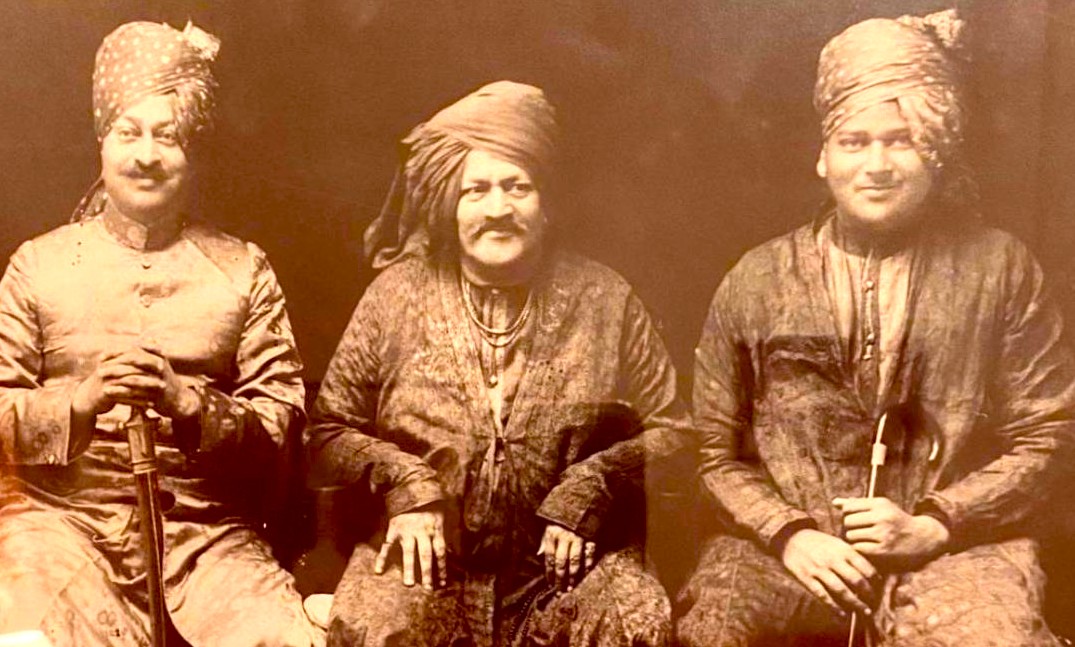
Sinsinwar Dynasty - Bharatpur Rajasthan: Rise Of Badan Singh
The origin story begins with the consolidation of Jat power in the late 17th and early 18th centuries. From roots in the village of Sinsini (near Bharatpur), chieftains like Gokula and later Badan Singh built alliances with other Jat clans. In 1722, Badan Singh was recognized as ruler, and he established Deeg as his capital, marking the formation of the Sinsinwar Jat kingdom of Bharatpur in eastern Rajasthan. Under his successor Suraj Mal, the state expanded into a formidable power, controlling key routes between Agra, Delhi and Jaipur and challenging both Mughals and neighboring Rajputs.
Daily Life In Sinsinwar Bharatpur Court
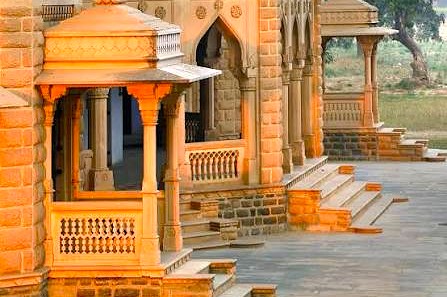
Life at Deeg and Bharatpur reflected a blend of Jat martial culture and late Mughal–Rajput courtly forms. At dawn, the maharaja bathed, performed Hindu rituals - often Vaishnavite or Braj-centric - and received priests and astrologers, following Hindu royal ritual and Braj devotion patterns in 18th-century Bharatpur. Queens and royal women managed the zenana, storerooms, festivals and temple patronage, expressing Jat royal women’s roles in household economy and religious endowment. Princes drilled in riding, musketry, swordplay and revenue matters. Audiences, inspections, hunting, and evening gatherings with music and conversation filled the day in a court that maintained simplicity in ethos but adopted many Indo-Persian administrative and cultural practices. Sinsinwar Dynasty Bharatpur Rajasthan
Village Society In Braj–Bharatpur Region
Outside the forts, most subjects lived as cultivators, herders and petty traders. Jat peasants farmed wheat, bajra (millet), sugarcane and pulses on alluvial soils, using wells, tanks and seasonal ponds, typifying 18th-century eastern Rajasthan agrarian life under Jat rulers. Women fetched water, tended cattle, worked in fields, spun cotton and managed household stores. Artisans - smiths, weavers, potters, carpenters - supplied local needs and regional markets. Village panchayats mediated disputes and shared water, demonstrating persistent village self-governance and customary law in Bharatpur’s rural communities, even as Sinsinwar authority pressed for taxes and military recruits.
Royal Kitchens, Cattle Wealth And Feasts
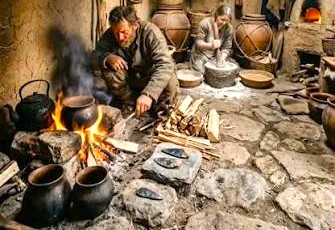
Within the palaces of Deeg and Bharatpur, kitchens showcased Jat royal cuisine and feast traditions in the Sinsinwar court. Large hearths produced wheat flatbreads, rice, lentils, vegetables and meat dishes, drawing on both rustic Jat tastes and Mughal–Rajput influences, forming hybrid north Indian court food culture in 18th-century Bharatpur. Cattle wealth ensured ample ghee, milk and curds; hunting parties brought game. On festivals or victory celebrations, cauldrons of food reached temples and public squares as Bharatpur royal charity feasts and anna-dana practices, reinforcing the image of the Sinsinwars as generous, accessible rulers with peasant roots. Sinsinwar Dynasty Bharatpur Rajasthan
Laws, Revenue And Punishments Under Sinsinwars
Administration combined older Mughal frameworks with Jat clan norms, creating hybrid legal and revenue systems in an 18th-century Jat kingdom. Land revenue was assessed in cash and kind; local headmen (chaudharies, patels) negotiated dues. Disputes over land and water went first to village elders, then to state officials. Banditry and tax evasion were punished with fines, confiscation or public corporal penalties, reflecting early modern north Indian practices of deterrent, visible punishment. At the same time, clan loyalties and the maharaja’s personal interventions could moderate outcomes, showing negotiation between formal justice and community-based mediation.
Temples, Braj Devotion And Religious Patronage
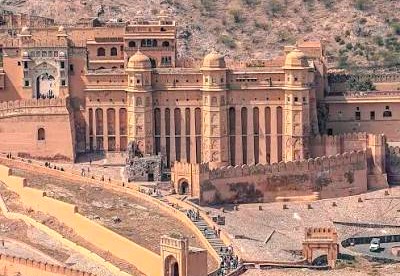
Religious life revolved around Braj Krishna bhakti, local deities and broader Hindu practices, typifying Vaishnavite and folk religious traditions in 18th-century Bharatpur State. Rulers endowed temples and ghats in Govardhan, Vrindavan and Bharatpur, highlighting Jat patronage of Braj Krishna temples and pilgrimage sites. Village shrines to gram-devtas and local goddesses continued to receive offerings. Sinsinwar kings also interacted with sadhus, Goswamis and Gaudiya Vaishnava lineages, weaving devotional networks that linked Bharatpur power to the sacred Braj landscape. Patronage of temples and festivals reinforced their identity as Hindu protectors in a contested political milieu.
Festivals, Processions And Braj Melas
Festivals combined Braj religious calendars, Jat community fairs and royal pageantry. Janmashtami, Holi and Govardhan Puja were especially important, with processions of Krishna images, music, color and offerings at hills, tanks and temples. Deeg and Bharatpur hosted melas where villagers, merchants and pilgrims gathered, embodying 18th-century Braj–Bharatpur religious fairs mixing devotion, trade and entertainment. The maharaja’s presence at major festivals, distribution of sweets and gifts, and sponsorship of kirtans and ras-lilas turned these occasions into political theatre affirming Sinsinwar piety and alignment with Krishna’s Braj.
Durbar, Musicians And Court Culture
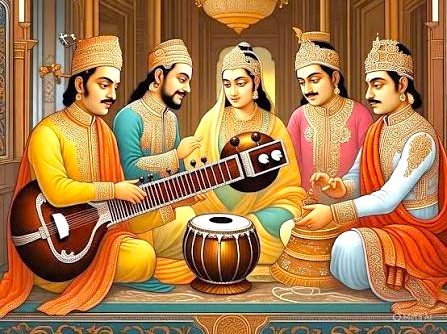
The Sinsinwar court at Deeg/Bharatpur fostered regional court culture and arts in an 18th–19th century Jat kingdom. Morning durbars saw petitions, land grants, diplomatic missions and military planning. Later gatherings included musicians, kirtan singers, storytellers and sometimes Persianate poets, reflecting fusion of Braj, Rajasthani and Indo-Persian artistic traditions. The garden palaces of Deeg, with fountains and painted pavilions, hosted receptions that impressed allies and visitors. Patronage of painters, architects and temple artists embedded Bharatpur’s Jat aesthetic into the broader tapestry of late Mughal and Rajput art. Sinsinwar Dynasty Bharatpur Rajasthan
Battles, Sieges And Sinsinwar Military Power
The Sinsinwars became famous for Bharatpur’s military resistance to Mughals, Marathas and the British in 18th–19th century north India. Under Suraj Mal, they captured Agra (including its fort) and exploited Mughal weakness, illustrating Jat opportunistic warfare during late Mughal fragmentation. The massive mud–and–brick fort of Bharatpur, with deep moats and strong bastions, withstood several sieges, including a notable resistance to the British in 1805 before falling in 1826, showcasing Bharatpur fort siege warfare and Jat defense tactics against European-led armies. Cavalry raids, use of terrain and flexible alliances defined Sinsinwar military strategy.
Marriages, Clan Networks And Women’s Patronage
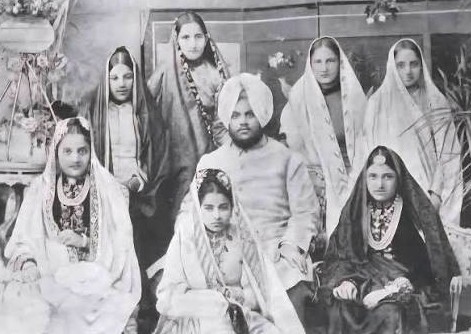
Marriage policies integrated the Sinsinwars into wider Rajput and Jat politics, reflecting marriage alliances and kinship networks of Bharatpur’s Jat royalty. Ties with other Jat houses, some Rajput groups and neighboring powers strengthened their diplomatic position. Royal women participated in religious patronage - funding temples, ghats and charities - demonstrating Jat maharanis’ roles in land endowment and public works. Within the palace, senior women influenced succession disputes and internal factional balance, even if archives preserve their names less often than the kings’, a pattern common to elite women’s hidden political agency in early modern north India.
Artisans, Garden Palaces And Built Heritage
Patronage left a clear imprint on the built environment as Deeg palace gardens and Bharatpur forts exemplify Jat royal architecture. Deeg’s pavilions and char-bagh gardens, water channels and fountains reveal late Mughal–Rajput garden design adapted by Jat rulers. Bharatpur’s fort, city walls, gates and tanks show investment in defense and civic infrastructure. Local and migrant artisans - stone carvers, painters, gardeners, metalworkers - contributed to Bharatpur’s material culture and architectural heritage, weaving the Sinsinwar aesthetic into palaces, temples and urban layouts that still shape perceptions of the dynasty today. Sinsinwar Dynasty Bharatpur Rajasthan
Funerals, Cenotaphs And Memory Of Rulers
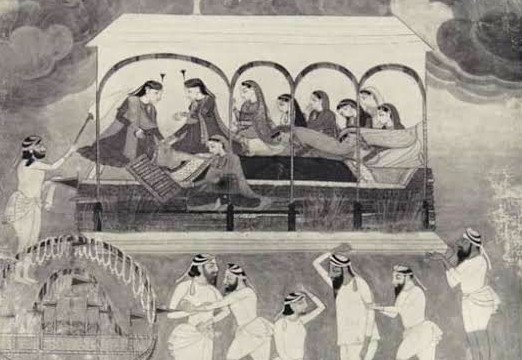
Funerary customs combined north Indian Hindu cremation rites and royal cenotaph traditions in Jat Bharatpur. Rulers and elites were cremated on river or tank ghats, with ashes immersed according to ritual. Chhatris (cenotaphs) and memorial temples commemorated prominent kings like Suraj Mal, forming Bharatpur royal memorial architecture as sites of dynastic memory. Annual rituals, offerings and bardic songs at these sites kept the memory of past maharajas alive, integrating Jat heroic tradition and ancestor veneration into the religious and political landscape.
Hakims, Vaidyas And Folk Healers
Health practices in the Sinsinwar realm drew on Unani hakims, Ayurvedic vaidyas and folk healing traditions in 18th–19th century eastern Rajasthan. Court physicians treated rulers and nobles using Greco-Arabic and Ayurvedic methods; village healers applied herbal remedies, charms and rituals. Sufi shrines and Hindu temples served as places for vows and healing prayers, reflecting syncretic medical and spiritual approaches to illness in Bharatpur society. Epidemics, famine and warfare periodically strained resources, revealing both the limits of state capacity and community resilience. Sinsinwar Dynasty Bharatpur Rajasthan
Tanks, Wetlands And Bharatpur’s Water Management
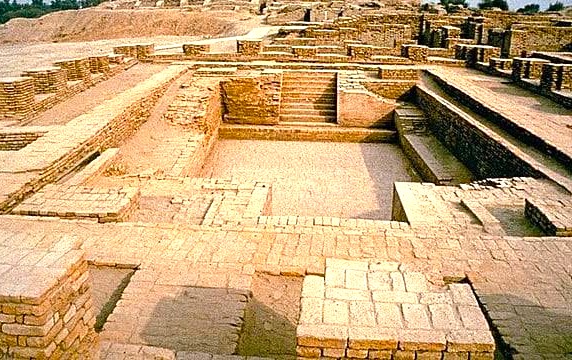
Water control was crucial to Bharatpur wetland irrigation systems and defensive moats. The construction and extension of the Bharatpur fort moat, numerous tanks and embankments managed monsoon water for both agriculture and defense. Seasonal marshes that now include the Keoladeo Ghana (later developed into a famous bird sanctuary) began as hunting preserve and water-managed wetlands associated with Bharatpur rulers. Village tanks and wells were maintained through community labor, with state oversight, forming traditional north Indian tank-based irrigation and flood-control in a semi-arid, river-adjacent region.
Succession Crises, British Interventions And Legacy
In the 19th century, internal disputes and British expansion reshaped Sinsinwar fortunes, fitting patterns of princely state subordination in colonial north India. After the siege and capture of Bharatpur in 1826, British treaties curtailed military independence but recognized Sinsinwar princely status. Later maharajas navigated colonial politics and internal challenges, while modernization slowly altered court life. With independence, Bharatpur merged into Rajasthan. Yet the legacy of the Sinsinwar Dynasty in Jat identity, Bharatpur’s forts and palaces, and Braj religious culture endures. Their story symbolizes a rare case of a Jat clan rising from village chiefs to powerful kings in the late Mughal era, leaving a lasting regional imprint.
Step Inside The Story - View All Tour Itineraries & Details

We’re here to offer genuine, thoughtful guidance if your interested in travelling to India. As a small, dedicated team, we pay close attention to every detail so you can focus on enjoying the experience while we take care of the planning. We believe the best trips begin when someone truly listens to what you want and how you like to travel, so the journey feels right for you and contributes to a happy, positive group on tour. Our communication stays clear, straightforward, and respectful at every step, with the goal of helping you feel understood, supported, and confident from first contact to the end of your journey.
Click Catherine Frith - About The Founder
Click Discover Life Travel - All Tours and More
Click Why We Are Different - Unique, Safe, Transparent