Unique Insights Into The Yugas Of India
Satya Yuga
Discover Life Travel
Age of Truth
In Hindu sacred chronology, Satya Yuga, also called Krita Yuga, is the first of four ages, placed before Treta, Dvapara, and Kali. “Yuga” means an era, and “Satya” means truth. This is not a single mapped site; it is a time-model preserved in Sanskrit literature such as the Mahabharata, Manusmriti, and Puranas including the Vishnu Purana and Bhagavata Purana. Later teaching describes dharma as fully present in this age, often pictured as steady and complete. Traditional duration schemes commonly give Satya Yuga 1,728,000 years, with transition periods described in some accounts. India remains the main cultural setting where this idea is taught today, and the 2011 Census counted 1,210,854,977 people who encounter it through recitation, ritual, and study. Satya Yuga
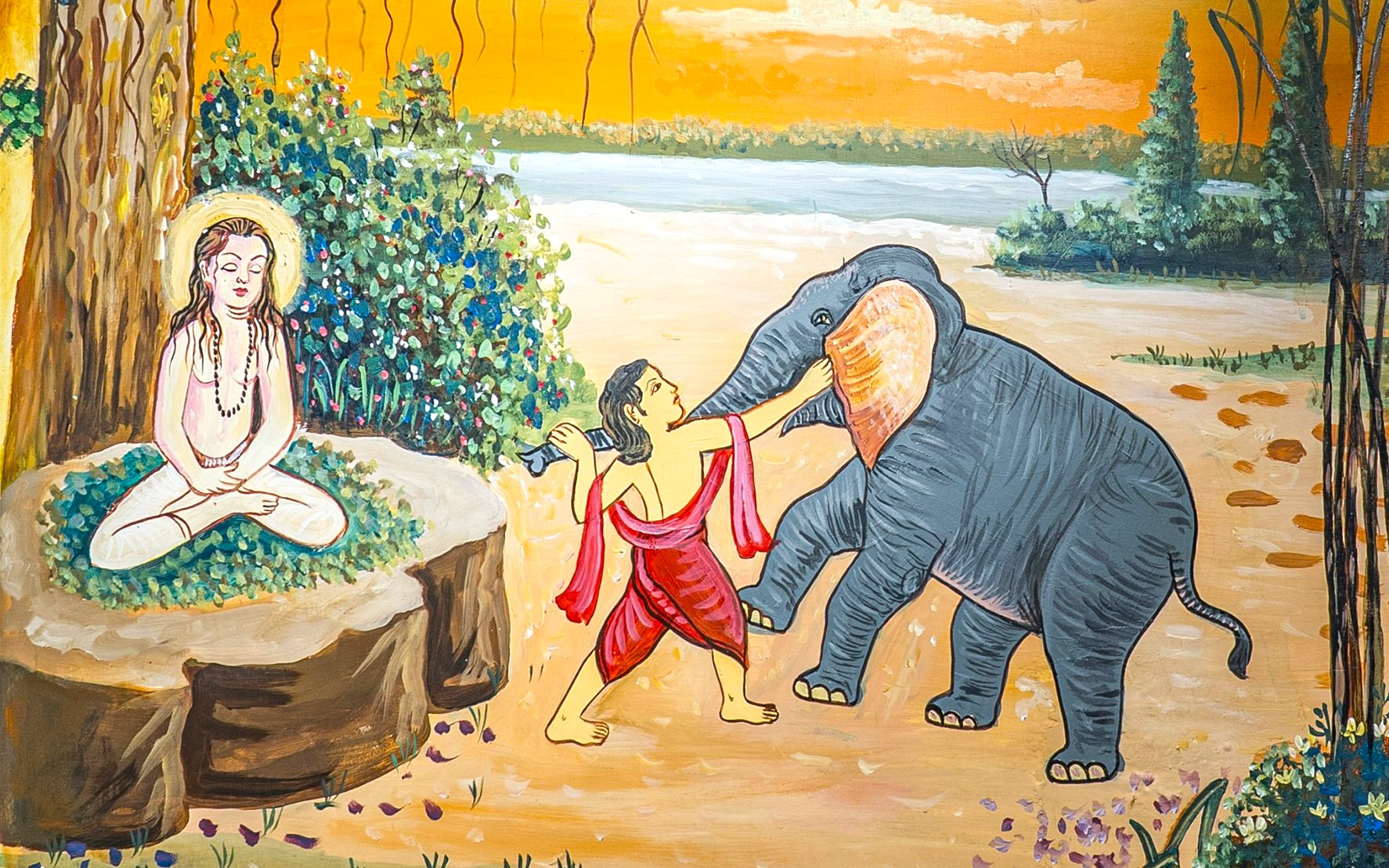
Satya Yuga: Meaning of the Name
The name is direct Sanskrit. “Satya” means truth, and “Krita” is often explained as “accomplished” or “completed,” pointing to an ideal condition rather than a datable historical period. “Yuga” means an age, a unit used to organize sacred time. In later Hindu teaching, this first age is used as a baseline: it defines what “full dharma” looks like before decline begins. Texts do not present it as a king-by-king political chronology the way inscriptions do; they present it as a moral frame. That difference matters if you want facts: the factual part is the textual tradition and how it is used, not a court record you can cross-check with coins and dated grants.
The Duration Scheme in Tradition
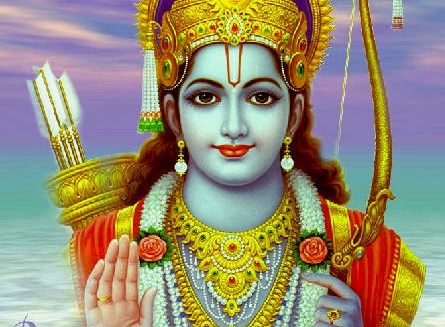
Many Puranic summaries present fixed lengths for the four ages and also describe transition intervals at the start and end of each age. A common scheme gives Satya Yuga 1,728,000 human years as the main span, with dawn and dusk periods described as gradual changes rather than sudden switches. These numbers are part of sacred chronology, not scientific dating. They function like a teaching tool: they put human history inside a larger cosmic rhythm. You will see authors link this rhythm to larger cycles such as the mahayuga (the four ages together) and then to bigger units such as a “day of Brahma.” The point is consistency of the model, not a calendar for excavations. Satya Yuga
Dharma at Full Strength
Later tradition often uses a simple image: dharma is steady and complete in this first age, then decreases in later ages. This is why Satya Yuga becomes shorthand for a society where truthfulness and restraint are normal expectations, not rare achievements. In the literature, the ideal is internal discipline rather than policing: right action is presented as the default, so rule by force is less central. You should read these claims as ethical narrative, not as social science. No census, court archive, or inscription set documents “Satya Yuga daily life.” The “facts” are that the texts describe it this way, and communities continue to use that description as a reference point when discussing integrity, leadership, and personal conduct.
Practice Centered on Meditation

A standard teaching in later Hindu commentary is that spiritual practice changes by age. Satya Yuga is described as favoring meditation and inner discipline, with less emphasis on elaborate public ritual than in later ages. This is one reason the age is treated as psychologically “quiet” in later retellings: the mind is the main battleground, not the marketplace. Yogic restraint, truthfulness, and non-violence are highlighted in many summaries of the age. Again, treat this as doctrinal teaching. It is not archaeology. What you can state as fact is that many Hindu teachers and texts present this pattern of practice-by-age, and it shapes real decisions today about which disciplines are praised as most fitting for the world’s condition. Satya Yuga
Sages and Genealogies of Teaching
Instead of royal dynasties, Satya Yuga narratives often emphasize sages and lineages of instruction. Puranic and epic traditions describe rishis as the carriers of insight and ritual knowledge, passed through discipleship rather than bloodline. Names such as the Sanatkumāras appear in later tradition as archetypes of lifelong celibacy and teaching. Lists of “saptarishi” are also preserved, though the exact set can vary by text and era. These genealogies are not “family trees” in the palace sense; they are chains of authority in knowledge. That is why Satya Yuga is described as guided more by wise counsel than by royal administration. When later ages arrive, dynastic power becomes more visible, but this first age is presented as anchored in sages, vows, and the force of example.
Household Life, Marriage, and Women

The literature’s Satya Yuga portrait tends to minimize social conflict, so it does not dwell on court intrigue or succession crises the way later epics do. Still, Hindu dharma texts treat marriage, household duty, and women’s protection as central social themes across ages. The idealized picture is that family life is stable because truthfulness is stable. Women are described as honored within the dharma framework, and marriage is treated as a duty-based partnership tied to household ritual and lineage continuity. These are normative ideals, not field reports. What you can responsibly say is that Satya Yuga is often used as a moral “control case” in later debates about social responsibility, including how households treat women, children, elders, and dependents, and how duty is supposed to restrain power inside family life. Satya Yuga
Food, Offerings, and Early Medicine
Satya Yuga summaries often stress simplicity: restraint in consumption and clarity of mind. In later Hindu teaching, food discipline supports mental steadiness, so simple diets and measured intake are praised as tools for self-control. When offerings are mentioned in age-based teaching, they are commonly framed as natural extensions of household order rather than complex public rites. For medicine, India’s documented classical medical traditions, Ayurveda in particular, are preserved in texts such as the Charaka Samhita and Sushruta Samhita, though these works are historical compositions, not “Satya Yuga documents.” In age-model interpretation, health is portrayed as easier in the earliest age and harder in later ages. The factual anchor remains the medical literature and its long continuity in India, not an excavated Satya Yuga pharmacy.
Geography as Sacred Landscape

Because Satya Yuga is not a political map, its “locations” often appear as sacred landscapes: rivers, mountains, forests, and hermitage zones where teaching occurs. Indian tradition repeatedly treats rivers such as the Ganga as spiritually charged, and mountains such as the Himalaya as homes of austerity and instruction. These landscapes are real and measurable, while the age assigned to events in them is a sacred placement. Water systems matter here in a broad sense: in India, settlement and ritual are linked to reliable water, and hermitages in literature are often placed near rivers for drinking, bathing, and ritual purity. The age-model overlays a moral reading onto the same geographic facts that drive real settlement: water access shapes where people live and how they worship. Satya Yuga
Trade and Technology in the Ideal Frame
Satya Yuga is usually not described as a commercial age driven by markets and long-distance trade routes. Instead, it is framed as an age where needs are met with fewer conflicts, implying less reliance on complex economic competition. That said, the subcontinent’s real prehistory and early history include long-distance exchange long before written dynasties, shown by stone sourcing, shell use, and later metal circulation. The age-model does not deny material life; it simply places moral weight elsewhere. If you want a clean factual statement, it is this: texts that describe Satya Yuga do not function like economic histories, and they do not provide datable route lists the way later inscriptions, coin finds, and travel accounts can. They are ethical narratives, not trade ledgers.
Festivals That Echo the Ideal
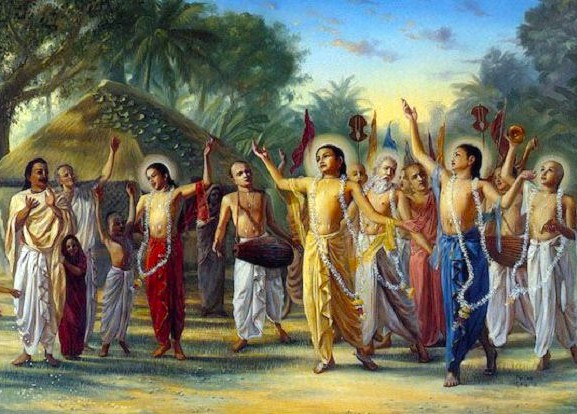
Satya Yuga itself is not a festival calendar, but India’s living practice keeps the “ideal age” idea present through regular observances that honor teachers and discipline. Guru Purnima, observed on the full moon of Ashadha (June–July), is widely used to honor teachers; key rites typically happen in the morning or early evening depending on local custom. Maha Shivaratri, observed on the Chaturdashi night of the Krishna Paksha in Phalguna (February–March), is commonly marked after sunset and through the night in many Shiva temples. These dates shift on the Gregorian calendar because they follow a lunisolar system. The factual point is that present-day ritual cycles keep ideals of restraint, study, and inner discipline active, which is exactly what Satya Yuga is used to symbolize in teaching. Satya Yuga
The Shift into Treta
Sacred chronology presents the move from Satya to Treta as a decline from completeness to a lesser stability, often explained as dharma dropping from full strength to three parts. This “replacement” is not described like a palace coup with a dated coronation; it is described as a gradual moral shift in the world’s condition. In the usual teaching, this is why public ritual and formal sacrifice become more central in Treta, and why kingship becomes more visible as a stabilizing force. The practical message is consistent across commentaries: when inner restraint weakens, society leans more on shared rites, clearer duties, and stronger governance. That is the role Satya Yuga plays in the tradition: it defines the starting line so the later ages’ pressures can be explained without needing to invent a false archaeological timeline.
Step Inside The Story - View All Tour Itineraries & Details

We’re here to offer genuine, thoughtful guidance if your interested in travelling to India. As a small, dedicated team, we pay close attention to every detail so you can focus on enjoying the experience while we take care of the planning. We believe the best trips begin when someone truly listens to what you want and how you like to travel, so the journey feels right for you and contributes to a happy, positive group on tour. Our communication stays clear, straightforward, and respectful at every step, with the goal of helping you feel understood, supported, and confident from first contact to the end of your journey.
Click Catherine Frith - About The Founder
Click Discover Life Travel - All Tours and More
Click Why We Are Different - Unique, Safe, Transparent