Unique Insights Into The Yagas Of India
Kali Yuga: India
Discover Life Travel
Age of Strife
Kali Yuga is Sanskrit for an age marked by conflict and moral strain in Hindu sacred chronology. “Yuga” means an era; “Kali” is linked with quarrel and disorder, and in the Bhagavata Purana it also appears as a personification of vice, not the goddess Kali. This is not one city; it is a time-model taught across India, from the Gangetic plain to the coasts. A widely cited traditional start date is 3102 BCE, and the age is often said to last 432,000 years. India’s 2011 Census counted 1,210,854,977 people, so this idea now circulates at vast scale through sermons, calendars, and household talk about duty. Kali Yuga India
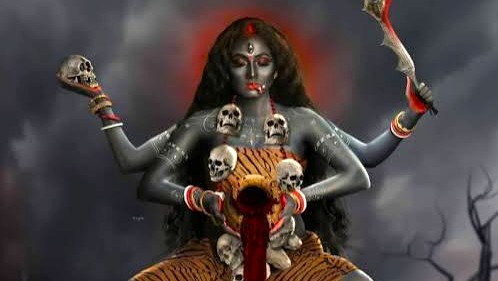
Kali Yuga India: Meaning of the Name
The name carries two layers. In Sanskrit usage, “yuga” is an age, a long span used to order sacred time. “Kali” points to strife, dispute, and ethical breakdown, and the Puranas describe it as a force that enters society when restraint weakens. In some tellings, Kali is described as a figure who gains room to act when rulers fail to protect dharma. This is why the term is used in everyday speech as shorthand for corruption, harshness, and restless desire. The concept is pan‑Indian, but texts place their teaching in known landscapes: rivers, courts, forests, and pilgrimage routes.
Traditional Start and Length
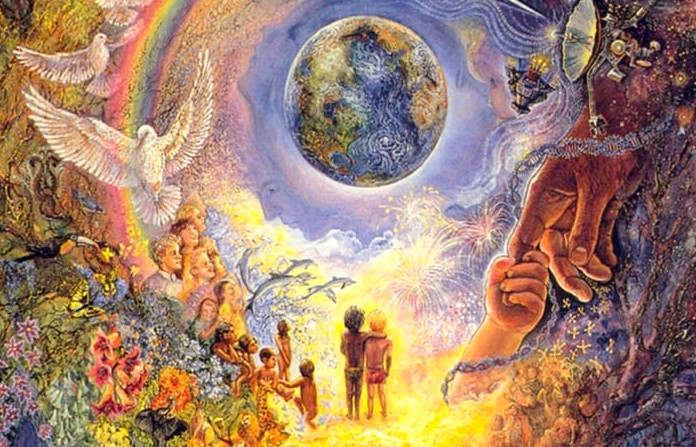
Classical Hindu chronology assigns set lengths to the four ages, with this one at 432,000 years in many Puranic summaries. The commonly cited start epoch is 3102 BCE, used in some astronomical traditions as a reference point. These figures are religious timekeeping, not dates proven by inscriptions. They function like a sacred clock that frames ethics across generations. The model also ties the ages to a decline in dharma, often pictured as support decreasing from four parts to one. You will see the numbers repeated in commentaries because they create a stable structure for teaching: the age has a defined span, even if daily history inside it is messy and contested. Kali Yuga India
Epic Transition Stories
Later tradition often links the change into this age to events around Krishna and the Mahabharata narrative world. The text itself is epic literature, preserved through long oral transmission and later manuscripts, and historians debate composition layers and chronology. Still, the story gives named characters who anchor the moral shift: Krishna, Arjuna, Yudhishthira, Bhima, Duryodhana, Karna, and Bhishma. The Kurukshetra war is presented as a catastrophic victory with lasting grief, followed by a sense that order is harder to hold. Kurukshetra is a real location in present-day Haryana, but the war as described is not confirmed as a single datable historical campaign.
From Indus to Vedas
Before any recorded dynasty lists, archaeology shows a long settlement history. Mature Indus Valley city life is usually dated roughly 2600 - 1900 BCE, with sites spread across present-day Pakistan and northwestern India. Water systems, wells, and drains at cities such as Mohenjo-daro and Harappa show civic planning without named kings we can verify. After that world changed, Vedic culture is preserved first through recitation, then manuscripts, describing ritual, social duty, and kingship ideals. These sources do not give a clean “first dynasty” timeline, yet they shape later ideas about rule and decline. The age-model overlays these layers, turning material history into a moral narrative of change.
First Dynasties on Record
In documented political history, the Maurya Dynasty Is among the earliest large states known through inscriptions and external accounts. Chandragupta Maurya ruled roughly 322–298 BCE, followed by his son Bindusara and grandson Ashoka, who ruled roughly 268–232 BCE. Ashoka’s rock and pillar edicts are core evidence for policy and religious messaging. Later tradition links his shift in outlook to the Kalinga War, often dated to about 261 BCE, fought in the region identified with coastal Odisha. In the sacred-age frame, these rulers are “within” the current age, even though the concept itself is not a dynastic calendar. Population counts for ancient eras are uncertain; censuses arrive much later. Kali Yuga India
Courts, Queens, Children
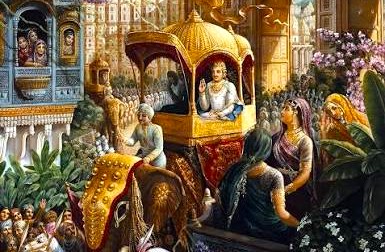
For verifiable palace routine, Mughal records are clearer than epic time. Shah Jahan ruled 1628–1658 and commissioned the Taj Mahal, commonly dated 1632–1653, in memory of Mumtaz Mahal, whom he married in 1612. Their children included Dara Shikoh, Aurangzeb, Shah Shuja, Murad Baksh, and daughters Jahanara Begum and Roshanara Begum. Court days included formal audiences, document review, education of princes, household management, and strict etiquette. Elite women could hold wealth and sponsor building projects, while also living under strong constraints. Marriage alliances in many dynasties served inheritance and diplomacy; women’s roles could shift from household power to political leverage, depending on court structure and succession pressures.
Wars that Replaced Thrones
Battle records become firm in later history because inscriptions, chronicles, and archives survive. The Kalinga War, often dated about 261 BCE, is tied to Ashoka’s edicts and is remembered for its death toll and political aftermath. In north India, the Battles of Tarain (1191 and 1192) are widely treated as turning points in the rise of Ghurid power. In Bengal, the Battle of Plassey in 1757 is commonly marked as a shift that expanded East India Company control. In these cases, “outcome” is not poetic: territory changes hands, revenue systems are rewritten, garrisons appear, and court languages change. These transitions shape local life through taxes, labor demands, and security. Kali Yuga India
Roads, Ports, Exchange
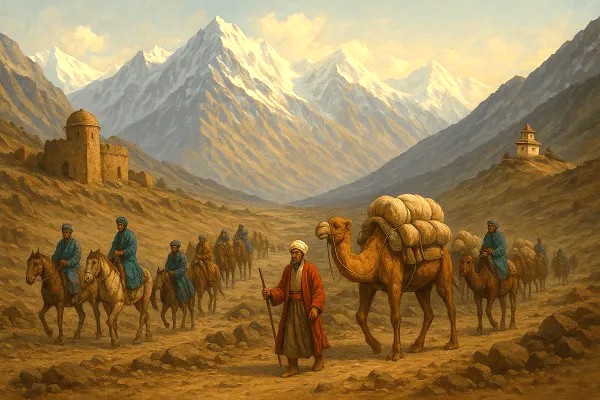
Trade held communities together across dynasties. Overland corridors described in historical sources include Uttarapatha in the north and Dakshinapatha in the south, linking regions for textiles, salt, metals, horses, and grains. Maritime exchange across the Arabian Sea and Bay of Bengal relied on monsoon winds, connecting ports to West Asia, East Africa, and Southeast Asia. This is not only elite history; it shapes livelihoods for weavers, potters, salt workers, boatmen, and caravan handlers. Market life also influences religious giving, because temple endowments and festival food often depend on merchant networks and land revenue. In the age-model, trade is sometimes portrayed as both necessary and morally risky, because wealth can amplify greed and inequality.
Rivers, Tanks, Stepwells
Water systems are a constant across India’s long timeline. Great rivers such as the Ganga and Yamuna support dense settlement, while peninsular rivers like the Godavari and Kaveri anchor irrigation and temple towns. The Kallanai (Grand Anicut) on the Kaveri is traditionally attributed to Karikala Chola and is often dated to around the 2nd century CE, showing early durable river engineering. Stepwells and tanks also matter; Rani ki Vav at Patan in Gujarat is dated to the 11th century and is linked in tradition to Queen Udayamati. These works shape daily routine, including women’s labor in carrying, storing, cooking, washing, and ritual bathing, and they stabilize food supply during dry seasons.
Temple Routine and Devotion
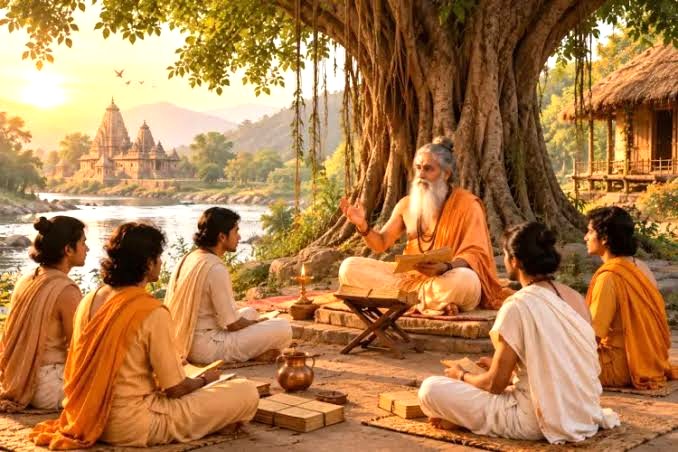
Religious practice in the current age is diverse, but temple worship and devotional traditions are widespread and documented through inscriptions, liturgy, and living institutions. Daily temple schedules typically include multiple puja times, lamp offerings, bell ringing, and distribution of prasadam, with priests following inherited ritual manuals. Bhakti traditions emphasize devotion through names, hymns, and stories, and public recitation of epics and Puranas remains common in many languages. Alongside Hindu practice, Buddhism, Jainism, Sikhism, Islam, and Christianity have long histories in India, each with its own worship rhythms and community institutions. The age concept is used inside some Hindu settings as a moral diagnosis, explaining why discipline feels harder and why accessible practices are praised. Kali Yuga India
Festival Calendar Anchors
Two calendar anchors are easy to place on the solar year. Makar Sankranti is widely observed on 14 January, and many rites begin at sunrise, often linked with bathing and offerings. In Tamil Nadu, Pongal is commonly kept around 14–17 January, with cooking beginning in the morning and the pot allowed to boil over as a sign of abundance. Many other festivals follow lunisolar dating, so the Gregorian day shifts yearly. Deepavali, for example, falls in October or November depending on the lunar calendar, with lamps typically lit after sunset and family gatherings continuing into the night. These cycles shape markets, transport, and work schedules, and they also structure temple food production, donation flows, and household budgets.
Food, Offerings, Measures
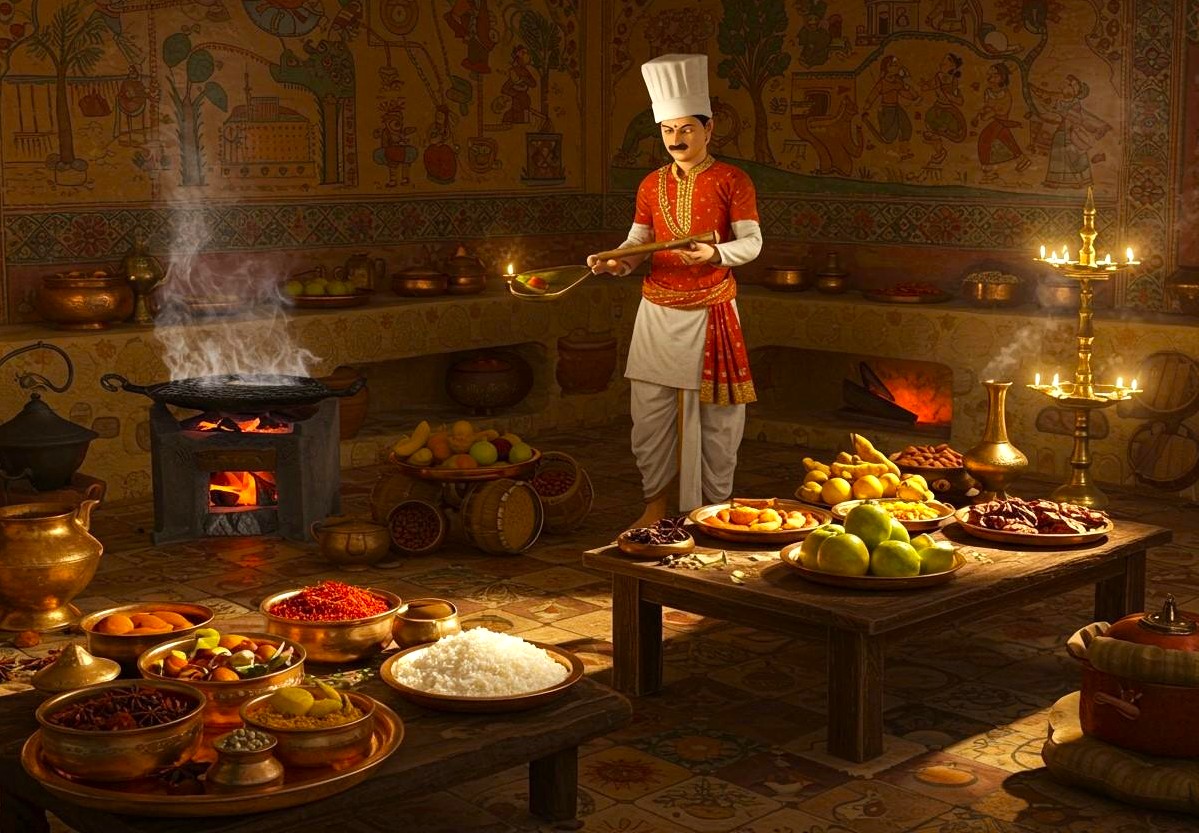
Food tradition is regional, yet religious giving creates shared patterns. Temple kitchens and households often prepare rice, lentils, vegetables, and sweets as offerings, measured by ladles, bowls, and plates rather than by written recipes. Ghee is commonly used for lamps and for cooking, while jaggery, milk, and nuts appear in sweets during winter festivals in many regions. Prasadam distribution can range from a small portion placed in the hand to full community meals, depending on the shrine and occasion. Everyday food for locals varies with climate and crop: wheat in many northern belts, rice in many eastern and southern belts, with millets in drier zones. The age-model sometimes treats food discipline as harder now, so fasting and simple meals are praised as tools for restraint.
Healing: Ayurveda and Unani
India’s medical history includes Ayurveda, preserved in classical Sanskrit texts such as the Charaka Samhita and Sushruta Samhita, and Unani practice introduced and developed through later centuries, especially under Indo‑Islamic patronage. In daily life, healing often blends household remedies with specialist care. Turmeric, ginger, cumin, and pepper are common kitchen medicines, while neem is widely used in hygiene and folk treatment. Courts employed physicians, pharmacists, and attendants, and medical knowledge moved along trade lines as herbs, resins, and minerals were transported between regions. The age concept is sometimes used as a frame for illness and mental strain, presenting them as more common now, while still insisting that disciplined routine, diet, and devotion can steady the mind. Kali Yuga India
Decline and Renewal Cycle
In Puranic teaching, this age is not endless. It is assigned a fixed span, after which renewal arrives and the cycle resets toward a new Satya Yuga. Some texts introduce Kalki as a future figure linked with restoration of dharma, presented in kingly terms rather than as a dated political ruler. This “replacement” is not the fall of one court and the rise of another; it is the replacement of a moral order. Within recorded history, India has seen many dynasty changes through war, marriage alliances, and succession crises, but the yuga model treats all those events as symptoms inside a larger pattern. The practical effect today is interpretive: people use the idea to explain why corruption, conflict, and distraction feel common, while still holding that repair is possible through rule, restraint, and shared duty.
Step Inside The Story - View All Tour Itineraries & Details
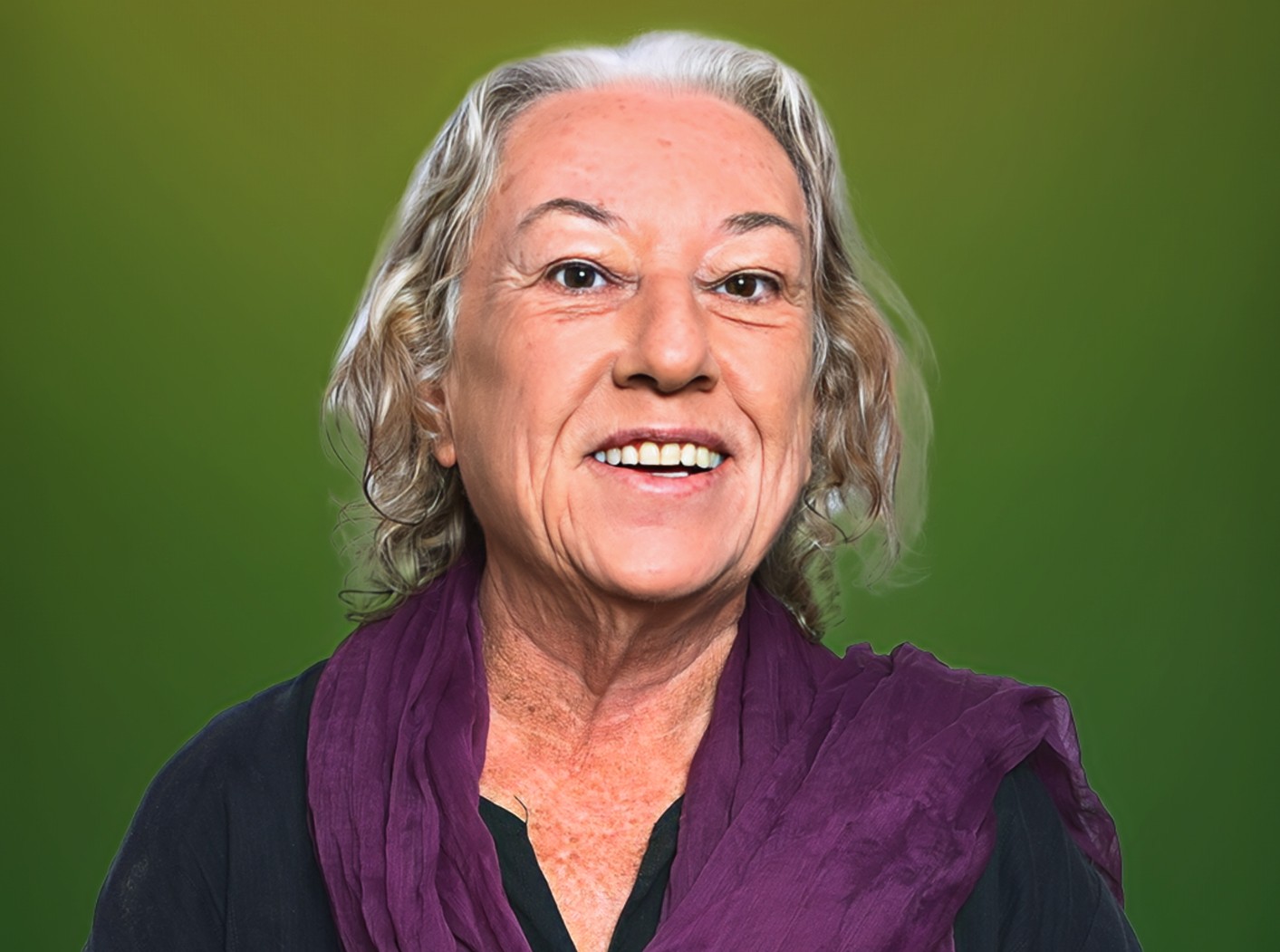
We’re here to offer genuine, thoughtful guidance if your interested in travelling to India. As a small, dedicated team, we pay close attention to every detail so you can focus on enjoying the experience while we take care of the planning. We believe the best trips begin when someone truly listens to what you want and how you like to travel, so the journey feels right for you and contributes to a happy, positive group on tour. Our communication stays clear, straightforward, and respectful at every step, with the goal of helping you feel understood, supported, and confident from first contact to the end of your journey.
Click Catherine Frith - About The Founder
Click Discover Life Travel - All Tours and More
Click Why We Are Different - Unique, Safe, Transparent