A Unique Look Into Indian History
Nolamba Dynasty: Karnataka - India
Discover Life Travel
Guardians of Faith and Conquerors of the South
Before the Nolambas carved out their domain, the region straddling the borders of modern Karnataka, Andhra Pradesh, and Tamil Nadu was a contested buffer zone. It was a territory where the influence of the great Pallavas, Chalukyas, and Rashtrakutas ebbed and flowed. This land, later known as Nolambavadi, was inhabited by agricultural communities and local chieftains. It was a landscape of scattered settlements and rocky outcrops, a political frontier without a single, dominant master, awaiting a dynasty that could navigate its complex allegiances and give it a unique cultural identity. Nolamba Dynasty Karnataka India
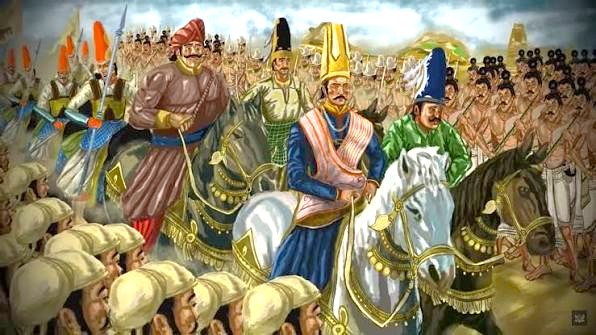
Nolamba Dynasty - Karnataka India: Claiming a Pallava Legacy
Emerging in the late 8th century, the Nolambas were ambitious local chieftains who claimed prestigious Pallava ancestry to legitimize their rule. The dynasty's founder, Mangala Nolambadhiraja, established his power in this frontier region, skillfully carving out a kingdom. They were not great conquerors in the imperial sense; instead, they were masters of survival, establishing their capital at Hemavati. The Nolamba dynasty's claim of Pallava lineage was a strategic move, providing them with an ancient and respected pedigree in the turbulent politics of the Deccan.
A Feudatory's Balancing Act
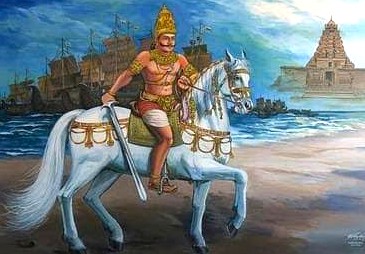
The daily life of a Nolamba king was a masterclass in diplomacy and subordinate governance. They were almost always feudatories, serving powerful overlords - first the Rashtrakutas, then the Western Gangas, and finally the Cholas. A king's day was not spent planning grand conquests but in carefully managing his relationship with his imperial master, providing military support when required, and securing his own autonomy. The political strategy of the Nolamba kings as feudatories was the key to their survival, a delicate and continuous balancing act between loyalty and self-interest.
Life in the Nolambavadi Heartland
For the common people, life was agricultural, centered on the cultivation of rice and millets. The society was organized around villages, with local guilds of artisans and merchants playing a significant role. What made their lives unique was their position at a cultural crossroads. They were exposed to the artistic and social currents of multiple great empires, fostering a cosmopolitan outlook. The social structure of the Nolambavadi province was stable and prosperous, allowing for the development of a unique artistic temperament that would become the dynasty's hallmark. Nolamba Dynasty Karnataka India
A Diet of the Deccan Plateau
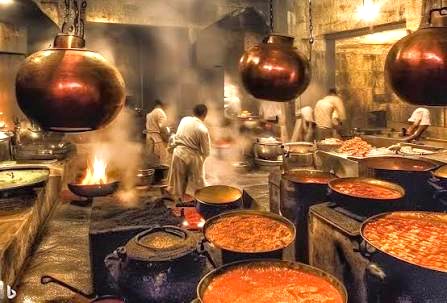
The royal kitchens would have served a cuisine based on the agricultural produce of the semi-arid Deccan plateau. Millets, rice, lentils, and local vegetables would have formed the core of the diet. As devout Shaivas, it is likely that vegetarian cuisine was prominent in the Nolamba court, supplemented by dairy products. The food would have been hearty and nutritious, reflecting the regional culinary traditions of Karnataka and Andhra, a distinct flavor profile shaped by the land they ruled.
Law on a Contested Border
The Nolamba legal system would have been a practical application of customary laws and the prevailing Hindu legal texts (Dharmashastras). As feudatories, they were also subject to the overarching legal authority of their imperial overlords. Justice was administered by the king and his local officials, with a focus on resolving land disputes and maintaining social order. The administration of justice in the Nolambavadi region had to be flexible, adapting to the shifting political landscape and the legal norms of whichever empire held suzerainty at the time.
The Unwavering Veneration of Shiva
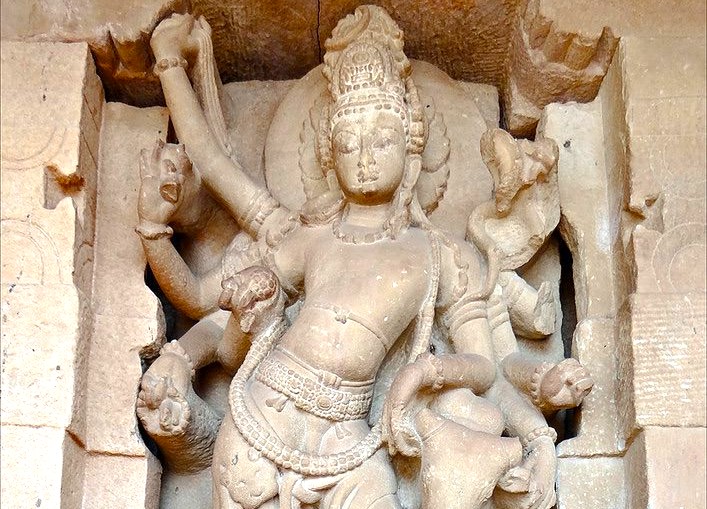
The Nolambas were ardent and exclusive patrons of Shaivism. Their religious life was centered entirely on the worship of Shiva. This devotion is spectacularly evident in their art and architecture. They built numerous temples dedicated to Shiva, and their sculptures overwhelmingly depict him in his various forms - as the cosmic dancer Nataraja, the mendicant Bhikshatana, or the fearsome destroyer of demons. The predominance of Shaivism in Nolamba religious life was absolute, a singular and passionate focus that inspired their greatest artistic achievements. Nolamba Dynasty Karnataka India
Celebrating the Lord of Dance
Festivals in the Nolambavadi kingdom would have been centered on the Shaiva calendar. Mahashivaratri would have been the most important celebration, a night of fasting, prayer, and devotion dedicated to Lord Shiva. The temple courtyards would have come alive with music and dance performances, especially those celebrating Shiva as Nataraja, the Lord of Dance. These Shaiva festivals and temple rituals under the Nolambas were deeply spiritual events that united the king and his subjects in their shared devotion to their patron deity.
A Court of Sculptors, Not Poets
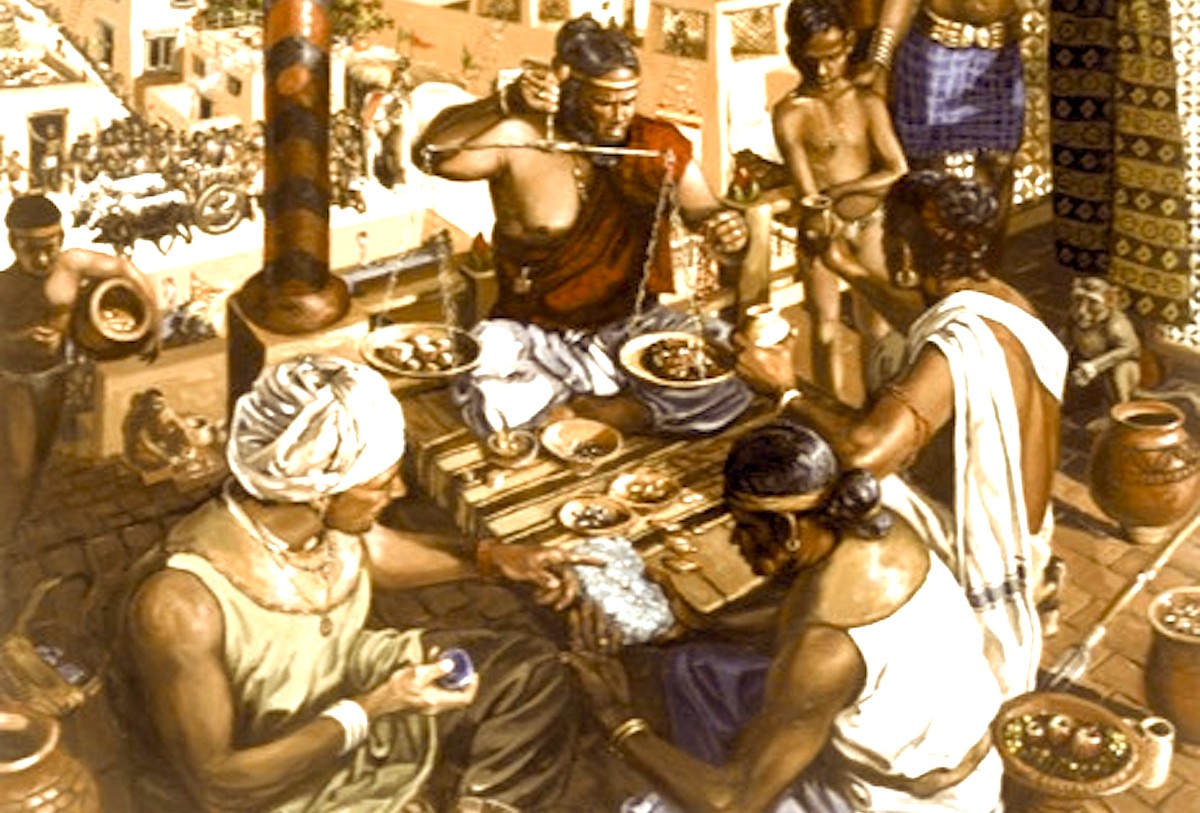
Unlike other dynasties that are remembered for their literary patronage, the Nolamba court was a court of artists. Their primary cultural contribution was not in language but in stone. The king's greatest courtiers were his master architects - Sthapatis and sculptors - Shilpis. The royal court would have been a hub of artistic innovation, where sculptors experimented with styles and techniques, creating a unique visual language. The patronage of stone sculptors by the Nolamba rulers was their defining cultural policy, making their kingdom a crucible of artistic creation.
Warriors in the Shadow of Giants
The military history of the Nolambas is one of a loyal and effective subordinate power. They did not wage wars of imperial conquest for themselves but fought valiantly in the armies of their Rashtrakuta and Ganga overlords. Their warriors were known for their skill and loyalty, helping their masters secure their borders and win their battles. The role of the Nolamba army as a feudatory force was a testament to their military prowess, earning them the respect and protection of the great empires they served. Nolamba Dynasty Karnataka India
Marriages to Secure a Vassal's Place
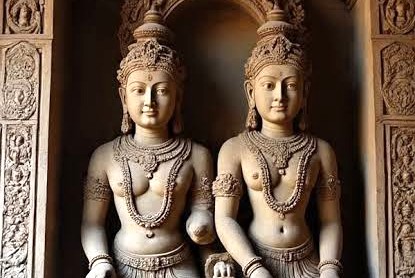
For the Nolambas, royal marriages were a crucial tool for cementing their position within the imperial power structure. They frequently formed matrimonial alliances with their overlords, the Rashtrakutas and the Western Gangas. A Nolamba princess marrying a Rashtrakuta emperor was a common strategy to ensure favor, protection, and political stability. These marital alliances between the Nolambas and the Rashtrakutas were vital for their survival, weaving them into the very fabric of the imperial family.
The Divine Anarchy of Nolamba Sculpture
The Nolambas created one of South India's most dynamic and unique schools of sculpture. Drawing inspiration from their neighbours, they synthesized Chalukya grace, Pallava strength, and Rashtrakuta dynamism into something entirely new. Their sculptures are characterized by ornate detail, intricate ornamentation, and a powerful, almost wild sense of movement. The Nolamba sculptural style at Hemavati, with its famous depictions of dancing Shivas with braided hair and skull-adorned jatas, is a masterpiece of Deccan art.
The Hero Stone: A Warrior's Testament
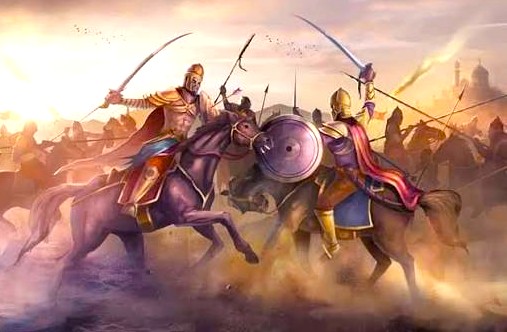
Like their neighbours, the Nolambas honored their fallen warriors through the carving of "Viragallu" or hero stones. These narrative stone reliefs were a vital part of their martial culture. They depicted the hero's final battle, his journey to heaven, and his ultimate place beside his chosen deity. The carving of hero stones as a Nolamba cultural practice was a way to immortalize bravery and provide a powerful incentive for loyalty and sacrifice on the battlefield, reflecting the warrior ethos of the time. Nolamba Dynasty Karnataka India
The Healers of a Frontier Kingdom
Healthcare in the Nolambavadi kingdom would have followed the established traditions of Ayurveda. Local physicians, supported by royal and community patronage, would have provided medical care using herbal remedies sourced from the surrounding region. The practice of Ayurvedic medicine in the Nolamba territory was an essential community service, ensuring the well-being of a population living in a politically sensitive and often contested frontier zone.
The Tanks that Sustained the Sculptors
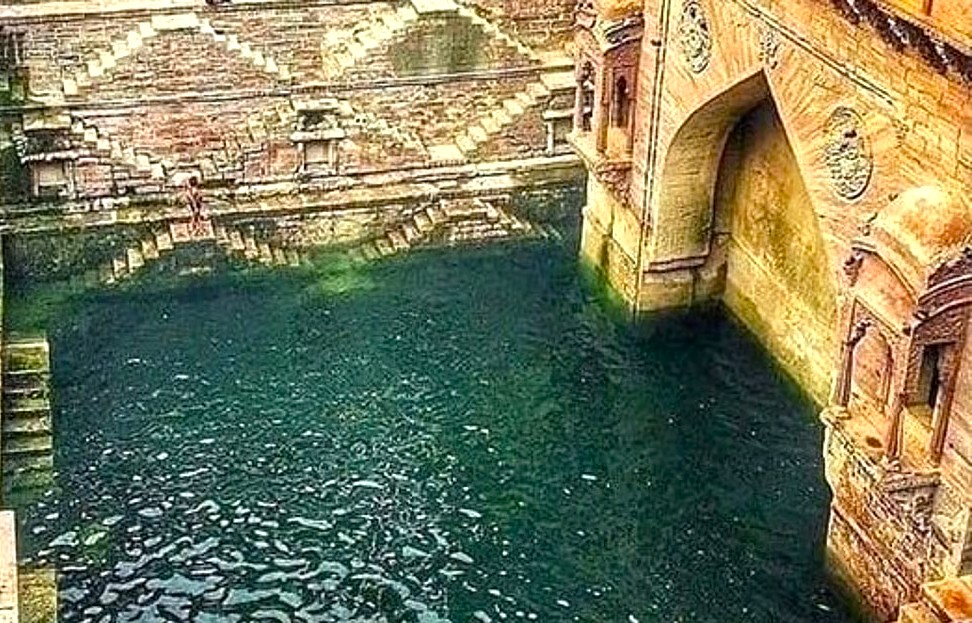
The agrarian economy of Nolambavadi was sustained by a network of man-made irrigation tanks and reservoirs. The construction and maintenance of these water bodies was a key duty of the king and local chieftains. These tanks ensured a reliable water supply for agriculture, which in turn generated the surplus wealth needed to fund the Nolambas' true passion: their ambitious temple-building projects. The importance of irrigation tanks for the Nolamba economy cannot be overstated; they were the foundation upon which their artistic legacy was built.
Consumed by the Southern Empire
The end of the Nolamba dynasty came at the hands of the imperial Cholas. As the Cholas, under the brilliant Raja Raja I and his son Rajendra Chola I, expanded their empire northwards in the late 10th and early 11th centuries, they clashed with the Western Chalukyas. Nolambavadi, lying directly in their path, became a battleground. The Nolambas, caught in this conflict, were decisively defeated. The conquest of Nolambavadi by the Chola empire led to the complete absorption of their territory and the end of their distinct political and artistic identity, their lands becoming a province of a new, southern superpower.
Step Inside The Story - View All Tour Itineraries & Details
We’re here to offer genuine, thoughtful guidance if your interested in travelling to India. As a small, dedicated team, we pay close attention to every detail so you can focus on enjoying the experience while we take care of the planning. We believe the best trips begin when someone truly listens to what you want and how you like to travel, so the journey feels right for you and contributes to a happy, positive group on tour. Our communication stays clear, straightforward, and respectful at every step, with the goal of helping you feel understood, supported, and confident from first contact to the end of your journey.
Click Catherine Frith - About The Founder
Click Discover Life Travel - All Tours and More
Click Why We Are Different - Unique, Safe, Transparent