A Unique Look Into Indian History
Kishkinda: Karnataka - India
Discover Life Travel
Legends Flowing Through Stone Valleys
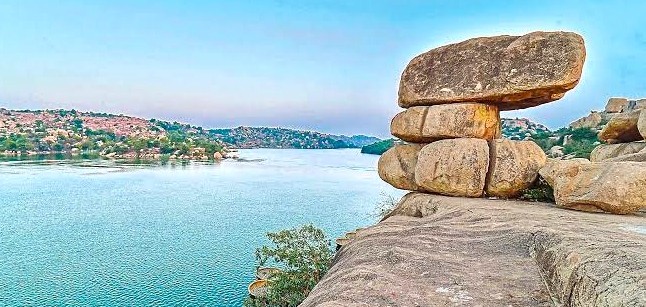
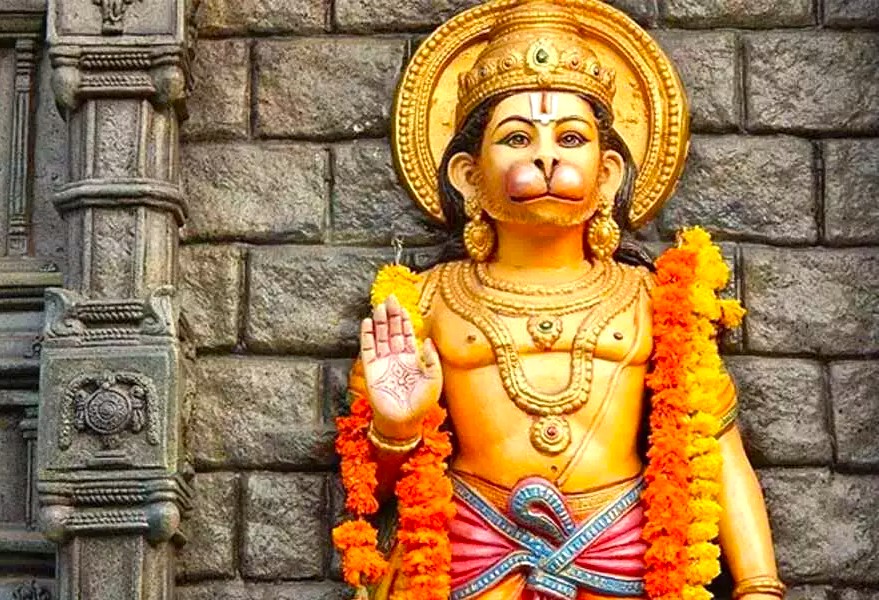
Kishkinda is the name given in the Ramayana to the monkey kingdom ruled by Sugriva, usually linked by tradition to the rocky hills around Hampi in present-day Vijayanagara. The word is often taken to mean “the land of monkeys,” tying the landscape to Hanuman and his kin. Here, granite boulders tower over the Tungabhadra River, and ruined shrines and palace foundations trace later dynasties that settled in a place already sacred in memory. To explore Kishkinda is to move from epic-age legends, through early settlements and great stone halls, to food, trade, medicine, festivals, and present-day life in and around Hampi and Anegundi. Kishkinda Karnataka India
Kishkinda - Karnataka India: Before Stones Remembered Names
Long before written records, the Tungabhadra basin held Mesolithic and Neolithic communities, leaving rock shelters and tools in the surrounding hills. Local oral traditions weave these early peoples into the later story of vanara heroes like Vali and Sugriva, who in the Ramayana rule Kishkinda and interact with Rama and Lakshmana. Archaeology around Anegundi, believed by many to be ancient Kishkinda, shows evidence of Iron Age activity centuries before large temple-towns rose. Small farming and herding groups depended on seasonal rains, river water, and foraged foods, honoring hill spirits and tree deities. These pre-historic layers form the quiet background of the later sacred geography.
Early Shrines And River Crossings
By the early centuries CE, the Tungabhadra corridor already supported shrines and small towns linked to trade paths between the Deccan and the south. Simple stone mandapas and early rock-cut sanctuaries appeared on hill slopes, honoring local forms of Shiva, river goddesses, and village guardians. Fords and primitive ferries at points near today’s Anegundi and Hampi allowed carts and caravans to cross. As dynasties like the Kadambas and Chalukyas expanded between the 4th and 8th centuries, they left inscriptions near the river, marking land grants to Brahmins and temples. Population grew in riparian villages, with fields of millet and pulses spreading wherever irrigation could reach.
Vijayanagara Kings In Kishkinda’s Shadow
In the 14th century, the Vijayanagara Dynasty chose this region as its capital, founding a city across both banks of the Tungabhadra. Hampi on the southern side and Anegundi on the northern plateau became twin centers, with legends of Kishkinda lending sacred authority. Harihara I and Bukka Raya I were active by 1336, and by the reign of Krishnadevaraya (1509–1529) the city had expanded dramatically. Royal quarters, temples, and market streets stretched among boulder hills and irrigated gardens. Tens of thousands of residents filled the valley, from royal families and merchants to soldiers, artisans, and agricultural communities in satellite villages. Kishkinda Karnataka India
Temples, Hermits, And Sacred Hills
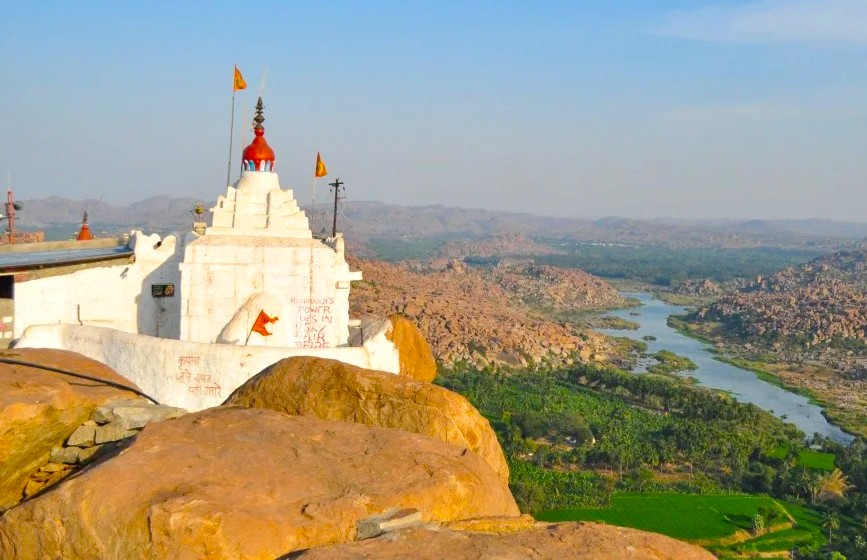
Religious life around Kishkinda blended Ramayana devotion with Shaiva and Vaishnava traditions. Anjanadri hill, near Anegundi, is revered as Hanuman’s birthplace, with steps leading to a hilltop shrine. Pampasarovar, a lake north of the river, is tied to the tale of Shabari and Rama. Under Vijayanagara rule, major temples such as Virupaksha in Hampi and Ranganatha near Anegundi became daily ritual centers. Priests performed morning and evening puja, offering flowers, incense, and cooked rice to deities, while pilgrims traced routes between shrines. Hermits and Vaishnava acharyas found quiet in the hills, turning the old Ramayana landscape into a living circuit of worship and study.
Tanks, Channels, And River Stones
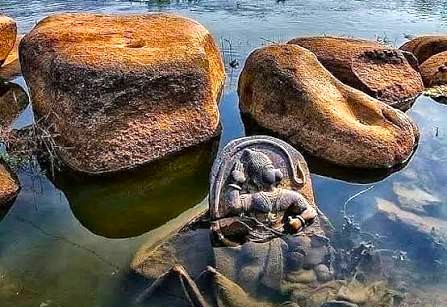
Water systems made life possible in Kishkinda’s rocky terrain. The Tungabhadra provided the main artery, but its seasonal flow required careful control. Vijayanagara engineers constructed anicuts, stone-lined canals, and tanks to divert river water into fields and gardens. Kamalapura tank and other reservoirs stored monsoon flows, feeding rice paddies and sugarcane plots south and north of the river. Smaller channels carved into bedrock at Hampi and Anegundi brought water to royal enclosures and temple tanks. In drier months, stepwells and deep wells supplied drinking water. These hydraulic works supported crops, bathing ghats, and ritual use, while also protecting settlements from sudden floods.Kishkinda Karnataka India
Millets, Rice, And Shared Meals
Food traditions in the Kishkinda–Hampi region reflected semi-arid conditions tempered by river irrigation. In upland areas, farmers grew millet varieties like ragi and jowar, ground into flour for porridge and flatbreads. In low-lying fields near the Tungabhadra and tanks, rice cultivation expanded under Vijayanagara, providing substantial daily quantities for both households and temple kitchens. Lentils, brinjal, gourds, and leafy greens filled gardens, while tamarind and coconuts flavored dishes. Fish from the river added protein for some communities. Royal and temple kitchens cooked rice, sambar-like stews, and sweets in large copper pots, feeding priests, workers, and pilgrims during festivals and after major rituals.
Herbs, Oils, And Healing Practices
Medicine around Kishkinda combined Ayurveda, local plant knowledge, and simple yogic practices. Village vaidyas used herbs such as neem, tulsi, ashwagandha, and long pepper for fevers, skin problems, and respiratory issues. Oil massages with sesame or coconut oil helped laborers and soldiers recover from strain in the rugged hills. In Vijayanagara times, court physicians extended this practice, preparing complex decoctions recorded in palm-leaf manuscripts. Bathing in the Tungabhadra at dawn, reciting mantras, and following dietary rules formed part of health routines. Midwives managed childbirth, employing warm compresses and herbal teas, while chronic ailments sometimes drew sufferers to specific shrines believed to aid healing.
Ramayana Wars In Local Stone
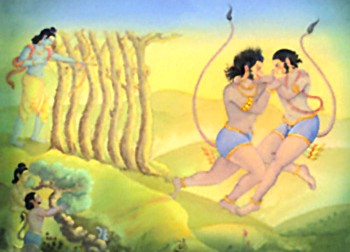
In the Ramayana narrative, Kishkinda is the setting for Vali’s death and Sugriva’s alliance with Rama. The battle between Rama and Vali, fought outside the cave where Vali fought the demon Mayavi, is tied by tradition to specific boulder clusters near Anegundi. Later, monkey armies gathered here before marching south to Lanka. Although mythic, these episodes shape how people read the landscape: certain cliffs are named for Vali, Sugriva, or Hanuman’s leaps. Centuries afterward, smaller historical battles took place nearby as Vijayanagara defended crossings and outposts, echoing the epic theme of hill and river as stages for conflict and loyalty. Kishkinda Karnataka India
Trade Paths Through Granite Valleys
Kishkinda’s hills stand beside important trade routes that linked the Deccan plateau to coastal regions. By Vijayanagara times, Hampi functioned as a major node for horse imports from the Arabian Sea ports, rice and cotton from interior districts, and precious stones traded to foreign merchants. Caravans from Goa and other ports passed near Anegundi and Hampi, crossing the Tungabhadra on ferries or stone causeways. Market streets at Hampi, including those leading to Virupaksha and Vitthala temples, handled spices, textiles, and metalwork. These routes sustained both local villages and the distant reach of the court, tying Kishkinda’s sacred hills into far wider commercial circuits.
Marriages, Queens, And Family Compounds

In the epic tale, the Kishkinda court centers on Vali, his brother Sugriva, and Tara, Vali’s queen known for her insight. Human Dynasties later ruling the region mirrored this emphasis on marriage alliances. Vijayanagara kings like Krishnadevaraya married women from powerful Telugu and Tamil houses, joining coastal and inland interests. Queens managed palace quarters near Hampi, oversaw temple endowments, and sponsored feeding houses. Children grew up between study of texts, martial training, and participation in rituals at riverside shrines. Around Anegundi, local ruling families in later centuries married within regional noble circles, keeping control of key ferries, shrines, and village lands.
Courts, Children, And Daily Rhythms
Daily life for royal families in the broader Kishkinda region, especially under Vijayanagara, followed structured rhythms. Kings rose before sunrise, bathed, and performed worship to deities like Virupaksha or Vitthala, then held morning durbar in pillared halls. Queens managed domestic staff, granaries, and weaving operations, while children learned reading in Kannada, Telugu, and Sanskrit, as well as music and weapons practice. Midday meals brought family and favored courtiers together over rice, vegetables, and sweets. Evenings often included dance and music performances in palace or temple courtyards. In villages, farmers timed their days to canal flows and light, yet shared the same festival calendars and legends. Kishkinda Karnataka India
Festivals Along River And Hills
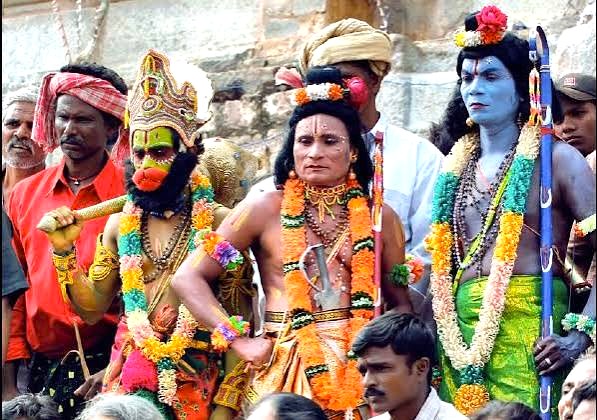
Festivals in Kishkinda-linked areas track both pan-Indian and local sacred cycles. Ramanavami, celebrating Rama’s birth, falls in the month of Chaitra (March–April) and draws devotees to Hampi and Anegundi for recitations and processions. Hanuman Jayanti, often observed in Chaitra or in Margashirsha (dates vary regionally), brings crowds to Anjanadri hill, where lamps and offerings dot the steps. Annual car festivals for Virupaksha in Hampi, usually in March or April, involve chariots pulled through the old streets. These events mark agricultural transitions, reinforce community ties, and keep Ramayana narratives present in everyday timekeeping along the Tungabhadra.
People Scattered Through Rock Fields
The population around Kishkinda has shifted over centuries. During the Vijayanagara peak in the 15th and early 16th centuries, Hampi-Anegundi likely supported tens of thousands of residents, with more in surrounding villages. After the city’s fall in 1565, many urban neighborhoods declined, and people moved to smaller settlements or other regional centers. In the 20th and 21st centuries, Hampi and Anegundi were revived as religious, agricultural, and heritage towns. Today, thousands live in and around these sites, farming bananas, sugarcane, and millets along the river while others work in small trade, guiding, and service roles that connect old ruins and sacred hills to wider regional networks.
Present Paths Through Kishkinda
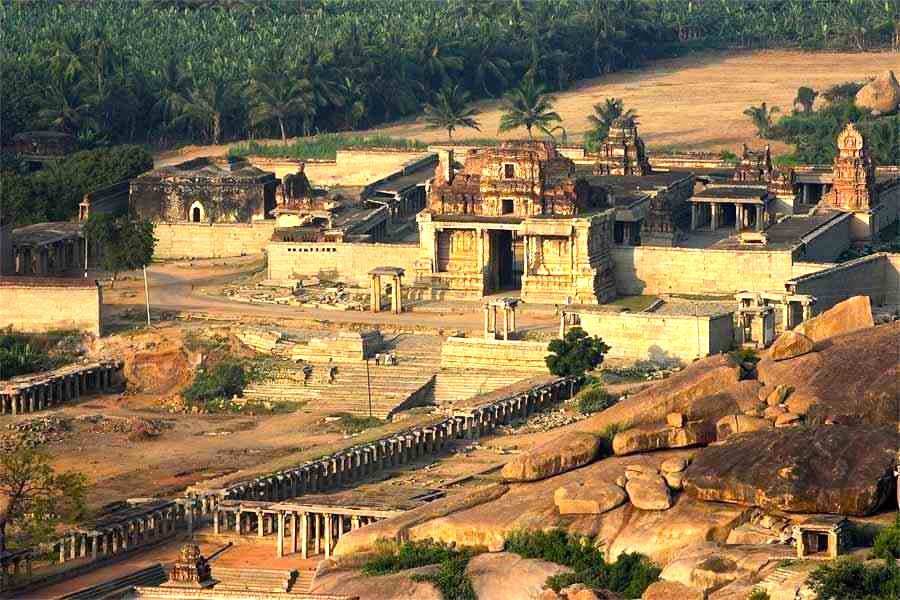
Current life around Kishkinda blends agriculture, devotional practice, and heritage activity. Farmers use canal-fed water to grow rice and sugarcane on narrow strips by the Tungabhadra, while dry-land crops cover higher fields. Pilgrims climb Anjanadri hill, bathe at Pampasarovar, and visit Virupaksha temple in Hampi. Local families keep Ramayana stories alive through songs and ritual dramas, and children learn both epic episodes and practical irrigation skills. Conservation rules around Hampi’s ruins intersect with village needs, leading to ongoing negotiations. Kishkinda today is both mythic landscape and working countryside, where daily chores and sacred memory share the same rocky ground. Kishkinda Karnataka India
Decline And New Powers In The Valley
The landscape linked to Kishkinda saw its sharpest political change after the Battle of Talikota in 1565, when a coalition of Deccan sultanates defeated Vijayanagara forces. Hampi was sacked, leading to rapid depopulation and the shift of residual royal authority eastward to Penukonda and later Chandragiri. The old capital’s palaces fell into ruin while local chieftains, then Mysore and colonial powers, asserted control over the broader region. The British administration redrew boundaries and introduced new revenue systems. Although no single dynasty now rules from Kishkinda’s hills, the area’s religious and historical importance remains, influencing Karnataka’s cultural identity and drawing ongoing attention to the Tungabhadra’s enduring valley.
Step Inside The Story - View All Tour Itineraries & Details

We’re here to offer genuine, thoughtful guidance if your interested in travelling to India. As a small, dedicated team, we pay close attention to every detail so you can focus on enjoying the experience while we take care of the planning. We believe the best trips begin when someone truly listens to what you want and how you like to travel, so the journey feels right for you and contributes to a happy, positive group on tour. Our communication stays clear, straightforward, and respectful at every step, with the goal of helping you feel understood, supported, and confident from first contact to the end of your journey.
Click Catherine Frith - About The Founder
Click Discover Life Travel - All Tours and More
Click Why We Are Different - Unique, Safe, Transparent