A Unique Look Into Indian History
Kachwaha Dynasty: Rajasthan - India
Discover Life Travel
Lineages Rising From Desert Sand
The Kachwaha Dynasty wrote its story across the sandstone hills and deserts of present-day Rajasthan, India, centering on Amber and later Jaipur. Their name is often linked to “Kachhapa,” Sanskrit for tortoise, tying the lineage to a mythic connection with the solar Raghuvamsha line. From early chiefs at Dausa and Amber to Maharaja Sawai Jai Singh II’s mathematically inclined court in Jaipur, they balanced war, marriage alliances, devotion, and trade. Tracking them means following pre-11th century clan legends, hill forts begun in 1037 CE, city foundations in 1727 CE, water reservoirs, royal kitchens, and changing populations moving through the Aravalli ridges and Thar edge. Kachwaha Dynasty Rajasthan India
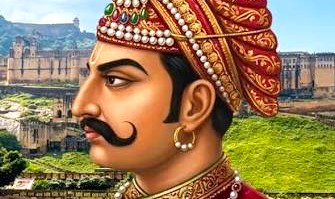
Kachwaha Dynasty: Rajasthan - India: Before Sandstone Forts Rose
Before the Kachwaha name appeared in inscriptions, northern Rajasthan lay under earlier Rajput and tribal chiefs, with influences from Gurjara-Pratihara rulers whose power peaked around the 8th–10th centuries. Local lore remembers ancestors like Nal and Kusha, linking clan origins to Ayodhya, though these claims sit in the space between myth and history. The region’s small hill settlements depended on rain-fed agriculture, cattle, and caravan trade routes passing between Delhi, Malwa, and Gujarat. Shrines dedicated to sun deities, village goddesses, and Shiva dotted the landscape. These earlier patterns of cultivation, worship, and warfare formed the base from which Kachwaha chiefs would rise at Dausa and then Amber.
Dausa And Early Strongholds
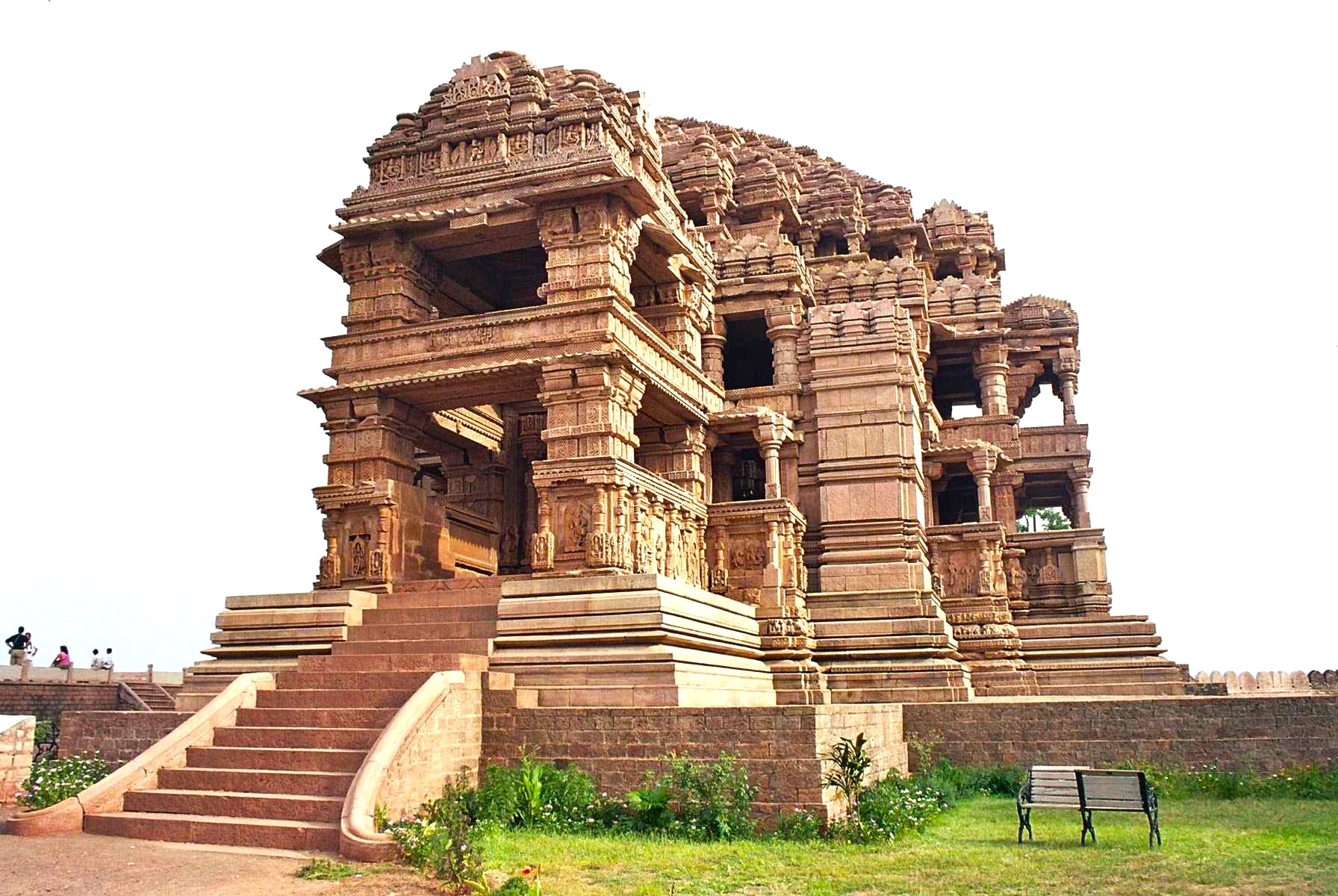
Kachwaha tradition records Dulha Rai as the first major ruler in Rajasthan, conquering Dausa from the Meena chief Nara around the early 11th century, often dated to c. 1036–1037 CE. Dausa, located about fifty-five kilometers east of present-day Jaipur, served as an initial base. Hilltop defenses and simple stone-and-mud fortifications guarded routes towards Delhi and the Chambal basin. Temples to Shiva and local deities anchored early town life, with Brahmin and Jain communities offering ritual services. Population remained small but strategic, growing as farmers, artisans, and traders gathered under the protection of the new Rajput house, which blended sword, shrine, and negotiation. Kachwaha Dynasty Rajasthan India
Amber’s Hill Of Gods
After Dausa, Kachwaha focus shifted to Amber, near present-day Jaipur, where they established a fort and town by the 12th century. Amber lies about eleven kilometers from Jaipur, tucked among Aravalli hills with Maota Lake at its base. Fortification work expanded across centuries, with major phases under Raja Man Singh I between roughly 1592 and 1614 CE, who strengthened walls, gates, and palace-courtyards. Temples like the Shila Devi shrine rose within these defenses, tying royal success to goddess favor. The population around Amber grew as artisans, soldiers, priests, and traders settled in terraced neighborhoods, relying on stepwells, channels, and the lake to sustain daily life.
Alliances, Queens, And Children
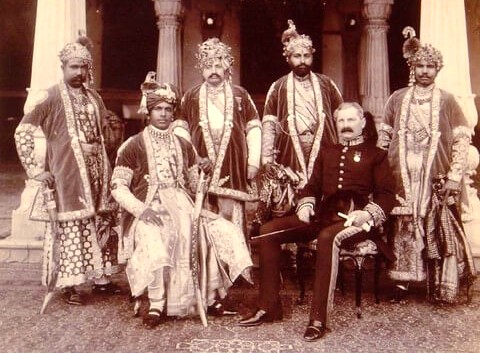
Marriage and women’s agency lay at the heart of Kachwaha power. A crucial union came when Raja Bharmal of Amber married his daughter Harkha Bai (often known later as Mariam-uz-Zamani) to the Mughal emperor Akbar in 1562 CE. This alliance opened enduring ties with the Mughal court, giving Kachwaha chiefs high ranks and mansabs. Royal women managed extensive estates, patronized temples and mosques, and oversaw palace households. Princes like Man Singh I, born into this intertwined Rajput-Mughal network, grew up in courts where Persian and Sanskrit learning met. Children moved between hill fort courtyards, Mughal campaigns, and lessons in statecraft, weaving two dynastic worlds together.
Shrines, Processions, And Faith
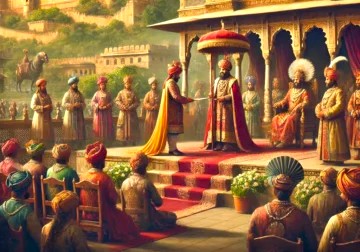
Religious life in Kachwaha domains blended Rajput devotion with broader Vaishnav and Shaiva currents. Amber’s rulers supported temples to Shiva, Kali, and especially Krishna and Rama, while also funding Jain shrines and, under Mughal influence, respecting imperial mosques. Daily practice included household lamp lighting, offerings of flowers and grains, and recitation of hymns. Royal processions carried deities through town streets on festival days, watched by soldiers, merchants, and commoners alike. Spiritual teachers such as the Gaudiya Vaishnava saint Chaitanya’s followers and later Ramanandi leaders influenced court piety. Faith shaped oaths before war, rules of hospitality, and the settlement of disputes in village councils and palace halls. Kachwaha Dynasty Rajasthan India
Water In A Harsh Land
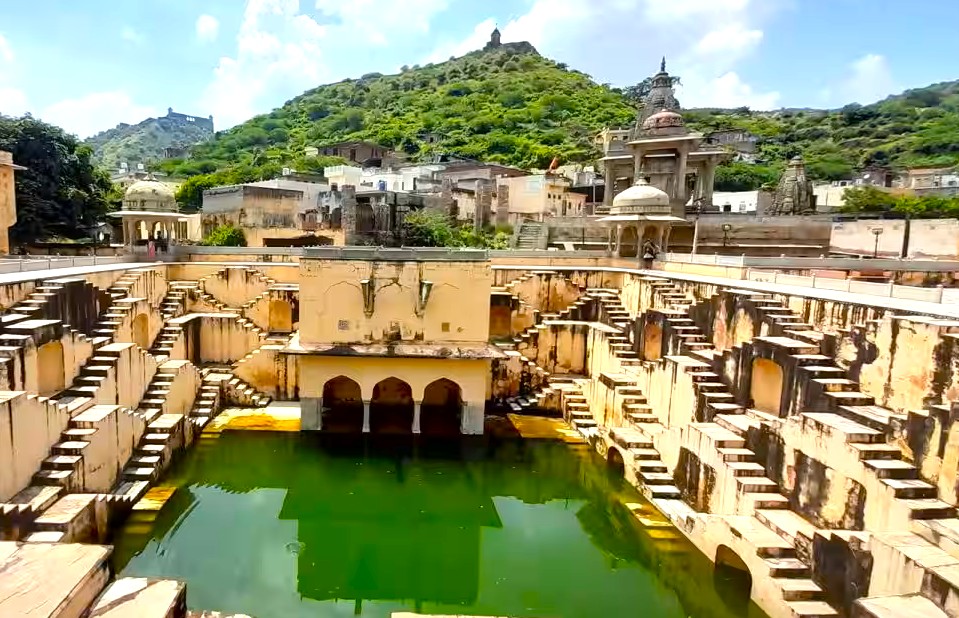
In a semi-arid region, water systems decided survival. At Amber, Maota Lake was created and expanded through dams at the base of the hill, likely taking form in early medieval centuries and improved under Man Singh I around the late 16th century. Stepwells, tanks, and channels captured monsoon rain, feeding drinking needs and gardens. When Jaipur was founded later, Jai Singh II laid out streets and houses aligned with wells and canals drawing from hills around Nahargarh. Careful pond maintenance and strict rules on tank use helped keep populations stable even in dry years. Rituals to rain deities and nagas reflected constant awareness that one failed monsoon could undo careful planning.
Kitchens Of Amber And Jaipur
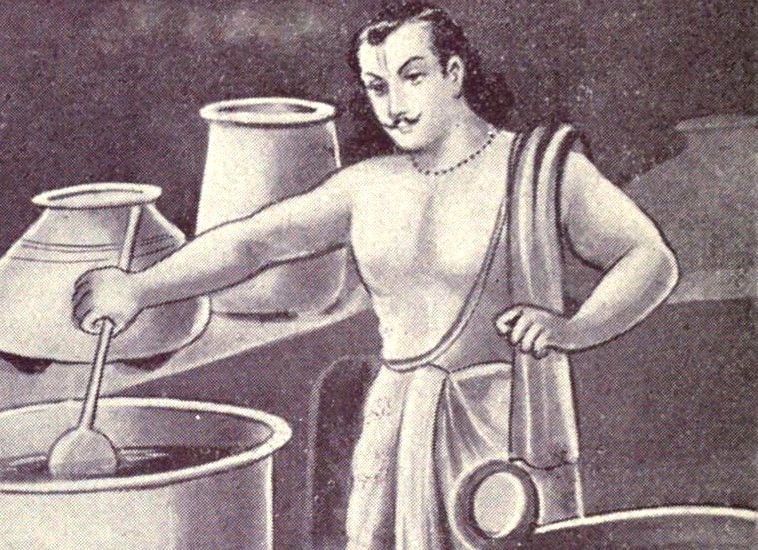
Royal and common kitchens in Kachwaha lands developed a rich but practical food culture. Wheat and barley from surrounding fields formed daily rotis, while millets like bajra sustained poorer households and soldiers. Ghee, yogurt, and buttermilk balanced the dry climate. Meat, particularly goat and game, was consumed in palaces and by warriors, cooked in spiced gravies and slow-roasted dishes. Large quantities of rice, sweets made from milk and sugar, and savory snacks were prepared for festivals and state banquets. Spices such as cumin, coriander, cloves, and cardamom traveled in via trade from Gujarat and the Deccan, giving court cuisine a wide flavor palette grounded in local grains.
Trade Roads Through Desert Light
Kachwaha territories sat along important trade lines connecting Delhi, Agra, Gujarat’s ports, and later central India. Caravans carried cotton textiles, opium, spices, metalware, and horses through passes near Amber and down towards Ajmer and beyond. Market towns under Kachwaha control collected transit taxes and provided sarais for merchants. Alliance with the Mughals further integrated Amber and later Jaipur into imperial supply chains, sending Rajput contingents to distant campaigns and receiving goods in return. These routes also brought scholars, Sufi saints, and craftsmen into the region, contributing skills in stone carving, astronomy, and textile work that the dynasty used in forts, observatories, and royal workshops. Kachwaha Dynasty Rajasthan India
Medicines, Herbs, And Court Physicians
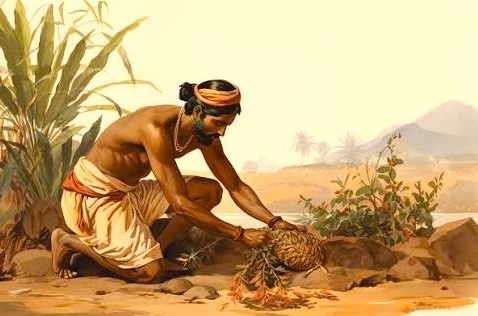
Medicine in Kachwaha domains combined Ayurveda, Unani influences from the Mughal world, and local desert plant knowledge. Court vaidyas relied on classical Sanskrit texts, using preparations with ashwagandha, shatavari, guggul, and amla to treat weakness, joint pain, and digestive issues. Unani hakims, often Persian- or Arabic-trained, prescribed compound syrups and mineral-based remedies. Simple herbs like neem, tulsi, and aloe were common household treatments for skin problems and fevers. Midwives handled childbirth, using oil massages and dietary rules for mothers. In Amber and Jaipur, small dispensaries near temples and mosques offered decoctions to the poor, while detailed case notes circulated among elite physicians.
Battles In Aravalli Shadows
The Kachwaha dynasty’s rise and survival depended on its record in battle. Dulha Rai and his successors fought Meena chiefs and rival Rajput houses to hold Dausa and then Amber in the 11th–13th centuries. In the 16th century, Raja Man Singh I served Akbar and Jahangir, leading Mughal forces at the Battle of Haldighati against Maharana Pratap in 1576, where the Mughal-Kachwaha side claimed tactical victory though Rajput resistance continued. Later, Kachwaha rulers faced Maratha raids and shifted Mughal authority. Each battle altered revenue rights, marriage alliances, and soldier numbers, while village populations felt the strain of recruitment and post-war tax demands.
Founding The City Of Jaipur
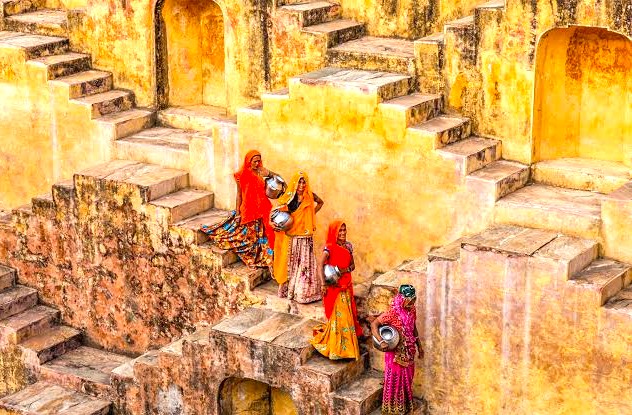
Maharaja Sawai Jai Singh II moved the capital from crowded, hilly Amber to a planned city on the plains, founding Jaipur in 1727 CE. Located about eleven kilometers southeast of Amber, Jaipur was laid out on a grid influenced by principles from the “Shilpa Shastras” and Jai Singh’s own astronomical interests. Main roads, markets, and residential quarters were arranged with attention to cardinal directions and caste-based neighborhoods. Protective ramparts and gates encircled the town, while water came from wells, stepwells, and channels linked to hills and tanks. The population grew steadily as artisans, traders, and officials relocated from Amber, giving the dynasty a new, spacious stage. Kachwaha Dynasty Rajasthan India
Festivals Of Color And Devotion
Festivals anchored social and spiritual life under Kachwaha rule. Holi, usually in March, brought color throwing, music, and distribution of sweets across Amber and Jaipur’s streets and courtyards. Diwali, in October or November, filled palaces and bazars with lamps, as business accounts were ritually closed and reopened for the new year. At Amber and later Jaipur, Dussehra saw weapon worship and royal processions marking the end of the monsoon campaign season. Navratri in spring and autumn honored the goddess with dances and offerings. Exact dates shifted with the lunar calendar, but together these festivals structured the year and tied royal households to their subjects.
Royal Days In Sandstone Halls
Daily life for Kachwaha rulers mixed duty and ritual. Kings rose before sunrise for ablutions, prayers to personal deities, and sometimes brief readings from sacred texts. Morning durbars heard petitions, legal disputes, and military reports. Queens managed inner quarters, textile production, and education of younger princes and princesses. Children learned swordplay, horse riding, poetry, and political history from tutors. Midday meals brought together extended family, while evenings featured music, discussion with scholars, and sometimes astronomical observations under Jai Singh II. Behind these scenes, scribes, cooks, guards, and grooms kept the machinery of court life running in a rhythm honed over generations. Kachwaha Dynasty Rajasthan India
Decline And Successors Of Kachwaha Rule
By the late 18th century, the Kachwaha state at Jaipur faced financial strain, Maratha influence, and the weakening of Mughal central power. Treaties with the British East India Company in the early 19th century turned Jaipur into a princely state under colonial paramountcy, preserving nominal rule while shifting real authority. Populations grew, trade patterns changed, and new administrative systems appeared. After Indian independence in 1947, princely privileges ended, and Jaipur merged into the state of Rajasthan in 1949, formally ending sovereign Kachwaha rule. The dynasty’s forts, city plan, and family continue as cultural and political influences, but the old structure of Rajput monarchy has been replaced by democratic government and urban expansion.
Step Inside The Story - View All Tour Itineraries & Details
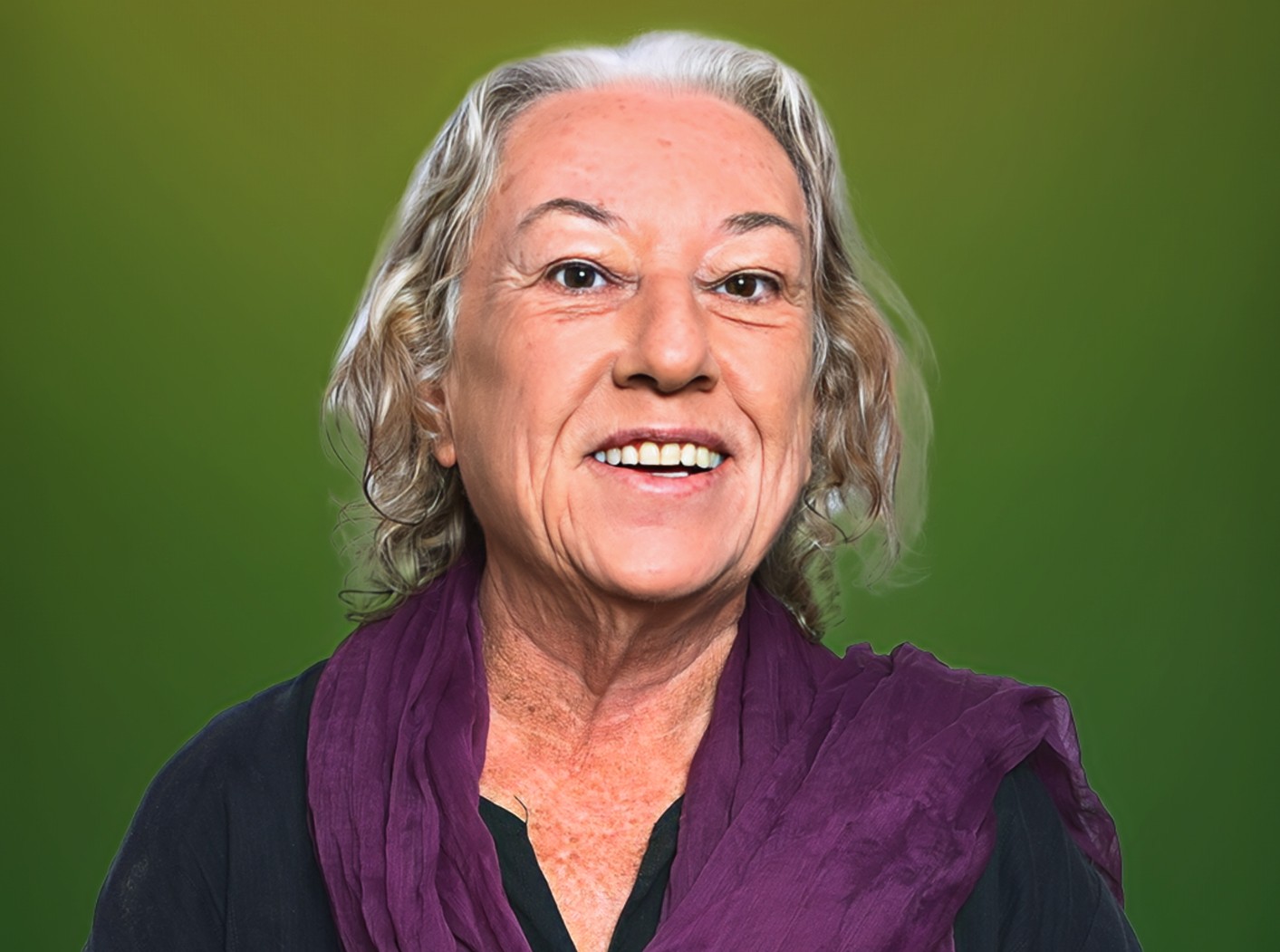
We’re here to offer genuine, thoughtful guidance if your interested in travelling to India. As a small, dedicated team, we pay close attention to every detail so you can focus on enjoying the experience while we take care of the planning. We believe the best trips begin when someone truly listens to what you want and how you like to travel, so the journey feels right for you and contributes to a happy, positive group on tour. Our communication stays clear, straightforward, and respectful at every step, with the goal of helping you feel understood, supported, and confident from first contact to the end of your journey.
Click Catherine Frith - About The Founder
Click Discover Life Travel - All Tours and More
Click Why We Are Different - Unique, Safe, Transparent