
Desert Odysee Tour Rajasthan - India
Jaswant Thada Jodhpur
Mother Masala Tours
Sunlit White Memorial Palace
A beautiful royal cenotaph built in 1899 in memory of Maharaja Jaswant Singh II, who reigned between 1873 and 1895. As you explore this stunning memorial, you can appreciate how it embodies the enduring legacy of the Rathore Dynasty, which has shaped the history of this region for centuries. Maharaja Jaswant Singh II was a beloved ruler known for his dedication to the welfare of his subjects, and after his passing, his son, Maharaja Sardar Singh, commissioned this stunning marble edifice as a tribute to his father. Constructed from intricately carved white marble, this memorial is a prime example of the craftsmanship of the time. Jaswant Thada Jodhpur.
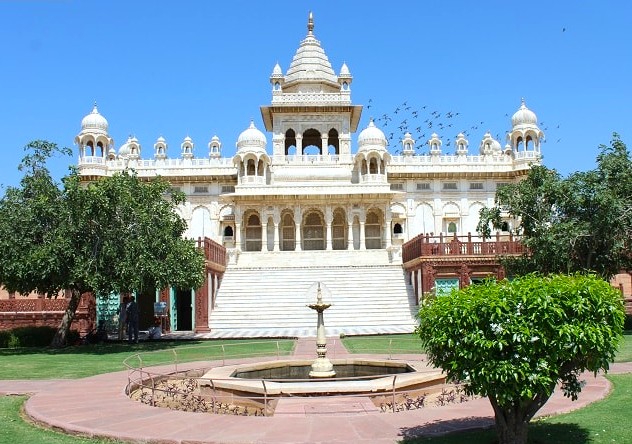
Jaswant Thada - Jodhpur: Timeless Artifacts
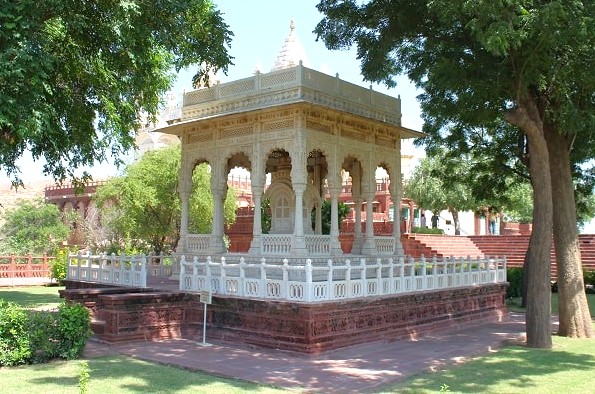
With an array of artifacts and architectural elements that echo the history of the Rathore Dynasty. The central domed structure houses intricate marble cenotaphs that honor Maharaja Jaswant Singh II and his ancestors. These cenotaphs are adorned with delicate carvings depicting floral motifs and geometric patterns, revealing the exquisite artistry of the artisans of that era. The peaceful atmosphere of the gardens surrounding the cenotaph enhances the sense of reverence in this sacred space.
Ancient Mosaics: Impeccable Craftsmanship
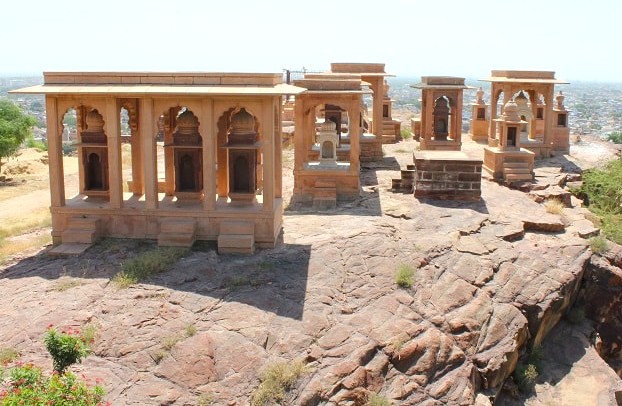
Jaswant exemplifies impeccable craftsmanship, marked by its stunning white marble structure that uniquely reflects light throughout the day. Constructed under the supervision of skilled artisans, the memorial features intricate jali work that emphasizes the attention to detail and the high level of expertise in stone carving prevalent during its construction in 1899. One notable feature is the use of Makrana marble, known for its purity and quality. Jaswant Thada Jodhpur.
The Pulse of the Local Community
The local community is characterized by warmth and hospitality. Residents take pride in their connection to this historical site, which stands as a symbol of their cultural heritage. The atmosphere here is peaceful, with many locals often visiting the gardens to unwind or reflect, enhancing their sense of belonging. You will notice how the locals are engaged in maintaining the beauty of the area, whether by gardening or sharing stories about the history of the site. Their deep-rooted connection to the cenotaph fosters a sense of unity and identity, enriching the overall experience for anyone who explores this space.
Capturing the Magic: A Photographic Haven
Jaswant Thada provides unparalleled opportunities to capture breathtaking photographs that emphasize its extraordinary architectural elegance. The intricate marble lattice, majestic domes, and impeccably landscaped gardens offer a picturesque setting that consistently draws photography enthusiasts from across the globe. As the sun moves, the shifting light gracefully enhances the profound serenity of this historic site, ensuring every single captured moment feels truly special. Beyond its physical beauty, the quiet atmosphere evokes a deep sense of peace.
Festivals of Devotion: Honouring the Sacred and the Divine
Several festivals throughout the year highlight the spiritual and cultural significance of Jodhpur, and Jaswant Thada often becomes a focal point during these celebrations. One prominent event is Makar Sankranti, celebrated in mid-January, which marks the transition of the sun into the zodiac sign of Capricorn. Locals gather at various temples, including those near the cenotaph, to pay respects and partake in traditional feasting. Another celebration is Diwali, the Festival of Lights, which typically falls in October or November. During this time, the community engages in rituals that honor the deities, lighting lamps and decorating homes. Jaswant Thada Jodhpur.
The Connection with the Gods

This site remains deeply intertwined with the spiritual practices of Jodhpur’s people. One prominent deity associated with the location is Maa Durga, who represents supreme strength and protection. Local traditions involve invoking her divine blessings during sacred ceremonies and festivals held around the cenotaph. Legends recount how Maharaja Jaswant Singh II was known for his profound devotion to the goddess, believing her presence provided essential guidance in matters of state and governance.
Ancient Technologies: Sacred Sound, Geometry & Astrological Influences
The design elements of Jaswant reflect a deep understanding of ancient principles, including the utilization of sacred geometry in its construction. The harmonious interplay of space and light within the cenotaph allows for a serene atmosphere that promotes reflection and peace. While exploring these connections, we discover the influence of Solfeggio frequencies, specifically 432 Hz, known for its ability to promote a sense of calm and harmony within a space. Jaswant Thada Jodhpur.
Serendipitous Meetings: Beyond the Main Path

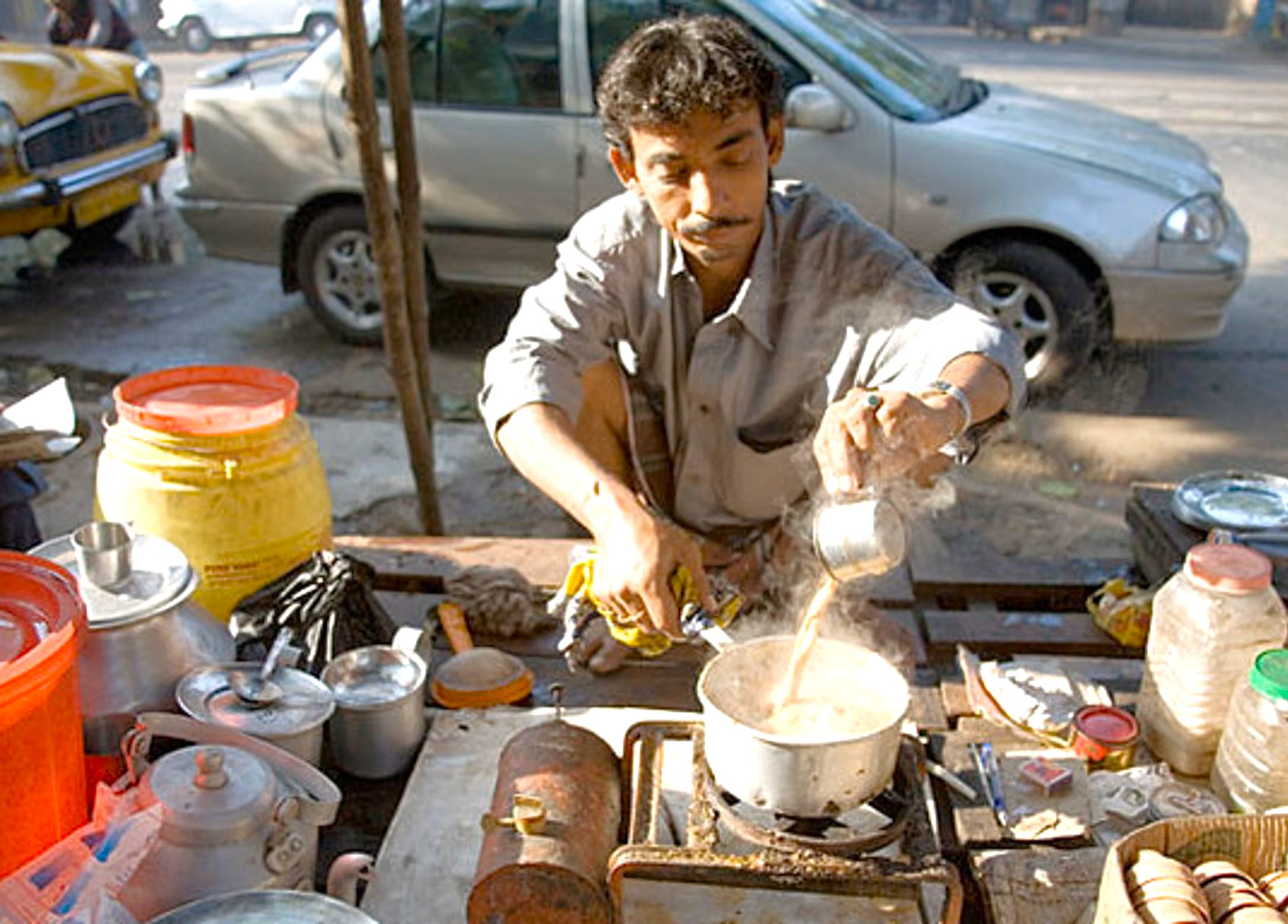
Walking the surrounding areas can lead to the best discoveries. The nearby lanes are filled with local artisans who create beautiful handicrafts, textiles, and jewelry. As you take our time exploring, we might find pottery workshops where traditional techniques are still used, giving us a glimpse into the artistry that has defined the region for generations. You can also come across small cafes and tea stalls offering local refreshments, along with friendly shopkeepers willing to share stories about their crafts and heritage.
Urban Legends: Strange Sightings, Myths and Mysteries
Jaswant is entwined with various local legends that add a layer of intrigue to its history. One tale involves sightings of apparitions said to be the spirits of the royal family, believed to wander the grounds during the night. Locals share stories of glimpsing shadowy figures moving gracefully through the gardens, particularly on moonlit nights, further enhancing the mystical allure of the cenotaph. Another legend speaks of a hidden treasure that was supposedly buried alongside Maharaja Jaswant Singh II’s remains. This treasure is said to include precious artifacts and jewels, which, according to local lore, were intended to be offered to the Goddess Durga.
Resilience and Renewal: Overcoming Adversity’s Challenges
One significant event occurred in 1946 when a violent flood swept through parts of Jodhpur, significantly affecting several local communities. The royal complex, including the memorial, suffered damage, but the local populace banded together for restoration efforts, strengthening community ties in the process. Another notable moment in history was during the Sepoy Mutiny in 1857, when unrest swept across parts of India. Jodhpur, having been a princely state, largely maintained stability.
Enter a Realm of Legends - Experience the Extraordinary
We invite you to join us in discovering the profound cultural heritage that defines this exceptional site. We will walk through its beautifully landscaped gardens, admire the intricate marble carvings, and learn about the legacy of the Rathore Dynasty that continues to shape the area today. Engaging with the local customs and culinary delights will enhance your experience, allowing you to connect with the community. Let’s immerse ourselves in the stories and traditions that have made this memorial a cherished part of Jodhpur’s identity.
Symphony of Generosity: Offerings from Wanderers to Residents
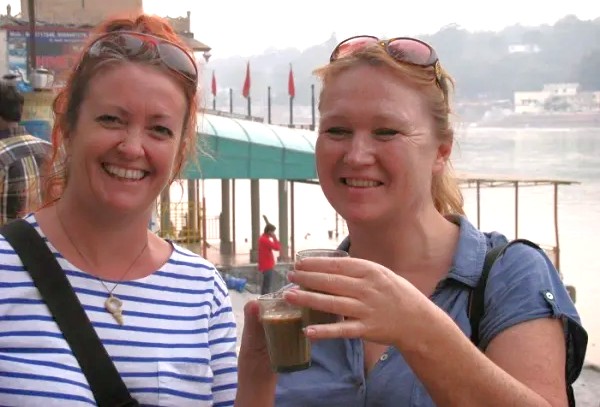
The relationship between the local community and those who come to explore creates a meaningful exchange of culture and experience. Locals benefit from the increased interest and commerce received from people visiting the site, while travelers gain valuable insights into the traditions and craftsmanship that characterize this unique location. This mutual respect nurtures an atmosphere of generosity and hospitality, where handcrafted items, delicious local cuisine, and cultural experiences are shared as part of a vibrant community.
Step Inside The Story - View All Tour Itineraries & Details

We’re here to offer genuine, thoughtful guidance if your interested in travelling to India. As a small, dedicated team, we pay close attention to every detail so you can focus on enjoying the experience while we take care of the planning. We believe the best trips begin when someone truly listens to what you want and how you like to travel, so the journey feels right for you and contributes to a happy, positive group on tour. Our communication stays clear, straightforward, and respectful at every step, with the goal of helping you feel understood, supported, and confident from first contact to the end of your journey.
Click Catherine Frith - About The Founder
Click Discover Life Travel - All Tours and More
Click Why We Are Different - Unique, Safe, Transparent