Unique Insights Into The Indian Railways
The Indian Railway
Discover Life Travel
Beginnings to Brilliance
The Indian Railways, established in 1853, began its journey with a modest 34-kilometer track from Bombay (now Mumbai) to Thane. This historic ride, pulled by three steam engines named Sahib, Sindh, and Sultan, marked the beginning of a transformative era in transportation across the Indian subcontinent. Over the decades, the network expanded exponentially, making significant contributions to the country’s economy and unity. Today, it spans over 67,368 kilometers of track and includes 7,349 stations, carrying more than 23 million passengers daily. Indian Railways stands as a symbol of progress, resilience, and the intricate tapestry of India's social and cultural fabric, unifying diverse regions under a singular, expansive network. Indian Railway Journeys
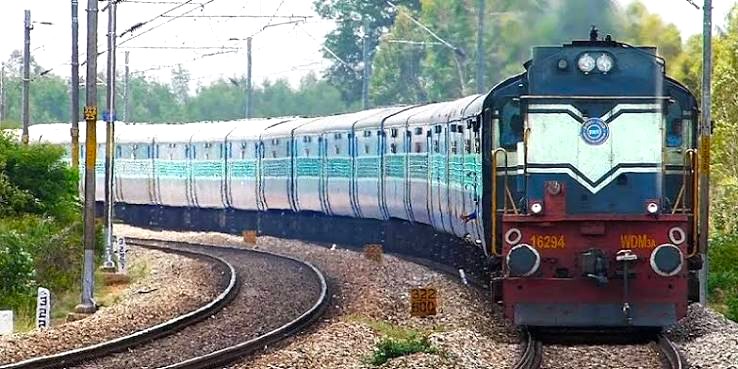
Heritage Locomotives: Indian Railway Journeys
The Fairy Queen, one of the world’s oldest working steam locomotives, still operates in India, pulling a heritage train from Delhi to Rewari. It's a living museum, offering a nostalgic trip back in time to the days when steam engines were the primary mode of railway transport. These unique features highlight the diverse and rich offerings of Indian Railways, from luxurious to historical, scenic to modern, catering to a wide range of interests and preferences.
Local Vendors and Artisans
At railway stations across India, local vendors and artisans offer a plethora of regional delicacies and handmade goods. For instance, at Howrah Station in West Bengal, travelers can indulge in traditional Bengali sweets like rasgulla and sandesh. The Ajmer station in Rajasthan is famous for its kachoris and lassis, providing a taste of local cuisine to travelers passing through. Indian Railway Journeys
Festivals and Celebrations
The railways also play a significant role during festivals. During Diwali, Holi, and Eid, trains are often decorated with colorful lights and flowers. Passengers share festive treats and engage in songs and dances, turning a simple train journey into a celebration on wheels. For example, during the Durga Puja festival in West Bengal, trains are packed with families returning home, and the festive spirit is palpable, with travelers sharing sweets and good wishes.
Cultural Exchange
Train journeys in India are a melting pot of cultures, where people from different backgrounds interact and share their stories. It’s common to see passengers exchanging regional foods, teaching each other local languages. This cultural exchange enriches the travel experience, providing a deeper understanding of India's diversity.
Darjeeling Himalayan Railway
The Darjeeling Himalayan Railway, or the "Toy Train," is a narrow-gauge railway that winds through the mountains of West Bengal. It’s a UNESCO World Heritage site and a feat of 19th-century engineering, known for its tight curves and steep gradients. The train ride offers breathtaking views of the Himalayas, tea plantations, and quaint hill towns, making it a favorite among tourists and railway enthusiasts alike.
Chhatrapati Shivaji Maharaj Terminus
In Mumbai, the Chhatrapati Shivaji Maharaj Terminus, a UNESCO World Heritage site, is an architectural masterpiece. Its Victorian Gothic design, combined with traditional Indian elements, provides a stunning backdrop for photos. The bustling activity of the station, with its intricate details and grand halls, offers a perfect blend of old and new.
Konkan Railway
The Konkan Railway route is a dream for landscape photographers. As the train winds along the western coast, it passes through lush greenery, sparkling rivers, and deep tunnels. The coastal views, especially during sunrise and sunset, create picturesque scenes that are perfect for capturing the essence of India’s natural beauty. Indian Railway Journeys
Nilgiri Mountain Railway
The Nilgiri Mountain Railway offers some of the most scenic vistas in India. The train climbs through misty forests, tea plantations, and rugged mountains, presenting photographers with continually changing and captivating landscapes. Its quaint blue and cream carriages, against the backdrop of verdant hills, make for enchanting photographs.
Varanasi Junction
The spiritual heart of India, photographers can capture emotional and evocative scenes. The station is often filled with pilgrims, sadhus (holy men), and travelers from all walks of life, creating rich, textured images of spirituality and devotion.
Religious Rhythms
Stations and trains often have spaces and amenities catering to spiritual needs. Major stations like New Delhi and Mumbai have prayer rooms for Muslims, while others close to significant temples have amenities for Hindu rituals. Buddhist monks traveling to Bodh Gaya, the site of Buddha’s enlightenment, are a common sight on specific trains, reflecting the railways' role in spiritual journeys.
Urban Myths: Enigmatic Stories
The Rabindra Sarobar station in Kolkata is arguably India’s most haunted transit point. Commuters frequently report seeing shadowy figures vanish into the tracks during the final late-night trains, leading locals to call it the "Paradise of Suicides." Further north, the Naini Railway Station near Prayagraj is steeped in tragic lore. Legend claims the restless spirits of freedom fighters, subjected to brutal treatment in the nearby Naini Jail during the British Raj, still haunt the platforms at night. Disembodied wailing and flickering spectral lights are often reported by weary travelers, cementing its reputation as a site where history and the supernatural collide.
Engineering Feats
The heritage steam locomotive Fairy Queen, operational since 1855, exemplifies the use of ancient engineering techniques blended with modern repairs and maintenance. It remains one of the oldest functioning steam engines, combining historical craftsmanship with modern engineering solutions to keep it running. Indian Railway Journeys
The Role of Vastu Shastra, Astrology, and Sacred Geometry
Indian Railways seamlessly blends ancient practices like Vastu Shastra, astrology, and sacred geometry with modern engineering. Many heritage stations use Vastu principles to ensure harmonic layouts, while astrological guidance determines auspicious timings for key events like inaugurations. Sacred geometry is evident in the symmetric, aesthetically appealing designs, enhancing both structural stability and passenger flow. For example, the Chhatrapati Shivaji Maharaj Terminus in Mumbai combines these traditional principles with modern Gothic architecture. This integration honors India's rich cultural heritage while ensuring efficient and pleasant travel experiences, creating a unique network that's both spiritually and functionally resonant.
Traditional Material Use
In several older stations, you'll find the use of traditional materials like red sandstone, which is known for its durability and thermal properties. These materials were chosen not just for their aesthetics but because they naturally regulate temperature, keeping the environment cool during hot months. These elements highlight the integration of ancient wisdom with contemporary engineering, creating a unique blend that defines the Indian Railways' expansive and intricate network.
Traditional Craftsmanship
Old railway carriages and stations often showcase traditional craftsmanship, such as intricate woodwork and stone carving. These techniques, passed down through generations, highlight the rich heritage of Indian artisans and their contribution to railway infrastructure. These elements of ancient technologies, astrology, and sacred geometry highlight a deeper layer of India's railway network, where tradition and modernity coexist in a seamless blend, creating both functional and spiritually enriched spaces. Indian Railway Journeys
Luxurious Escapes
Travel in the lap of luxury aboard the Maharajas' Express, where you can enjoy opulent settings, gourmet dining, and personalized service while exploring the rich cultural heritage of Rajasthan. This journey offers a glimpse into the regal life of Indian royalty, with visits to grand palaces, historic forts, and vibrant markets.
Scenic Journeys
Experience the scenic beauty of the Indian landscape aboard the Darjeeling Himalayan Railway or the Nilgiri Mountain Railway. Traverse through misty forests, rolling tea plantations, and lofty mountains, capturing breathtaking vistas and tranquil moments along the way.
Historical Adventures
Step back in time with a ride on the Fairy Queen, the world’s oldest functional steam engine, offering a journey through history from Delhi to Rewari. This heritage trip provides a nostalgic experience, blending historical charm with the rugged beauty of the countryside.
Step Inside The Story - View All Tour Itineraries & Details

We’re here to offer genuine, thoughtful guidance if your interested in travelling to India. As a small, dedicated team, we pay close attention to every detail so you can focus on enjoying the experience while we take care of the planning. We believe the best trips begin when someone truly listens to what you want and how you like to travel, so the journey feels right for you and contributes to a happy, positive group on tour. Our communication stays clear, straightforward, and respectful at every step, with the goal of helping you feel understood, supported, and confident from first contact to the end of your journey.
Click Catherine Frith - About The Founder
Click Discover Life Travel - All Tours and More
Click Why We Are Different - Unique, Safe, Transparent