The Silver Nomad
India Travel Tips: Transport
Discover Life Travel
The Rhythm of the Road: Navigating India’s Transport Landscape
I have travelled India on just about every form of transport going - trains, tuk tuks, jeeps, boats, domestic flights, and a few things in between. Some are better than others depending on where you are heading and what you want to see along the way. What I have learned over forty years is that moving through India is never just logistics - it is part of the experience itself. India Travel Tips Transport
Private Cars + Driver: India Travel Tips Transport
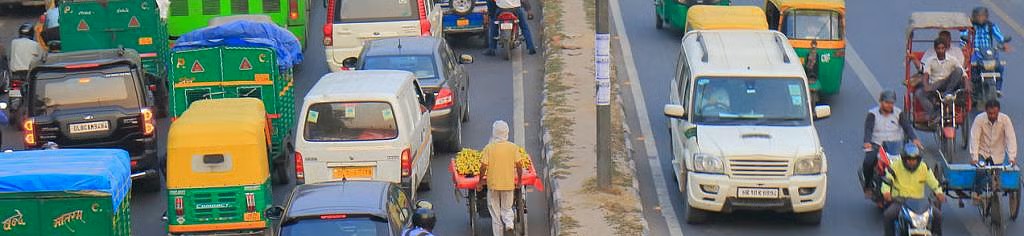
In India a good driver is everything. They know the shortcuts, where to stop for the best chai, and how to get you there safely. Travel at your own pace, stop when something catches your eye. Having the same driver for several days leads to the most unexpected and wonderful moments.
Pros
- Complete flexibility - stop when you want, change plans on the fly
- Air conditioned comfort in the Indian heat
- Your driver becomes a guide, a fixer, and often a friend
- Door to door - no transfers, no waiting around
- Luggage stays in the vehicle - no hauling bags through stations
- Private means the vehicle is yours alone
Cons
- Traffic in cities like Bangalore and Kochi can add significant time
- Road quality varies enormously between states
- Less immersive than train travel for seeing the countryside
- Higher cost than shared or public transport
- In busy city streets, tuk tuks and motorbikes weave through gaps a car simply cannot reach
- Some drivers could do better. Talking on their mobile while driving, and dangerous curve overtaking. However, when I've been in this situation-I have a quiet word and all is usually well after that. Dont be afraid to speak up
My Take: For covering this much ground comfortably, private vehicles make sense for most of the journey. The one exception is the Delhi to Agra leg - the train wins hands down there. India Travel Tips Transport
The Rail Network: The Arteries of the Nation

India's rail network is the country's heartbeat - over 135,207 km of track, the fourth largest in the world. From the modern Vande Bharat expresses to legendary long distance trains, the journey itself becomes part of the experience.
Classes Available
- First AC - private cabins, the most comfortable
- Second AC - curtained berths, very comfortable for overnight journeys
- Third AC - open berths, perfectly fine and popular with experienced travellers
- Sleeper class - basic but authentic, the way most Indians travel
- General class - no reservations, no frills, just you and the locals. Chaotic, crowded, and one of the most real experiences India has to offer
Pros
- Scenic and immersive - the landscape unfolds outside your window
- Sleeper trains cover vast distances overnight, saving both time and a night's accommodation
- A genuine slice of Indian life
- Paying porters to carry luggage
Cons
- Booking in advance is essential - seats sell out fast
- Delays happen
- Stations can be overwhelming first time around, many stations have no esculators - climing stairs with a sutcase can be an issue!
My Take: I have been on every class of train in India and each one tells you something different about this country. For long distance overnight journeys Second AC is my choice every time - comfortable, good value, and there is something wonderful about watching the Indian landscape change through the window as you travel. India Travel Tips Transport
Bus Travel: India's Most Overlooked Way to Travel
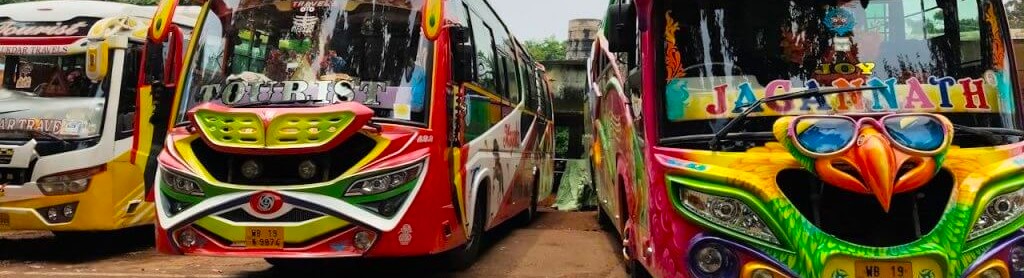
India's buses range from the surprisingly comfortable to the wonderfully chaotic. Deluxe AC coaches connect the major hubs in comfort, sleeper buses handle the long overnight hauls, and government buses take you straight into the heart of local life. There is a bus for every mood and every budget.
Types available
- Deluxe AC buses - air conditioned, comfortable seating, good for longer journeys between major cities
- Sleeper buses - reclining or flat beds for overnight routes.
- Government buses - basic, cheap, and packed with local life
- Local town buses - the real India, standing room only, goes everywhere
Pros
- Reach places the train simply cannot
- Government and local buses are incredibly cheap
- Sleeper buses are a practical overnight option
- Watching India go by from a bus window is an experience in itself
Cons
- Comfort varies enormously depending on the operator
- Journey times can be long and roads unpredictable
- AC on cheaper buses is sometimes more of a suggestion than a reality
- Sleeper Buses - they are a bit rough, you wont sleep
My Take: I have taken buses across India since 1984 and I still enjoy them. For reaching hill stations like Ooty and Kodaikanal where the train has limits, a good deluxe bus is the practical choice. For a dose of real India, jump on a local government bus for an hour - you will learn more about this country in that time than any guidebook will ever tell you.
The Art of India’s Taxi Travel

India's taxi scene has transformed completely in the last decade. Uber and Ola now operate in every major city, making getting around easier than ever before. However, the classic prepaid taxi and the negotiated cab are still very much alive and part of the experience.
Types Available
- Uber and Ola - app based, metered, and popular in major cities
- Prepaid taxis - fixed price booths at airports and stations, always use these on arrival
- Local taxis - negotiated fare, agree the price before you get in
- Outstation taxis - hired by the day for longer journeys, a great flexible option
Pros
- Prepaid booths at airports mean no haggling when you have just arrived
- Outstation hire gives you flexibility without the commitment of a full private vehicle
- Local negotiated cabs with a driver who knows every backstreet are often the best option of all
- Cheap compared to Western standards even at negotiated rates
Cons
- App drivers frequently cancel or simply do not show up
- Language barriers can make communication difficult
- Surge pricing during busy periods
- Night rates are significantly higher than daytime fares - always ask upfront which rate applies
My Take: Always agree the price before you get in - day rate, night rate, tolls, everything. A trusted local driver arranged in advance will serve you far better than any app, and a prepaid booth at the airport every single time. India Travel Tips Transport
Tuk Tuks: The Heartbeat of the Street
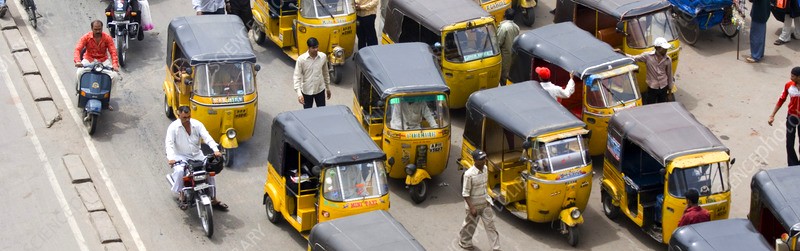
The tuk tuk is India's most iconic way to get around and for short city journeys nothing beats them. Three wheels, open sides, and a driver who will weave through gaps you would not believe possible.
Types Available
- Auto rickshaws - the classic tuk tuk, everywhere across India
- E-rickshaws - electric, quieter, increasingly common in city centres
- Shared autos - fixed routes, multiple passengers, incredibly cheap
Pros
- Get you places no car or taxi can reach
- Cheap, fast and available on every corner
- Open sides mean you see, hear and feel India around you
- Shared autos are one of the most authentic local experiences you can have
Cons
- Meters are rarely used - always negotiate the fare upfront
- Night rates are higher, agree before you get in
- No air conditioning - in peak summer heat this matters
- Luggage space is limited, 25kg cases can do - little squashy
- Drivers will sometimes take the longer route if they think you do not know the area
- They are not the safest vehicle on the road - I have been involved in six minor accidents over the years and I still get in them
My Take: I love a tuk tuk. For short hops through busy city streets they are unbeatable. Agree your price upfront, hold on, and enjoy every second of it - this is India at its most vivid. India Travel Tips Transport
The Classic Three-Wheeler Cycle Rickshaws
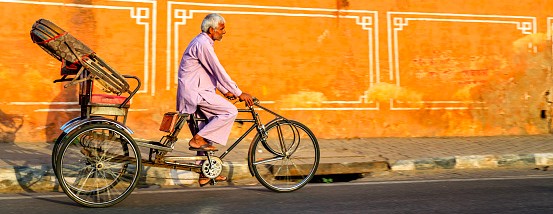
The cycle rickshaw is exactly what it looks like - a man pedalling you and your bags through the streets on a three wheeler. Yes it looks like hard work. Yes it is. Many tourists feel uncomfortable and wave them away - I would ask you to reconsider.
For drivers this is their only livelihood. By climbing on board you are not adding to their burden - you are giving them exactly what they need. When you arrive give them a generous tip.
Pros
- Reaches narrow lanes and old city areas nothing else can
- Slow enough to actually see where you are going
- A direct and meaningful exchange with a local working person
- Cheap, reliable and always available in the right areas
Cons
- Slow compared to auto rickshaws
- Limited to flatter city areas - hills are a different matter
- No protection from sun or rain
My Take: Take the cycle rickshaw, tip well, and look them in the eye when you thank them. One of the most human moments you will have in India. India Travel Tips Transport

Embracing these smart habits ensures your journey through the subcontinent is as smooth as it is soul-stirring. By taking care of the logistics early, you clear the way for what really matters: the late-afternoon light hitting ancient temple stones, the scent of fresh tea in the hills, and the meaningful connections you will make along the way. These preparations are about empowering your journey, giving yourself the gift of a truly immersive and serene adventure. Enjoy every moment of your incredible exploration!
When you're ready to explore further, Discover Life Travel is your starting point - tours, itineraries, and everything in between. Prefer to know who's behind it all first? We think that's a great instinct - meet Catherine - as knowing who's in your corner makes all the difference.
The Silver Nomad - Catherine Frith
Click Catherine Frith - About The Founder
Click Discover Life Travel - All tours and more