
Arc Of The East Tour India
Happy Valley Tea Plantation: Darjeeling - India
Mother Masala Tours
Timeless Traditions Steeped in High-Altitude Mist
Happy Valley Tea Estate is located on the Lebong Cart Road in Darjeeling, West Bengal. The name originally refers to the "Happy Valley" which was established in 1854 by the British pioneer, David Wilson. Your journey through its history begins with the British East India Company, acting as the ruling dynasty, who initiated the tea industry here in the mid-19th century. In 1903, the estate was finalized and expanded under the ownership of Tarapada Banerjee, a local aristocrat. Today, the population of 1,500 residents in the surrounding worker village lives amidst the legacy of these 19th-century bushes. The primary factory edifice and drying rooms were completed in 1854, providing a sturdy, brick-laden framework for the community. Happy Valley Tea Plantation Darjeeling India.
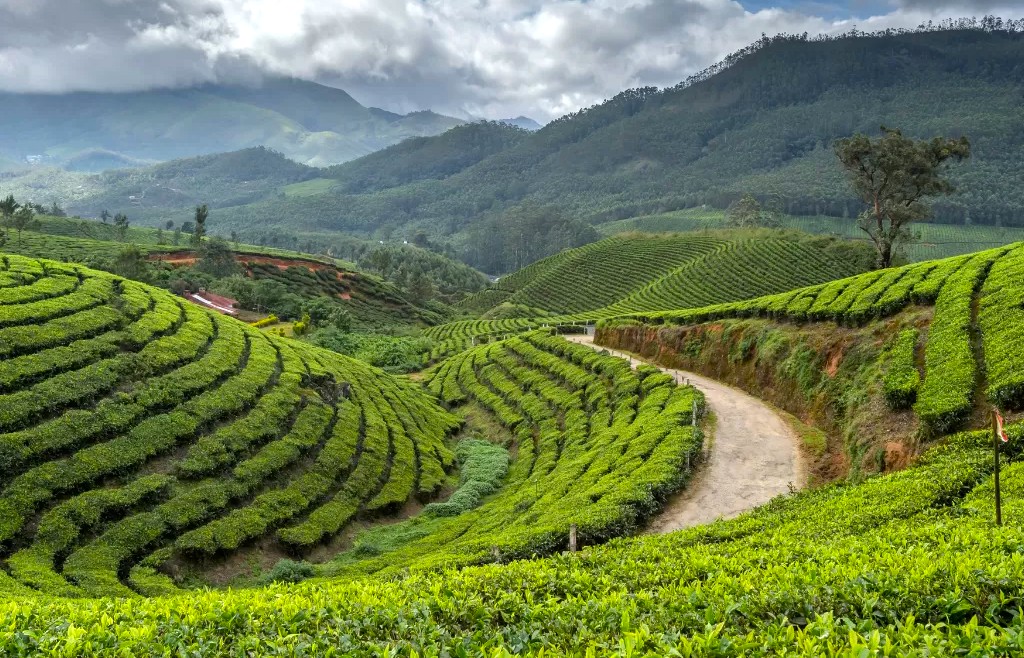
Timeless Artifacts: Happy Valley Tea Plantation: Darjeeling - India
Your walk takes you toward the main processing unit, an edifice finalized in 1854. It holds a collection of unique 19th-century iron rolling machines that belong only to this specific location. You will see the original leather belts and brass fittings from the 1903 expansion. These items exist only in this specific district, separated from the wider city by their distinct industrial composition. The atmosphere is peaceful, allowing for a view of the original 19th-century ledger books detailing the first harvests. The structure provides a restful environment where history feels tangible. Your experience is transfixed by these items, which remain in their original setting.
Ancient Mosaics: Impeccable Craftsmanship
Houses an 1854 tasting room where the floor serves as a masterpiece of local craftsmanship. Exquisite stonework, designed by master Gorkha artisans under the leadership of Biraj Gurung, features a meticulous installation of fine mountain slate and smooth river stone. Visitors can observe intricate patterns composed of locally sourced grey stone and polished dark granite. The artistry is exceptionally refined, showcasing a sophisticated level of detail within the geometric borders that frame the space. Happy Valley Tea Plantation Darjeeling India.
The Pulse of the Local Community
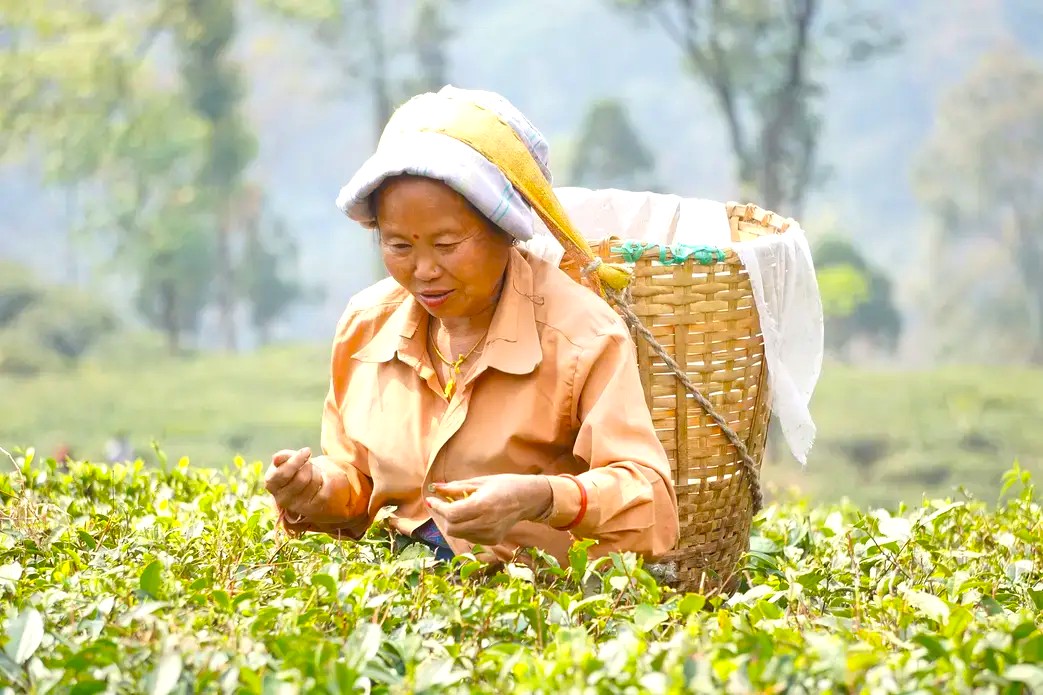
Locals start their day at 5:00 AM, engaged in the active trade of plucking tea leaves and processing. The daily life here is lively, with families gathered around the communal drying beds. A unique quality of the people is their skill in hand-sorting the "Golden Flowery Orange Pekoe," a tradition kept alive by the 1,500 residents and tea pluckers. A presence is welcomed with a relaxed smile while watching the energetic exchange of baskets. The community is occupied with maintaining their heritage homes, ensuring each structure stays upright. The mood is one of cooperation, where the people work together. This substantial bond creates a lively atmosphere that feels incredibly personal and real.
Capturing the Magic: A Photographic Haven
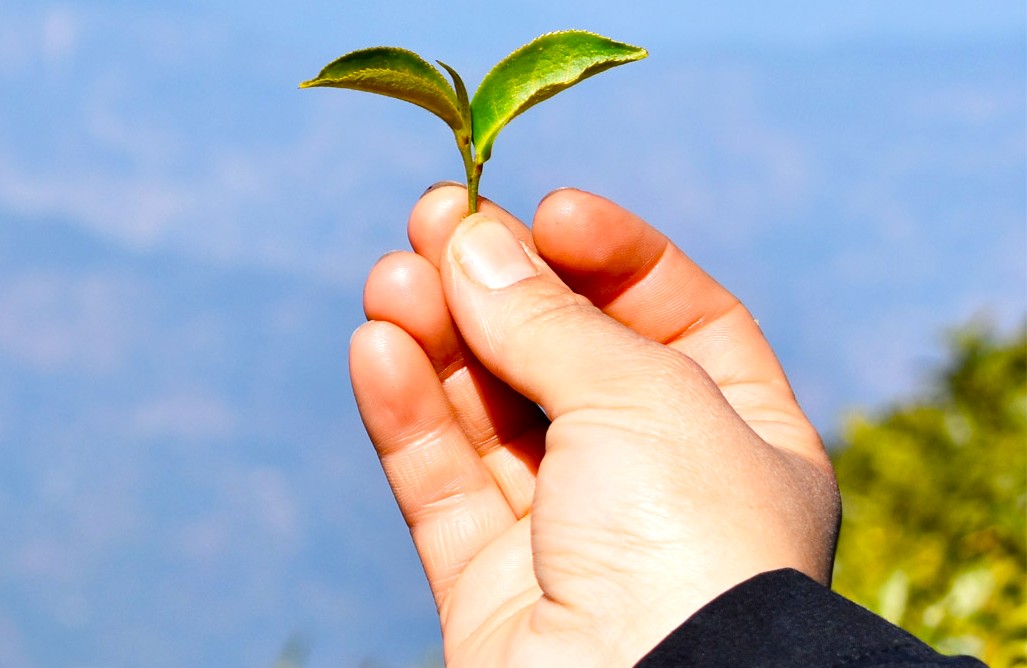
A stunning opportunity exists to photograph the emerald-green slopes against the Kanchenjunga peaks. These features are unique to the local mountain framework and create a spellbinding silhouette against the expansive sky. Professional lenses capture the exquisite textures of the weathered tea bushes and the ethereal, surrounding mist that frequently drifts across the landscape. This setting is magical for any collection, offering an incredible view of the historic district that leaves people mesmerized by the simple, raw beauty of the high hills.
A Culinary Journey: Savor the Flavour
The local specialty is the Darjeeling First Flush, a refined drink made using traditional porcelain pots. It is made from young tea buds and locally sourced mountain water. It became famous in the late 1800s when the estate perfected the "Champagne of Teas" category. The process involves slow-withering and light oxidation to achieve an elegant consistency. The taste is refined and the aroma is delicate. This drink is meaningful to the identity of the area, and palates are entranced by the classic warmth.
Festivals of Devotion: Honouring the Sacred and the Divine
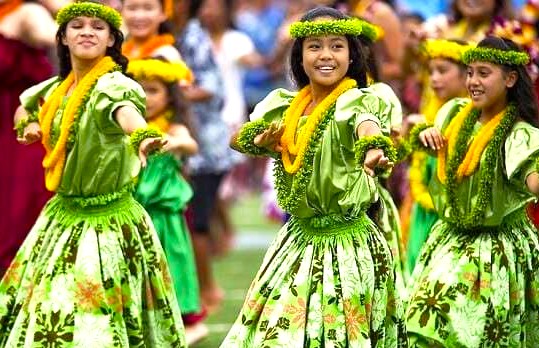
The Tea Harvest Festival is a vibrant annual celebration held in March, typically commencing with sacred rituals at 8:00 AM. This culturally significant event serves as a profound spiritual milestone, as the community gathers to celebrate the beginning of the season and seek divine protection for the 1,500 local residents. Central to the festivities are ceremonial pluckings led by the estate manager and the descendants of the original families, who preserve the ancestral lineage of the plantation. Happy Valley Tea Plantation Darjeeling India.
Ancient Technologies: Sacred Sound, Geometry & Astrological Influences
The factory construction uses high-density mountain stone and wood, which creates a specific acoustic phenomenon during the leaf-rolling process. Sound frequencies during the morning hours resonate at 528 Hz. This frequency is part of the Solfeggio scale and is known to create a sense of repair and health for people. The geometry of the drying rooms is a simple rectangle, a composition that aligns with the wind direction to focus energy. This structure creates healing frequencies through the precise alignment of the walls. The building materials are substantial, chosen for their ability to maintain a cool temperature.
The Connection With the Gods
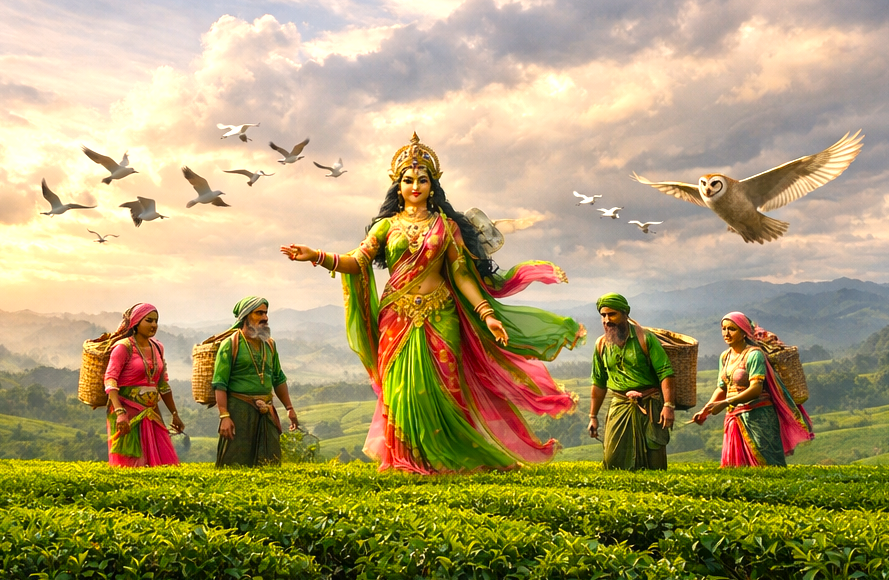
The local devotion centers on the deity Devi, who is revered as the mother of the mountains. Oral traditions shared by local elders claim the goddess appeared to the first planters, guiding them toward the fertile soil that sustains the region. In her honor, they constructed a small stone shrine near the factory, which remains a notable feature of local building design today. This connection is profoundly meaningful to the residents, who view the earth as a divine protector. The narrative is simple yet powerful, infusing the grounds with a mystical energy.
Serendipitous Meetings: Beyond the Main Path
Narrow lanes lead to small factories where craftsmen engage in hand-milling local grains. Artisans carve wooden chests for the tea, a practice located in the backrooms of old houses in the Lebong area. These unique findings are tucked away from the main road, offering a glimpse into an active world of manual labor. Encountering local weavers who use looms built decades ago is common. The experience is incredibly authentic, as people find themselves transfixed by the rhythmic sound of the tools. Happy Valley Tea Plantation Darjeeling India.
Resilience and Renewal: Overcoming Adversity’s Challenges
In 1934, a massive earthquake shook the Himalayan region, severely testing the original framework of the brick factory. In response, residents led by the Banerjee family committed substantial resources to reinforce the stone foundations, ensuring the structure’s future safety. This resilience was mirrored again during the 1970s when regional unrest threatened the local economy. The community organized immediate support to manage a sudden halt in trade, showcasing a miracle of human cooperation. These pivotal historical events shaped the local character, turning the 1,500 residents into active guardians of their own preservation.
Urban Legends: Strange Sightings, Myths and Mysteries
Local legend speaks of the "Golden Plucker" seen near the 1854 gates during the heavy winter mist. Stories from the local residents mention a glowing figure who disappears when approached. Another mystery involves the "Scent of Tea" in the plaza even when no processing is happening, a phenomenon reported since the 1960s. Some believe these are signs of the first planters, while others think it is a natural miracle of the stone absorbing the fragrance.
We’re Going, and You’re Invited to the Journey of a Lifetime
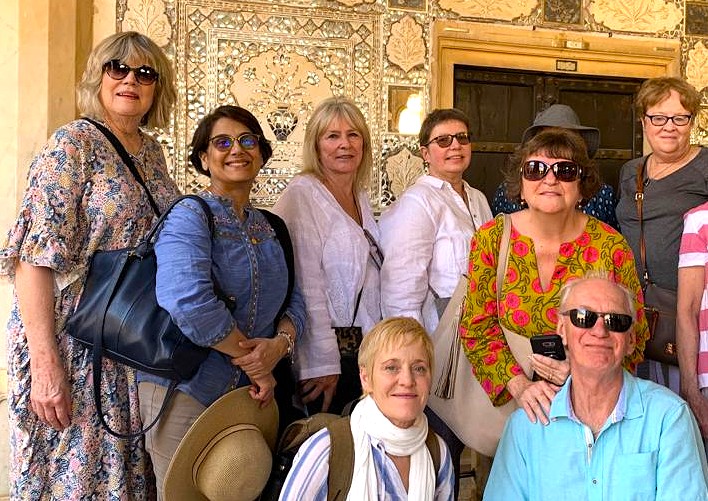
This destination offers a journey unlike any other in the mountains. Presence is an important part of the exchange between the world and this historic pocket. The trip is situated at the intersection of history and daily life, where people are transfixed by the local grace. This journey is an incredible opportunity to see a part of the world that remains true to its roots. The experience is substantial and the memories created are fantastic. This is an invitation to witness a world that is refined and waiting for you. Bright laughter echoes where the golden tea leaves grow.
Symphony of Generosity: Offerings from Wanderers to Residents
The interchange between guests and the locals provides vital financial support for the ongoing heritage restoration projects. Support helps maintain the unique hand-weaving factories, ensuring the artistry continues. In return, an exquisite understanding of a lifestyle that is peaceful and reflective is gained. The benefits are mutual; the residents gain the means to preserve their building design, while guests gain an incredible, meaningful connection to the past. This exchange is a substantial miracle of modern travel, where a presence helps keep the lively spirit of the community active. Guests leave feeling entranced, knowing their journey supported a truly unique location in the high hills. Happy Valley Tea Plantation Darjeeling India.
Step Inside The Story - View All Tour Itineraries & Details

We’re here to offer genuine, thoughtful guidance if your interested in travelling to India. As a small, dedicated team, we pay close attention to every detail so you can focus on enjoying the experience while we take care of the planning. We believe the best trips begin when someone truly listens to what you want and how you like to travel, so the journey feels right for you and contributes to a happy, positive group on tour. Our communication stays clear, straightforward, and respectful at every step, with the goal of helping you feel understood, supported, and confident from first contact to the end of your journey.
Click Catherine Frith - About The Founder
Click Discover Life Travel - All Tours and More
Click Why We Are Different - Unique, Safe, Transparent