
The Silver Nomad
Food Safety in India: All You Need To Know
Mastering Safe and Delicious Dining in India
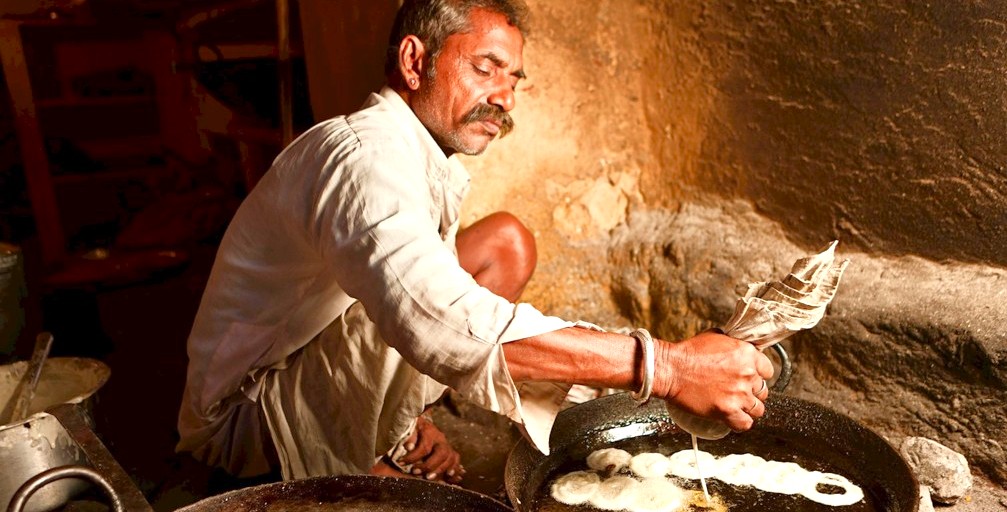
A Continent of Flavors, Eaten Wisely
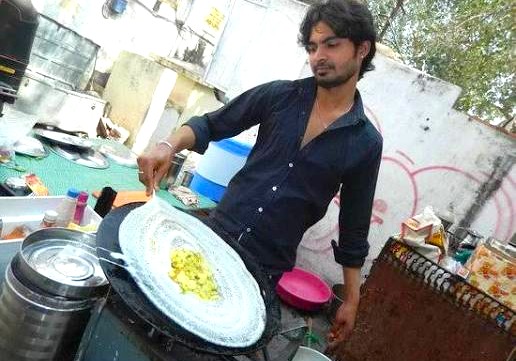
India's food landscape layers ancient traditions over modern kitchens. Enthusiasm works best alongside informed caution. Hi, I'm Catherine, The Silver Nomad. Having traveled the country since 1984, I have gathered sixteen practical tips to help you savor its regional cooking with your health protected. These guidelines turn hesitant visitors into confident diners, ready for everything from street-side chaat to white-tablecloth restaurants. Each one sharpens your instincts, so you recognize when to accept a sizzling snack from a roadside cart and when to politely pass. Food Safety in India All You Need To Know
Picture fresh coconut water sipped in Kerala, royal sweets in Mysore, the clatter of Mumbai's stalls at dusk. Safe eating comes down to small details: crowded counters with fast turnover, dishes served piping hot, water from sealed bottles. Consider these pages a pocket-sized handbook, shaped by decades on the road and from local cooks. Let's begin.
Say Yes to Every Flavor: Food Safety in India All You Need To Know
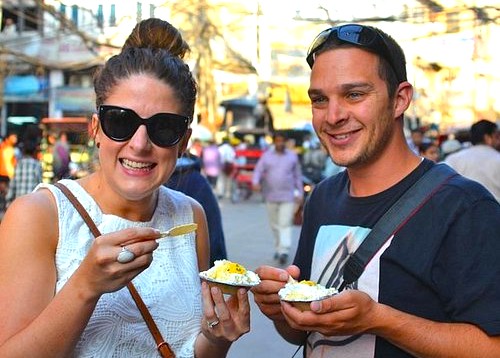
The key lies in approaching local cuisine with knowledge and awareness. Many travelers forfeit authentic dining moments through excessive caution, while others meet health troubles from too little preparation. This guide bridges that gap with practical advice shaped by decades of eating my way across the country. Learn to read a busy kitchen, judge a fresh coriander chutney, and recognize a trustworthy vendor. Discover the dishes that suit a first day, the regional specialties worth seeking out, and the small habits that keep your stomach settled. Armed with these skills, you can embrace India's remarkable food culture and keep peace of mind between the first breakfast and the last dinner. Food Safety in India All You Need To Know
Tip #1: Smart Water Choices - Stay Safe and Hydrated in India
The foundation of staying healthy while traveling in India revolves around mindful beverage consumption. Beyond simply drinking bottled water, travelers should understand the comprehensive approach to safe hydration. Premium mineral water brands like Bisleri and Kinley offer reliable refreshment, while sparkling waters present an elegant and tamper-proof alternative. Before opening any bottle, check the seal carefully - legitimate bottles make a distinct cracking sound when opened for the first time. Food Safety in India All You Need To Know
Chai, Juices and Coconut Water
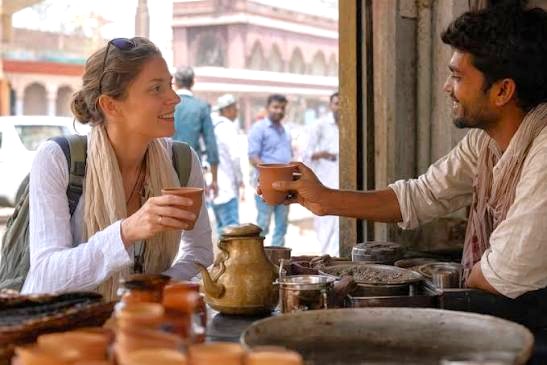
Consider timing your chai indulgence during peak business hours when rapid turnover ensures the freshest preparation. Fresh coconut water, served directly from the fruit, provides both safety and authentic flavor, particularly in coastal regions where vendors skillfully prepare them before your eyes. When ordering beverages in restaurants, observe how drinks are prepared - quality venues use fresh ingredients and clean ice. Check that these items are kept in the shade - many fruits are sitting in the sun which you dont want. Also with juices and sugarcane juice, check the machine is clean and the jugs they make them in. Often there is leftover juice in the jug from a previous order. Remember that bottled beverages with unbroken seals offer the safest option for hydration. Food Safety in India All You Need To Know
The Truth About Ice in India - A Traveler's Essential Guide
Understanding ice safety in India can dramatically impact your travel experience. While many premium establishments now use sophisticated water purification systems and professional ice makers, the situation varies dramatically across venues. Most high-end hotels and restaurants maintain international standards, using properly filtered water and sealed ice-making systems, yet vigilance remains essential even in upscale establishments. Also with street stall beverages - they usually use filtered water.
Restaurant Ice Protocols: What to Know Before You Sip
Premium restaurants typically invest in commercial ice machines that produce standardized, hygienic ice cubes. These establishments often display their water filtration systems and maintain detailed cleaning logs for their ice-making equipment. However, smaller restaurants might source their ice from local suppliers, where quality control becomes more challenging. Watch how staff handle ice - professional establishments use dedicated ice scoops and clean storage containers, never handling ice directly with hands. Food Safety in India All You Need To Know
Street Vendor Ice Practices: Navigate with Knowledge
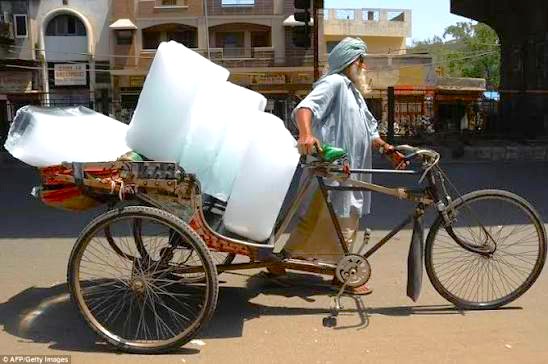
Street vendors often source ice from local manufacturers who deliver large blocks early each morning. These blocks are typically crushed on-site for use throughout the day. While this practice is common, it presents various safety concerns due to handling and storage conditions. Some vendors now use commercial ice bags from certified suppliers, particularly in tourist areas, but verification remains challenging. Food Safety in India All You Need To Know
The Future of Ice Safety in India
An encouraging trend shows increasing adoption of modern ice-making technology and safety protocols across India's hospitality sector. Many establishments now proudly advertise their ice safety measures, including UV-filtered water systems and regular microbial testing. This evolution in ice safety practices reflects growing awareness of international standards and increasing consumer expectations.
Remember that enjoying chilled beverages in India doesn't require compromising on safety. With proper knowledge and careful selection of establishments, you can stay cool while maintaining peace of mind. When in doubt, opt for hot beverages or properly sealed bottled drinks - they're often more authentic to local culture anyway.
Tip #2: Restaurant Selection - Finding Safe and Authentic Venues
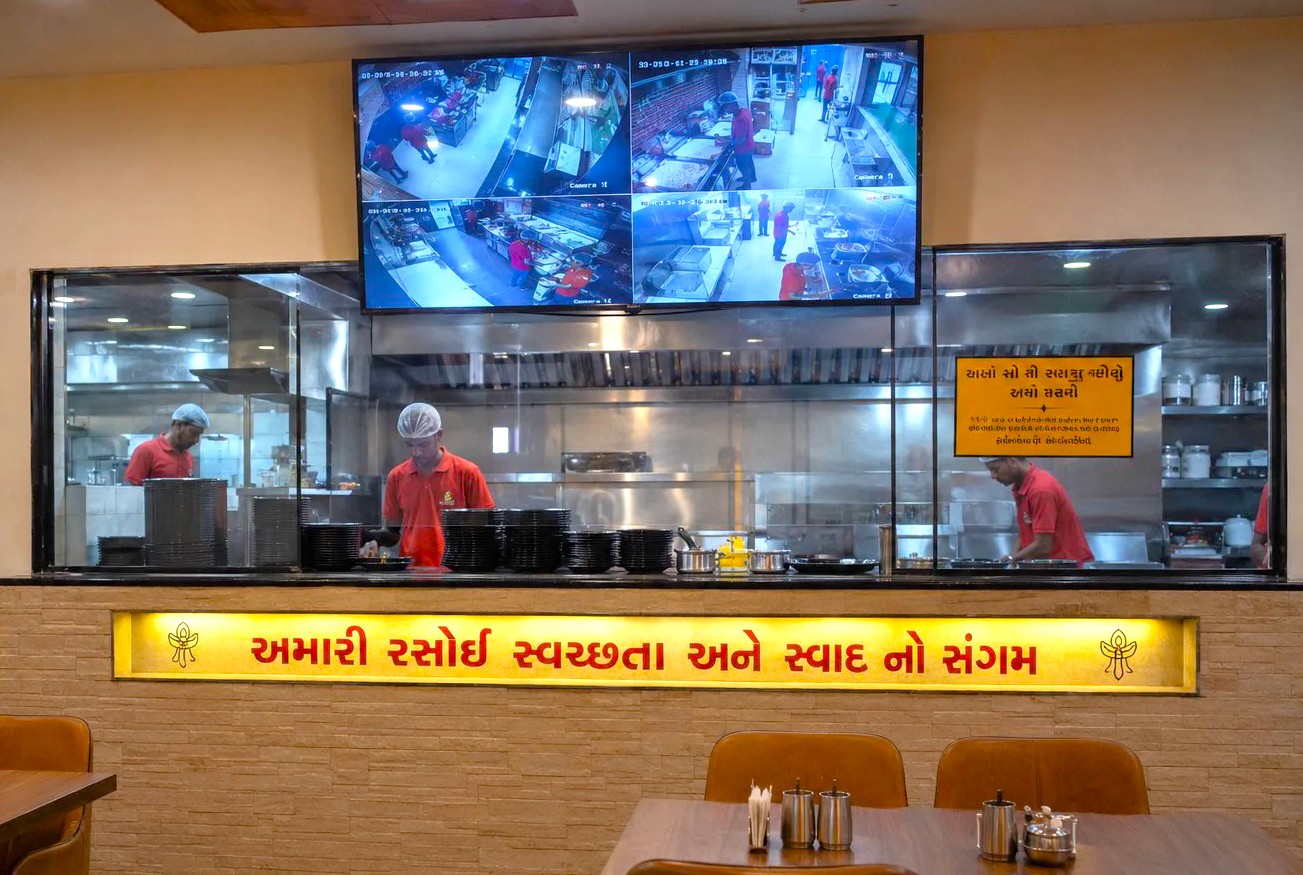
Choosing a restaurant rewards attention to a few quiet signals of quality and cleanliness. Start with the clientele: tables filled with multi-generational local families often reflect standards passed down through decades of tradition. Watch the servers, who carry plates by the rims and keep fingers clear of eating surfaces. Look for stainless steel utensils and tumblers that gleam under the light.
Washrooms offer one of the clearest windows into overall hygiene, so a spotless one is a good sign. Scan the dining room, including floors, tables and serving stations, for visible tidiness and orderly table settings. Well-run establishments follow set sanitizing schedules and provide separate hand-washing sinks for staff. A growing trend adds a large television streaming live footage of the kitchen, so diners can watch each dish take shape.
Tip #3: Fresh Fruit and Vegetable Guide - Navigating Local Markets Safely
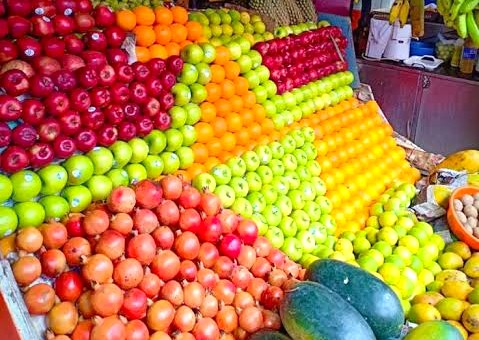
India's vibrant markets offer an incredible array of fresh produce, but selecting safely requires knowledge and observation. Choose fruits with natural protective coverings - bananas, pomegranates, oranges, and melons provide excellent options when properly peeled. Look for vendors who display their produce on elevated platforms away from street dust and maintain clean cutting surfaces.
Premium vendors store sensitive items like berries and grapes in temperature-controlled displays and regularly mist their leafy vegetables. When selecting cut fruit, only purchase from establishments using mineral water for washing and maintaining strict hygiene standards. Many modern markets now offer pre-packaged, sanitized fruits perfect for travelers. Food Safety in India All You Need To Know
Tip #4: Regional Food Safety - Local Specialties
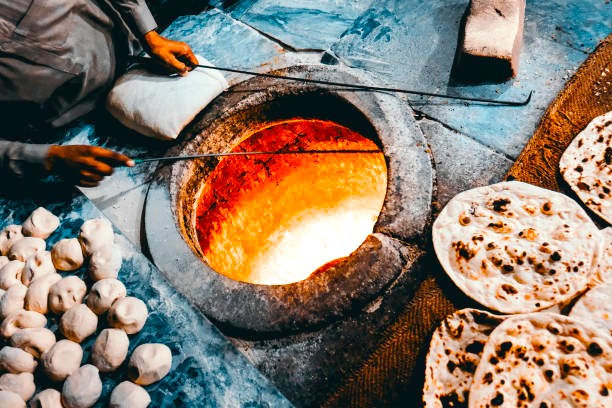
Each region of India presents unique culinary traditions that reflect local ingredients and cooking methods. Northern India specializes in tandoor cooking, where high temperatures naturally ensure food safety. Southern regions excel in fermented foods like dosas and idlis, where the fermentation process creates natural preservation. Coastal areas offer fresh seafood, but timing is crucial - visit seafood restaurants during peak hours when turnover is highest. The best establishments receive daily deliveries and maintain proper cold storage. In western India, dry climate specialties like khakhra and papad offer safe, preserved options.
Tip #5: Upscale Dining - Sophisticated Safety Standards

In premium dining rooms, attention to detail reaches past the menu into hygiene routines. Notice how staff tend serving areas and handle tableware. Top establishments sterilize cutlery under UV light and assign separate washing stations to different dishes. Glasses tell a story: careful venues pour filtered water into a fresh glass for every guest. Upscale spaces display food safety certifications and run open kitchens, where temperature controls stay visible and dishes arrive at proper heat. Staff training shows in confident answers about dietary requirements and allergies, backed by ingredient records. Food Safety in India All You Need To Know
Tip #6: Morning Market Strategy - Early Shopping Success
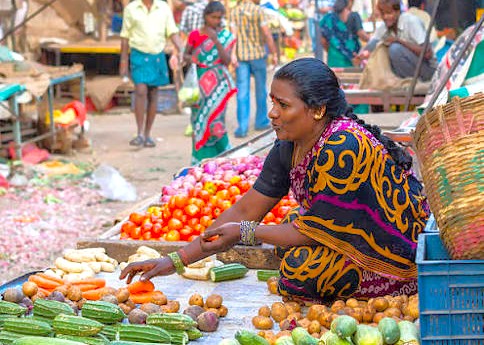
Professional buyers from hotels and restaurants typically shop during these early hours, providing an excellent indicator of quality vendors. Watch where local chefs and restaurant owners make their purchases - they often know the most reliable suppliers. Temperature and hygiene conditions are typically best during morning hours before dust and heat accumulate. Many vendors clean their entire stall and equipment before dawn, making early morning the optimal time for cleaner shopping conditions. Its a great way to try the fruits of India.
Tip #7: Modern Restaurant Standards - Contemporary Safety Practices
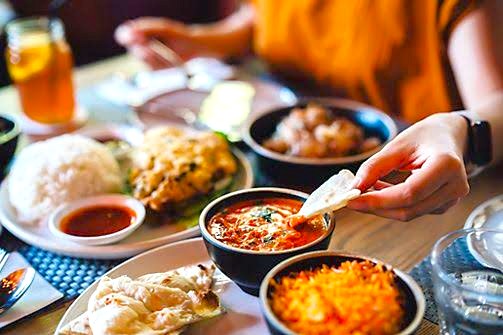
Today’s restaurants often use color-coded cutting boards and utensils to prevent cross-contamination. Staff should wear appropriate protective gear, including hair nets and clean uniforms. Regular hand washing stations with proper soap and sanitizer should be visible. The best establishments combine traditional cooking methods with modern safety practices, creating a bridge between authenticity and food safety. They often participate in food safety certification programs and welcome customer questions about their practices. Food Safety in India All You Need To Know
Tip #8: Experienced Traveler Insights - Professional Travel Wisdom

Seasoned travelers to India develop refined strategies for safe dining. They return to favorite restaurants and vendors, building trust through repeated good meals, and many keep directories of reliable addresses in each city. Busy periods reveal much. Lunch hours in business districts point to kitchens serving professional clients with high standards, while weekend family spots tend to keep better practices for loyal regulars. Copper vessels, prized for natural antimicrobial properties, signal traditional care. Seasonal menus often suggest fresher ingredients than year-round offerings, and local food blogs and review sites focused on hygiene add useful guidance.
Timing matters. Visiting popular places at peak times brings quick turnover and just-cooked plates. Observing neighborhood eating patterns and adapting your habits completes the approach.
Tip #9: Dinner Time Safety - Evening Dining
Evening service often reveals a restaurant's true standards - watch how they handle busy periods while maintaining hygiene protocols. Staff should maintain clean appearances even during peak service hours. Quality venues reduce menu options late in service rather than serve items past their prime. The best restaurants maintain consistent standards throughout their service period, with visible cleaning protocols between lunch and dinner service. They often employ separate prep teams for different meal periods to ensure fresh preparation.
Tip #10: Spice Safety - Quality Control in Seasoning
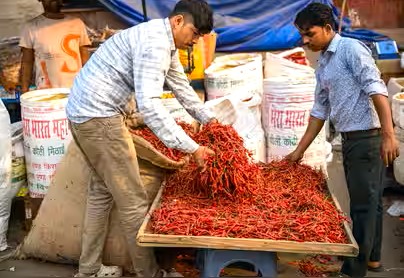
Understanding spice usage provides insights into restaurant quality. Fresh, aromatic spices indicate careful ingredient selection and storage. Quality establishments grind spices daily rather than using pre-ground varieties stored for extended periods. Watch for restaurants that adjust spice levels according to customer preferences while maintaining proper proportions. Quality venues often display their spice preparation areas in open kitchens. Know also that when you ask for less or no “Chilli” , don't be surprised if you receive a meal with no spices at all!. Chilli is considered a spice. You can communicate this clarity to your waiter.
Tip #11: Safe Drinks Guide - Beverage Selection Mastery

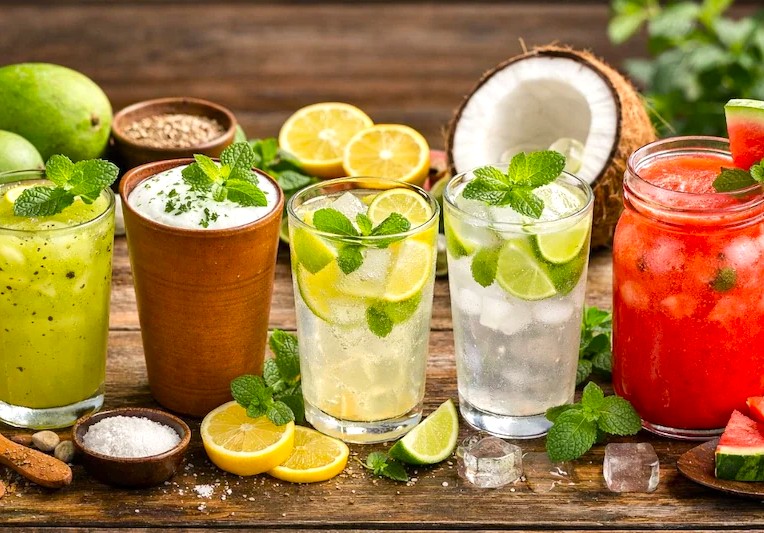
Safe sipping extends past bottled water into how each beverage is prepared. Fresh lime soda made with carbonated water offers dependable refreshment. Reputable venues prepare traditional coolers with purified supplies and pasteurized ingredients. Watch the lassi and smoothie station: clean blenders and proper refrigeration for dairy mark a careful kitchen. Commercial-grade ice machines with filtration are increasingly common, and cooling classics often carry natural preservatives such as mint and ginger.
Premium addresses give beverages a separate preparation area with clear sanitation routines. Staff pour into spotless glassware and measure with sanitized tools. Sealed single-serve versions of traditional drinks are also widely offered. Leading outlets routinely scrub dispensing equipment, control ingredient temperatures, and happily describe their ice-making process and water treatment.
Tip #12: Café Culture Safety

Today’s Indian cafés combine international standards with local flavors. Look for establishments maintaining clean coffee machines and regularly descaling equipment. Quality venues use filtered water for all beverages and maintain proper milk storage temperatures. Professional cafés train staff in proper handling of dairy products and maintain clean storage containers. Many now display their cleaning schedules and equipment maintenance logs. Watch how staff handle different milk options and maintain separate equipment for various dietary requirements. Food Safety in India All You Need To Know
Tip #13: Street Food Success - Safe Selection Strategies
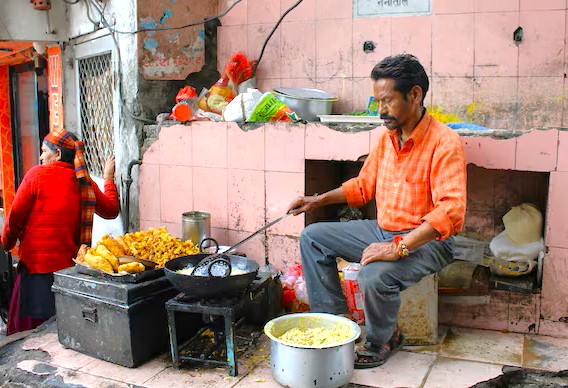
Street food vendors maintaining professional standards demonstrate specific characteristics. Quality operators maintain clean workstations with separate areas for different preparation stages. They often use fresh oil and maintain proper cooking temperatures. Watch how vendors handle money versus food preparation - the best operators maintain separate staff or use appropriate barriers. Quality vendors maintain clean storage containers and proper ingredient organization. Many now use disposable plates and utensils from reputable suppliers. Food Safety in India All You Need To Know
Tip #14: Building Trust - Establishing Your Safe Food Network
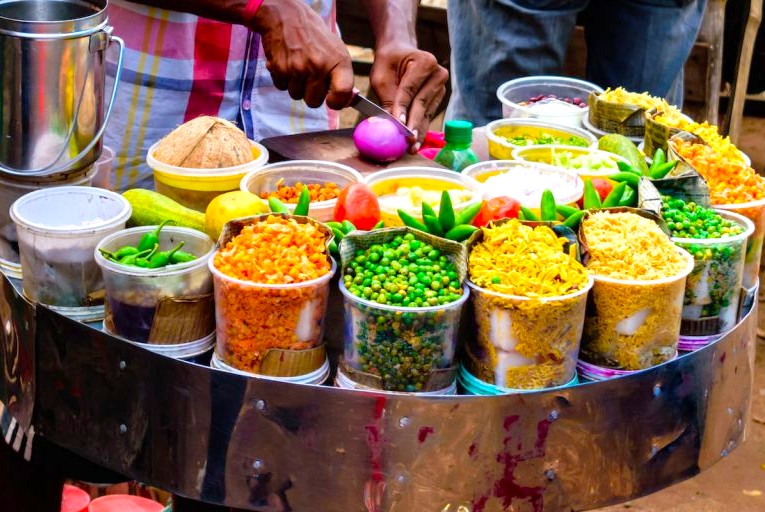
The best operators take pride in their safety standards and openly discuss their practices. They often maintain connections with local food safety authorities and participate in community health initiatives. Many now use social media to share their safety protocols and respond to customer queries. Building trust involves regular observation of cleaning practices, staff behavior, and consistency in quality. Professional establishments often provide information about their ingredient sourcing and handling practices while maintaining traditional flavors and preparation methods. Food Safety in India All You Need To Know
Tip #15: Meat Safety - Essential Guidelines for Non-Vegetarian Dining
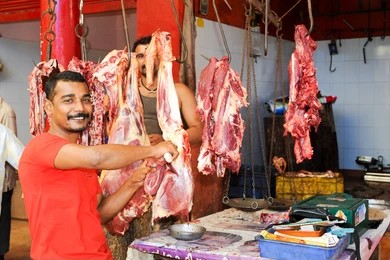
Consuming meat in India requires particular attention to preparation and storage standards. Quality establishments maintain separate kitchen areas for vegetarian and non-vegetarian cooking, with distinct sets of utensils and cutting boards. Look for restaurants that receive daily meat deliveries rather than storing large quantities. Quality venues prepare meat dishes fresh rather than pre-cooking and reheating. They often reduce menu options when specific items aren't fresh enough to serve.
Tip #16: Seafood Selection - Coastal Cuisine Safety
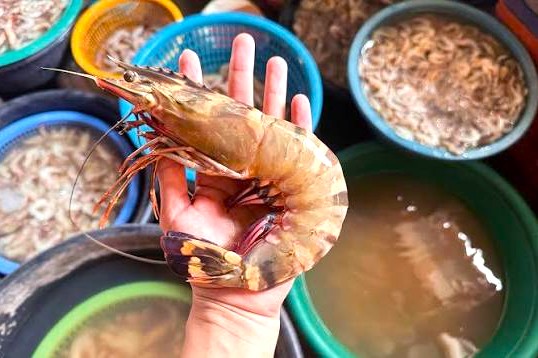
Seafood safety demands extra vigilance, particularly in coastal regions. Premium seafood restaurants receive fresh deliveries twice daily and maintain strict cold storage protocols. Look for establishments where you can see or smell the fresh catch - quality seafood shouldn't have a strong fishy odor. The best venues maintain live tanks with clean, circulating water for shellfish and display fresh catch on ice. Watch how staff handle different types of seafood - professional kitchens maintain separate preparation areas for different seafood varieties. They often display catch dates and source information.
Optimal times for seafood consumption are during lunch hours when morning catches are served fresh. Quality establishments reduce their seafood menu options as the day progresses rather than serving older stock. Many now maintain relationships with specific fishing communities to ensure consistent quality.
What a Meal Costs Across India
Premium Dining
High-end restaurants in major cities like Mumbai, Delhi, and Bangalore offer gourmet meals ranging from ₹2,000 to ₹5,000 ($25 AUD-$100 AUD) per person. These establishments often feature a combination of traditional Indian and international cuisines prepared by top chefs.
Mid-Range Restaurants
A meal at a decent restaurant can cost between ₹300 to ₹1,000 ($4-$13 AUD) per person, offering a variety of regional and international dishes.
Street Food
Street eats are incredibly affordable and packed with flavor. You can get a plate of rice and dal or a couple of samosas for around ₹20 to ₹50 ($0.25-$0.65).
International Cuisine & Food Chains
Over the years, India’s culinary landscape has become increasingly global, with a variety of international dishes now readily available. Major cities house numerous restaurants serving Italian, Chinese, Mexican, Japanese, and Middle Eastern cuisine. Chains like Pizza Hut, McDonald's, and Subway are widespread, often serving localized versions of their menus to cater to Indian tastes. For example, you might find spicy paneer (Indian cottage cheese) pizza at Domino's or McSpicy burgers at McDonald's.
Tasting India from North to South, East to West
West Coast
India's western coastline is known for variety. Gujarat offers tangy flavors softened by a gentle sweetness, with mild to medium heat. Maharashtra and the Konkan coast favor rich, creamy curries, warming from medium to fiery, and Kolhapuri dishes sit at the top of the scale. Goa and Kerala are renowned for seafood. Goan kitchens pair coconut milk with kokum, lending a sour-sweet note and a bolder, medium-to-hot warmth. Kerala builds flavor from curry leaves and black pepper, producing a heat that gathers slowly and lingers. Spice levels also shift from kitchen to kitchen, so mention your preferred heat when ordering.
East Coast
The east balances sweetness and spice, with mustard oil lending a sharp, pungent backbone. Heat stays mild to medium, allowing its bite to lead. Rasgulla and sandesh, delicate milk confections from Bengal, close a meal gently. Coastal Andhra Pradesh and Tamil Nadu favor tangy, robust flavors built on tamarind and green chilies. Andhra ranks among India's fieriest cuisines, while Tamil Nadu runs medium to hot, with Chettinad dishes at the peppery end. Expect sour notes that wake the palate, then a bright sting that arrives quickly and fades cleanly within a few moments.
West Bengal
Freshwater fish defines this table, from macher jhol, a light, turmeric-tinged curry, to hilsa preparations prized for their rich, silky flesh. Cooking here is delicate, balancing sweetness with pungency. Chilli levels sit mild to medium, usually delivered through whole green chillies slit into the pot, giving a gentle, fragrant warmth instead of a fierce burn. Hilsa is often steamed in mustard paste, where its sharp bite takes the lead and the chilli plays a supporting role. Servers gladly advise on the day's heat. Travelers wanting more heat can request extra green chillies on the side, adding fire dish by dish.
North Indian Rivers
North India cooks with generous richness. Creamy curries, tandoori grills and naan arrive alongside ghee and yogurt, which lend depth and a cooling softness. Chilli levels sit mild to medium, with Kashmiri chilli offering colour and gentle warmth, while Rajasthan's red-hot dishes climb steadily higher. River fish from Punjab and Kashmir also earns a place at the table, simmered in silky gravies that reflect the region's fondness for dairy and spice. Fish tikka from the tandoor carries a moderate glow. Diners preferring gentler plates can request milder cooking, and those seeking more heat can ask for pickles on the side.
South Indian Cuisine: Nature's Perfect Balance
South Indian cooking honors time-tested methods. Fermented batters give dosas and idlis a gentle tang and a light, easily digested character. Fresh coconut, curry leaves and aromatic spices define largely vegetarian plates, served on banana leaves that keep the meal clean and fragrant. Chilli levels run medium to hot: Kerala and Tamil Nadu offer a steady, peppery warmth, Karnataka leans mild, and Andhra and Chettinad dishes blaze at the top of the scale. Choose kitchens where steamers billow and dosas crisp on well-kept griddles in full view, a sure sign of care.
Kashmir: Where Persian Warmth Meets Mountain Air
Kashmiri cooking unfolds slowly, shaped by Persian and Central Asian influences. Wazwan, the ceremonial multi-course feast, brings rogan josh, tabak maaz, gushtaba and yakhni to one spread. Heat levels run mild to medium. The region's chilli gives that dish its deep red hue and a soft, glowing warmth, while dried fennel, ginger and cardamom supply aroma instead of sting. Mountain trout and river fish appear in walnut or mustard-oil gravies. Noon chai, a pink salted brew, and kahwa, saffron-scented green tea with almonds, close the table. Diners seeking extra heat can always ask for a side of fiery chilli paste.
In the End
Dining in India for foreigners is an adventure filled with diverse flavors and culinary traditions. From premium dining experiences to delectable street food, there's something for every palate and pocket. Understanding how to communicate your preferences, especially regarding chilies, can enhance your dining experience. Embrace the variety of regional specialties and international dishes that India now offers, and savor the unique journey of flavors this vibrant country presents.
Step Inside The Story - The Silver Nomad

Welcome to The Silver Nomad, the blog of Discover Life Travel. Here we share genuine, thoughtful guidance for anyone drawn to India. As a small, dedicated team, we attend to every detail, so you can focus on the journey while we handle the planning. The best trips begin when someone listens closely to what you want and how you like to travel, so each itinerary feels right for you and nurtures a happy, harmonious group on tour. Our communication stays clear, straightforward and respectful, helping you feel understood, supported and confident from first contact to the final farewell.
Click Catherine Frith - About The Founder
Click Discover Life Travel - All Tours and More
Click Why We Are Different - Unique, Safe, Transparent