A Unique Look Into Indian History
Dravidian Culture: India
Discover life Travel
Lineages Shaped By Ocean Winds
The story often called the “Dravidian’s” is better understood through the ancient southern kingdoms of the Tamil, Kannada, and other Dravidian-speaking peoples along India’s peninsular coasts and uplands. From the early Sangam polities of the Chera, Chola, and Pandya rulers to later Chola power reaching Sri Lanka and Southeast Asia, rule grew from fertile river valleys and maritime trade. The word “Dravida” appears in early Sanskrit texts to denote the southern regions and peoples. Their centers lay from Korkai and Madurai in present-day Tamil Nadu to Uraiyur, Kaveripattinam, and later Thanjavur, all tied by rivers like the Kaveri and the Bay of Bengal. Dravidian Culture India
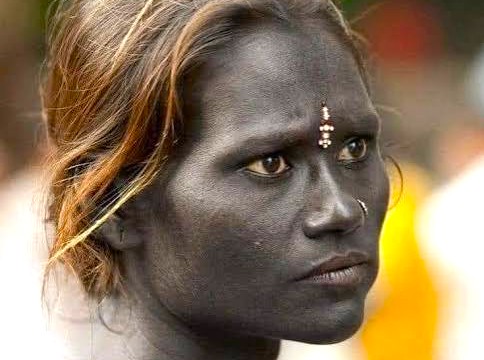
Dravidian Culture - India: Before Sangam Kings Ruled
Long before inscriptions named kings, southern India held Neolithic and Iron Age communities living in small settlements, leaving megalithic burials across Tamil Nadu and Karnataka between roughly 1200 and 300 BCE. Archaeological sites like Adichanallur reveal early rice cultivation, iron tools, and bead work. Literary memory from Sangam anthologies speaks of legendary figures such as Pari, Ay Andiran, and other chieftains who sheltered poets and warriors. These leaders, often tied to hill and forest zones, preceded the more centralized Chera, Chola, and Pandya houses. Trade in pearls, salt, and forest products linked them to coastal markets, while local cults honored mother goddesses, hero stones, and river spirits.
Names For Southern Realms
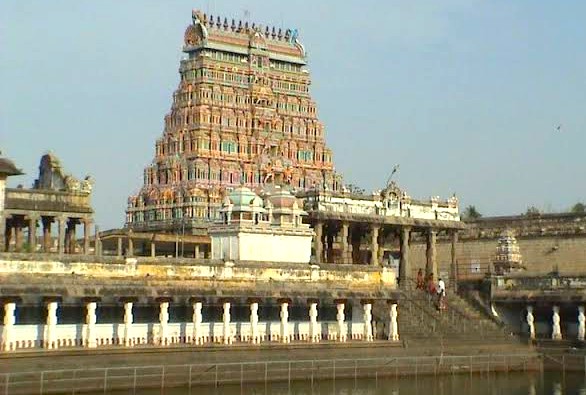
“Dravida” appears in texts like Panini’s grammar and the “Mahabharata,” broadly indicating southern lands beyond the northern Indo-Aryan regions. Over time, specific dynastic names became more precise markers: Chola likely connects to “Sora” or “Sola,” Pandya perhaps to an ancient term linked with “old” or “ancient one,” and Chera may relate to a word for hill country. Their realms occupied present-day Tamil Nadu, Kerala, and nearby parts of Karnataka and Andhra Pradesh. Capitals included Madurai for the Pandyas, Vanji or Karur for the Cheras, and Uraiyur then Kaveripattinam for early Cholas, giving the broader Dravidian label concrete political centers tied to rivers, coasts, and passes. Dravidian Culture India
Madurai, Korkai, And Early Towns
Madurai, Pandya capital on the Vaigai River in today’s Tamil Nadu, enters literary memory in Sangam poems and inscriptions from at least the 3rd century BCE. Korkai, an older Pandya port further south near the Tamirabarani estuary, prospered as a pearl and conch center. Excavations and classical references suggest structured streets, brick houses, and wharves from at least the early centuries CE. Chola centers like Uraiyur on the Kaveri’s bank and Kaveripattinam at the river’s mouth grew as rice and maritime hubs. Population in these early cities may have reached tens of thousands, supported by surrounding villages producing grain, cotton, and forest products.
Lineages Of Chera, Chola, Pandya
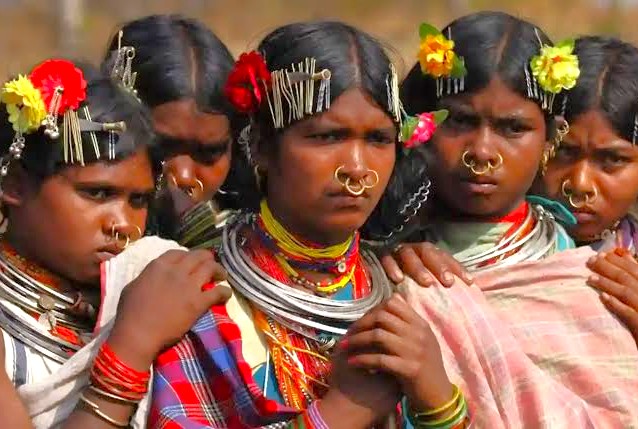
Sangam poems and later inscriptions preserve names of early rulers: Karikala Chola, famed for battle and dam-building, probably ruled in the 1st or 2nd century CE. Nedunjeliyan and Neduncheliyan identify Pandya kings tied to Madurai. Chera names such as Senguttuvan appear linked to hill and coastal routes in present-day Kerala and western Tamil Nadu. These families intermarried with each other and with neighboring houses, while brahminical lineages settled in donated villages around their courts. Queens sponsored temples and poets, and children learned martial skills, court etiquette, and ritual duties within palace compounds, forming a network of kin who guided alliances, wars, and land grants. Dravidian Culture India
Shrines, Sangam, And Sacred Forms
Religious practice in early Dravidian polities combined local cults with evolving Shaiva and Vaishnava worship. Sangam poems mention Murugan (later widely known as Subrahmanya), the red god of hills; Korravai, a war and fertility goddess; and hero stone worship honoring fallen warriors. Over centuries, Shaiva and Vaishnava traditions took stronger institutional shape, with temples hosting daily puja, processions, and festivals. Brahmin priests shared ritual space with local custodians. Poets received patronage for devotional compositions, leading eventually to bhakti movements under Alvar and Nayanmar saints between the 6th and 9th centuries. These currents gave the southern dynasties religious legitimacy and a shared symbolic language crossing class and region.
Kaveri, Vaigai, And Canal Lines
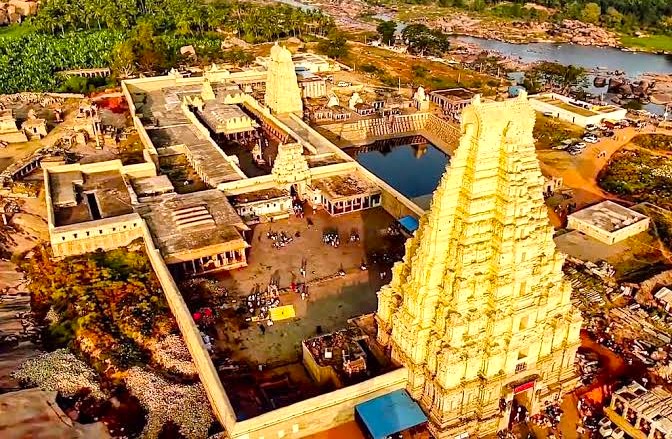
Water systems under Dravidian rulers turned monsoon rivers into engines of agriculture. The Kaveri River in present-day Tamil Nadu and Karnataka, with branches like the Kollidam, supported extensive irrigation. Traditional accounts credit Karikala Chola with strengthening the Kallanai (Grand Anicut) across the Kaveri around the 2nd century CE, redistributing water to delta fields. The Vaigai around Madurai and the Tamirabarani near Korkai likewise saw bunds and channels. Tanks (erys) collected rainwater, forming stepped reservoirs across the countryside. These systems supported rice cultivation, sugarcane, and pulses, raising populations and allowing towns to rely on surplus grain moved along river and coastal routes.
Rice Pots, Pepper, And Fish
Food in Dravidian realms centered on rice, cooked in substantial pots each day for families and temple offerings. Millets such as ragi and kambu fed upland communities and poorer households. Fish and shellfish from the Bay of Bengal and Arabian Sea coasts, along with river catches, contributed protein, while goat and cattle meat appeared in some contexts, especially in earlier periods and among non-brahmin groups. Coconut, tamarind, and a range of greens flavored dishes, while pepper and cardamom from western ghats entered both local and export cuisine. Royal kitchens prepared large quantities of rice, lentils, and meat or fish dishes for festivals, army musters, and poet assemblies, turning food into a visible measure of kingship. Dravidian Culture India
Ships, Spices, And Distant Harbors
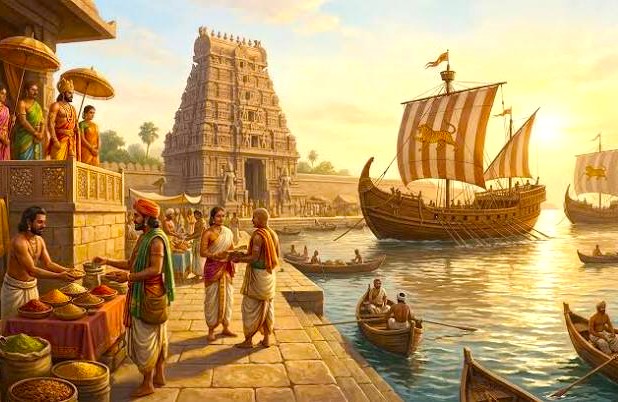
Dravidian polities thrived on maritime and overland trade. Ports like Kaveripattinam (Puhar), Arikamedu near present-day Puducherry, Muziris on the Kerala coast, and Korkai linked the region to Roman, West Asian, and Southeast Asian markets from at least the 1st century CE. Ships carried pepper, pearls, ivory, cotton textiles, and aromatics outward, bringing in gold, wine, glassware, and copper. Inland routes crossed the Palghat and other passes, connecting coasts to upland resource zones. Trade enriched ruling families and merchant guilds such as the Ainnurruvar, who sponsored temples, feeding houses, and sometimes military ventures, making commerce a core pillar of southern dynastic strength.
Herbs, Metals, And Healing
Medicine in ancient Dravidian regions mixed local plant knowledge with classical Ayurveda and, later, Siddha traditions. Texts attributed to Agastya and others describe herb-based treatments using plants like tulsi, neem, Indian pennywort, and long pepper. Oils infused with medicinal leaves were applied for joint pain and injuries common among warriors and laborers. Mineral and metal preparations - carefully processed - entered regimens for chronic conditions. Palace physicians treated kings and queens with individualized diets and tonics, while midwives and village healers served ordinary families. Coastal access also meant trade in aromatics and resins used in both ritual incense and medicinal decoctions. Dravidian Culture India
Wars On Fields And Sea
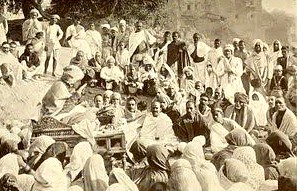
Battle chronicles describe frequent conflicts among Chera, Chola, and Pandya houses, and against northern dynasties. Karikala Chola’s victory at Venni and Vaha (locations debated but within the Kaveri region) consolidated his dominance in the early centuries CE. Pandya rulers fought Cheras and Cholas over control of pearl fisheries and fertile tracts. Later, medieval Cholas such as Rajaraja I (r. 985–1014 CE) and Rajendra I (r. 1012–1044 CE) waged campaigns that reached Sri Lanka and parts of Southeast Asia, using large fleets. Battle outcomes shifted tribute flows, temple patronage, and settlement security, with villagers feeling the impact in conscription and post-war levies.
Marriages, Queens, And Heirs
Royal marriages created alliances across southern and sometimes northern houses. Chola, Pandya, and Chera kings took queens from each other’s lineages and from powerful feudatory families. Women like Kundavai, sister of Rajaraja I, exercised notable influence, founding temples and supporting learning. Marriage contracts linked land grants and military support, making weddings political events as much as family occasions. Princes and princesses were raised within palace complexes, trained in literature, religious practice, and, for sons, warfare and governance. These children embodied multiple lineages, allowing future rulers to claim ties across regions and clans when asserting their right to the throne.
Courts, Children, And Daily Routines
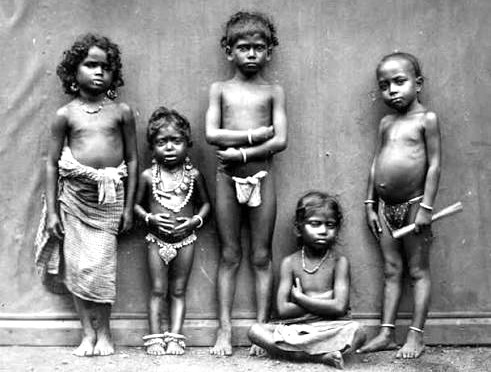
Daily life for southern royal families blended ritual, administration, and domestic rhythms. Kings began mornings with ablutions, offerings at palace shrines, and consultations with Brahmin or Jain advisers about omens and policy. Councils heard petitions, land disputes, and reports from generals and tax officials. Queens supervised inner quarters, textile production, and education of younger children, while older princes practiced archery, chariot driving, and strategic games. Midday meals brought extended family together over rice, curries, and sweets. Evenings might include music, dance, and listening to poets recite Sangam or later bhakti verses, reinforcing shared values and reputations.
Festivals Of Flood And Fire
Festivals in Dravidian realms are tied directly to monsoon and agricultural cycles. Aadi Perukku, celebrated on the 18th day of the Tamil month Aadi (late July or early August), honoured river swelling, especially the Kaveri, with women offering flowers and cooked rice at banks. Pongal, beginning on the first day of Thai (mid-January), marked harvest with new rice boiled in decorated pots and shared widely. Temple festivals dedicated to deities like Meenakshi in Madurai or Nataraja in Chidambaram involved processions, recitations, and large communal feedings. These events fixed time across years, linking family fortunes to divine favor and the behavior of monsoon winds. Dravidian Culture India
Populations Growing With The Rivers
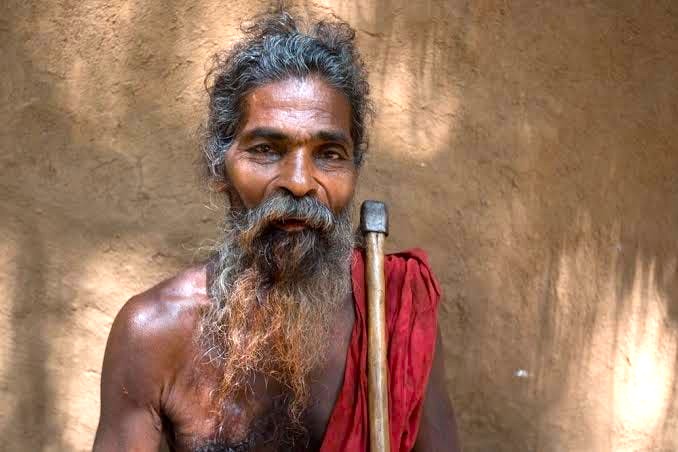
As irrigation expanded and trade intensified from roughly the 1st millennium BCE into the early 2nd millennium CE, populations in Dravidian regions rose. Kaveri delta towns like Kaveripattinam, and later Thanjavur under medieval Cholas, may have held tens of thousands each, supported by dense villages in surrounding paddy fields. Inland plateaus and western slopes, with more variable rainfall, grew more slowly. Periods of war or failed monsoons produced local declines, but long-term trends moved toward greater density, specialization of labor, and urbanization. Today, the same river basins and coastal belts remain among the most heavily populated parts of southern India, reflecting paths first laid in ancient times.
Decline And New Powers Rising
Over centuries, individual southern dynasties waxed and waned. Early Chera, Chola, and Pandya powers faded by the mid–1st millennium CE, giving way to Pallavas, later medieval Cholas, resurgent Pandyas, and Hoysalas. From the 13th century, Delhi Sultanate incursions and the rise of the Vijayanagara state in 1336 reshaped control. Each shift altered patronage to temples, trade guilds, and scholarly lineages, but Dravidian languages and cultural forms persisted. The broad “Dravidian” label continued as a linguistic and cultural term rather than a single Dynasty, while colonial and postcolonial politics introduced new structures. Today, elected governments replace royal courts, yet the rivers, temples, and port cities built under older houses remain central to southern identity.
Step Inside The Story - View All Tour Itineraries & Details
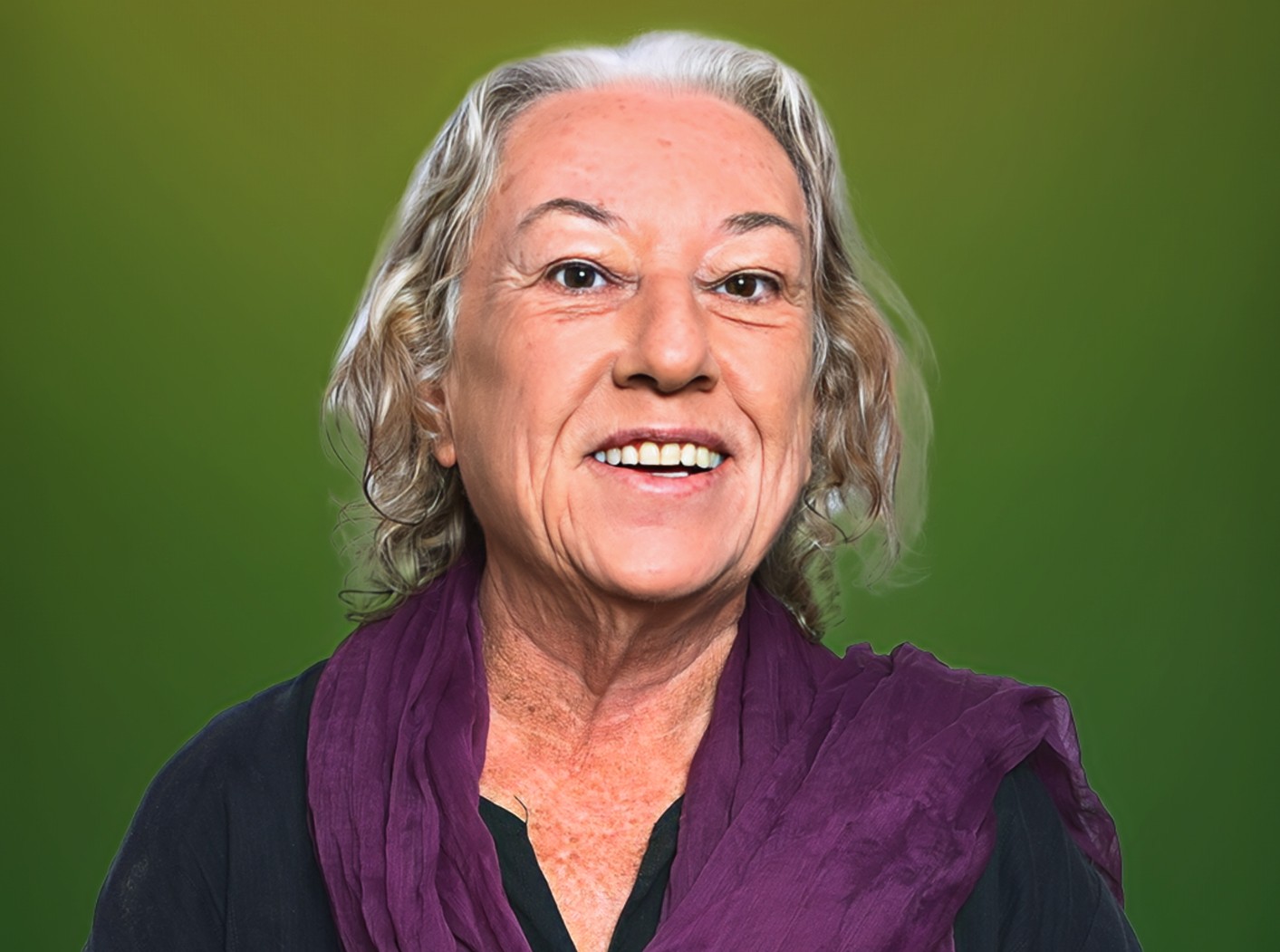
We’re here to offer genuine, thoughtful guidance if your interested in travelling to India. As a small, dedicated team, we pay close attention to every detail so you can focus on enjoying the experience while we take care of the planning. We believe the best trips begin when someone truly listens to what you want and how you like to travel, so the journey feels right for you and contributes to a happy, positive group on tour. Our communication stays clear, straightforward, and respectful at every step, with the goal of helping you feel understood, supported, and confident from first contact to the end of your journey.
Click Catherine Frith - About The Founder
Click Discover Life Travel - All Tours and More
Click Why We Are Different - Unique, Safe, Transparent