A Unique Look Into Indian History
Chera Dynasty: Kerala - India
Discover Life Travel
Life Before Kings In The Western Ghats
Before the Chera Dynasty rose, the western coast and hill country of what is now Kerala and parts of Tamil Nadu were dotted with small chieftaincies, tribal hamlets and early ports. Sangam poetry evokes a land of dense forests, elephant herds, pepper vines clinging to trees, and fishing villages along estuaries. Megalithic burials, hero stones and early shrines suggest stratified societies and warrior elites. In this landscape, the ancestors of the Cheras - often linked to hill‑based warrior clans around modern Kodungallur and the Palakkad and Coimbatore gaps - emerged as one of the three great Tamil powers alongside Cholas and Pandyas. Chera Dynasty Kerala India
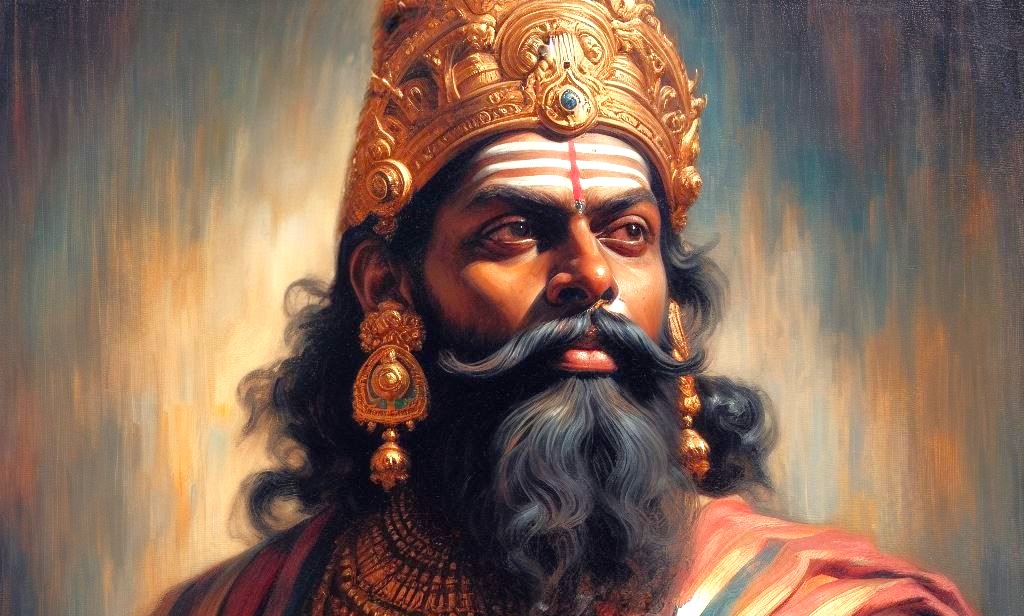
Chera Dynasty: Kerala India - Hill Chiefs Become Maritime Kings
By the early historic period (roughly the early centuries CE), powerful chiefs consolidated control over crucial passes between the western coast and the Tamil interior, and over pepper‑rich hill slopes and lagoons. These rulers, remembered as Chera, Kulasekhara and by other regal titles, controlled an arc from the Kodungallur–Muziris region into the Western Ghats. Sangam poems praise kings like Uthiyan Cheralathan and Senguttuvan; later medieval Cheras (Cheraman Perumals) ruled from Mahodayapuram. Their world belonged to the Kali Yuga in textual reckoning but historically was defined by spice trade, Roman and Arab contacts, and competing Tamil polities stretching along the Arabian Sea.
Daily Life In Chera Palaces And Courts
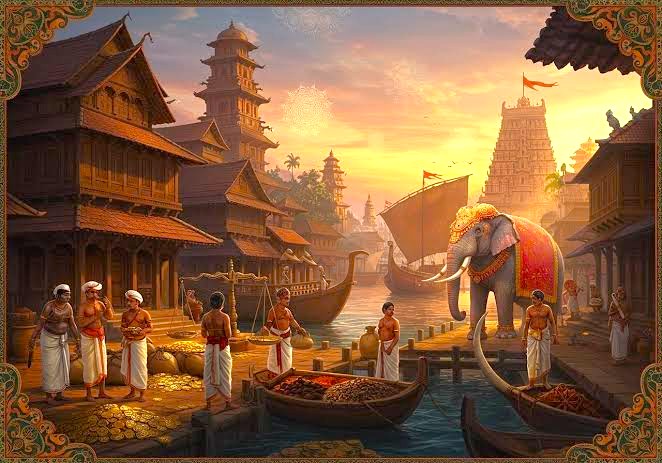
In Chera courts, daily routines displayed both martial austerity and coastal refinement. At dawn, the king bathed - often in rivers or palace tanks - received sandal paste and sacred ash, and honored Shiva, Vishnu, Bhagavati or regional deities: later rulers also showed marked devotion to Krishna and temple cults. Queens oversaw jewelry, warehouses of pepper, cardamom and textiles, palace kitchens and temple endowments, and supervised attendants. Princes practiced spear, sword and elephant riding, and learned Tamil poetry, inscriptional formulas and trade politics; princesses mastered music, dance, household management and alliance diplomacy. Courtyards rang with bards reciting Sangam verses, drummers announcing proclamations and envoys from inland and overseas seeking audiences under palm‑shaded halls. Chera Dynasty Kerala India
Local Society: Farmers, Fishers And Pepper Growers
For common people, Chera rule framed but did not replace the rhythms of rice paddies, coconut groves and pepper gardens. Farmers cultivated wet‑rice in river valleys and backwater plains; on higher slopes they grew millets, pulses and tubers. Women carried water, husked paddy, wove mats and cloth, and tended children and cattle. Hill communities harvested wild pepper and other forest produce; coastal fishers launched catamarans and dug‑out canoes into the surf. Artisans - smiths, carpenters, toddy‑tappers, potters and weavers - clustered in villages and port‑side streets. Clan heads and assemblies settled everyday disputes, bargained over taxes and organized temple festivals, keeping strong local institutions alive under Chera kingship.
Royal Kitchens, Pepper‑Scented Feasts And Trade Foods
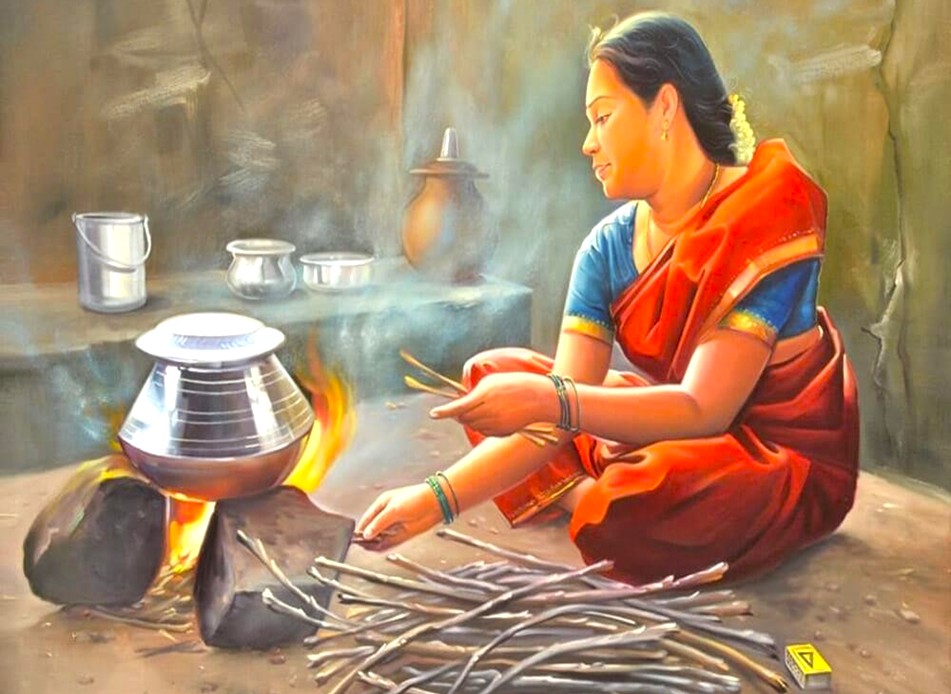
In Chera palaces and noble houses, kitchens blended Tamil–Malayali staples with exotic trade goods. Daily meals featured steamed rice, fish curries, lentil stews, vegetables cooked with coconut, tamarind and spices, and for elites, meats from hunts or domestic animals. Pepper, cardamom, cinnamon ‑like barks and other aromatics flavored dishes that also went as gifts to foreign guests and traders. Honey, plantains, jackfruit and coconut enriched sweets and ritual offerings. On major festivals, coronations and temple consecrations, enormous cauldrons of rice, curries and sweet payasam fed Brahmins, bards, warriors, pilgrims and the poor, transforming spice‑driven surplus into visible generosity. Chera Dynasty Kerala India
Law, Honor And Justice In Chera Lands
Chera justice operated through a blend of customary clan norms, dharmashastra ideas and royal decree. Local assemblies and elders arbitrated most disputes over land, irrigation, marriage and inheritance; royal officers confirmed decisions or intervened when powerful groups clashed. Theft from caravans, temple treasuries or ships under Chera protection drew especially harsh responses, as it threatened trade and sacred order; bandits might be executed or mutilated as a warning. Fines, compensatory payments and ritual reconciliations were common for lesser offenses. Kings cultivated reputations as upholders of dharma who could keep peace on roads, rivers and sea‑lanes critical to their pepper‑based economy.
Gods, Temples And Sacred Groves
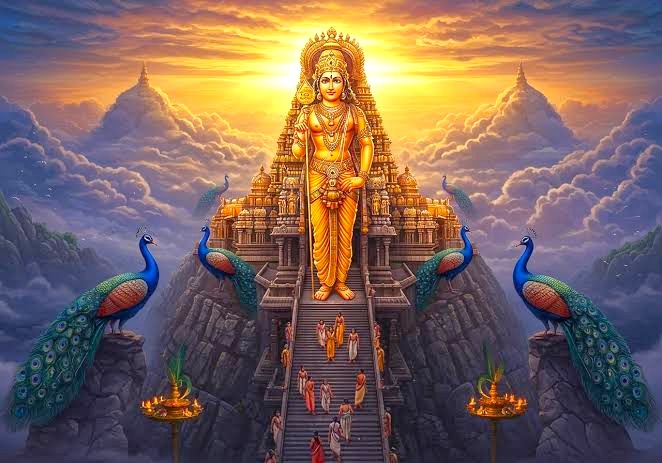
Religion in Chera realms was richly plural. Early on, people worshipped Murugan in hill shrines, Korravai‑like war goddesses, tree and grove spirits, nagas and local deities, often in open‑air sanctuaries. Over time, Agamic Shaivism and Vaishnavism spread, and stone temples rose along rivers and in emerging towns; Bhagavati (Durga‑like goddesses) became central across Kerala’s temples. Jain and Buddhist establishments existed in some periods, especially along trade routes and at inland centers. Later medieval Cheras patronized grand shrines, endowing land, gold and rights in markets and ferries, while village groves and serpent shrines continued to anchor local cults and ecological taboos.
Festivals, Boat Races And Processions
Festivals in Chera country animated both temple courtyards and backwaters. Annual utsavams saw deities carried on palanquins or mounted on caparisoned elephants through streets lined with oil lamps and banners, accompanied by chenda drums, horns and conches. Fireworks, folk dances and martial displays added drama. Along rivers and lagoons, ancestral forms of boat races and ceremonial processions of decorated canoes and snake boats likely prefigured later traditions. Markets and fairs sprang up around temple feasts and port festivals, mingling pilgrims, traders and performers. Royal appearances at key moments - offering lamps, feeding crowds, announcing grants - wove Chera authority into the sacred calendar. Chera Dynasty Kerala India
Royal Courts, Sangam Bards And Performers
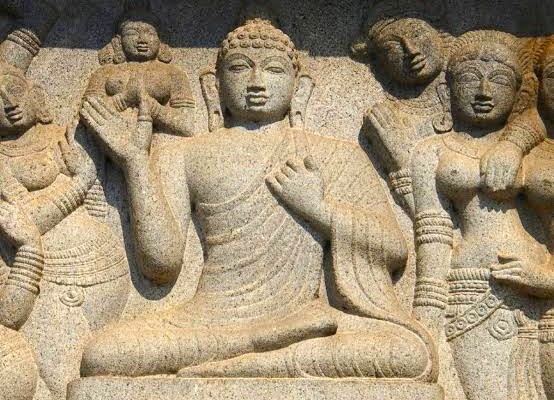
Chera courts, especially in the Sangam age, were renowned for poets, bards and entertainers. Tamil poets praised Chera kings in anthologies, describing their generosity to warriors, scholars and minstrels. In audience halls, kings listened to performances that mixed praise, satire and moral counsel. Dancers and musicians from different regions displayed styles that traveled with merchants and pilgrims. Storytellers recounted local legends, Ramayana and Mahabharata episodes, and heroic tales of Chera campaigns. Patronage of literature and performance linked the Cheras to a broader Tamil cultural sphere, even as their geography and trade pulled them toward the wider Indian Ocean world.
Battles, Alliances And Maritime Strategy
Militarily, the Cheras fought both hill wars and coastal rivalries, contending with Cholas, Pandyas and inland powers. Armies of infantry, elephant corps and some cavalry defended passes in the Western Ghats and raided lowland enemies. Control of ports like Muziris and Kodungallur meant both wealth and vulnerability; naval forces and allied merchants helped guard sea‑routes against pirates and rival kingdoms. Sangam texts speak of Chera campaigns to the north and east and of kings supporting legendary expeditions such as Senguttuvan’s northern march to consecrate the goddess Pattini. Their resilience rested on terrain knowledge, control of spice sources and diplomatic skill with distant powers.
Marriages, Kinship And Women’s Roles
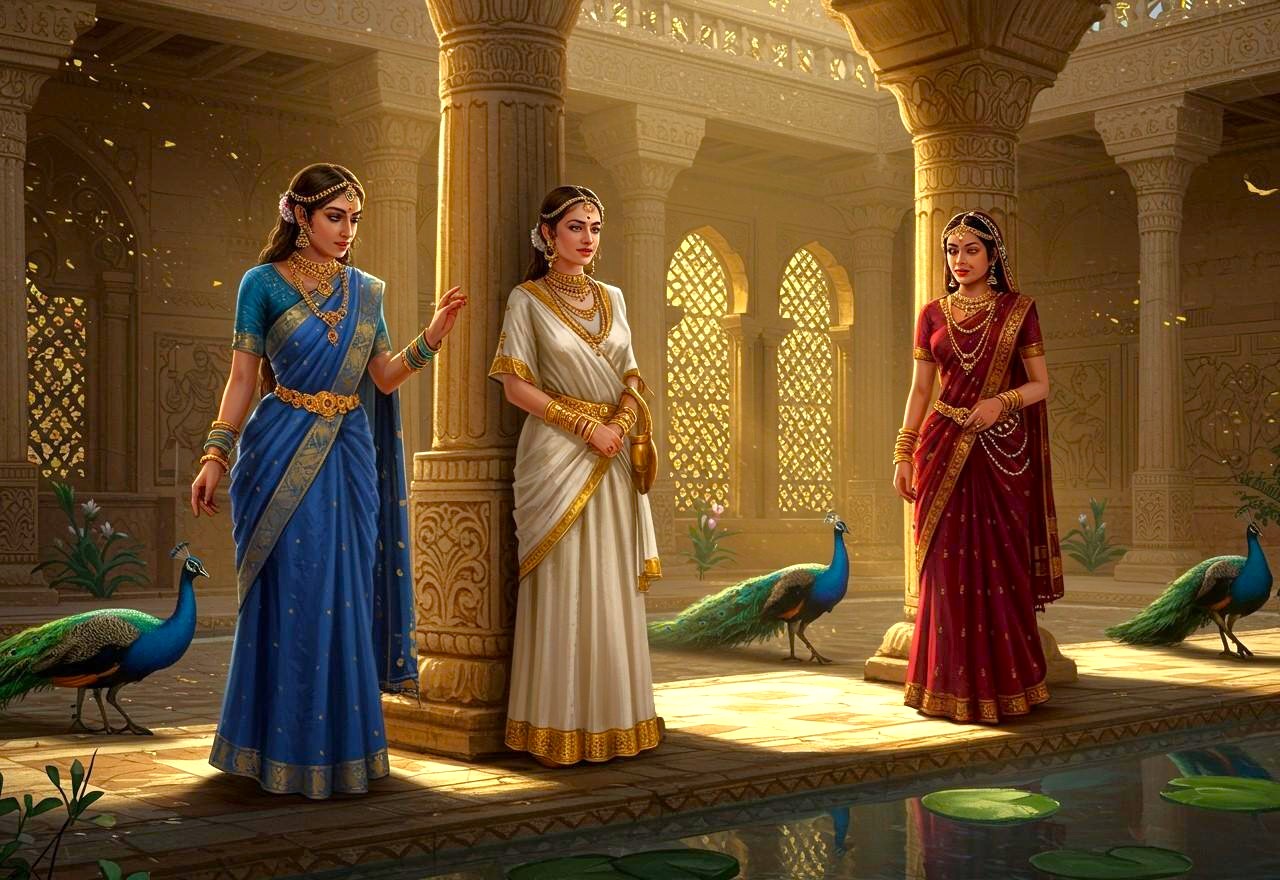
Royal marriage in Chera history was both diplomatic strategy and social glue. Kings married daughters of neighboring dynasties to secure alliances or peace: Chera princesses went to courts in Tamilakam and beyond, bringing dowries and influence. Inside palaces, queens managed estates, sponsored temples and occasionally appeared in inscriptions as donors in their own names. In matrilineal pockets and later Kerala society, women of royal and Nair lineages wielded particular forms of property control and household authority, though how this was mapped onto early Chera practice is debated. Women’s ritual roles at temples, in festivals and in oral tradition kept them central to cultural continuity.
Magic, Seafaring Lore And Poetic Imagination
Around Chera strongholds and ports, belief in omens, sea‑spirits and ritual powers suffused daily life. Sailors watched stars, winds and bird patterns, listening to astrologers and diviners before voyages; offerings at coastal shrines sought protection from storms and shipwrecks. Sorcerers and ritual experts offered amulets against disease and misfortune; exorcists performed dramatic rites at groves and thresholds. Poets wove these beliefs into verses where kings calmed seas with generosity or angered gods with injustice. In a land where monsoon winds and ocean currents governed wealth, magic and maritime knowledge often blurred in popular imagination. Chera Dynasty Kerala India
Death, Cremation, Hero Stones And Sea Burials
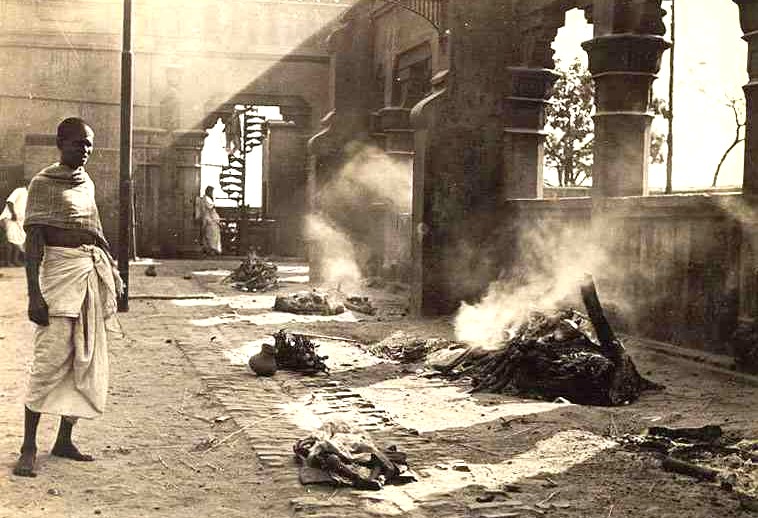
Funerary practice under the Cheras varied by community, but cremation of elites and hero‑stone memorials were common on land. Warriors killed in battle might be honored with stones carved with their likeness, weapons or deities, set along paths or near shrines, becoming minor cult centers. Common people were cremated or sometimes buried, with simple offerings and periodic ancestor rites at home or sacred sites. In port towns, deaths at sea added another layer: drowned sailors remembered with special prayers and perhaps symbolic offerings to the waves. Through inscription, stone and story, the dead remained part of the living social and sacred world.
Physicians, Ayurvedic Masters And Coastal Remedies
Health care in Chera realms combined Ayurveda, siddha‑like southern traditions, local herbal lore and ritual healing. Court physicians treated kings and nobles with tailored diets, massages, oils, herbal decoctions and perhaps early forms of Panchakarma‑type therapies. Village healers and midwives used hill and forest plants for fevers, skin diseases, digestive troubles and snakebites. Coastal communities relied on fish‑based tonics and sea‑breeze cures for certain ailments. People sought blessings and cures from temple deities and serpent shrines, offering milk, flowers and lamps. Trade brought new substances - resins, aromatics, mineral drugs - from Arabia and beyond, enriching the regional pharmacopoeia. Chera Dynasty Kerala India
Aqueducts, Backwaters And Royal Waterworks
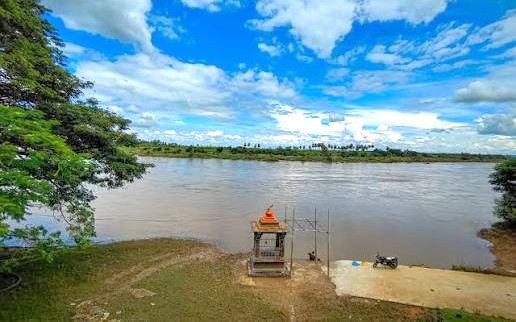
Managing water in a land of heavy monsoons, rivers and backwaters required skill. Chera rulers and local elites sponsored bunds, channels and tanks to irrigate paddy fields, prevent flooding and stabilize embankments. In later medieval phases, elaborate temple tanks, ghats and early canal systems linked sacred sites to fields and settlements. Backwaters served as natural waterways: Chera‑era and successor regimes maintained ferries, bridges and boat services that made commerce and communication possible. Water management had religious dimensions too: rivers and tanks were often consecrated, with rituals acknowledging their divine aspects and the king’s duty to steward them.
New Orders, Fragmentation And Enduring Legacies
Over centuries, Chera power waxed and waned. Early Tamil Cheras faded as other dynasties rose: later Kulasekhara Cheras at Mahodayapuram fractured under internal conflicts and external pressures, including Chola expansion. In their place, smaller principalities, Nair houses, temple corporations and later feudal states like Venad and Kochin emerged, followed by Portuguese, Dutch and British interventions. Yet Chera legacies persisted in Kerala’s temple networks, trade traditions, place‑names, oral ballads and the memory of a time when western spice lands fielded their own crowned kings. Their story links Sangam poetry, Indian Ocean commerce and the slow formation of a distinct Malayalam‑speaking cultural world. Chera Dynasty Kerala India
Step Inside The Story - View All Tour Itineraries & Details

We’re here to offer genuine, thoughtful guidance if your interested in travelling to India. As a small, dedicated team, we pay close attention to every detail so you can focus on enjoying the experience while we take care of the planning. We believe the best trips begin when someone truly listens to what you want and how you like to travel, so the journey feels right for you and contributes to a happy, positive group on tour. Our communication stays clear, straightforward, and respectful at every step, with the goal of helping you feel understood, supported, and confident from first contact to the end of your journey.
Click Catherine Frith - About The Founder
Click Discover Life Travel - All tours and more
Click Why We Are Different - Unique, Safe, Transparent