A Unique Look Into Indian History
Kaurava Dynasty: North India
Discover Life Travel
Kingdom of Shadows and Conflict
Before the hundred sons of Dhritarashtra defined an age of strife, the Kuru kingdom, with its magnificent capital Hastinapura on the Ganga, was the jewel of the plains. Under kings like Shantanu and his son Bhishma, the Great Regent, it was a bastion of Dharma and martial prowess. The populace revered the Bharata lineage, a line stretching back to epic ancestors. Yet, beneath this veneer of stability, the history of the Kuru kingdom before the great war was marked by succession crises and fateful vows, creating subtle fractures in the foundation of the dynasty that would soon split the world apart. Kaurava Dynasty North India
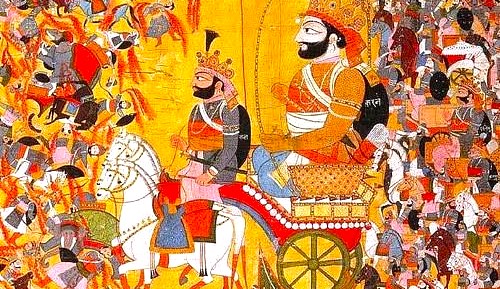
Kaurava Dynasty North India: The Hundred Princes Are Born
The specific Kaurava branch "arrived" not by conquest but through a miraculous and ominous birth. After King Pandu abdicated due to a curse, his elder, blind brother Dhritarashtra ascended the throne. His queen, Gandhari, after a prolonged pregnancy, gave birth to a ball of flesh. The sage Vyasa divided it into one hundred and one parts, which were nurtured in pots of ghee. From these emerged the hundred Kaurava brothers, led by the eldest, Duryodhana, and their sister, Dushala. This birth of the one hundred Kaurava brothers was seen as a dark omen, heralding an age of envy and conflict.
A Palace Poisoned by Envy
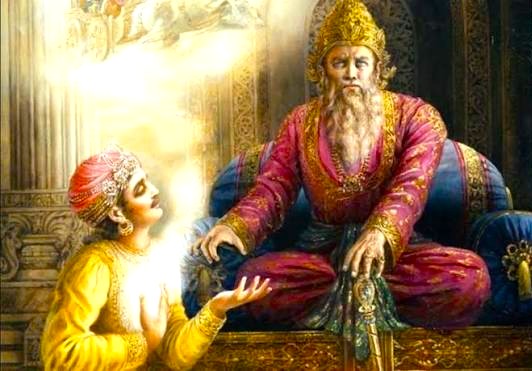
The daily life of King Dhritarashtra was one of physical darkness and emotional turmoil, his love for his eldest son, Duryodhana, often overriding his duty as king. Queen Gandhari, having blindfolded herself in solidarity with her husband, raised her sons in a world of perceived injustice, fueled by their cousin Pandavas' natural talents. The life of Prince Duryodhana in the Hastinapura palace was consumed by jealousy and a burning ambition to be the undisputed ruler, his every action aimed at undermining his cousins and securing his claim to the throne. Kaurava Dynasty North India
A Populace Divided in Loyalty
The citizens of Hastinapura lived in a prosperous, well-ordered kingdom, proud of their Kuru heritage. They witnessed the prodigious talents of the five Pandava princes and the simmering resentment of the hundred Kauravas. While tradition dictated loyalty to the reigning monarch, Dhritarashtra, there was widespread popular affection for the virtuous Yudhishthira and the mighty Bhima and Arjuna. This created a subtle tension, a city where the public opinion on the Pandava-Kaurava rivalry was a silent but powerful undercurrent, with many fearing the inevitable clash that the court’s animosity foretold.
Feasts Fueling Arrogance

The royal kitchens of Hastinapura were symbols of imperial might, preparing lavish feasts for a court of proud Kshatriya warriors. The diet was rich with game meats, dairy products, fine grains, and potent wines. These were not just meals but political events, where alliances were displayed and arrogance was fueled. The culinary traditions of the Kuru royal court reflected a culture of strength and abundance, but under Duryodhana’s influence, these grand feasts often became arenas for boasting and plotting, the luxury of the palace sharpening his envy rather than satisfying it. Kaurava Dynasty North India
The Law Twisted into a Noose
The law of the land was Dharma - a complex code of righteousness, duty, and cosmic order. The Kauravas, led by Duryodhana and advised by his cunning uncle Shakuni, became masters at twisting this code to serve their own ends. The most infamous example was the dice game, where they used legal technicalities to strip the Pandavas of their kingdom, their freedom, and ultimately, to attempt the public humiliation of their queen, Draupadi. These ethical and legal violations in the Mahabharata dice game represented a catastrophic failure of Dharma, an act that made war almost inevitable.
Gods of the Ruling House
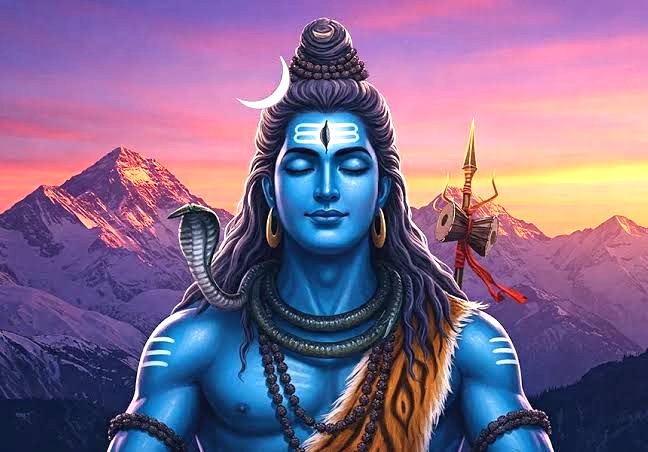
The Kauravas, like their ancestors, were followers of the Vedic and Puranic pantheon. They performed grand yajnas (fire sacrifices) to honour gods like Indra, Agni, and Vishnu. However, many of the key figures on their side had strong Shaiva leanings. Their great teacher, Dronacharya, was a devotee of Shiva, as was his son Ashwatthama. Duryodhana himself is sometimes depicted as having a special devotion to Shiva. Their worship was often aimed at acquiring power and boons for military victory from Hindu deities, a transactional faith to support their worldly ambitions.
A Tournament Rising
Grand public events in Hastinapura were displays of royal power and martial skill. The most significant was the tournament organized to showcase the princes' training. It was here that Arjuna's supreme archery was revealed, but the event was gatecrashed by Karna, the unacknowledged son of Kunti, who challenged Arjuna. Duryodhana, seizing the opportunity, immediately befriended Karna and made him a king on the spot. This friendship between Duryodhana and Karna was forged in public defiance of the Pandavas, turning a royal celebration into a prelude to war. Kaurava Dynasty North India
A Game of Dice, A Kingdom Lost
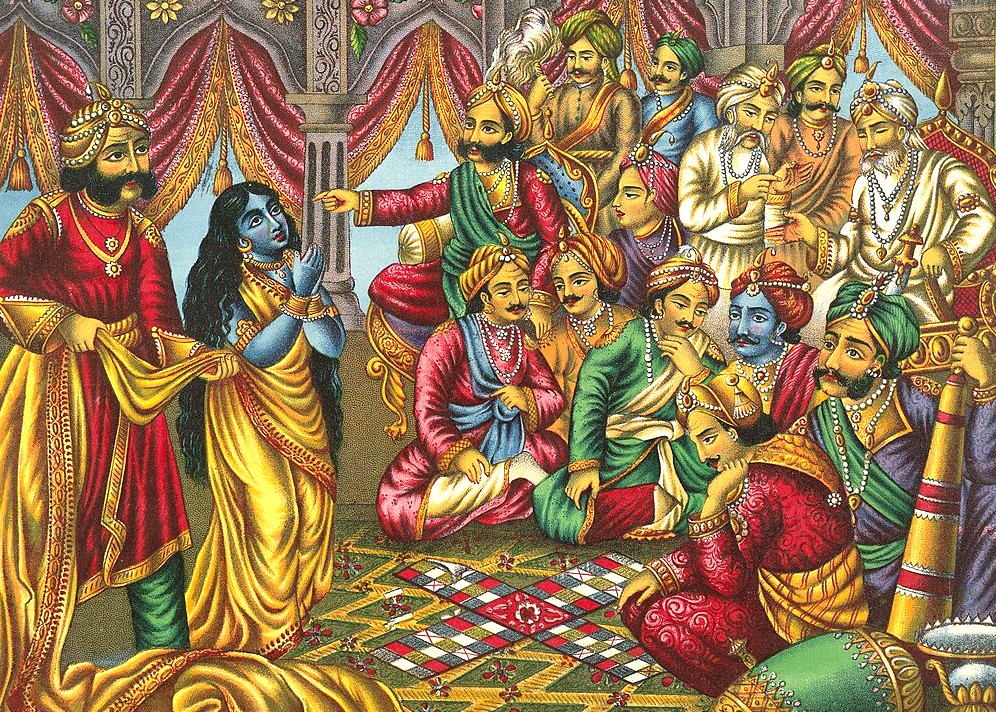
The primary "entertainment" of the Kaurava court became the fateful game of dice, or dyuta. It was not a game of chance but a masterclass in deception, orchestrated by the master cheat, Shakuni. He played on Yudhishthira's royal obligation to accept a challenge, luring him into gambling away his wealth, his kingdom, his brothers, himself, and finally, his wife Draupadi. This use of the dyuta game for political ruin was the ultimate expression of the Kauravas' corrupt statecraft, a dark and compelling spectacle that led directly to their downfall.
The Resilience of a Doomed Army
The Kurukshetra War was the ultimate test of resilience. The Kaurava army was larger, led by seemingly invincible patriarchs like Bhishma and the supreme archer-guru Drona. For ten days, Bhishma held the Pandava army at bay, an unstoppable force. After his fall, Drona unleashed devastating campaigns. The tragic fate of Bhishma and Drona, forced by their vows to fight for a cause they knew was unjust, is a core theme of the epic. Their skill and power demonstrated the formidable strength of the Kaurava war machine, even in a doomed cause.
A Blindfolded Queen, A Disrobed Princess
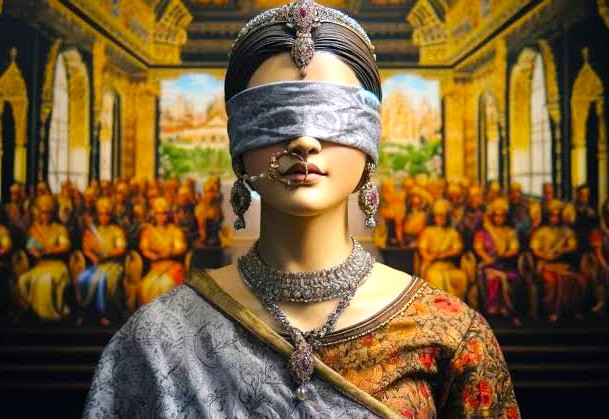
The marital alliances of the Kauravas were fraught with tragedy. The Gandhara princess Gandhari, upon learning her betrothed, Dhritarashtra, was blind, chose to blindfold herself for life - an act of devotion that also perhaps symbolized a willful ignorance of her sons' evil deeds. The Kauravas' treatment of women culminated in their attempt to publicly disrobe Draupadi in court. This heinous act, the public humiliation of Draupadi by the Kauravas, was the point of no return, an unforgivable sin against womanhood and royalty that sealed their doom. Kaurava Dynasty North India
The Magic of Divine Weapons
The "magic" of the Kaurava era was the terrifying power of astras, celestial weapons invoked by mantras. Their guru, Drona, taught them the use of these divine armaments, from fiery projectiles to weapons that could cause torrential rain. Warriors like Bhishma, Drona, and Karna possessed weapons capable of destroying entire armies. The use of divine weapons and military formations in the Kurukshetra War turned the battlefield into a cataclysmic landscape, a deadly spectacle of supernatural power unleashed by mortal hands.
A Field of Royal Funerals
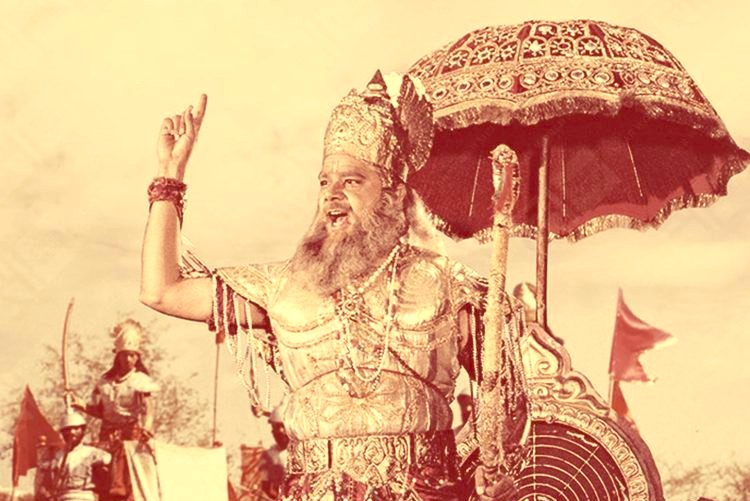
The end of the Kurukshetra War saw a field littered with the bodies of kings, princes, and warriors. The final rites for the fallen were a monumental task of mass cremation. The funerals for the great Kaurava commanders - Bhishma, Drona, Karna, and finally Duryodhana - were performed with solemn, tragic honour by the victorious but grieving Pandavas. The post-war funeral rites for the Kaurava princes were a somber affair, a final, heartbreaking recognition of the kinship that had been destroyed by ambition and envy.
Physicians of a Great War
The Mahabharata describes the presence of sophisticated medical support during the Kurukshetra War. Both armies had camps with physicians, or vaidyas, skilled in surgery and herbal medicine. They were equipped to extract arrows, treat grievous wounds, and tend to the countless injured soldiers. The role of medical practitioners during the Kurukshetra War highlights an advanced understanding of battlefield medicine, a necessary and respected profession amidst the carnage, dedicated to saving lives in a conflict designed to end them. Kaurava Dynasty North India
The Sacred Rivers of the Kingdom
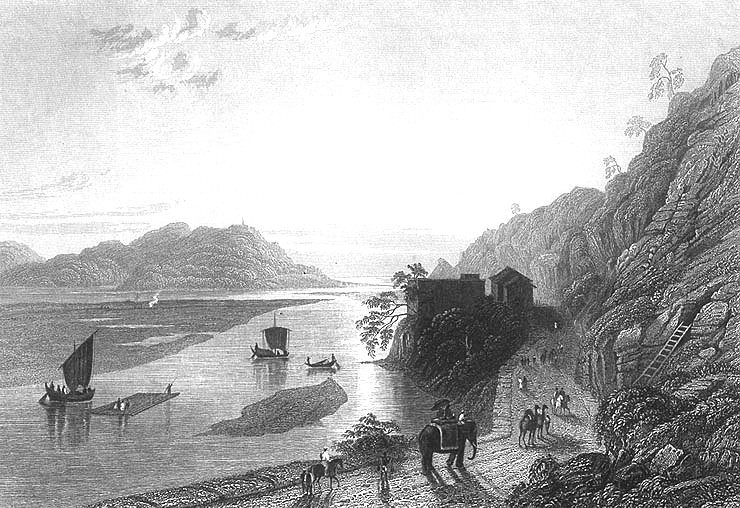
The Kuru kingdom was cradled between the two most sacred rivers of India, the Ganga and the Yamuna. Hastinapura itself was situated on the banks of the Ganga. These rivers were the kingdom's lifeline, serving as highways for trade, sources of water for agriculture, and sites for sacred rituals and royal cremations. The importance of the Ganga and Yamuna rivers to Hastinapura was both practical and spiritual; they were the arteries of the kingdom, their holy waters bearing witness to the dynasty's rise, its glory, and its tragic, self-inflicted demise.
The Last King Falls, A New Age Begins
The Kaurava Dynasty's rule ended on the eighteenth day of the war, with the fall of its last great warrior, Duryodhana. After a titanic mace battle with Bhima, the wounded Kaurava king died, surrounded by the handful of survivors on his side. With his death, the war was won. The victorious Pandava prince, Yudhishthira, ascended the throne of Hastinapura. The ascension of Yudhishthira after the Kurukshetra War marked the end of the Kaurava lineage's hold on power and the beginning of a new, somber era of rebuilding on the ashes of a devastating fratricidal conflict.
Step Inside The Story - View All Tour Itineraries & Details

We’re here to offer genuine, thoughtful guidance if your interested in travelling to India. As a small, dedicated team, we pay close attention to every detail so you can focus on enjoying the experience while we take care of the planning. We believe the best trips begin when someone truly listens to what you want and how you like to travel, so the journey feels right for you and contributes to a happy, positive group on tour. Our communication stays clear, straightforward, and respectful at every step, with the goal of helping you feel understood, supported, and confident from first contact to the end of your journey.
Click Catherine Frith - About The Founder
Click Discover Life Travel - All Tours and More
Click Why We Are Different - Unique, Safe, Transparent