Unique Insights Into The Gods of india
Bhishma: Gangas Oath Forged Son
Discover life Travel
An Elemental God Cursed to Mortal Birth
Bhishma's entire life was sworn to a single, powerful location. The sacred geography of the Kuru capital, Hastinapura, located near modern-day Meerut in Uttar Pradesh, was the center of his universe. He was its guardian, its grand-regent, and its ultimate protector. He never ruled it as king, but his presence dominated its throne room for generations. His final, most iconic location was the dusty plain of the Kurukshetra battlefield, where, upon his famous deathbed of arrows, the Shara-shayya, he held court one last time, dispensing wisdom as he waited for the auspicious moment to depart the world. Bhishma Gangas Oath Forged Son
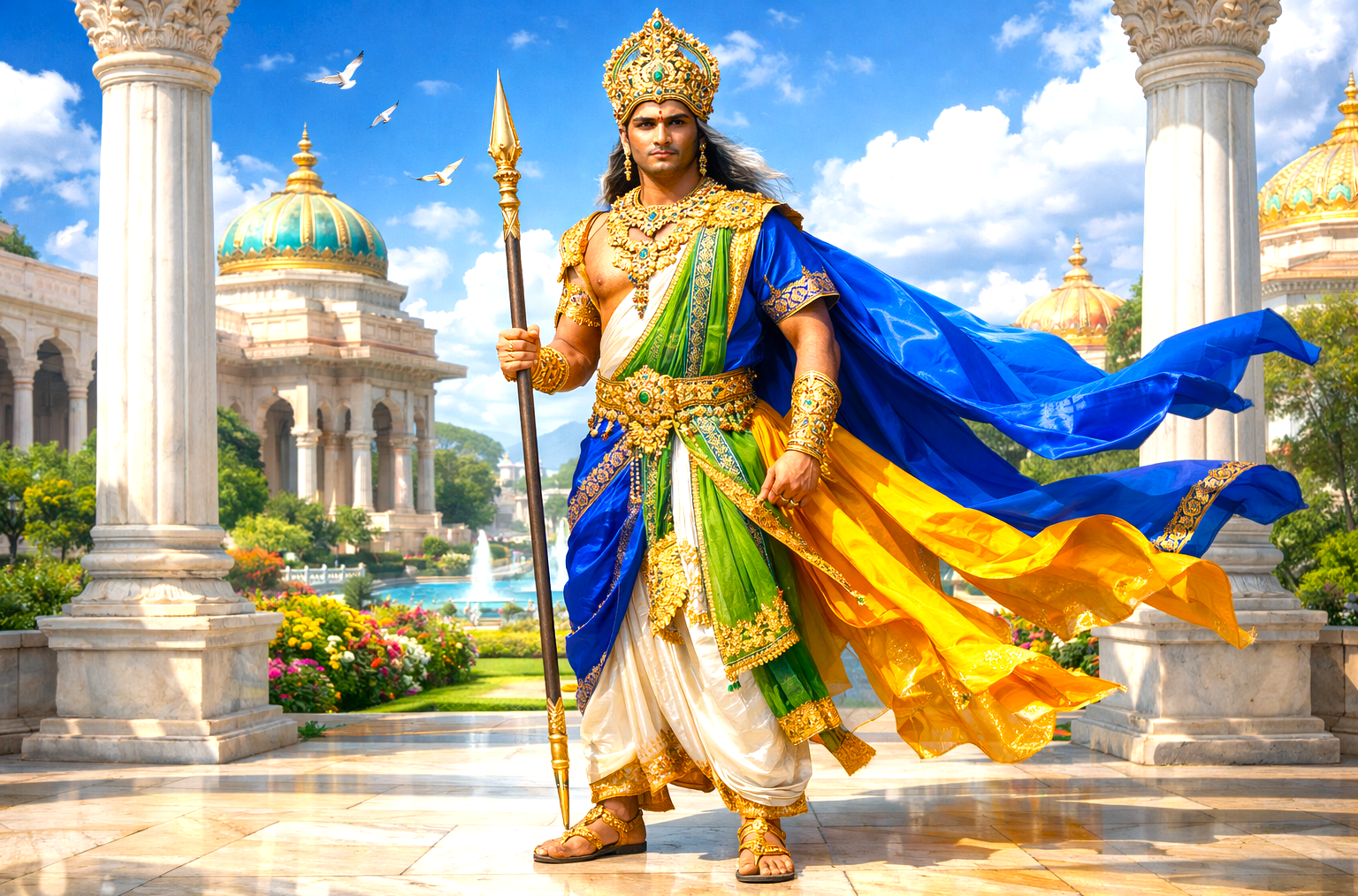
The Grand Court of Hastinapur: Bhishma Gangas Oath Forged Son
Bhishma's entire life was sworn to a single, powerful location. The sacred geography of the Kuru capital, Hastinapura, located near modern-day Meerut in Uttar Pradesh, was the center of his universe. He was its guardian, its grand-regent, and its ultimate protector. He never ruled it as king, but his presence dominated its throne room for generations. His final, most iconic location was the dusty plain of the Kurukshetra battlefield, where, upon his famous deathbed of arrows, the Shara-shayya, he held court one last time, dispensing wisdom as he waited for the auspicious moment to depart the world.
The Son of Ganga, The Guardian of a Dynasty
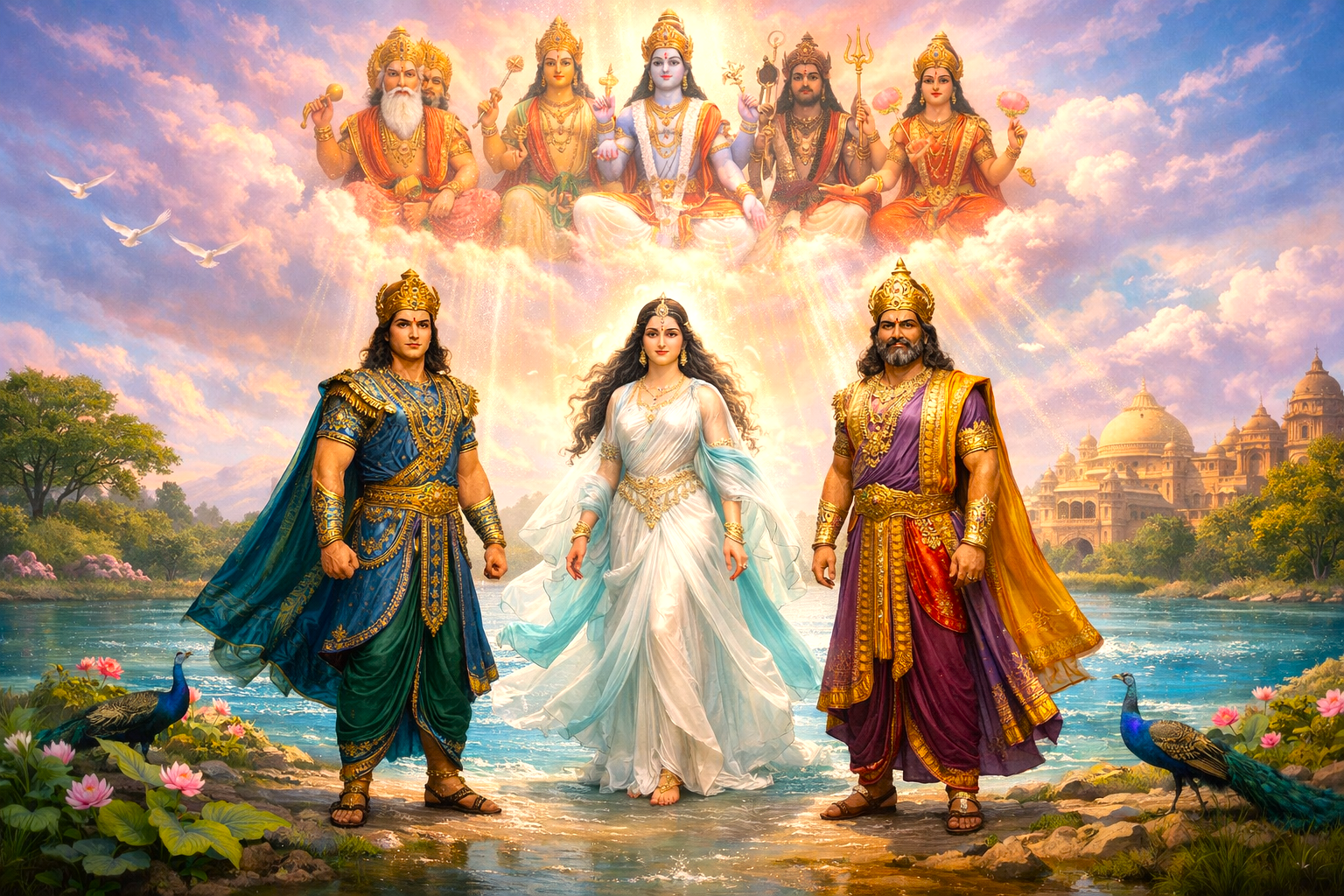
Bhishma’s family story is one of sacrifice and tragic guardianship. His father was the Kuru monarch, King Shantanu, and his mother was the sacred river goddess Ganga. He had no wife or children due to his vow. His step-mother was the fisher-queen Satyavati, and his two half-brothers, for whom he sacrificed his throne, were Chitrangada and Vichitravirya. As the grand-uncle to both the Pandavas and the Kauravas, he was the patriarch of the entire Kuru clan, a dynasty he sacrificed everything to protect, only to be forced to lead it into a war of self-annihilation. Balaram Gentle Strength Thunder Grip
Imagine being at this place - seeing where it happened!
The Vow and the Bed of Arrows
The symbols of Bhishma are not of kingship, but of immense sacrifice and martial prowess. His most defining symbol is the Bhishma Pratigya, his terrible vow of lifelong celibacy and service to the throne of Hastinapura, representing the ultimate sacrifice of personal happiness for the sake of duty. His other great symbol is the sacred deathbed of arrows upon which Bhishma lay, a testament to his invincibility as a warrior - so skilled that no arrow could kill him, however, so numerous they could hold his body aloft. His white beard and garments symbolize his purity, wisdom, and immense age.
The Prince Raised by River and Sage
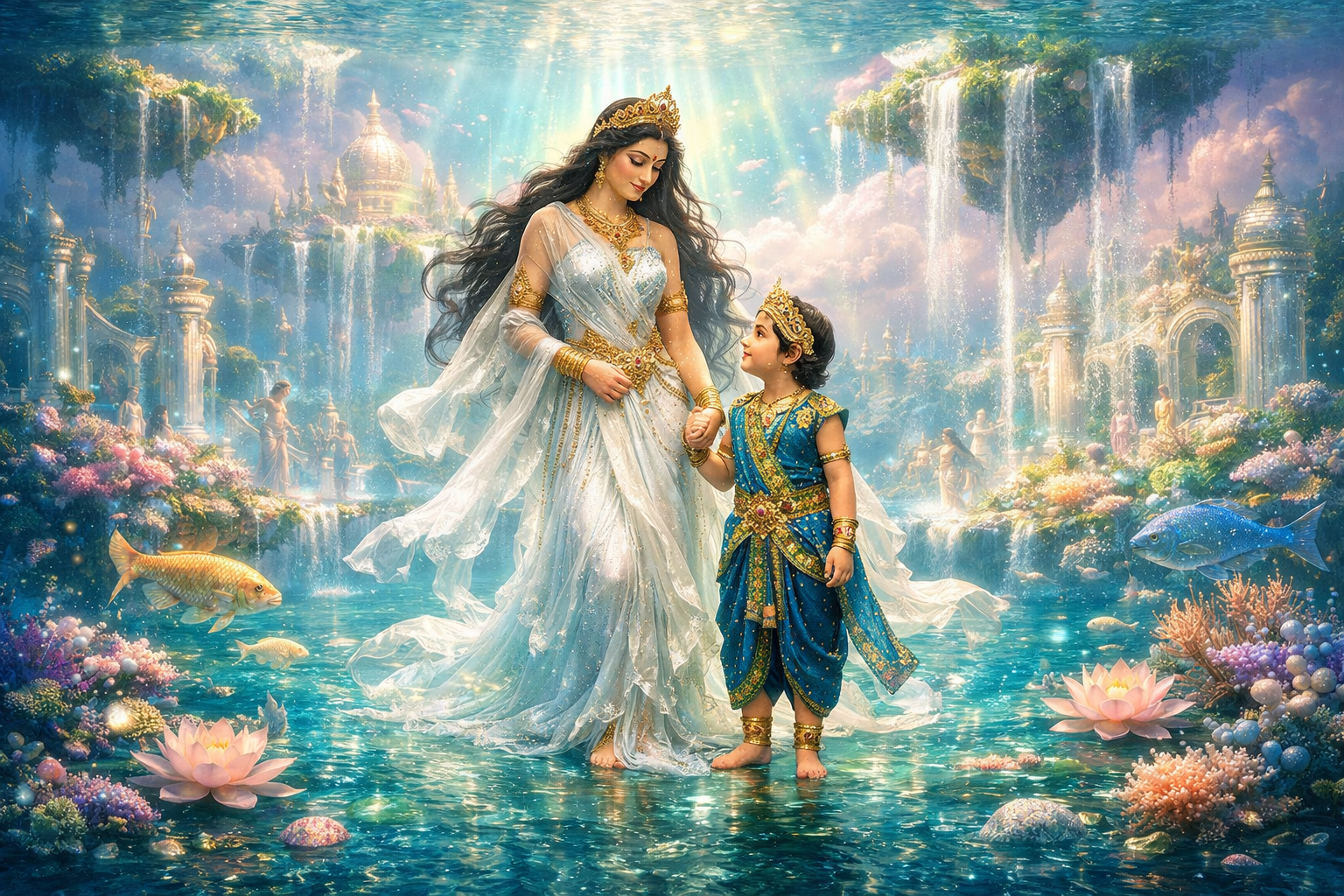
Bhishma's upbringing by the goddess Ganga took place in her celestial, watery realms. She took him away at birth, and he was taught the science of politics by Brihaspati (the guru of the gods) and the art of warfare by the great sage Parashurama, the warrior-avatar of Vishnu. When his father Shantanu, years later, saw a handsome youth who had stopped the entire flow of the river Ganga with his arrows, he witnessed his son's divine power for the first time. Ganga returned the fully-trained, god-like prince to his rightful human kingdom.
The Sacrifice of a Throne for a Father's Love
King Shantanu fell deeply in love with Satyavati, the beautiful daughter of a fisherman. Her father would only agree to the marriage on one condition: that Satyavati's sons, and not Devavrata, would inherit the throne. The story of Devavrata’s terrible vow of lifelong celibacy was his solution to his father's heartbreak. To assure the fisherman, Devavrata first vowed to renounce his claim to the throne. But when the fisherman worried that Devavrata's future children might contest the claim, the prince took his second, "terrible" vow of lifelong celibacy. It was this monumental sacrifice that earned him the name Bhishma, "He of the Terrible Vow." Bhishma Gangas Oath Forged Son
See the ancient narratives etched into the heart of the subcontinent.
The Abduction of the Three Kashi Princesses
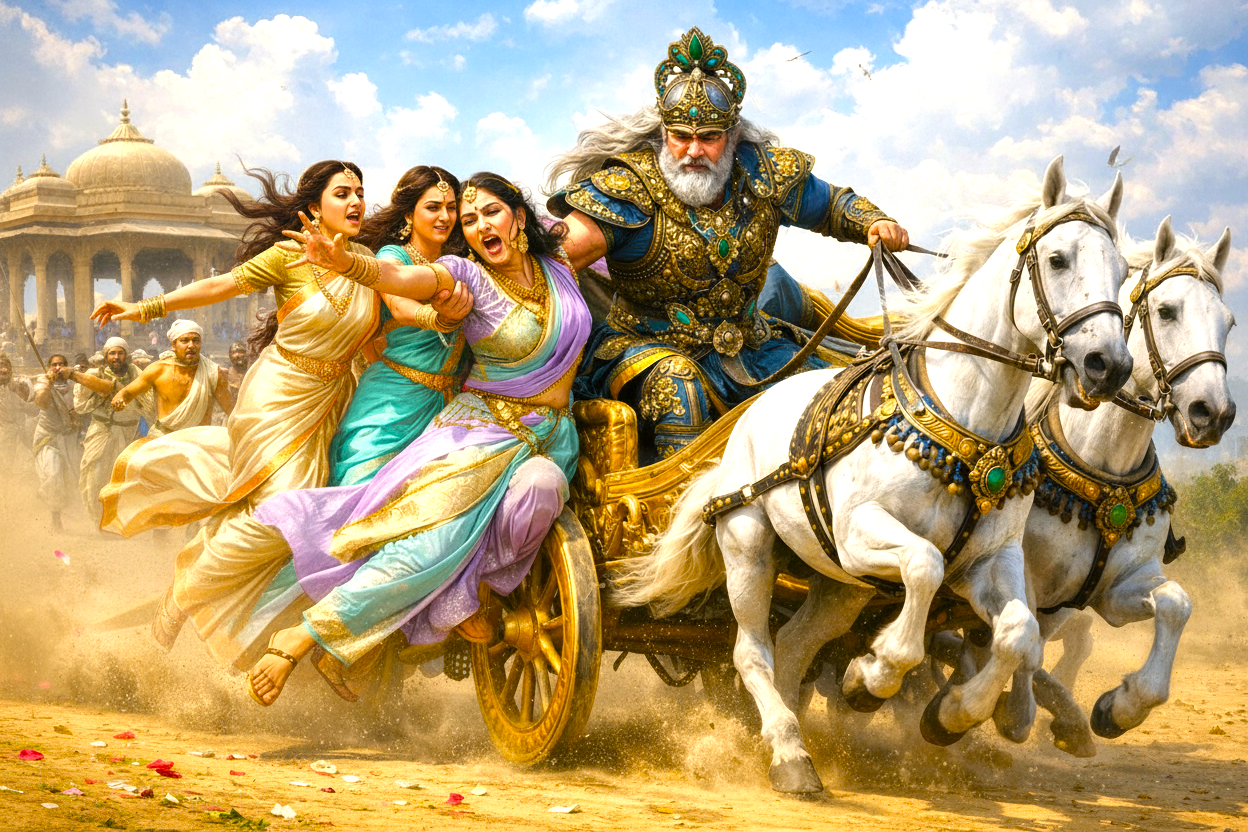
To secure wives for Vichitravirya, Bhishma forcefully intervened at the Swayamvara of the Kashi princesses. Single-handedly defeating the assembled monarchs, he abducted Amba, Ambika, and Ambalika to Hastinapur. While this act upheld his duty to the Kuru throne, it triggered tragic repercussions. Princess Amba, already in love with King Salva, felt disgraced by the abduction. Her relentless quest for justice and subsequent vow of vengeance eventually led to Bhishma’s downfall, proving that even a righteous act can invite catastrophe.
The Teacher's Will Against the Student's Duty
After being rejected by her beloved, the princess Amba demanded that Bhishma marry her. Bound by his vow, he refused. Seeking justice, Amba went to Bhishma's own guru, the mighty Parashurama. The story of the epic duel between Bhishma and his guru Parashurama was a cataclysmic battle. Parashurama ordered his student to marry Amba, but Bhishma refused to break his vow. The resulting battle lasted for 23 days, a terrible stalemate where neither the student nor the teacher could defeat the other. The fight only ended when the gods intervened, proving that Bhishma's commitment to his vow was as powerful as his guru's divine weapons. Balaram Gentle Strength Thunder Grip
Feel the energy of the sites that inspired a thousand legends.
The Living Impasse on a Bed of Arrows
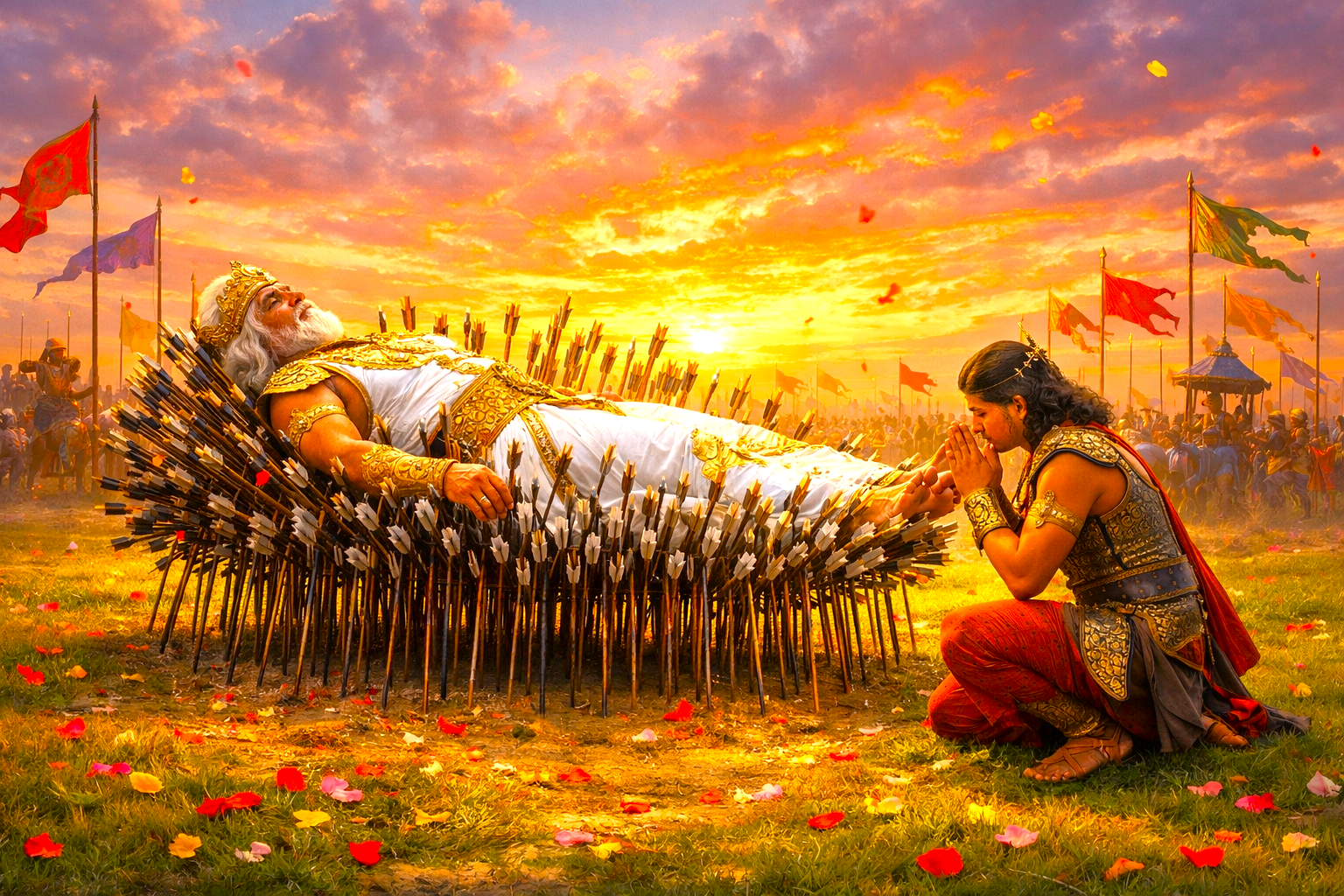
As the Kauravas' unstoppable commander, Bhishma could not be defeated by direct force. On the war's tenth day, the Pandavas strategically positioned Shikhandi - Amba’s reincarnation - before him. Bound by his rigid code of honor, Bhishma refused to strike someone he perceived as a woman and lowered his weapons. Arjuna then pierced him with countless arrows. Bhishma fell, yet remained suspended above the ground on a bed of shafts, surviving by his own will as a living monument to complex dharma.
A Message: An Oath Without Wisdom Is a Prison
Bhishma’s magnificent and tragic life offers one of the most complex lessons on the nature of duty. The empowering message from the life of Bhishma is about the supreme sanctity of one's word and the power of selfless service. However, his story is also the ultimate cautionary tale about how a rigid oath devoid of wisdom can become a cage that forces one to support adharma (unrighteousness). He teaches that duty without discernment is dangerous. His life is a heartbreaking example of how the noblest of intentions and the most profound sacrifices can, without a flexible moral compass, lead to personal tragedy and global destruction. Bhishma Gangas Oath Forged Son
Discover the sacred geography where the great epics unfolded - Discover Life Travel
The Crown Chakra and a Ray of Pure White Light
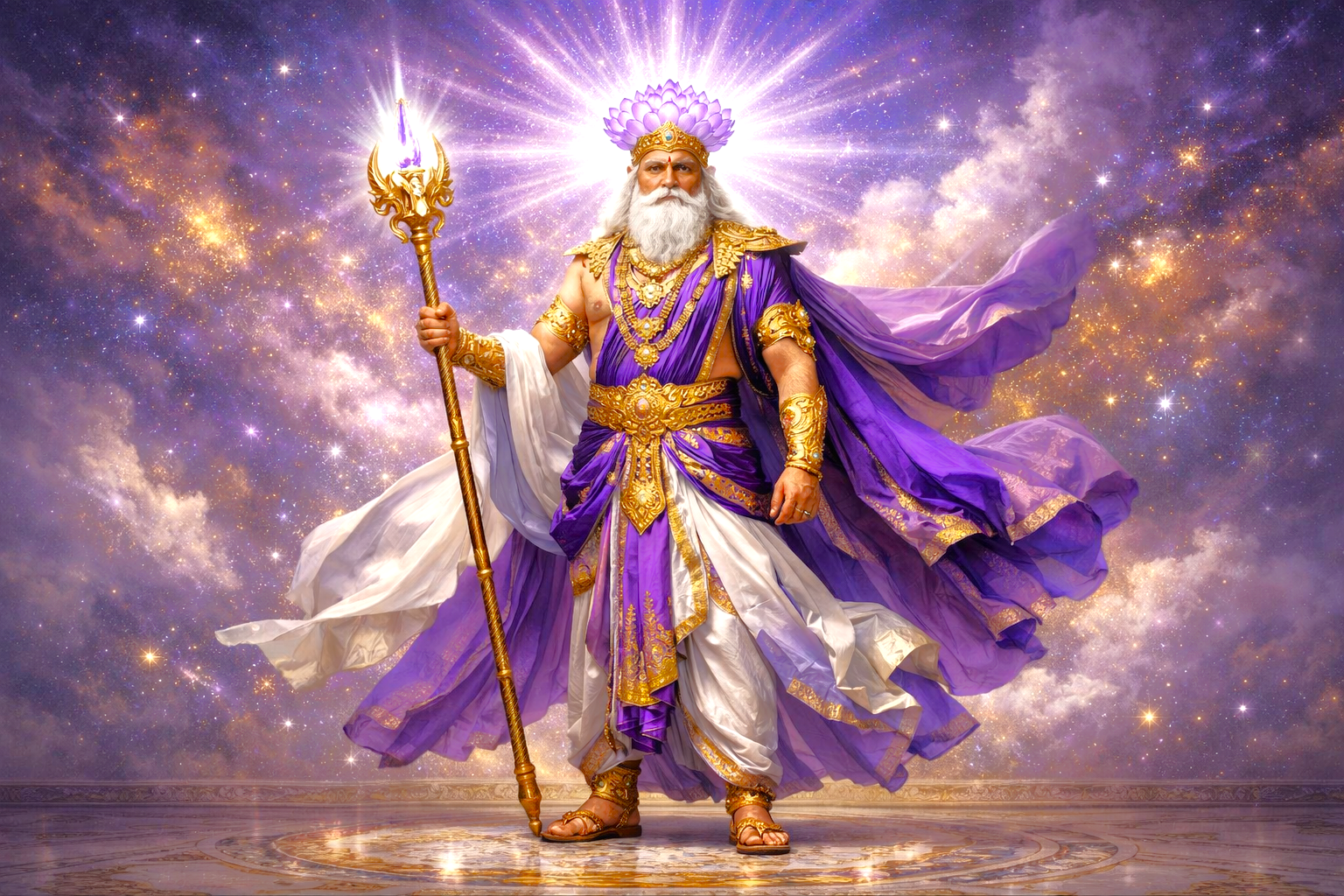
As a lifelong celibate and master of wisdom, Bhishma embodies the Sahasrara (Crown) Chakra—the thousand-petaled lotus of spiritual liberation. His energy resonates at the frequency of shuddha sattva, representing untainted goodness and unwavering self-control. His auric field is a dazzling white ray, mirroring his garments and unblemished discipline. Conversely, Balaram represents a different power: the "Gentle Strength" of the earth and the "Thunder Grip" of raw, physical might. Together, they illustrate the vast spectrum of ancient Indian warrior mastery. Balaram Gentle Strength Thunder Grip
The Divine Weapon That Could End the World
As a student of Parashurama, Bhishma was the master of all celestial weapons. The power of the divine Brahmastra weapon possessed by Bhishma made him one of the most feared warriors of his age. This weapon, invoked by sacred mantras, was capable of causing cataclysmic destruction. However, Bhishma's true greatness is shown in the fact that while he possessed this ultimate power, he was bound by such a strict code of ethics that he would never use it against an unworthy opponent or for an unjust cause, making his restraint an even greater weapon than the astra itself. Bhishma Gangas Oath Forged Son
Click Why we are different - Unique tours into India
The Planet Saturn and the Stoic Shape of Duty
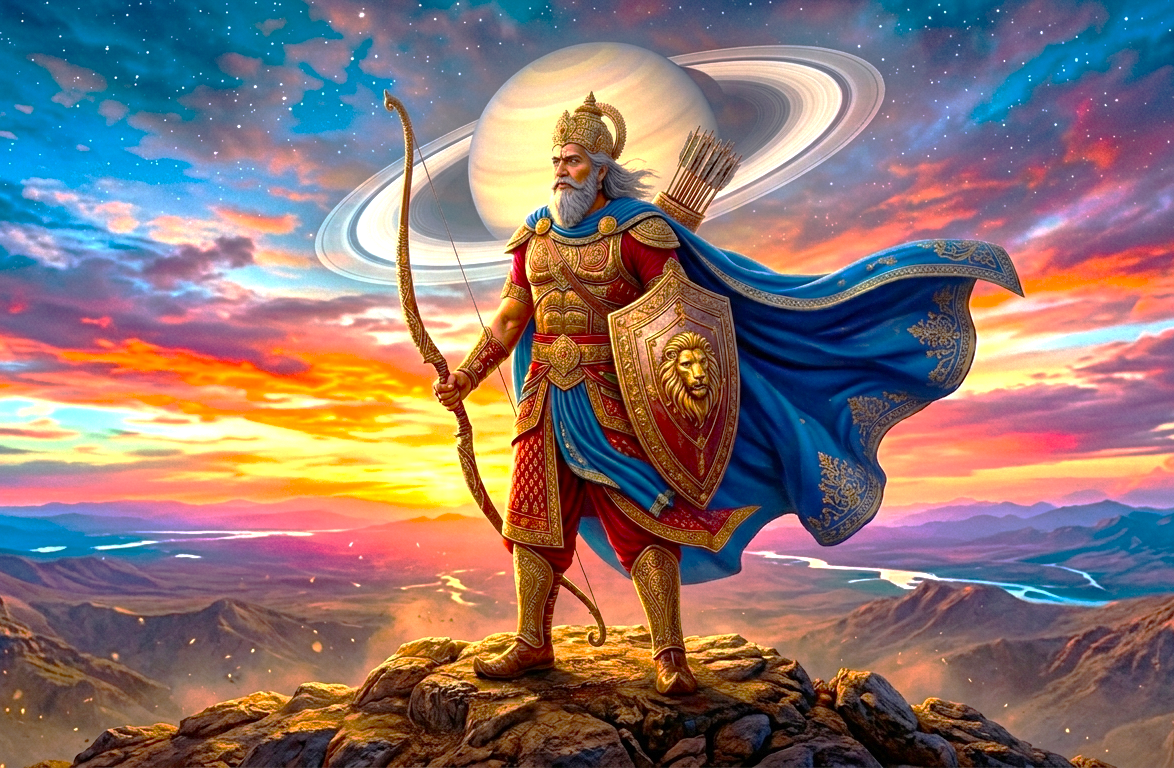
Bhishma embodies Saturn’s dignified essence: karma, sacrifice, and immense discipline. His life reflects Shani’s governance over duty, longevity, and endurance. Through his unwavering oath, he became a pillar of tradition, enduring profound suffering to uphold righteousness. His sacred geometry is the immovable square, representing the stable foundation he provided for the Kuru kingdom and the rigid, self-imposed prison of his vow. His journey remains the ultimate Saturnine lesson in integrity and the heavy weight of lifelong responsibility.
Step Inside The Story - View All Tour Itineraries & Details

We’re here to offer genuine, thoughtful guidance if your interested in travelling to India. As a small, dedicated team, we pay close attention to every detail so you can focus on enjoying the experience while we take care of the planning. We believe the best trips begin when someone truly listens to what you want and how you like to travel, so the journey feels right for you and contributes to a happy, positive group on tour. Our communication stays clear, straightforward, and respectful at every step, with the goal of helping you feel understood, supported, and confident from first contact to the end of your journey.
Click Catherine Frith - About The Founder
Click Discover Life Travel - All tours and more
Click Why We Are Different - Unique, Safe, Transparent