A Unique Look Into Indian History
Pandava Dynasty: Haryana - Delhi
Discover Life Travel
Life Before Pandava Rule
Before the Pandava Dynasty - (Kuru Dynasty) in ancient north India entered the epic record, the upper Ganga–Yamuna doab was already dotted with agrarian villages, tribal chiefdoms and early fortified settlements. Archaeological layers at sites like Hastinapur and nearby regions reveal pottery, mud-brick structures, ochre-colored ware and Painted Grey Ware linked to early Indo-Gangetic Iron Age culture and proto–Mahabharata-era settlements. Vedic clans, priests and warrior chiefs managed cattle, horses and fields, sustained by early Vedic ritual society in the Kuru–Panchala region. This milieu of competing lineages and evolving states formed the background against which the Pandavas’ story is framed in the epic tradition. Pandava Dynasty Haryana Delhi
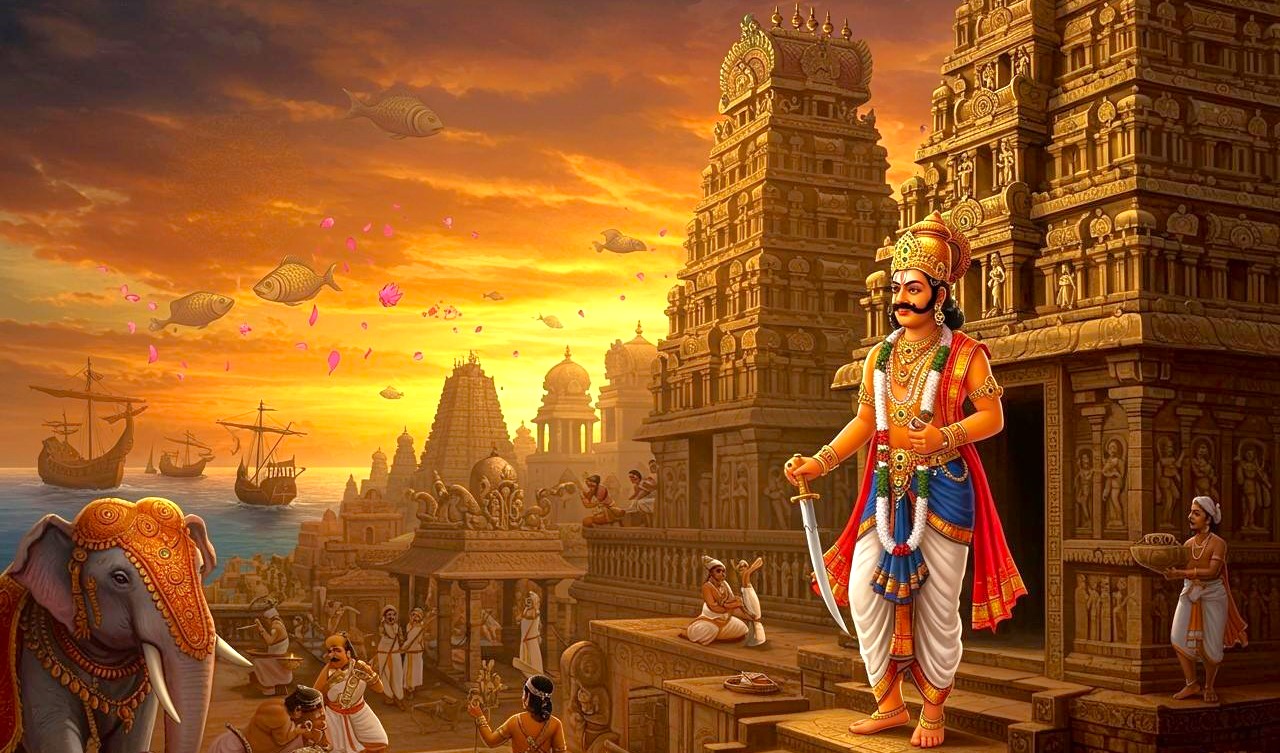
Pandava Dynasty - Haryana Delhi: Birth, Exile And Ascent Of The Pandavas
The origin story of the Pandava royal line in the Mahabharata tradition begins with King Pandu of the Kuru house and his wives Kunti and Madri. By divine boon, Kunti and Madri bore Yudhishthira, Bhima, Arjuna, Nakula and Sahadeva through invoked deities, forming the core Pandava brothers as semi-divine Kuru princes in epic north India. After Pandu’s death and a childhood in the forest, they returned to Hastinapura under Dhritarashtra’s guardianship, later receiving Indraprastha to rule. Through alliance, prowess and fate, they became central figures in the Kuru Dynasty succession struggle culminating at Kurukshetra.
Daily Life Of Pandava Rulers And Family
Courtly routine in Indraprastha during the Pandavas’ reign, as described in the Mahabharata, combines Vedic ritual with emerging royal bureaucracy. At dawn, Yudhishthira performed ablutions, fire offerings and mantras, flanked by priests and counselors, embodying ideal dharmic kingship in ancient Indian epic thought. Bhima oversaw provisions, military training and feasting; Arjuna trained in arms, chariotry and archery; Nakula and Sahadeva attended to horse and cattle wealth. Draupadi and other queens managed the inner apartments, stores and ritual observances, reflecting royal women’s authority over domestic economy and religious life in epic courts. Assemblies, petitions, sacrifices and festivals filled the days. Pandava Dynasty Haryana Delhi
Local Society In The Kurukshetra Belt
Outside palace walls, most people in Pandava-era Kuru territories as imagined in the Mahabharata lived agrarian lives. Farmers raised rice, barley and pulses in the riverine plains; pastoralists tended cows and horses crucial for ritual and war. Artisans - smiths, chariot-makers, potters, weavers - supplied early north Indian village and court economies in the epic age. Brahmins maintained sacrificial fires and teaching lineages; merchants carried goods along emerging trade routes. Village assemblies and elders helped settle disputes, illustrating customary governance structures beneath royal authority in early Indo-Gangetic society, even as the epic focuses more on elite struggles.
Kitchens, Offerings And Royal Hospitality
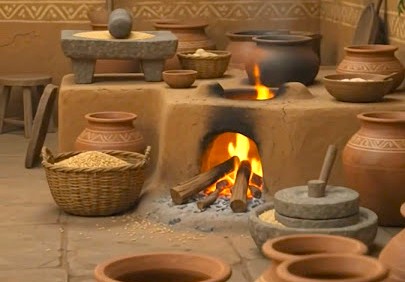
Food in Pandava courts and sacrificial events served spiritual, social and political purposes. Palace kitchens prepared rice, barley, ghee, milk, curds, fruits, vegetables and meat (in some accounts), showing Vedic-epic royal diet patterns in ancient north India. Enormous sacrifices and royal rituals, like the Rajasuya performed by Yudhishthira, involved feeding vast numbers of guests, priests and common people, reflecting idealized royal generosity and dana (gift) practices in the Mahabharata. Bhima is often associated with appetite and provisioning, symbolizing abundance. Through feasts, offerings to gods and feeding of Brahmins, the Pandavas embodied hospitality as a pillar of righteous kingship in epic narrative. Pandava Dynasty Haryana Delhi
Dharma, Law And Epic Justice
Law in Pandava-ruled realms as depicted in the Mahabharata is framed in terms of dharma rather than codified statute. Yudhishthira is portrayed as the embodiment of justice, consulting sages and priests on complex moral questions, illustrating dharma-based kingship ideals in Sanskrit epic literature. Disputes and crimes are handled through counsel, vows, oaths and sometimes exile or restitution. The dice-game episode dramatizes how legal and ritual forms can be abused, highlighting tension between formal legality and true righteousness in epic ethics. The Pandava story repeatedly tests how far law, promise and morality can stretch before they break.
Gods, Ancestors And Sacred Geography
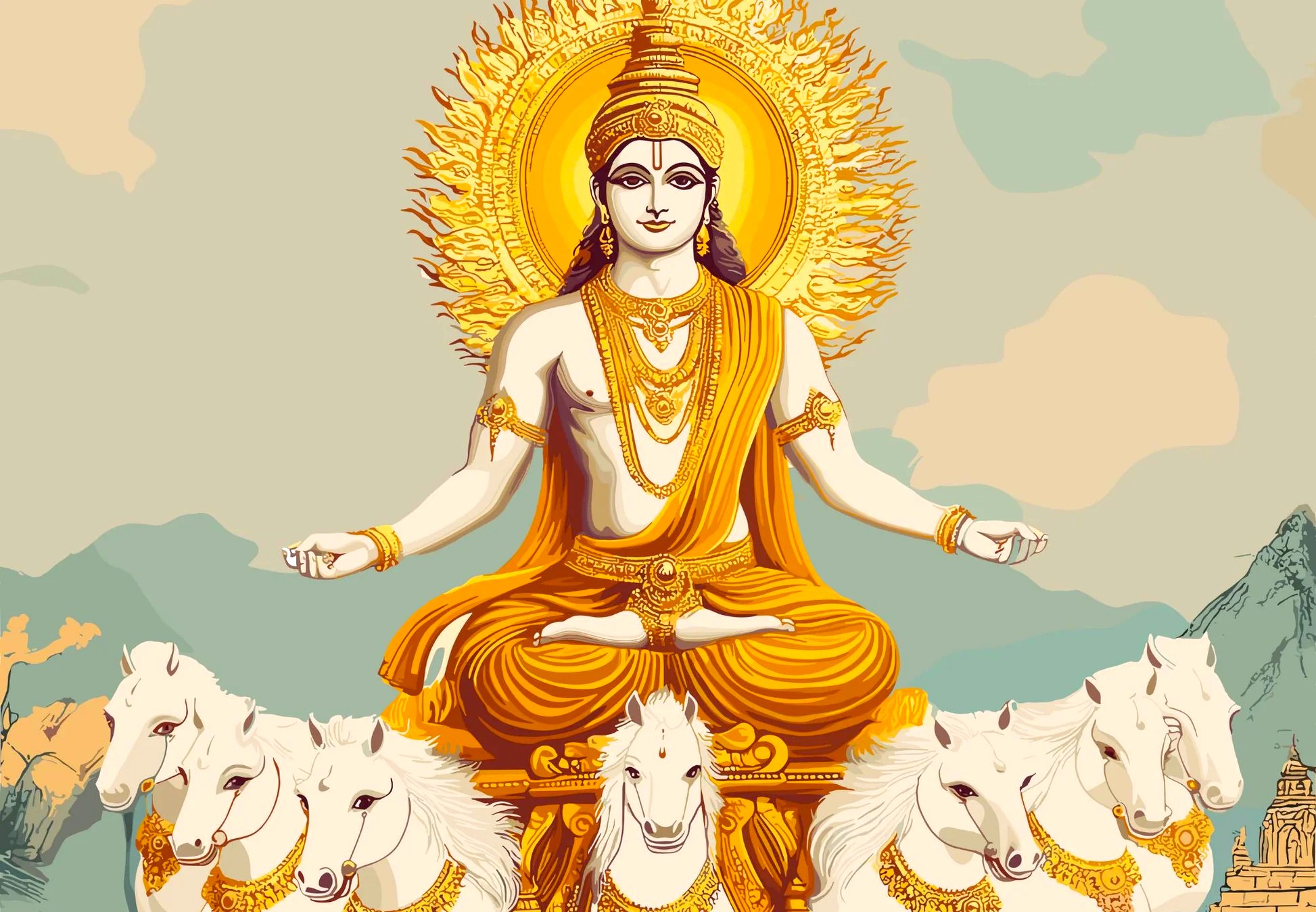
The Pandavas’ world is saturated with divinity and pilgrimage, central to Mahabharata-era sacred landscape. They worship and encounter deities like Krishna, Shiva, Indra and Surya: undertake pilgrimages to tirthas across the subcontinent: and perform rites for ancestors, reflecting integration of Vedic gods, local cults and pitṛ (ancestor) worship. Their journeys map an early sacred geography: rivers, mountains and forests associated with mythic events. Krishna’s guidance especially underscores bhakti-leaning devotional currents and divine - human relationships that later Hindu traditions would further develop from epic sources.
Festivals, Sacrifices And Ritual Cycles
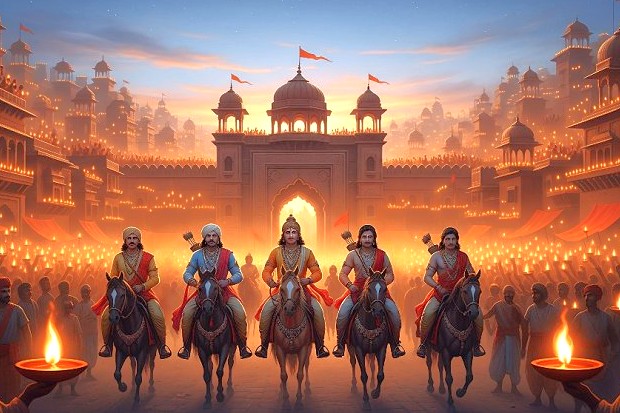
Major events in the Pandava saga are framed by large rituals and festivals, typifying royal sacrifice culture in the Mahabharata. Yudhishthira’s Rajasuya sacrifice celebrates imperial status with elaborate rites, gifts and performances. Seasonal festivals, vows and observances structure time, while specific vratas (vows) undertaken by Draupadi, Kunti or others show household and royal ritual practices in epic households. Music, dance, wrestling and chariot-races accompany gatherings, giving a sense of public festivity and courtly entertainments in ancient narrative imagination, even if not a strict historical record.
Sabha, Bards And Courtly Entertainment
The sabha (assembly hall) at Indraprastha, with its marvels and illusions, symbolizes idealized court architecture and spectacle in the Mahabharata. Here, envoys, kings, sages and bards gather; policies are discussed and fates decided. Poets, storytellers and dancers entertain the court, representing oral performance traditions and narrative culture at epic courts. The dice game, set in this hall, turns entertainment into tragedy, underscoring the sabha as a charged space where dharma can be upheld or violated. Through such scenes, the text explores how power, etiquette and spectacle intersect in royal life. Pandava Dynasty Haryana Delhi
Campaigns, Exile And Kurukshetra War
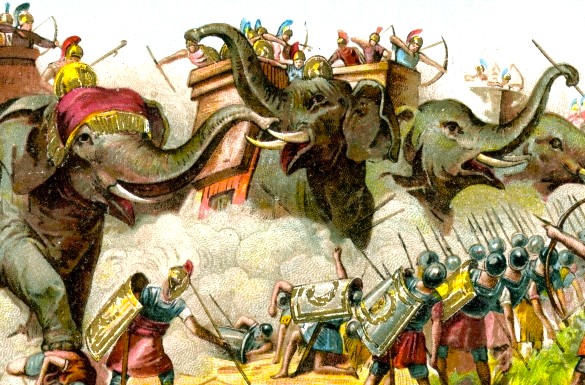
Military action in the Pandava story centers on exile wanderings and the Kurukshetra war, forming the archetype of righteous warfare in Indian epic tradition. The brothers fight demons, hostile kings and eventually their Kaurava cousins with chariots, elephants, cavalry and infantry, reflecting ancient Indian battle motifs and kshatriya codes. Kurukshetra becomes the stage for massive war councils, divine weapons and moral dilemmas. The Bhagavad Gita, set on the eve of battle, explores ethics of duty, violence and renunciation. The war’s devastation dramatizes the cost of adharma and ambition, shaping later Indian ideas about just war and political responsibility.
Marriages, Draupadi And Women’s Status
Marriage and gender in the narrative highlight complex norms around polyandry, polygyny and women’s agency in epic literature. Draupadi’s marriage to all five brothers is a unique, symbolic arrangement reflecting shared destiny and unity; other wives, such as Subhadra, connect the Pandavas to allied houses. Women like Draupadi, Kunti and Gandhari speak forcefully at key moments, yet also suffer deeply, making them central to Mahabharata explorations of female virtue, suffering and moral insight. Their treatment in the dice hall, forest and aftermath underscores patriarchal violence and the costs of male rivalry, even as the text grants them powerful voices.
Sages, Ascetics And Epic “Magic”
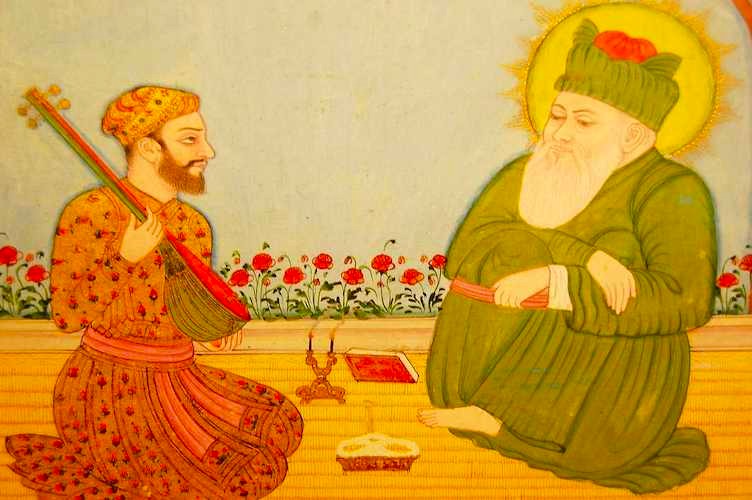
The Pandava narrative is filled with rishis, ascetics and beings with extraordinary powers, giving it a strong mythic and supernatural layer in epic-era storytelling. Boons, curses, astras (divine weapons), shape-shifting and prophecies are common, reflecting ancient Indian beliefs in tapas (austerity), karma and divine intervention. Sages like Vyasa move between storyteller, ancestor and guide roles. Encounters in forests - with yakshas, gandharvas, nagas and gods - situate the Pandavas in a cosmic moral universe where spiritual merit can reshape fate, blending morality, myth and what we would now call “magic.” Pandava Dynasty Haryana Delhi
Cremation Grounds, Ashes And Aftermath
Death and its rituals occupy a major place in the story, illustrating Hindu cremation rites and ancestor obligations in Mahabharata tradition. Fallen warriors at Kurukshetra receive pyres and libations where possible; widows and surviving kin perform shraddha and offerings. The Pandavas themselves undertake pilgrimages and penance after the war to atone for mass killing, showing ritual responses to collective violence in epic thought. In the end, their ascent through the Himalayas and Yudhishthira’s testing at heaven’s gate dramatize ideas of karma, heaven, hell and ultimate liberation (moksha), pushing the narrative from dynastic history into spiritual allegory.
Healers, Herbs And Divine Remedies
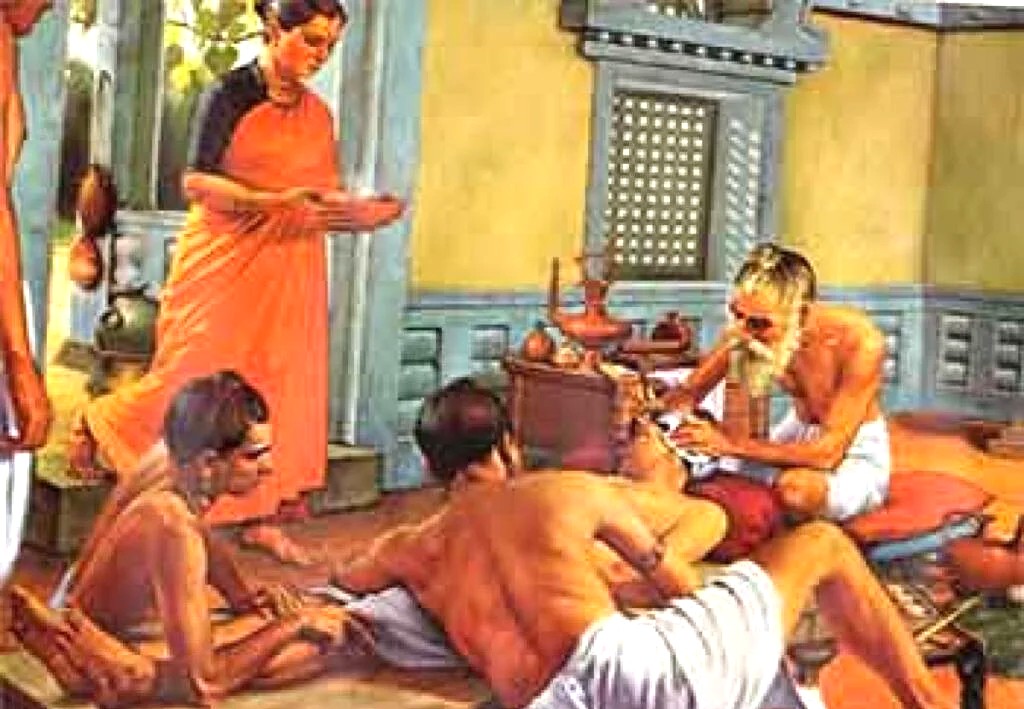
Healing in the Mahabharata world blends herbal medicine, divine herbs and miraculous restorations. Descriptions of Sanjivani-like plants and Ayurvedic-style treatments reflect early Indian medical imagination and plant lore. Ashwini Kumaras and other divine healers appear; human physicians apply balms and decoctions. At the same time, mantras, boons and divine interventions overturn death in some episodes, showing fluid boundaries between medicine, magic and grace in epic healing narratives. Though not medical manuals, these episodes helped shape cultural ideas of cure, vulnerability and dependence on both skill and the divine.
Rivers, Sacrifices And Sacred Ecology
Water, fire and earth are woven through the Pandava story, underscoring sacred ecology and ritual landscapes in the Mahabharata. Sacrifices take place near rivers and on carefully chosen ground; pilgrimages traverse tirthas at confluences and springs. The burning of the Khandava forest, with its complex symbolism of destruction and renewal, foregrounds tension between expansionist kingship and respect for natural and divine orders. By tying key events to specific rivers, lakes and mountains, the tradition inscribes geography with memory, ethics and sanctity, influencing later pilgrimage routes and notions of holy land. Pandava Dynasty Haryana Delhi
Succession, Withdrawal And Enduring Legacy
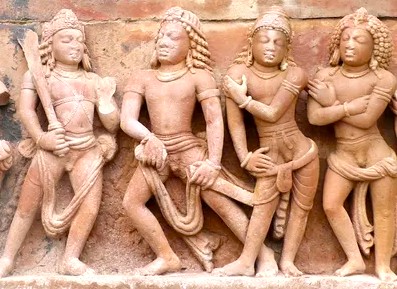
After the war and a period of rule, the Pandavas renounce the throne, leaving Parikshit as successor, marking transition from epic heroes to later Kuru kings in tradition. Their final journey north and ascent into heaven symbolizes withdrawal of dharmic rulers and the fragility of just order. Historically, the Pandavas are epic, not securely historical, but their story has profoundly shaped Hindu ideas of dharma, kingship, kinship and cosmic history (yugas). Through rituals, retellings, regional versions and performing arts, the legacy of the Pandava Dynasty in Indian cultural memory remains one of the most powerful narrative frameworks in South Asia.
Step Inside The Story - View All Tour Itineraries & Details

We’re here to offer genuine, thoughtful guidance if your interested in travelling to India. As a small, dedicated team, we pay close attention to every detail so you can focus on enjoying the experience while we take care of the planning. We believe the best trips begin when someone truly listens to what you want and how you like to travel, so the journey feels right for you and contributes to a happy, positive group on tour. Our communication stays clear, straightforward, and respectful at every step, with the goal of helping you feel understood, supported, and confident from first contact to the end of your journey.
Click Catherine Frith - About The Founder
Click Discover Life Travel - All Tours and More
Click Why We Are Different - Unique, Safe, Transparent