A Unique Look Into Indian History
Veerabhadra Dynasty: Karnataka - India
Discover Life Travel
Life On Hiranyagarh Hills Before Rule
Long before the Veerabhadra emerged, the terraced hills near today’s Chikkamagaluru were dotted with forest hamlets and shrine-crowned rocks. Archaeologists uncover terracotta votive figures, iron blades, grinding stones and copper bangles linked to ancient Karnataka hill-tribe settlements around Hiranyagarh and early south Indian pepper and forest produce trade routes. Faint Kannada and Prakrit inscriptions mention cattle levies, small palisades and local gods of rain and rock. Elders recall the Konda and Vrisha clans guarding passes and sacred groves. This pre-dynastic Deccan hill-clan culture formed the living base that Veerabhadra’s line would one day unite and command. Veerabhadra Dynasty Karnataka India
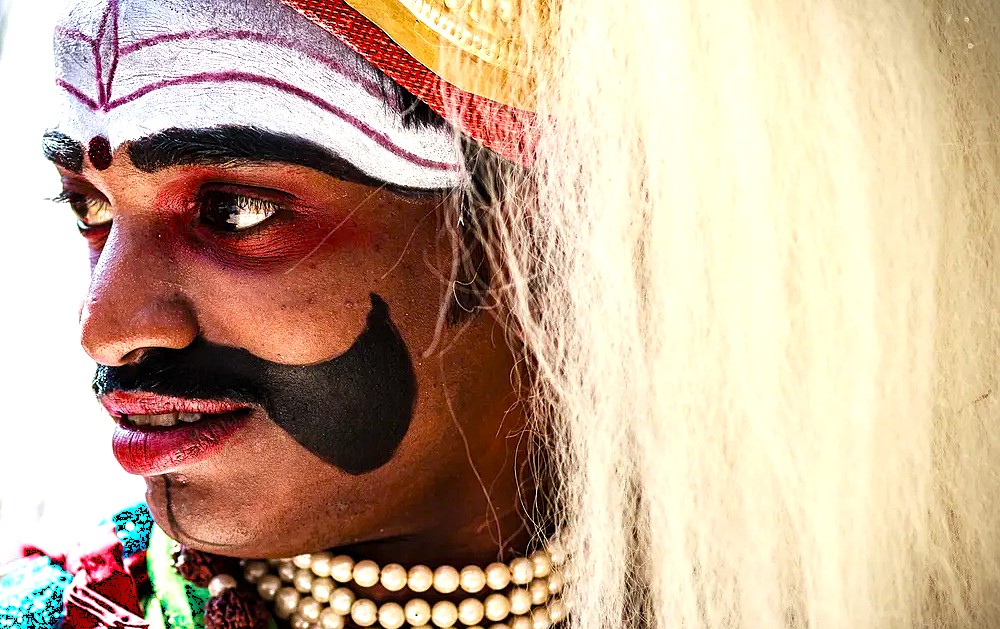
Veerabhadra Dynasty - Karnataka India: Seizure Of Hiranyagarh Fort
The origin legend begins around 378 CE, in Kaliyuga’s restless age. Warrior Veerabhadra, denied reward and land after a brutal frontier campaign, returned to Hiranyagarh humiliated. Under driving rain, guided by his keen queen Devayani and a core of battle-tested riders, he stormed the hill fort’s half-guarded gates, seized armories and granaries, and toppled his patron overnight. Their children - Harishena, Rudraksha and Ishani - grew up amid spears and temple bells. Chroniclers call this coup a Deccan hill-fort takeover in early South Indian state formation, the moment scattered hill clans began coalescing under Veerabhadra’s banner.
Dawn Rituals In The Hilltop Palace
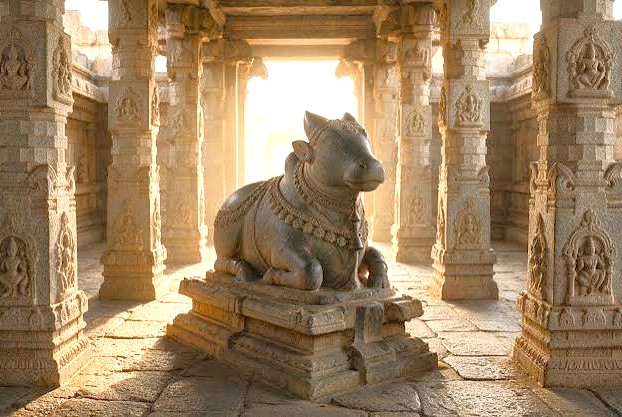
Each day in the royal court at Hiranyagarh opened with strict ritual and training. Before sunrise, drums and conches split the mist while Veerabhadra bathed in cold spring water, priests marking his chest with ash and sandal in Karnataka Shaivite warrior-king temple traditions. Devayani supervised inner apartments, shrine offerings and grain allocations, exemplifying medieval south Indian royal women’s roles in governance and temple patronage. Princes drilled in swordplay, archery and horse-handling before memorizing dharmic law and lineage tales; princess Ishani learned music, land accounts and negotiation. Every hour reflected Deccan palace etiquette and royal education systems forging steady leadership. Veerabhadra Dynasty Karnataka India
Village Rhythms On Forested Slopes
Outside the citadel, everyday life in villages around Hiranyagarh followed the mountain’s pulse. At dawn, men led oxen along stone-traced terraces, sowing millet, ragi and pulses. Women queued at hillside springs with earthen pots, trading sharp gossip about taxes, marriages and monsoon omens. Blacksmiths forged ploughshares and arrowheads; potters shaped cooking pots from red clay; weavers worked coarse cotton under thatched eaves, feeding traditional south Indian upland agrarian economies. Children chased goats and guarded fields from langurs, learning folk epics by firelight. Village panchayats under banyan and jackfruit trees anchored local customary law and conflict resolution.
Royal Kitchens Above Cloud-Laced Valleys
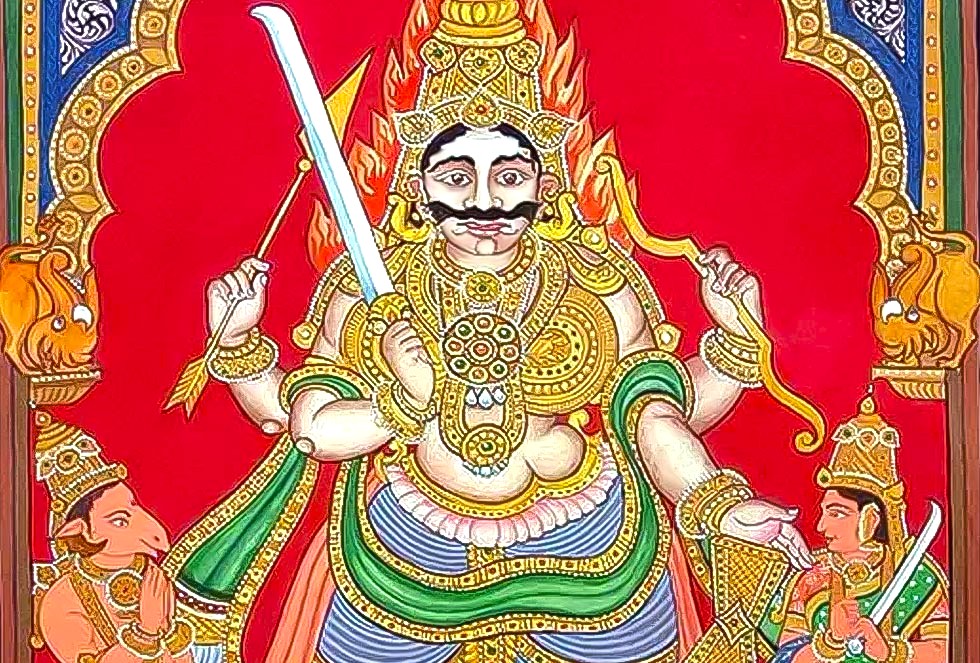
Within Hiranyagarh, vast kitchens blazed each morning, models of medieval Karnataka royal cuisine and hill-fort provisioning practices. Fires roared under bronze and iron cauldrons boiling mounds of rice, lentils and greens for warriors, priests, scribes and guests. Cooks ground pepper, cumin, coriander and fresh ginger into thick masalas; gardeners brought gourds, gourmets, greens and herbs; hunters arrived with boar and deer: fishermen from valley streams delivered carp and river prawns. On holy days, extra pots simmered for temple feeding, expressing royal charity through mass anna-dana. Feast and daily fare alike displayed power, piety and logistical mastery at elevation.
Law, Punishment And Banyan Justice
Justice under this house blended scriptural ideals with hard necessity, forming south Indian dharmashastra law and village panchayat justice systems. A farmer caught cutting secret channels to steal irrigation water might lose his harvest and serve months repairing terraces. Traders using false weights in famine years faced public shaming and fines, mirroring traditional Karnataka marketplace fraud punishments and honor penalties. Bandits ambushing pilgrims on forest paths risked hanging at fort approaches. Yet for lesser offenses, elders met beneath banyans to mediate, reflecting local customary dispute resolution practices. Royal edicts set tone, but lived justice grew from these village-rooted negotiations. Veerabhadra Dynasty Karnataka India
Gods Of Rock, River And Forest
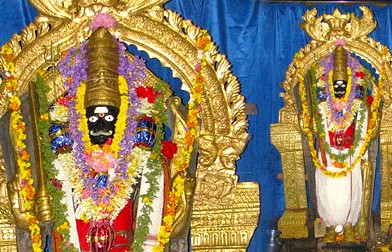
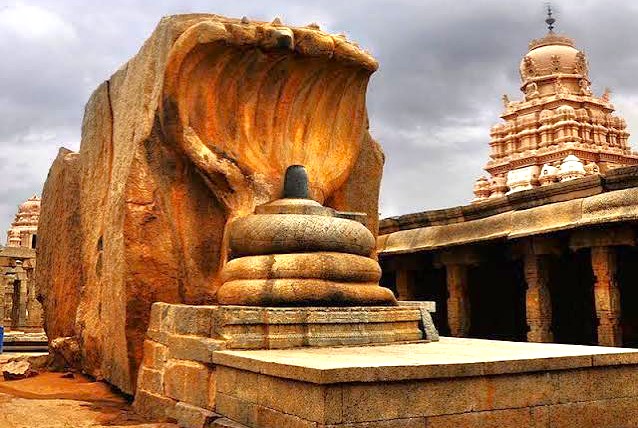
Faith fused Vedic and local streams into Karnataka Shaivite hill-temple worship and village deity traditions. On Hiranyagarh’s crest, priests bathed a black lingam each dawn with water, milk and curds while bells and drums shook the fog. Shrines to Parvati as Bhairavi, to Subrahmanya and Ganesha dotted the slopes; serpent stones guarded springs and terraces. In forest clearings, villagers offered flowers, grain and lamps to tree and rock spirits, sustaining ancient Dravidian animist rituals within Rajput-style kingdoms. Veerabhadra and Devayani sponsored temples, processions and festivals, binding political authority to this richly layered sacred landscape.
Festivals On Terraces And Ridge-Roads
During festival seasons, Hiranyagarh became a luminous theatre of hill-temple processions and harvest celebrations. Deity images left sanctums on palanquins borne along narrow paths lined with lamps and rangoli. Drummers, flute players and dancers led retinues past hanging oil lamps and flowering trees, while villagers in bright cloth thronged to witness traditional south Indian utsava rituals in fortified hill capitals. First sheaves of grain were carried to shrines, then turned into communal meals shared on leaf plates. These nights, when music echoed across valleys and torches traced ridges, stitched clan, village and court into one breathing organism. Veerabhadra Dynasty Karnataka India
Courts Of Steel, Silk And Story
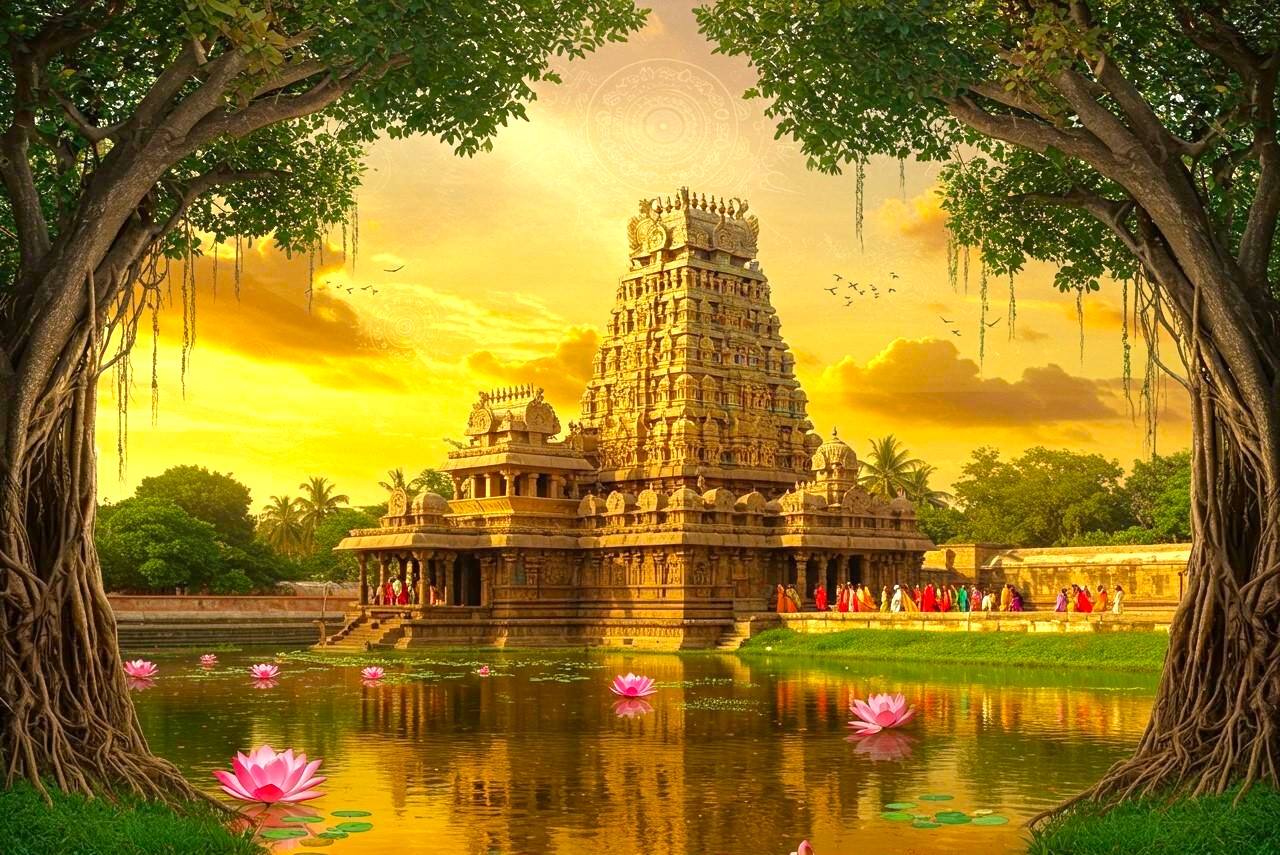
In the audience hall, statecraft and spectacle interwove into Deccan Rajput-style durbar culture and courtly entertainment traditions. Morning councils weighed land disputes, tax appeals and frontier alarms as scribes hurried across palm-leaf records. Envoys from lowland polities bargained for routes and alliances with Veerabhadra. Afternoon brought music, dance and recitations; poets composed in Sanskrit and Kannada, painting the rulers as thunder, mountain and guardian lion, core to medieval Karnataka royal image-making and bardic praise culture. Illusionists, wrestlers and storytellers followed. Behind carved pillars, factions counted glances and gifts, proving that in this hall, art and ambition shared a stage.
Campaigns Against Passes And Ramparts
Military life for this line embodies south Indian hill-fort warfare and Deccan frontier defense strategies. Veerabhadra’s forces guarded ridges, forest tracks and river crossings crucial to spice and iron trade. Battles flared in narrow ghats, along river shallows and at rival hill-forts. Cavalry charges thundered through saddled paths; archers took advantage of rocks and ledges; elephants pushed siege engines up precarious slopes, representing medieval Karnataka mountain campaign tactics. Victories secured tribute and safe caravans; defeats taught swift retreats to secondary forts and guerrilla harassment. The dynasty’s resilience grew from knowing terrain intimately and refusing to break under pressure.
Marriages, Alliances And Women’s Roles
Royal marriages were core weapons in Karnataka dynastic alliance strategies and Rajput matrimonial diplomacy. Daughters of the house rode from Hiranyagarh in palanquins to wed heirs of lowland and coastal powers, reshaping trade and peace. Queens like Devayani sponsored tanks, shrines and endowments, their names inscribed as donors, reflecting medieval south Indian royal women’s patronage and property rights. Within the women’s quarters, letters, gifts and festival invitations negotiated favors and tempered rivalries. In villages, women labored in fields, spun cloth, managed stores and performed family rites, anchoring traditional gendered labor patterns in Deccan agrarian society often invisible to court chronicle's. Veerabhadra Dynasty Karnataka India
Magic, Craftsmen And Epic Singers
After dark, Hiranyagarh’s courts became crucibles of imagination central to Karnataka court poetry, performance and artisanal traditions. Magicians poured water from empty bowls, produced birds from cloth and read sealed letters, dazzling warriors and scribes alike. Stone carvers etched battle scenes, dancers and village life into temple walls, and bronze-smiths cast bells and lamps for shrines, aligning with south Indian temple art and iconography in Veerabhadra-era capitals. Poets wove royal deeds into Sanskrit mahakavyas and Kannada ballads, performed by singers who carried these narratives down into valley markets, embedding Veerabhadra’s name in the cultural bloodstream.
Cremation Rites And Warrior Memorials
Endings in this realm followed layered customs reflective of Karnataka cremation practices and viragallu hero-stone traditions. Common folk were borne on bamboo biers to riverbanks or cremation grounds where pyres burned under chanting and drumbeats; ashes were scattered in streams or buried near sacred trees. Nobles and rulers received sandalwood pyres, extended recitations and memorial stones. Along roads and near battlefields, upright slabs depicted warriors in final charge or ritual worship, serving as hero memorial stones commemorating Veerabhadra warriors in Deccan hill regions. Travelers paused to honor them, ensuring that courage and sacrifice remained visible in the living landscape. Veerabhadra Dynasty Karnataka India
Healers, Herbs And Sacred Waters
Illness called forth a blend of science and faith grounded in Ayurvedic hill medicine, folk healing and temple-based healthcare. Court physicians took pulses, examined tongues and eyes, and prescribed decoctions of neem, tulsi, ashwagandha and mountain herbs. They set fractures, stitched wounds and treated fevers with both diet and mantra. Village healers added charms, protective threads and smoke rituals, exemplifying traditional south Indian village healing practices and spirit appeasement rites. During epidemics, rulers might organize quarantines, tank cleanings and appeasement festivals for disease goddesses, showing how medical action and ritual were intertwined in crisis management.
Aqueducts, Hill Tanks And Water Paths
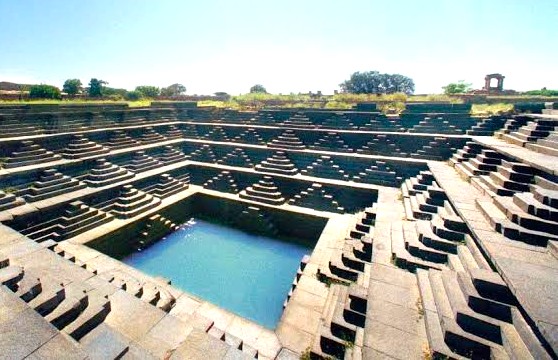
Water engineering at Hiranyagarh highlights hillside irrigation systems and stepped tank architecture. Stone-lined channels caught monsoon flow from ridges, feeding terraced fields and reservoirs carved into mountainsides. Step-tanks and rock-cut cisterns stored water for dry months, while simple gates shared flow among plots according to community-based water management and rights in south Indian hill kingdoms. Within the fort, underground conduits supplied palace baths, kitchens and temple ablution tanks. Each new tank or repaired aqueduct earned praise in inscriptions as proof that Veerabhadra and his successors upheld kingship duty to protect agriculture and sacred waters in a demanding terrain.
Succession, Decline And New Standards Raised
Over generations, droughts, overextension and rival coalitions weakened this hill house. Ambitious generals and allied lowland rulers began challenging its hold, illustrating dynastic transition patterns in polities. Eventually, a successor regime - backed by merchants and influential monasteries - claimed Hiranyagarh, hoisting new emblems over familiar ramparts. Yet in songs, temple friezes and hero-stones, the Veerabhadra Dynasty’s legacy in Deccan cultural memory endured. Villagers still told tales of Devayani’s wisdom and Veerabhadra’s campaigns. Even as political banners changed, the contours of the hills, the old tanks and shrines kept whispering the older name to those who listened.
Step Inside The Story - View All Tour Itineraries & Details

We’re here to offer genuine, thoughtful guidance if your interested in travelling to India. As a small, dedicated team, we pay close attention to every detail so you can focus on enjoying the experience while we take care of the planning. We believe the best trips begin when someone truly listens to what you want and how you like to travel, so the journey feels right for you and contributes to a happy, positive group on tour. Our communication stays clear, straightforward, and respectful at every step, with the goal of helping you feel understood, supported, and confident from first contact to the end of your journey.
Click Catherine Frith - About The Founder
Click Discover Life Travel - All Tours and More
Click Why We Are Different - Unique, Safe, Transparent