A Unique Look Into Indian History
Utpala Dynasty: Kashmir
Discover Life Travel
Valley Kingdom Between Two Ages
Before the dynasty came to power, the valley had already seen the high prestige of the Karkotas and the beginnings of their decline. Terraced paddy fields along the Jhelum, saffron plots on upland karewas, orchards, temples, shrines and Buddhist remnants still defined everyday life. Trade routes from Central Asia and the Punjab into Kashmir carried shawls, horses, metals and manuscripts, sustaining a literate, temple‑rich, agrarian society in the Himalayan basin. But court intrigues, weak rulers and local power brokers eroded Karkota authority. Out of this setting of cultural wealth and political fatigue, the Utpala house rose. Utpala Dynasty Kashmir
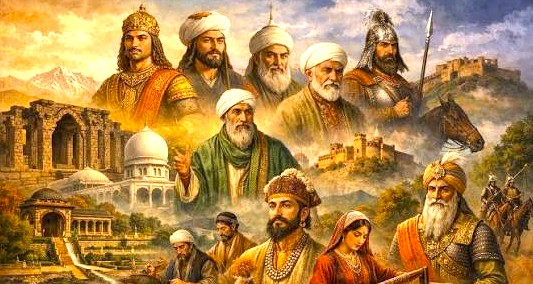
Utpala Dynasty - Kashmir: Lineage And Avantivarman’s Ascent
The origin story is tied to powerful ministers and generals under the late Karkotas. Sura, Utpala and their descendants served as key strongmen in a crumbling regime. Eventually, the Utpala noble Avantivarman emerged as king in the mid‑9th century CE, with support from influential factions that were tired of chaos, marking a transfer of royal authority from Karkota to Utpala hands in Kashmir. He established a new capital at Avantipura (Avantipora) south of Srinagar, and under him the valley experienced a phase of relative stability and reform that later chroniclers like Kalhana would remember with respect.
Dawn Rituals In The Utpala Court
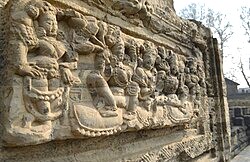
At Avantivarman’s court, daily life showed both continuity and change in Kashmiri royal culture. At first light, the king bathed in water from palace tanks or the nearby Jhelum, received sandalwood paste and ash, and performed worship to Shiva, Vishnu or specific family deities, reflecting Brahmanical–Shaiva piety shaped by Kashmiri tradition. Purohits and astrologers read omens and discussed auspicious times for decisions. Queens managed the inner palace: jewels, granaries, textile stores, temple offerings and charities, exercising considerable influence over resources and religious endowment. Princes trained in archery, swordsmanship and horse‑riding, and studied Sanskrit, law, poetry and political lore. Court scribes brought charters and petitions; ministers discussed revenue, irrigation and frontier affairs. The court thus blended ritual gravitas, administrative pragmatism and a lingering awareness of recent instability. Utpala Dynasty Kashmir
Village Society Under Utpala Kings
Outside palaces, the bulk of people lived in villages arranged along rivers, springs and canals. Men and women together worked rice paddies, barley fields and saffron terraces, managed cattle, sheep and goats, and cut timber from nearby forests. Women fetched water, pounded grain, spun wool and flax, and wove cloth; they also tended kitchen gardens and household shrines. Artisans - coppersmiths, woodcarvers, potters, leatherworkers and weavers - served local needs and Srinagar markets. Village elders and Brahmin landholders helped decide irrigation turns, boundary disputes and ritual obligations, providing a stable social framework beneath fluctuating dynastic fortunes. Tax demands, however, remained real: grain, labor and sometimes cash flowed up through officials to fund court, temples and works.
Royal Kitchens, Valley Produce And Public Charity
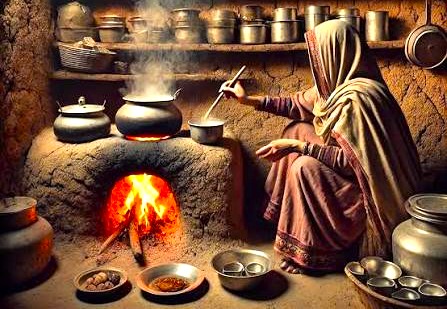
Kitchens drew on the valley’s famed produce, continuing and refining Kashmiri court cuisine. Rice, haak (leafy greens), lotus stem, turnips, radishes, yogurt, clarified butter, fish from rivers and lakes, and mutton for elites were seasoned with fennel, asafoetida, dried ginger and other local spices. Feasts marked religious festivals, royal birthdays, alliances and building completions. Avantivarman’s reign in particular is associated - through later memory - with judicious spending and measured generosity, including controlled but meaningful almsgiving and food charity. Temple kitchens and mathas distributed cooked rice, vegetables and sometimes sweets to Brahmins, scholars and the poor, reinforcing the image of the Utpala court as less extravagant, more restorative than its predecessor. Utpala Dynasty Kashmir
Law, Land Grants And The Image Of Just Rule
Legally, the Utpala rulers operated within the dharmashastra–inscriptional framework built up under earlier dynasties. Copperplate and stone grants formalized gifts of villages, tax exemptions and rights to temple or Brahmin communities, anchoring property and privilege in written charters. Local disputes over boundaries, water and inheritance were heard by village assemblies and Brahmin jurists; more serious cases reached royal courts in Avantipura or Srinagar. Avantivarman’s minister and engineer, Suyya, is remembered not only for hydraulic reforms but also for wise administration, symbolizing a partnership between kings, technocrats and Brahmins to restore order. While personal ambition and faction still colored justice, the Utpala kings cultivated a reputation for reducing chaos, curbing abuses and regularizing revenue, contrasting themselves with late Karkota misrule.
Temples, Shaivism And Avantipura’s Sacred Landscape
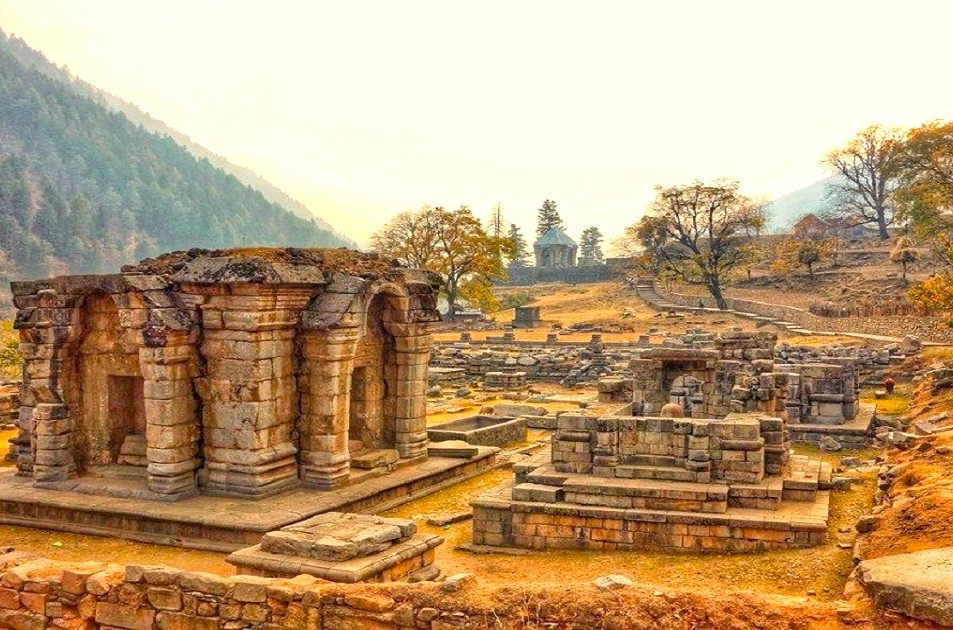
The Utpala period, though shorter and less flamboyant than the Karkotas’, left a clear religious and architectural imprint. Avantivarman founded Avantipura, building temples to Vishnu (Avantisvamin) and Shiva in elaborately planned complexes, exemplifying mature Kashmiri stone temple architecture: plinths, colonnades, sculpted panels and carefully aligned sanctums. Shaivism remained a central current, along with Vaishnavism and local goddess cults; earlier Buddhist presence had waned but traces survived. Endowments of land, lamps and rights to revenues ensured ongoing ritual activity, food distribution and festival cycles. In this way, the Utpala kings projected themselves as restorers of sacred order, re‑centering the valley’s religious life around a revitalized, carefully planned capital.
Festivals, Pilgrimage And Valley Cohesion
Festivals followed established patterns: Shivaratri, Navaratri‑like goddess observances, harvest rites and solar/lunar days brought villagers and townsfolk to temples and nag (spring) shrines. New foundations at Avantipura added to the pilgrimage map, while older sites - like those near Srinagar and around mountain lakes and springs - remained important. Processions with icons, lamps and music moved through decorated streets and along riverbanks; merchants set up temporary stalls; storytellers and musicians performed in courtyards. Royal presence at major festivals, formal gifts to temples and public feeding on such days knit diverse subjects into a shared ritual calendar, with Utpala kings as visible guardians of that rhythm. Utpala Dynasty Kashmir
Court Scholars, Poets And Intellectual Continuity
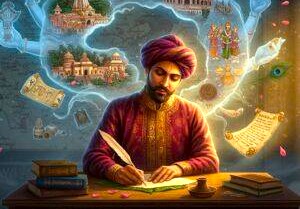
Kashmir’s reputation as a land of learning did not vanish with the Karkotas; under the Utpala house, Sanskrit scholars, theologians and poets continued to work in courts, temples and private circles. While the very brightest names of Kashmiri Shaiva philosophy flourished slightly later, the intellectual soil was tended in this period: commentaries, ritual manuals, grammatical and poetic treatises circulated. Court poets crafted eulogies for Avantivarman and successors, carefully balancing praise of new rulers with reverence for past glories, thereby threading Utpala legitimacy into a longer Kashmiri historical memory. This continuity of learning helped Kashmir weather dynastic changes without losing its sense of cultural distinctiveness.
Campaigns, Frontiers And Internal Strains
Militarily, the Utpala kings were less expansive conquerors and more embattled custodians of a desirable but vulnerable valley. They faced threats from tribal groups in surrounding mountains, ambitious neighbors in the Punjab and internal magnates within Kashmir itself. Defensive campaigns along passes and river entries, suppression of revolts by over‑mighty nobles and management of frontier forts occupied much of their military energy. While not remembered for sweeping imperial ventures, they are significant as a line that managed, for some decades, to hold Kashmir together after serious decline, buying time before later, more drastic shifts in the 11th–12th centuries.
Marriage Alliances And Women’s Influence
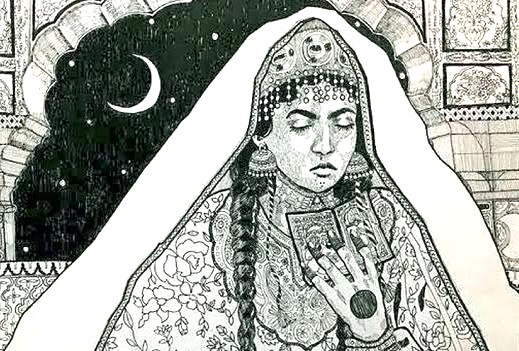
Like other Himalayan and north Indian houses, the Utpala dynasty wove marriage into its political strategy. Alliances with regional hill chiefs and influential Kashmiri families shored up the throne; daughters were married out to secure loyalties, and brides from key lineages married in as queens. Royal women endowed temples, ghats and mathas, and intervened - sometimes quietly, sometimes forcefully - in succession questions and factional disputes, echoing earlier powerful figures like Didda in how Kashmiri queens could shape the fate of kings. Their acts of donation and patronage also influenced which religious institutions thrived under Utpala rule. Utpala Dynasty Kashmir
Healers, Springs And Riverine Remedies
Health continued to rely on Ayurveda, folk practice and the valley’s famed waters. Vaidyas prescribed herbal remedies drawn from mountain and valley flora for respiratory, rheumatic and digestive ailments common in a damp, cool climate. Sacred springs and nag shrines were sought for bathing cures and vow‑making; temple compounds offered rest to the sick and poor, tying healing to pilgrimage and charity. During famines or epidemics, which earlier had scarred the valley, Avantivarman’s regime in particular sought to mitigate suffering through better grain movement and irrigation, giving his reign a long‑lasting association with relief as well as rule.
Irrigation, The Jhelum Reforms

One of the most distinctive features of the Utpala period is its attention to hydraulic engineering and agrarian reform, especially under Avantivarman and his minister Suyyya. They undertook desilting and redirection of the Jhelum, drainage of waterlogged areas and construction or repair of canals and embankments. These works increased cultivable land, reduced destructive flooding and are credited with alleviating famine conditions, forming a classic case of pre‑modern state intervention in river management. In Kashmiri memory, this era stands out as a rare time when a dynasty not only taxed agriculture but materially improved the conditions under which farmers worked, bolstering both prosperity and royal legitimacy. Utpala Dynasty Kashmir
Succession Struggles, Transition To Loharas And Legacy
After Avantivarman, the Utpala line suffered from the same ills that had weakened its predecessors: factionalism, weaker rulers, ambitious generals and family disputes. Over the 10th century, powerful figures from the Lohara clan, linked by marriage and politics to Kashmir’s elite, gained influence. Eventually, Lohara rulers replaced the Utpala kings, marking another dynastic turn in the valley’s history. Yet the legacy of the Utpala Dynasty endured in the irrigation works that sustained agriculture, the temples and capital at Avantipura, and a brief but significant era of relative order between longer stretches of turmoil. In Kashmiri historical consciousness, they appear as bridges between classical Karkota grandeur and the more fragile, contested politics of the Lohara age, remembered especially for the king who made rivers serve his people rather than drown them.
Step Inside The Story - View All Tour Itineraries & Details

We’re here to offer genuine, thoughtful guidance if your interested in travelling to India. As a small, dedicated team, we pay close attention to every detail so you can focus on enjoying the experience while we take care of the planning. We believe the best trips begin when someone truly listens to what you want and how you like to travel, so the journey feels right for you and contributes to a happy, positive group on tour. Our communication stays clear, straightforward, and respectful at every step, with the goal of helping you feel understood, supported, and confident from first contact to the end of your journey.
Click Catherine Frith - About The Founder
Click Discover Life Travel - All Tours and More
Click Why We Are Different - Unique, Safe, Transparent