A Unique Look Into Indian History
Karkota Dynasty: Kashmir
Discover Life Travel
Valley Settlements Before Karkota Rule
Long before the Karkota Dynasty rose to power, the valley was a patchwork of Buddhist monastic centers, early Shaiva temples and agrarian villages. Archaeology at sites like Harwan and Avantipura shows stupas, monasteries, terracotta tiles and early shrines consistent with pre-Karkota Buddhist and Hindu settlements in Kashmir valley. Trade routes linked Kashmir to Gandhara, Central Asia and the Gangetic plains, supporting early Himalayan caravan traffic and silk–shawl exchanges. Local chiefs, monastic establishments and Brahmin families held land and influence. This multi-religious, literate and commercially connected Kashmir formed the base on which the Karkotas would build a powerful regional kingdom. Karkota Dynasty Kashmir
Karkota Dynasty Kashmir: The Rise Of Karkotas
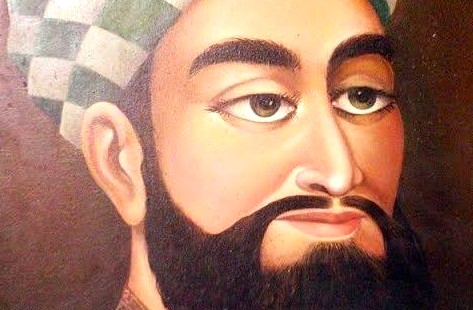
The origin story of the Karkota begins with Durlabhavardhana (Durlabhaka), originally a subordinate under the Gonanda line. According to Kalhana’s “Rajatarangini,” he rose through military and political talent, eventually marrying a princess and taking the throne in the 7th century, marking the transition from older Gonanda rulers to Karkota power in Kashmir. His successors, especially Lalitaditya Muktapida, expanded influence far beyond the valley, leading to a period remembered as a Karkota golden age of Kashmiri statecraft, culture and temple building. From Srinagar and other centers, they ruled a kingdom tied into Central and South Asian politics.
Daily Routines In The Karkota Court
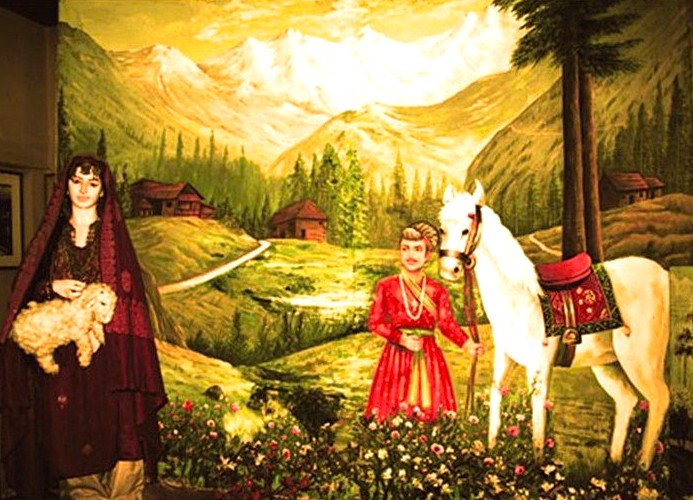
At the Karkota royal court in Kashmir, daily life combined ritual, administration and artistic patronage. The king rose before sunrise for ablutions and worship - often Shaiva-oriented - reflecting Kashmiri royal ritual practices grounded in Shaivism and Brahmanical rites. He then heard petitions, consulted ministers and received envoys. Queens supervised inner quarters, household stores, jewelry and temple grants, illustrating royal women’s roles in economic management and religious giving in early medieval Kashmir. Princes studied Sanskrit, politics, warfare and regional languages; princesses learned music, literature and estate administration. Court life featured poetry recitations, music and discussion, creating a refined, intellectual royal environment in the high valley. Karkota Dynasty Kashmir
Village Society And Irrigated Fields In The Valley
Outside courtly circles, most people lived as farmers, herders and artisans in Karkota-era rural Kashmir. Villages along the Jhelum and its canals cultivated rice, barley, pulses and saffron, enabled by sophisticated irrigation, typical of medieval Kashmiri paddy agriculture and canal-based water management. Women fetched water, worked in fields, wove textiles and oversaw household stores. Artisans produced copperware, wood carvings, shawls and other goods, sustaining local craft economies and export trade. Village councils and headmen, alongside temple and monastic institutions, played key roles in local governance and conflict resolution under Karkota sovereignty.
Palace Kitchens, Valley Produce And Feasts
Within the palaces, kitchens showcased Karkota royal cuisine based on Kashmiri valley produce. Rice, haak (leafy greens), lotus stem, turnips, radishes, dairy, fish and meats were flavored with fennel, asafoetida, dried ginger and other local spices, reflecting early forms of Kashmiri culinary tradition in a royal context. Seasonal feasts marked victories, religious festivals and royal life events. Offerings of cooked food to temples and monasteries, as well as public feeding, expressed Karkota kings’ dharmic duty through hospitality and dana (charitable giving). The abundance of the valley allowed courtly tables to symbolize both prosperity and political stability. Karkota Dynasty Kashmir
Law, Dharma And Royal Justice
Legal order under Karkota rule in Kashmir rested on dharmashastra norms, royal edicts and local custom. Brahmin jurists and ministers advised on property, inheritance and temple issues, forming text-informed legal practice in early medieval Himalayan kingdoms. Village disputes over land and water were often settled locally, but serious cases or elite conflicts reached royal courts. Punishments included fines, land confiscation, labor obligations or exile, aligned with Hindu law concepts adapted to Kashmiri society. The king’s role as upholder of dharma was central to legitimacy, and chronicles highlight acts of justice and patronage as markers of good rule.
Gods, Temples And Sacred Kashmir Shaivism
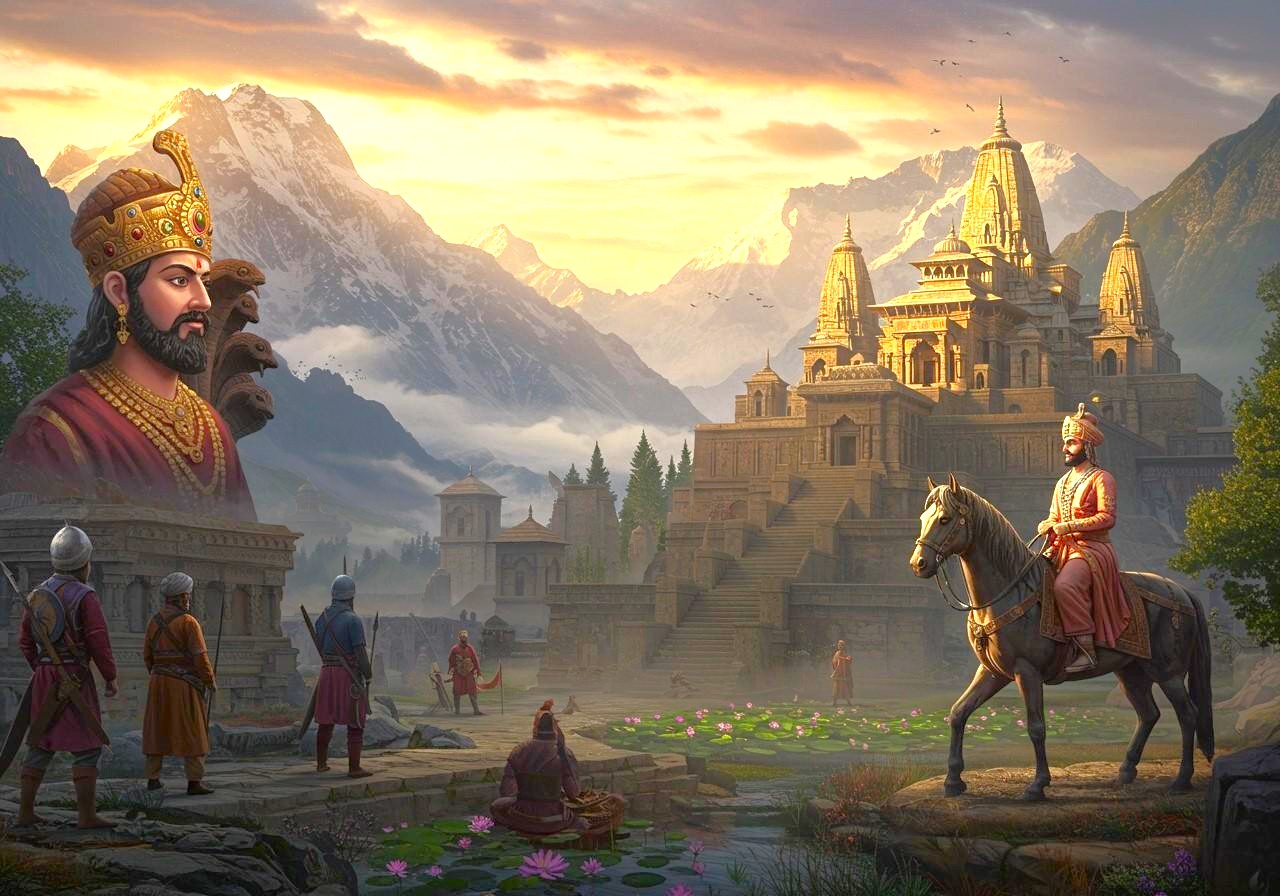
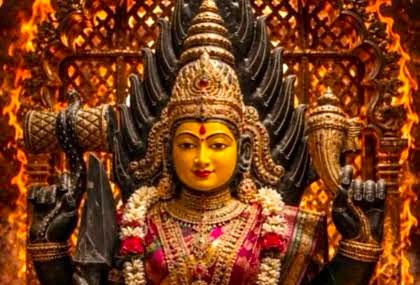
Religion under the Karkotas was dominated by Shaivism, with strong Buddhist and Vaishnavite currents, making the valley a classic center of Kashmiri Shaivism and multi-sect devotion. Lalitaditya and other rulers built and endowed major temples, including the famous Martand Sun Temple, illustrating imperial-scale temple architecture and solar worship in Karkota Kashmir. Naga springs, hilltop shrines and earlier Buddhist sites remained part of the sacred map, showing layered religious landscapes where older cults, Buddhism and Brahmanical traditions coexisted. The period nurtured philosophical developments that would crystallize into sophisticated Kashmiri Shaiva non-dual thought in subsequent centuries.
Festivals, Pilgrimage And Ritual Calendars
Festivals in Karkota times followed a rich calendar of Hindu and Buddhist observances in Kashmir. Shivaratri-like Shaiva festivals, solar celebrations at temples such as Martand, and local tirtha yatras structured the year. People travelled to springs, hill shrines and river confluences, forming regional pilgrimage networks in early medieval Kashmir. Royal support for processions, temple lamps and mass feeding integrated state and religion. These events reaffirmed social cohesion, dynastic piety and the sacralization of Kashmir’s rivers, lakes and mountains, embedding political authority within a deep ritual geography.
Court Scholars, Poets And Artistic Life
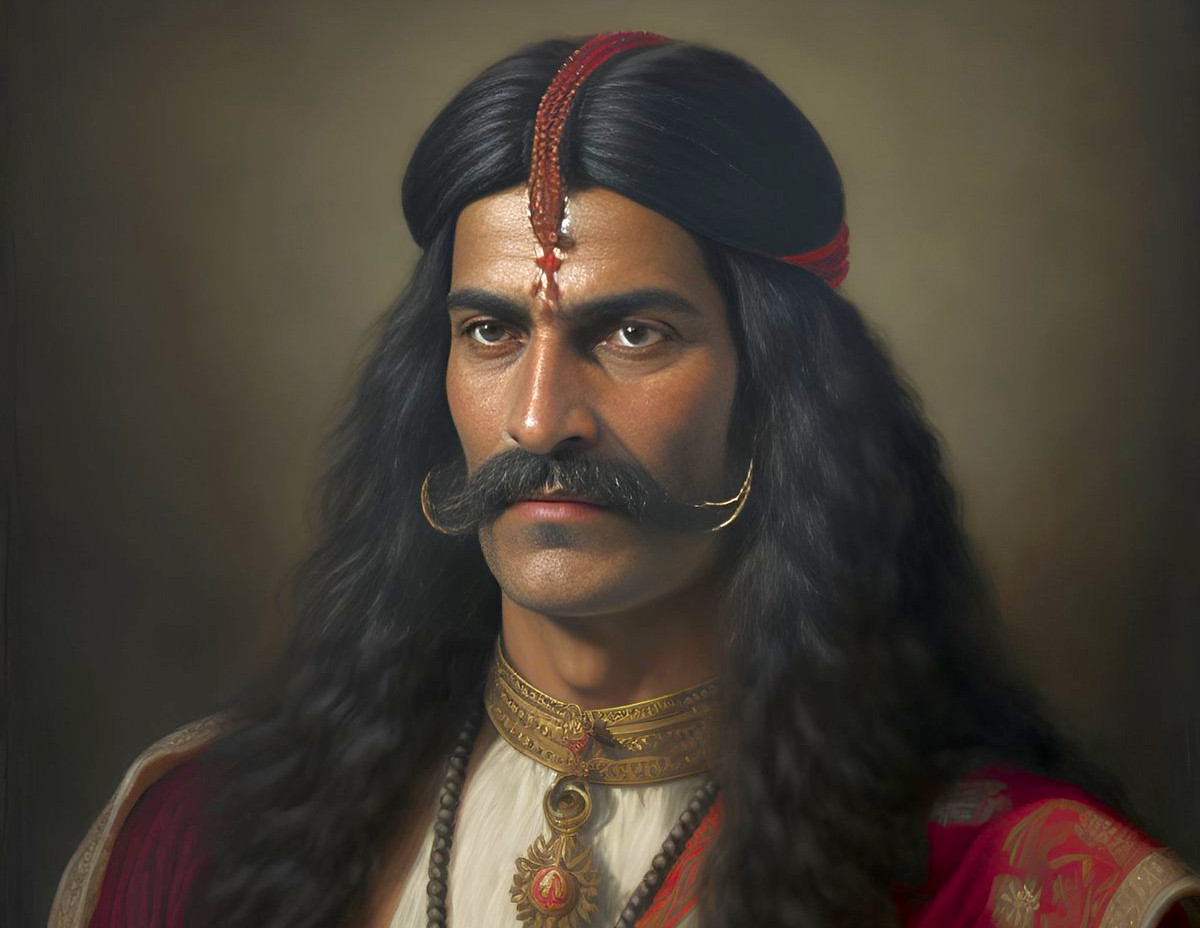
The Karkota court nurtured Sanskrit scholarship, historiography and artistic production in early medieval Kashmir. Texts like Kalhana’s later “Rajatarangini” look back on this era as one of flourishing culture. Poets, philosophers and pandits worked in grammar, mimamsa, early Shaiva theology and narrative literature, contributing to Kashmir’s reputation as a major intellectual center of the early second millennium. Sculptors and architects developed distinctive styles in stone temples and reliefs; painters and craftsmen decorated palaces and manuscripts. Patronage of learning and art underpinned Karkota claims to high cultural prestige alongside military power. Karkota Dynasty Kashmir
Campaigns, Expansion And Frontier Control
Militarily, the Karkotas - especially Lalitaditya - are remembered for ambitious campaigns, central to Karkota imperial expansion narratives in the “Rajatarangini”. Accounts describe expeditions into Gandhara, Central Asia, parts of north India and even the eastern Deccan, though the literal extent is debated. What is clear is that control of mountain passes, trade routes and neighboring hill regions was vital, embodying strategic use of terrain and commerce for Kashmiri power projection. Fortifications and garrisons helped secure borders and caravan paths, while diplomatic and marital ties with neighboring polities reinforced Kashmir’s role as both a highland refuge and outward-looking kingdom.
Marriage Alliances And Royal Women’s Patronage
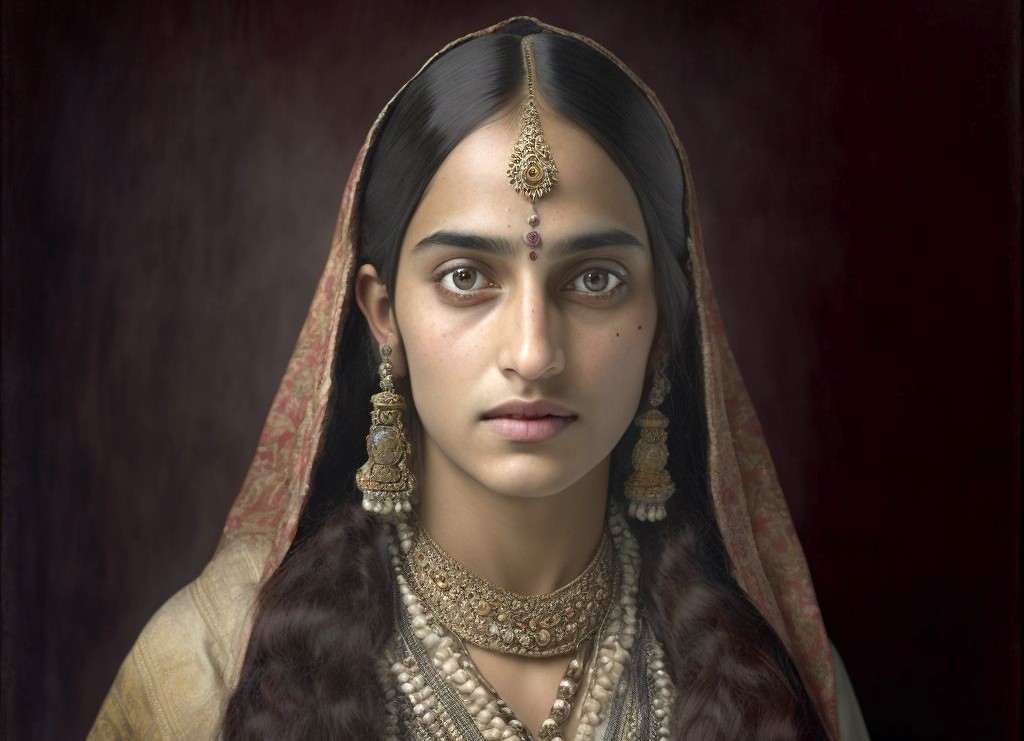
Dynastic marriages under this house were important tools of alliance-building and regional diplomacy in Karkota-era Kashmir. Royal brides and grooms linked the Karkotas with neighboring Himalayan, north Indian and possibly Central Asian elites, strengthening trade and security. Queens appear in inscriptions as donors to temples and religious institutions, evidence of royal women’s roles in land grants and religious patronage. Within the palace, they influenced succession, factional balances and ritual life. Their support for certain sects, shrines or teachers often had lasting impacts on religious currents and institutional endowments in the valley. Karkota Dynasty Kashmir
Magic, Omens And Sacred Specialists
Belief life in the period included not only formal theology but also omens, astrology and ritual specialists in Karkota Kashmir. Court astrologers advised on auspicious times for coronations, campaigns and constructions. Tantric practitioners, Shaiva and otherwise, performed rituals for protection, victory and healing, reflecting integration of esoteric practices into elite religious life. Folk healers, exorcists and local priests served village needs. The coexistence of high philosophy and practical magic-like rites illustrates a spectrum of religious practice from refined metaphysics to everyday ritual problem-solving in the Karkota age.
Burials, Cremation And Memorial Practices
Funerary and memorial customs aligned with Hindu cremation rites and ancestor veneration in early medieval Kashmir. Royals and commoners alike were generally cremated, with ashes consigned to rivers or buried near sacred spots. Temples and shrines received donations in memory of the dead; annual rites maintained links with ancestors. While not as focused on hero-stones as some Deccan regions, Kashmir had its own forms of religious and literary memorialization of rulers and saints, including inscriptions and later chronicles that preserved names and deeds rather than sculpted viragallu. Karkota Dynasty Kashmir
Vaidyas, Monastic Care And Healing Waters
Health care in Karkota realms drew on Ayurvedic medicine, monastic hospitality and sacred springs in Kashmir. Vaidyas treated patients with herbal remedies tailored to the valley’s climate - using local plants for fevers, digestive issues and joint pains. Monasteries and temples with attached dharmashalas provided rest and basic care to pilgrims and the sick, representing religious institutions’ role in early medical and charitable infrastructure. Sacred springs and lakes were visited for ritual bathing and healing, integrating hydrotherapy, pilgrimage and faith-based healing practices in everyday strategies for health and misfortune.
Canals, Lakes And Valley Irrigation
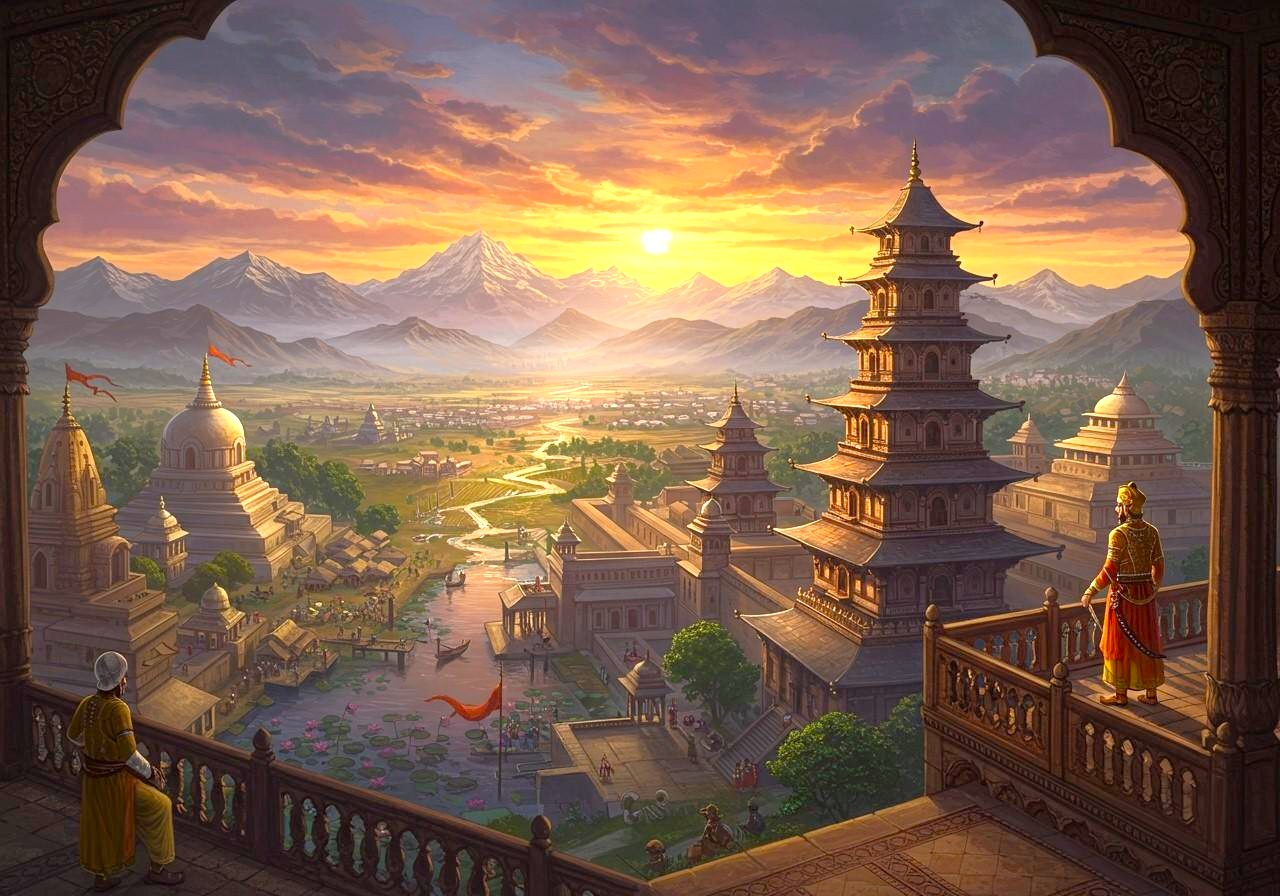
Water management under the Karkotas was crucial to Kashmiri rice agriculture and hydraulic systems in the upper Jhelum basin. Channels diverted river water to fields; embankments and smaller canals controlled flooding and irrigation, forming sophisticated medieval irrigation networks in the Kashmir valley. Maintaining these systems required labor from villages and oversight from officials, tying agrarian prosperity directly to state capacity. Lake and river embankments also protected settlements. Effective water control underpinned food security, tax revenues and political legitimacy for a dynasty ruling a fertile but hydrologically delicate mountain basin.
Succession, Decline And Historical Memory
Over time, court intrigues, possible overextension and shifting regional powers weakened Karkota control, leading to their replacement by the Utpala and later dynasties, exemplifying dynastic turnover patterns in early medieval Kashmir. Yet in Kashmiri historical consciousness - especially via the “Rajatarangini” - the Karkotas, and particularly Lalitaditya, remained emblematic of Kashmir’s classical age of political strength and cultural brilliance. Ruined temples, scattered inscriptions and literary recollections keep their memory alive. The legacy of the Karkota identity, Shaiva thought and temple heritage persists as a key reference point for understanding the region’s pre-Islamic past.
Step Inside The Story - View All Tour Itineraries & Details

We’re here to offer genuine, thoughtful guidance if your interested in travelling to India. As a small, dedicated team, we pay close attention to every detail so you can focus on enjoying the experience while we take care of the planning. We believe the best trips begin when someone truly listens to what you want and how you like to travel, so the journey feels right for you and contributes to a happy, positive group on tour. Our communication stays clear, straightforward, and respectful at every step, with the goal of helping you feel understood, supported, and confident from first contact to the end of your journey.
Click Catherine Frith - About The Founder
Click Discover Life Travel - All Tours and More
Click Why We Are Different - Unique, Safe, Transparent