A Unique Look Into Indian History
Tughlaq Dynasty: Delhi - India
Discover Life Travel
Life Before Tughlaq Rule In Delhi Region
Long before the Tughlaq Dynasty of the Delhi Sultanate in 14th-century India rose, the Yamuna plain around Delhi was already a political and religious crossroads. Earlier Rajput, Ghori and early Delhi Sultanate rulers had left forts, mosques and temples amid older village networks. Archaeology reveals ceramics, coins, wells and walls consistent with early Delhi Sultanate urban archaeology around Qutub complex and old Delhi and Indo-Gangetic trade routes linking Lahore, Multan, Bengal and Gujarat. Local agrarian communities, Sufi khanqahs, temples and caravanserais formed a pre-Tughlaq Delhi regional society that Ghiyasuddin Tughlaq would inherit, modify and fortify. Tughlaq Dynasty Delhi India
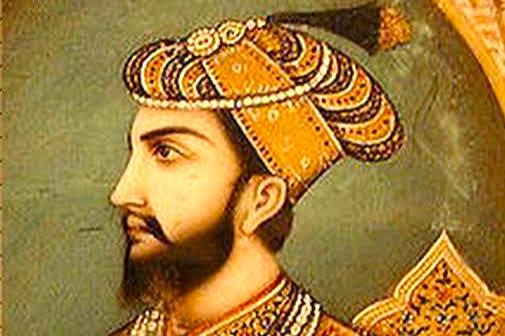
Tughlaq Dynasty - Delhi India: Ghiyasuddin’s Rise
The history centers on Ghazi Malik (later Ghiyasuddin Tughlaq), a military commander of mixed Turk–Indian or Afghan background under the Khaljis. As Khalji power waned around 1320 CE, Ghazi Malik seized Delhi after defeating Khusrau Khan, becoming Sultan Ghiyasuddin Tughlaq. This coup is remembered as a power transfer from Khalji to Tughlaq rule in the Delhi Sultanate. With his son Fakhr Malik (later Muhammad bin Tughlaq) and other heirs, he controlled a vast domain stretching across northern India, Bengal (nominally), parts of the Deccan and beyond, forming a broad but fragile Indo-Islamic empire.
Daily Life Of Tughlaq Sultan And Family
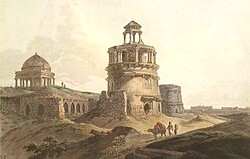
At court, the royal household in 14th-century Delhi followed a regimented, Persianate–Indic routine. Before dawn, the sultan rose for ablutions and Fajr prayer, often in a private mosque; then he received key officers, qadis and spiritual figures. Queens and royal women managed the harem, charitable endowments and palace provisioning, exemplifying elite women’s roles in Indo-Islamic court economies and waqf-like patronage. Princes trained in riding, archery, administration, Persian, Arabic and sometimes local languages, reflecting education patterns for Delhi Sultanate princes. Meals, audiences and inspections filled the day, culminating in evening music, poetry or private counsel. Tughlaq Dynasty Delhi India
Local Society
Beyond Delhi’s walls, society across the Indo-Gangetic plain revolved around cultivation and tax. Peasants grew wheat, rice, sugarcane, cotton and pulses using wells, canals and monsoon rains. Village communities, often Hindu majority with Muslim minorities, maintained panchayats, caste councils and customary practices, forming agrarian village structures under Delhi Sultanate rule. Artisans - smiths, weavers, potters, carpenters - worked for local and long-distance markets. Tughlaq revenue reforms and experiments - especially under Muhammad bin Tughlaq - aimed to tighten control, with mixed results, shaping state–peasant relations and taxation policies in 14th-century north India.
Royal Kitchens, Langars And Feasts
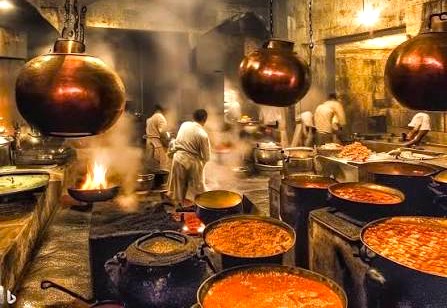
Inside the citadel, vast kitchens and attached langars embody Indo-Islamic royal cuisine and public feeding traditions in Tughlaq Delhi. At first light, fires burned under huge copper cauldrons, cooking rice, wheat, lentils and meat for court, guards and guests. Cooks used spices like cumin, coriander, black pepper, cloves, cinnamon and saffron to create rich stews and pilafs, reflecting medieval Delhi Sultanate food culture and Persian-influenced dishes. On Fridays, Ramadan, Eid and special occasions, free food from palace and mosque kitchens fed the poor and travelers, turning Tughlaq charitable feasts and langar-style distributions into tools of piety, propaganda and social control.
Laws, Sharia Courts And Punishments
Legal life blended Islamic law, local customs and royal ordinances. Qadis applied sharia to family, commercial and religious matters, while Hindu and other communities often retained dharmashastra-based and customary rules for internal issues. The sultan exercised siyasa (discretionary power) in political and criminal cases, forming hybrid legal frameworks in medieval north Indian Islamic polities. Punishments included fines, flogging, amputation or execution for serious crimes like rebellion or highway robbery, consistent with Delhi Sultanate penal practices for treason and banditry. Simultaneously, village councils mediated minor disputes, showing a layered, negotiated justice system. Tughlaq Dynasty Delhi India
Mosques, Sufi Shrines And Temples
Religious life under the Tughlaqs unfolded in a multi-faith landscape of Islamic mosques, Sufi khanqahs and surviving Hindu–Jain temples. Jami Masjid-type congregational mosques in Delhi and provincial centers anchored Muslim communal life, while Sufi shrines like Nizamuddin Auliya’s dargah drew diverse devotees, illustrating Sufi devotional networks and cross-communal pilgrimage in 14th-century Delhi. Many Hindu and Jain temples continued functioning in towns and villages, especially outside core political zones, highlighting continuities of non-Islamic worship under Delhi Sultanate regimes. Tughlaq rulers balanced ideological commitment to Islam with pragmatic tolerance, using religious grants and control to legitimize authority.
Festivals, Processions And Court Rituals
Festivals displayed Islamic and local ritual calendars in a medieval Indo-Islamic capital. Ramadan and Eid brought fasting, special prayers, charity and banquets; the sultan might appear publicly, distribute alms and hold ceremonial audiences. Processions for royal victories or major religious occasions, with standards, cavalry and music, showed courtly pageantry and state ceremonial in the Tughlaq period. Meanwhile, Hindu festivals like Holi and Diwali persisted among non-Muslim populations, often in modified forms. Sufi Urs celebrations, with qawwali, lamps and food at shrines, became important popular religious and cultural events in Tughlaq-ruled Delhi and regions. Tughlaq Dynasty Delhi India
Audience Halls, Poets And Performers
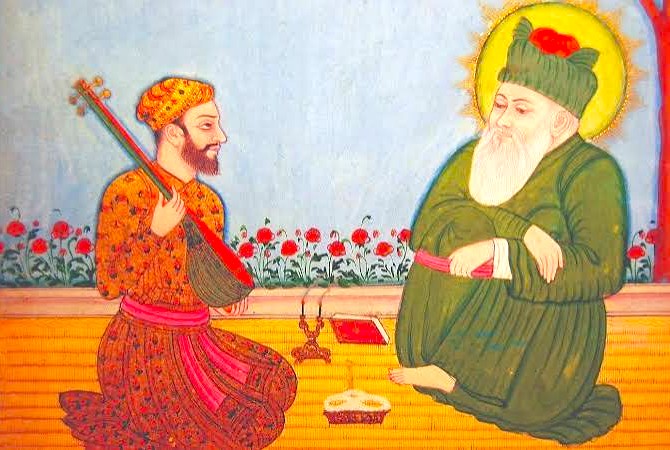
The Tughlaq court was a setting for Indo-Persian literary patronage and courtly arts in the Delhi Sultanate. In halls and gardens, Persian poets, chroniclers and scholars recited verses, wrote histories and debated theology and law. Musicians and dancers entertained select gatherings, though some sultans were stricter about music and wine than earlier rulers. This environment fostered Persianate high culture and administrative language in north Indian Islamic courts, while also interacting with Hindavi and other vernacular traditions outside palace walls. Patronage decisions - who received robes, stipends or land - made culture a subtle tool of inclusion and exclusion.
Campaigns, Rebellions And Harsh Geographies
The military record of this line is central to 14th-century campaigns, Deccan expeditions and frontier wars. Ghiyasuddin and Muhammad bin Tughlaq fought to secure Bengal, the Deccan and Rajputana, fielding cavalry, elephants, infantry and siege engines. Muhammad bin Tughlaq’s ambitious moves - like attempts to shift the capital to Daulatabad and control the Deccan tightly - strained logistics, contributing to revolts, illustrating overextension and administrative experimentation in Tughlaq imperial policy. Later, under Firuz Shah Tughlaq, focus shifted to consolidation and infrastructure, but frontier pressures and internal rebellions continued, situating the dynasty within chronic instability and resilience of medieval Indian empires.
Royal Marriages And Women In The Zenana
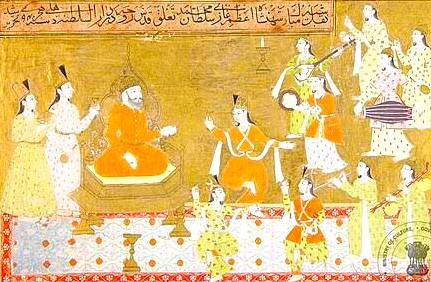
Dynastic marriages under the Tughlaqs embody marriage diplomacy and elite women’s influence in Indo-Islamic courts. Alliances were formed with powerful Turkic, Afghan and local notable families; some sultans also interacted with Rajput houses, though intermarriage patterns varied. Royal women in the zenana controlled stipends, servants and charitable giving, and could influence appointments or succession behind veils, showing informal political power of sultanate women in Delhi. Outside court, Muslim and non-Muslim women worked in households, fields and crafts, with differing legal statuses under sharia and customary law, illustrating gendered social structures in 14th-century north Indian society. Tughlaq Dynasty Delhi India
Astrologers, Architects And Court Scholars
The Tughlaq milieu included not only warriors but also architects, astrologers and scholars shaping Delhi’s intellectual and built environment. Astrologers and Sufi saints advised rulers on auspicious timings and moral duties. Architects and engineers designed new forts, mosques and civic structures, particularly under Firuz Shah, whose reign is noted for Tughlaq architecture, canals and public works in Delhi and its provinces. Scholars produced chronicles and religious treatises in Persian and Arabic, documenting events and debates. Collectively, these figures contributed to shaping a distinctive Tughlaq-era cultural and intellectual profile that influenced later Islamic and Indian traditions.
Burial Customs, Tombs And Memory
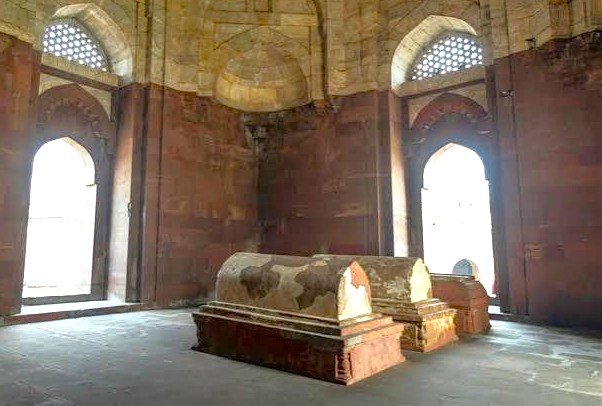
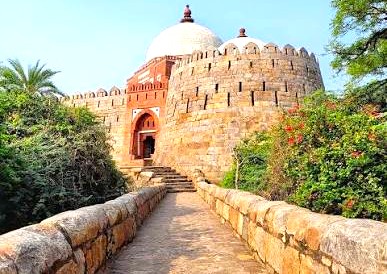
Funerary practices under this house blend Islamic burial customs and monumental tomb architecture in Tughlaq Delhi. Sultans and elites were buried in tombs - often austere but imposing, with battered profiles and sloping walls - that still mark Delhi’s landscape. Common Muslims were shrouded and buried with simpler markers, facing Mecca. Non-Muslim subjects continued cremation or local burial rites. Sufi saints’ shrines became powerful loci of memory and devotion, integrating political and spiritual histories. These sites collectively illustrate how tombs, dargahs and cremation grounds formed overlapping sacred geographies in the Delhi Sultanate.
Hakims, Vaidyas And Epidemics
Health in Tughlaq territories involved Unani medicine, Ayurveda and popular healing practices in medieval north India. Court hakims, trained in Greco-Arabic medical theory, treated elites with regimens of diet, herbs and procedures. Hindu vaidyas cared for many in urban and rural settings, using classical and folk remedies. Amulets, prayers and rituals at shrines complemented medical treatment, showing syncretic healing cultures under the Delhi Sultanate. Population density, war and climate made disease a constant threat; responses to famines and epidemics exposed both the capacities and limits of Tughlaq administration in managing crisis. Tughlaq Dynasty Delhi India
Canals, Wells And Urban Experiments
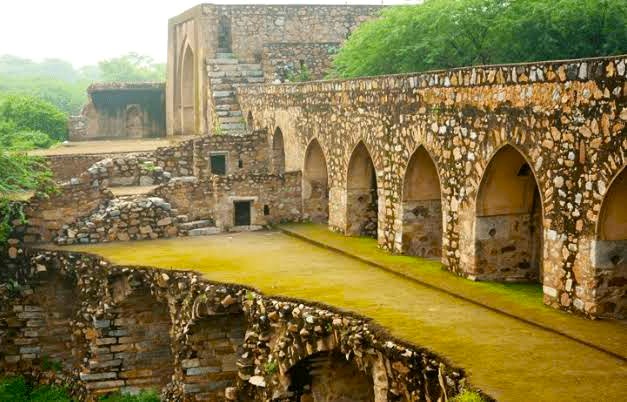
Tughlaq rulers, especially Firuz Shah, are remembered for irrigation canals, wells and urban planning projects. Canals diverted river water to fields and cities; wells and baolis improved water access. New cities like Tughlaqabad (under Ghiyasuddin) and Firozabad (under Firuz Shah) reflected attempts at planned Islamic capitals with fortifications, palaces and mosques. Many projects were ambitious but not all were sustainable, particularly Muhammad bin Tughlaq’s urban and revenue experiments, which have become case studies in over-ambitious state planning in premodern South Asia.
Succession, Fragmentation And Later Memory
Over time, revolts, provincial secessions and external invasions (including Timur’s raid in 1398) weakened Tughlaq authority, leading to fragmentation of the Delhi Sultanate and rise of regional sultanates. Successor states in Gujarat, Bengal, the Deccan and elsewhere carried forward administrative and cultural patterns shaped in Delhi. Later dynasties, including the Sayyids and Lodis, built on Tughlaq foundations even as they replaced them. In architecture, chronicles and Sufi lore, the legacy of the Tughlaq Dynasty in Delhi and north Indian Islamic history endures, representing both the high ambitions and stark vulnerabilities of a medieval empire.
Step Inside The Story - View All Tour Itineraries & Details
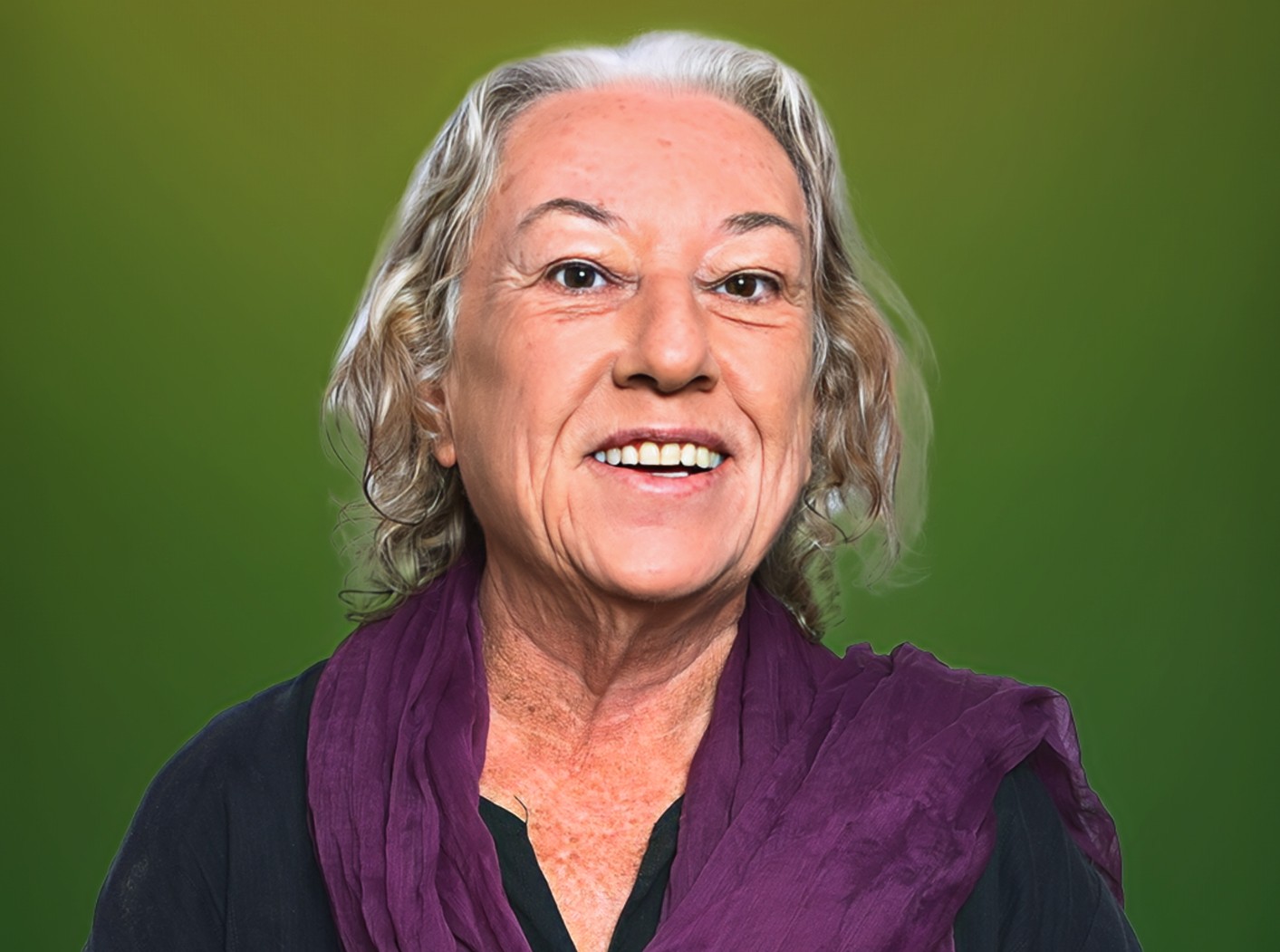
We’re here to offer genuine, thoughtful guidance if your interested in travelling to India. As a small, dedicated team, we pay close attention to every detail so you can focus on enjoying the experience while we take care of the planning. We believe the best trips begin when someone truly listens to what you want and how you like to travel, so the journey feels right for you and contributes to a happy, positive group on tour. Our communication stays clear, straightforward, and respectful at every step, with the goal of helping you feel understood, supported, and confident from first contact to the end of your journey.
Click Catherine Frith - About The Founder
Click Discover Life Travel - All Tours and More
Click Why We Are Different - Unique, Safe, Transparent