A Unique Look Into Indian History
Sangam Period: Tamil Nadu - India
Discover Life Travel
The Era of Tamil Literature and Heroic Kings
In the early 14th century, South India was in turmoil. The great Hoysala, Kakatiya, and Pandyan kingdoms had been crushed and their capitals sacked by the devastating invasions of the Delhi Sultanate under generals like Malik Kafur. The subsequent establishment of the short-lived but disruptive Madurai Sultanate created a political vacuum and a profound crisis for the Hindu principalities of the south. The collapse of the classical South Indian kingdoms left the region fragmented, vulnerable, and in desperate need of a unifying power to resist the northern tide and restore Hindu Dharma. Sangam Period Tamil Nadu India
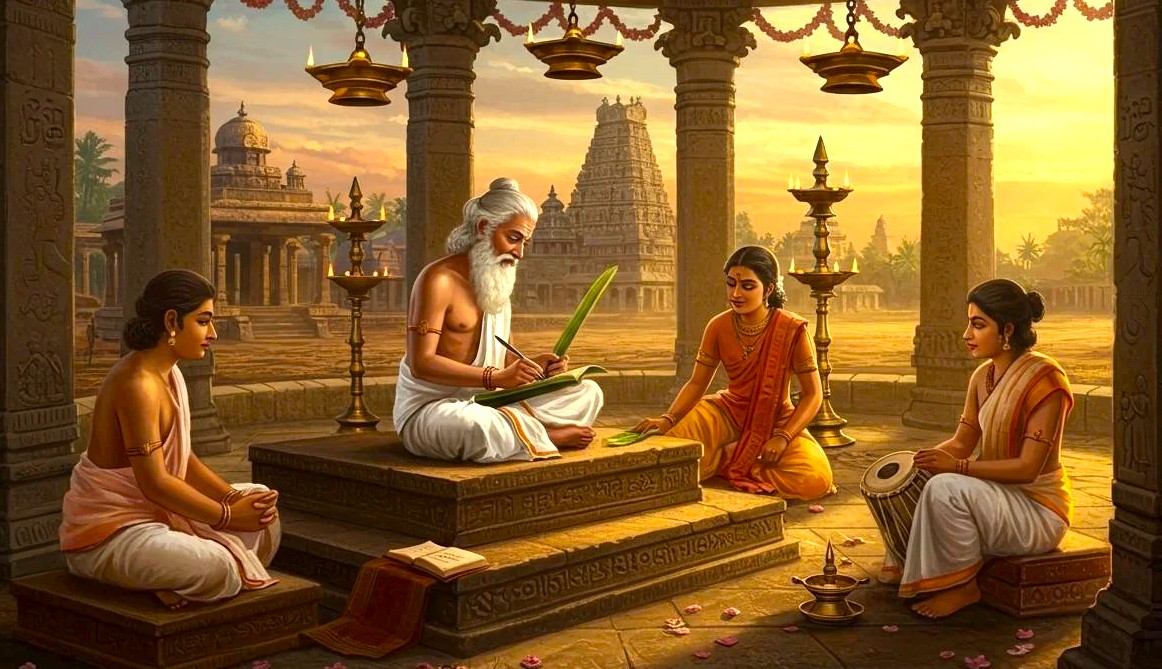
Sangam Period - Tamil Nadu India: The Five Brothers and the Guru's Vision
From this chaos rose the Sangama Dynasty. Five brothers, sons of a chieftain named Sangama, with Harihara I and Bukka Raya I being the most prominent, began their careers as commanders in the service of the Hoysalas or Kakatiyas. According to legend, after being captured and taken to Delhi, they returned south. On the banks of the Tungabhadra river, they encountered the great spiritual leader and sage, Vidyaranya. Inspired by his vision, they renounced their service to any Sultan and, in 1336, laid the foundation stones for a new capital and a new kingdom. The founding of the city of Vijayanagara (City of Victory) was a deliberate act to create a bastion of Hindu resistance.
A King's Life as a Holy War
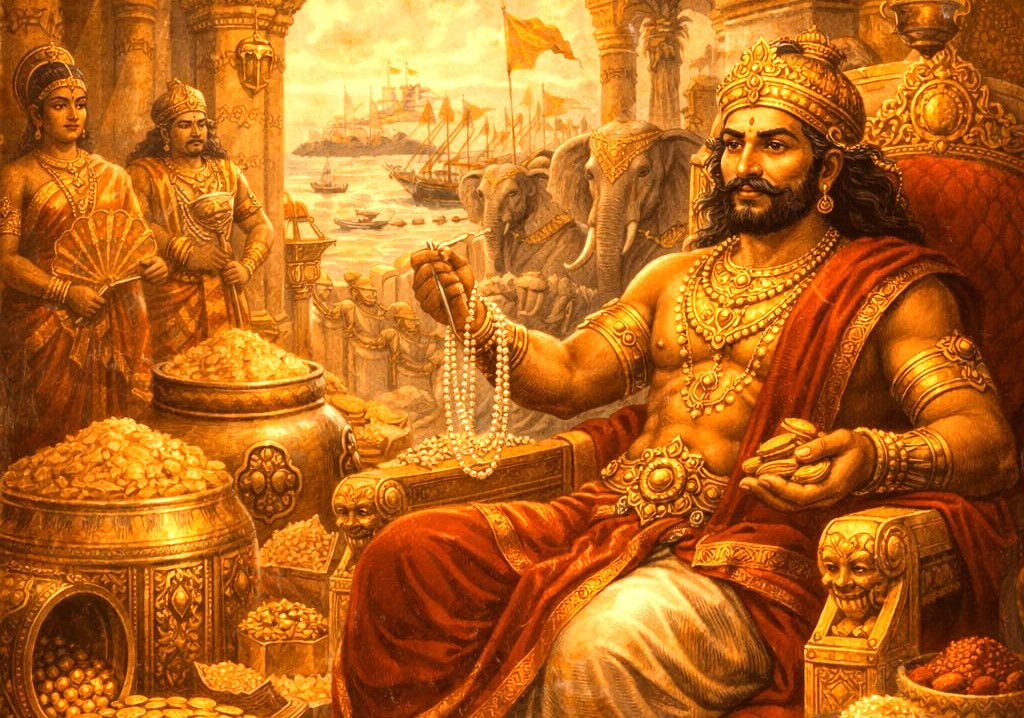
The daily life of a Sangama king like Harihara or Bukka was not one of imperial luxury but of relentless, foundational work. Their court was a military headquarters. Mornings were for war councils, planning campaigns to reclaim territories from the Madurai and Bahmani Sultanates. Afternoons were spent overseeing the construction of the new capital and establishing a robust administrative system to govern their rapidly expanding territories. Their rule was a "dharma-yuddha" (a righteous war), and their every action was dedicated to the consolidation and protection of the nascent Vijayanagara Empire. Sangam Period Tamil Nadu India
A People Rallying to a New Banner
For the common people, the rise of the Sangama Dynasty offered a ray of hope and security. Farmers, artisans, and merchants flocked to the new, fortified capital, seeking protection from the chaos that had engulfed the south. The society was organized for war. Local chieftains were brought under control, and a strong army was raised. The primary role of the citizen in the early Vijayanagara period was to support the military and agricultural revival that the Sangama kings championed, creating a shared sense of purpose in the defense of their culture and faith.
A Diet to Fuel an Army
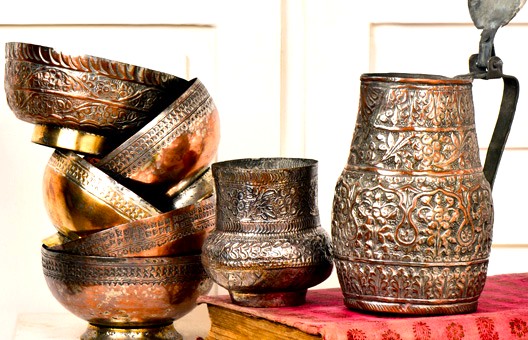
The royal kitchens would have reflected the practical needs of a kingdom at war. The cuisine was based on the robust food traditions of the Deccan - millets like ragi and jowar, rice, and lentils. The focus was on providing hearty, nutritious meals for the king, his court of commanders, and the vast army. While not without its refinements, the culinary focus during the Sangma period was on strength and sustenance rather than the elaborate, decadent luxury that would characterize the later empire.
The Law of Restored Dharma
The Sangama kings saw themselves as restorers of righteous law. Their justice system was based on traditional Hindu legal texts (Dharmashastras) and local customs. The king was the supreme judge, and his primary duty was to re-establish the social and moral order that had been disrupted by the invasions. They established courts and appointed officials to ensure that justice was administered throughout their growing kingdom, with a focus on protecting property, religious endowments, and social stability. The re-establishment of Hindu legal traditions was a cornerstone of Sangama rule. Sangam Period Tamil Nadu India
A Kingdom Consecrated to Virupaksha
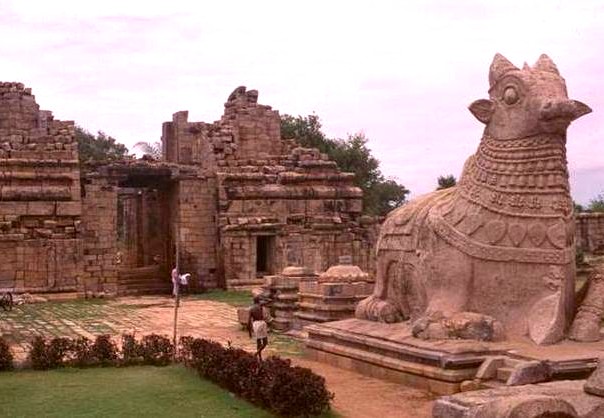
The dynasty's mission was explicitly religious: the protection and rejuvenation of Hinduism. They declared themselves the special servants of the god Virupaksha (a form of Shiva), the traditional deity of the region where their capital was built. The great sage Vidyaranya, who was the head of the Sringeri Sharada Peetham, served as their spiritual guide. The patronage of the Virupaksha temple and the Sringeri Matha provided the Sangama kings with immense spiritual legitimacy, framing their political project as a sacred duty.
The Grand Festival of the War-Gods
The most important festival for the Sangama dynasty was Mahanavami (Dasara). They transformed this religious festival into a massive, nine-day state spectacle. It was a time to display the empire's military might, with grand parades of the army, war elephants, and horses. Vassal lords would arrive to pay their tribute, and their loyalty would be publicly reaffirmed. The Mahanavami festival as a display of Vijayanagara's military power was a crucial political ritual, demonstrating the unity and strength of the new empire to both its subjects and its enemies.
A Court of Generals and Sages
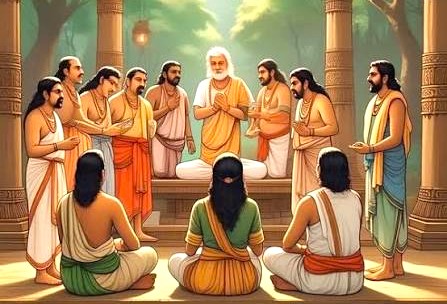
The court was a practical, martial affair. The most influential figures were not poets or artists but the king's brothers who served as his generals, and the great spiritual preceptor, Vidyaranya. The court was the nerve center for military campaigns and administrative organization. While Sanskrit learning was patronized, the primary focus was on state-building. The influence of the sage Vidyaranya on the Sangama court's policies was immense, ensuring that every political and military action was aligned with the broader mission of protecting Dharma. Sangam Period Tamil Nadu India
Pushing Back the Crescent Moon
The military history is a story of relentless and successful expansion. Harihara I and Bukka Raya I consolidated their rule over the Tungabhadra region. Bukka's son, Kumara Kampana, led a legendary campaign south, defeating and destroying the Madurai Sultanate, an event immortalized in the epic poem Madura Vijayam. They also engaged in a constant, grinding war with the powerful Bahmani Sultanate to their north. The Sangama dynasty's successful campaigns against the Deccan Sultanates were crucial in securing South India as a Hindu-dominated region.
Queens of a New Kingdom
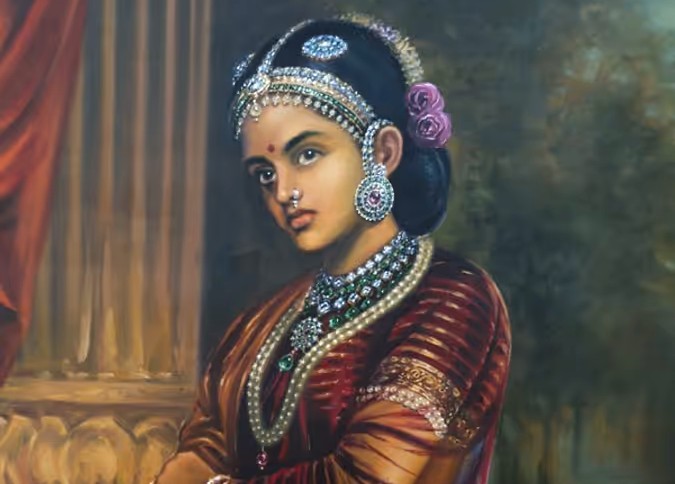
While the Sangama period was dominated by its male warriors and kings, women played important roles. Kumara Kampana's wife, Gangadevi, was a celebrated poet who wrote the Madura Vijayam, providing a rare and invaluable female perspective on the era's heroic conquests. Women of the royal family were responsible for maintaining the lineage and managing the vast royal households, providing the domestic stability necessary for a state constantly at war. Gangadevi's epic poem Madura Vijayam is a significant literary work, showcasing the high level of education and cultural involvement of royal women.
The First Stones of the City of Victory
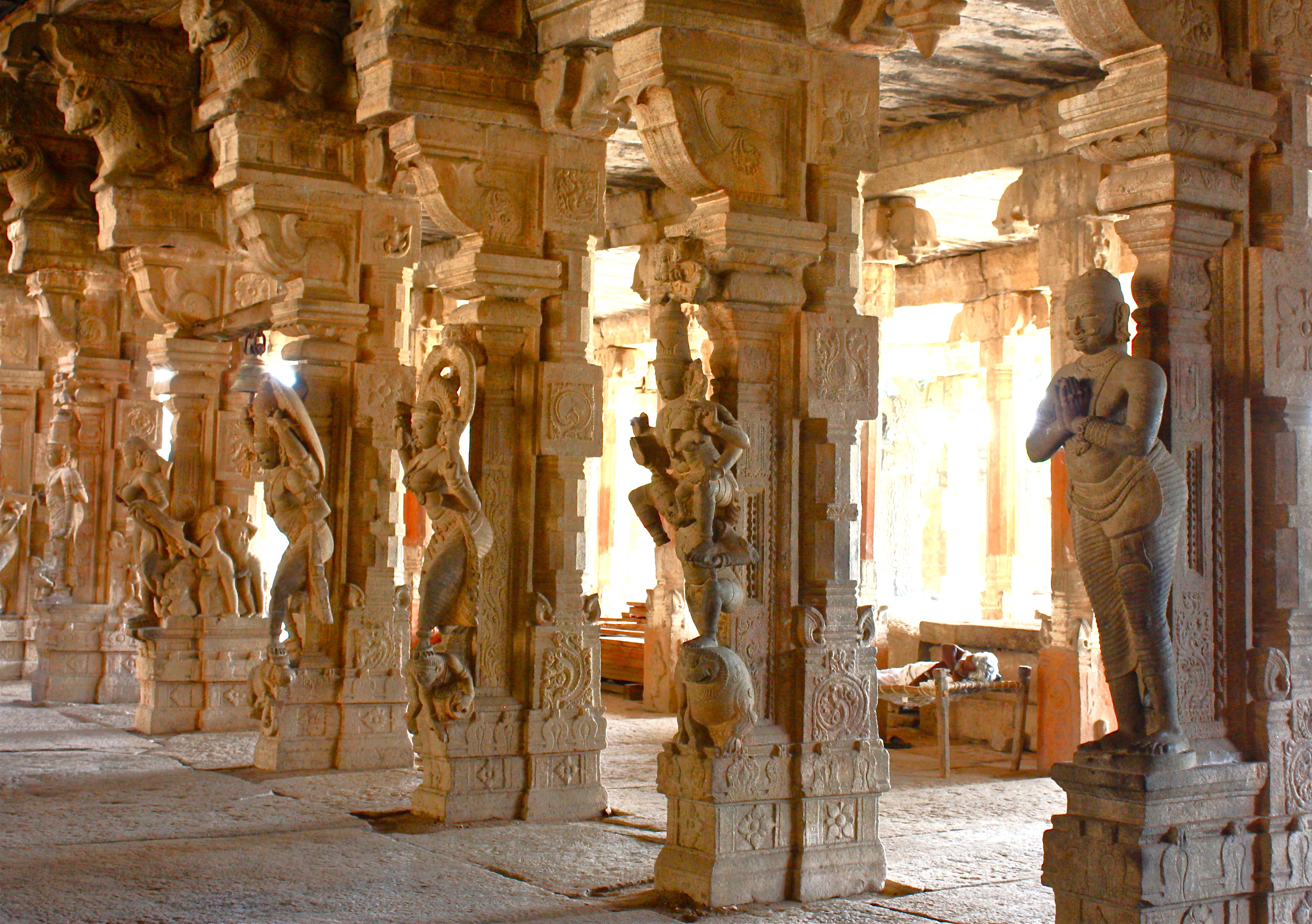
The Sangama were the original builders of Vijayanagara. Their architecture was foundational, focused on security and establishing the sacred geography of the new capital. They built the first massive fortification walls, created the first temples dedicated to Virupaksha, and began the construction of the sophisticated network of canals and aqueducts that would bring water to the city. The early Vijayanagara architecture of the Sangama period was robust and less ornate than later styles, the powerful, functional beginnings of what would become a breathtaking imperial capital. Sangam Period Tamil Nadu India
The Final Rest of a Defender of the Faith
The funeral rites of the Sangama kings would have been performed according to Hindu tradition, with royal cremation ceremonies befitting a Kshatriya king. More importantly, as the founders of a "Dharma Rajya" (righteous kingdom), their deaths were mourned as the passing of a protector of the faith. While they did not build grand mausoleums for themselves, their legacy was immortalized in the city and the empire they had forged from the ashes of defeat. Their true memorial was the enduring empire of Vijayanagara itself.
Physicians for a Kingdom at War
In a state constantly engaged in military campaigns, healthcare was a practical necessity. The Sangama kings would have patronized Ayurvedic physicians, who were essential for treating wounded soldiers and maintaining the health of the army. This traditional Indian system of medicine, with its deep knowledge of surgery and herbal remedies, would have been a vital part of the kingdom's military infrastructure. The role of Ayurvedic medicine in the Vijayanagara army was crucial for its success and resilience.
Water for a City of Stone
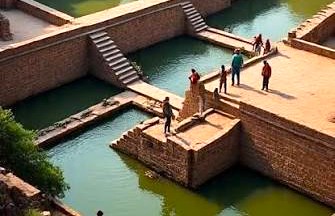
One of the most brilliant and lasting achievements of the dynasty was the initiation of the incredible hydraulic system that sustained Vijayanagara. Situated in a semi-arid, rocky landscape, the city's survival depended on water management. They began the construction of the great tanks, reservoirs, and stone-cut channels that collected monsoon rainwater and channeled it from the Tungabhadra river into the city. The construction of canals and aqueducts during the Sangama period was a feat of engineering that made the growth of the imperial capital possible.
The End of the First Line
After the powerful reign of Deva Raya II, the Sangama began to weaken due to a series of ineffective rulers and internal succession disputes. The empire, threatened by the Bahmani Sultanate and internal rebellion, was on the verge of collapse. In this crisis, a powerful general named Saluva Narasimha Deva Raya, seeing that the Sangama line could no longer protect the empire, staged a coup around 1485. He usurped the throne, deposing the last Sangama ruler. This takeover by Saluva Narasimha to save the empire brought the Sangama dynasty to an end but ensured the survival of Vijayanagara under a new, more vigorous ruling house. Sangam Period Tamil Nadu India
Step Inside The Story - View All Tour Itineraries & Details

We’re here to offer genuine, thoughtful guidance if your interested in travelling to India. As a small, dedicated team, we pay close attention to every detail so you can focus on enjoying the experience while we take care of the planning. We believe the best trips begin when someone truly listens to what you want and how you like to travel, so the journey feels right for you and contributes to a happy, positive group on tour. Our communication stays clear, straightforward, and respectful at every step, with the goal of helping you feel understood, supported, and confident from first contact to the end of your journey.
Click Catherine Frith - About The Founder
Click Discover Life Travel - All Tours and More
Click Why We Are Different - Unique, Safe, Transparent