A Unique Look Into Indian History
Pratihara Dynasty: North India
Discover life Travel
Villages And Trade Routes Before Pratihara Power
Before the Pratihara Dynasty of early north India rose to prominence, the Rajasthan–Malwa–Ganga basin corridor was held by smaller Rajput and non-Rajput clans, lingering Gupta successors, and early regional kingdoms. Caravan tracks linked Sindh, Gujarat ports, Rajasthan, Malwa and the Gangetic plains, forming pre-Pratihara trade and political networks across western and northern India. Semi-arid Rajasthan supported pastoral–agrarian communities clustered around tanks, wells and caravanserais; Malwa and Bundelkhand provided richer farmlands. This fragmented landscape of forts, shrines and rival chiefs formed the context into which the Gurjara-Pratiharas stepped as major power brokers. Pratihara Dynasty North India
Pratihara Dynasty - North India: Nagabhata And The Founding Of Pratihara Power
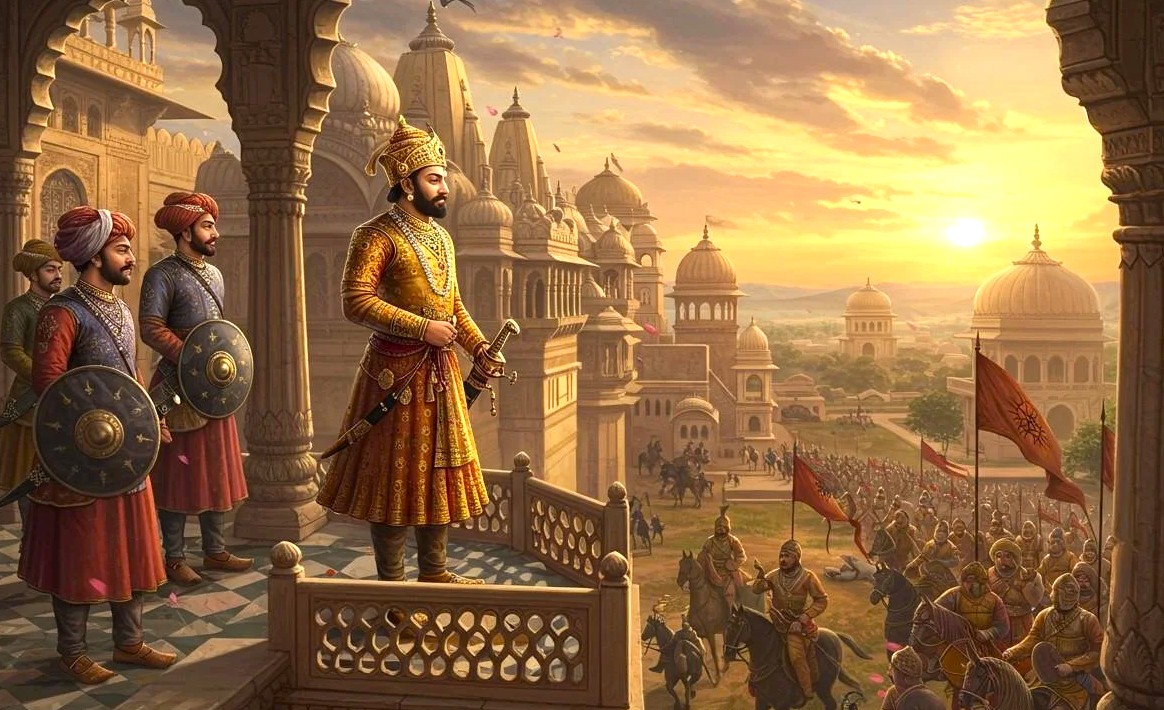
The origin story of the Pratihara's Indian history centers on Nagabhata I, often called a Gurjara-Pratihara chief based in the western Indian region (around Jalore–Bhinmal belt). In the 8th century, he is credited with repelling Arab incursions from Sindh, becoming a frontier defender of northwestern India against early Arab expansion. His successors consolidated lands in Rajasthan and Malwa, and by the time of Nagabhata II and later rulers like Mihira Bhoja, the Pratiharas emerged as one of the three great powers in the famous “tripartite struggle” for Kannauj, forming a Gurjara-Pratihara empire spanning much of northern and western India.
Daily Life In The Pratihara Royal Court
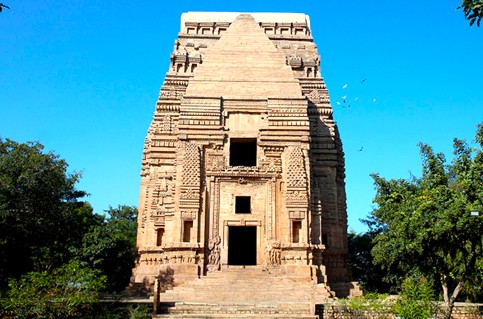
In the Pratihara capitals at Kannauj and earlier western centers, daily court life reflected high Rajput–Brahmanical ideals and growing imperial ambition. At dawn, the king bathed, received tilak and performed worship to Shiva, Vishnu or the royal tutelary deity, representing dharmic kingship and Hindu royal ritual in early medieval north India. Queens managed inner apartments, jewelry, granaries, and temple gifts, as well as patronage to Brahmins and poets, showing royal women’s roles in economic oversight and religious endowment under the Pratiharas. Princes trained in warfare, hunting, diplomacy and Sanskrit learning. Audiences with feudatories, tax officials and envoys from rival powers like the Palas and Rashtrakutas filled the day. Pratihara Dynasty North India
Village Society Under Pratihara Sovereignty
Beyond the capitals, most people lived in Pratihara-era rural communities across Rajasthan, Malwa and the Ganga plains. Farmers cultivated millets and pulses in drier Rajasthan, and wheat, rice and sugarcane in better-watered regions, using wells, tanks and canals. Cattle, camels and horses were vital to ploughing, transport and status, typical of early medieval north and western Indian agrarian-pastoral economies. Village assemblies (sabhas, panchayats) and caste councils resolved local disputes, negotiated taxes and managed common resources, illustrating continuity of local self-governance beneath Pratihara overlordship. Artisans and traders connected villages to market towns and long-distance caravans.
Royal Kitchens, Hunt Meat And Public Feasts
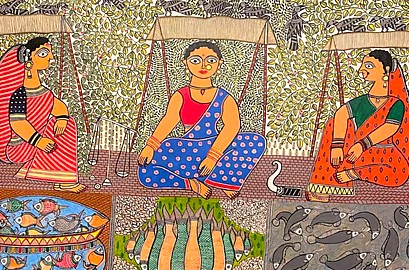
Within Pratihara palaces and forts, large kitchens supplied imperial Rajput–Brahmanical cuisine in early medieval north India. Wheat breads, rice, lentils, vegetables, milk products and, for Kshatriya households, game and other meats were prepared with regionally available spices and ghee. Hunting expeditions in forests and along riverbanks reinforced royal prowess and stocked kitchens. On major festivals, coronations and temple consecrations, kings sponsored anna-dana (food charity) and mass-feeding at temples and public spaces, strengthening bonds with subjects and Brahmin communities. Food thus served as both daily provision and a crucial tool of visible generosity and religious merit. Pratihara Dynasty North India
Laws, Brahmin Councils And Royal Edicts
Legal order in Pratihara territories combined dharmashastra-based principles, Brahmin adjudication and royal authority. Land grants and copperplates record assemblies of Brahmins and local elders deciding boundary disputes and tax obligations, representing text-informed yet locally negotiated law in early medieval kingdoms. The king issued charters, confirmed or revoked lands, and occasionally punished rebellion or grave crimes with confiscation, exile or corporal penalties. Village and caste councils handled many everyday matters (marriage, inheritance, minor offenses), showing layered justice where royal courts, Brahmin jurists and local bodies each played roles.
Temples, Deities And Royal Patronage
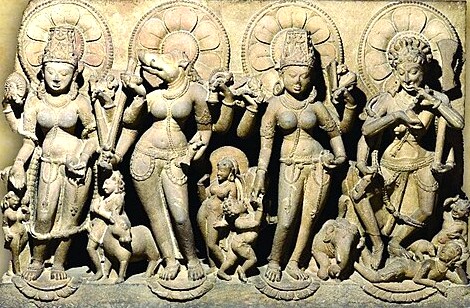
Pratihara rulers strongly supported Brahmanical Hinduism, making their reign central to temple building and religious patronage in early medieval north India. They endowed temples to Vishnu, Shiva, Surya and regional deities, and supported Brahmin settlements (agraharas), reinforcing Smarta and Vaishnava–Shaiva practices across their domains. Sculptural and inscriptional evidence shows donations of land, gold, cattle and lamps to religious institutions. Temples acted as centers of learning, economic activity and local identity. Patronage of pilgrimage sites and mathas enhanced the Pratiharas’ image as protectors of dharma and defenders of the Hindu religious order against both internal rivals and external threats.
Festivals, Rath Yatras And Local Melas
Religious and seasonal festivals in Pratihara-ruled regions echoed broader north Indian patterns while bearing local flavors. Navaratri, solar festivals, harvest celebrations and deity-specific utsavas saw processions with images on palanquins or chariots, drumming, conches and offerings, exemplifying temple-centered festival culture in Rajput–Brahmanical polities. Village melas combined worship with trade, entertainment and matchmaking. Royal participation - attendance at major rituals, patronage of lamps and feasts, and distribution of charity - turned these festivals into public reaffirmations of Pratihara authority and religious legitimacy. Pratihara Dynasty North India
Durbars, Poets And Courtly Arts
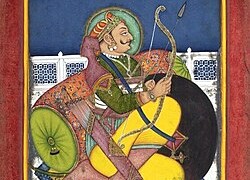
At the court, governance and art intermingled, forming Indo-Aryan court culture and Sanskrit literary patronage in early medieval north India. Mornings in the darbar were devoted to petitions, tax decisions, military planning and the reception of tributaries. Later hours featured poets reciting Sanskrit and regional verses, genealogists praising the dynasty, musicians, dancers and storytellers, contributing to aesthetic refinement and political messaging through performance. Patronage of grammarians, philosophers and temple architects helped shape north Indian intellectual and artistic traditions, though the names of many specific works and authors remain fragmentary.
Tripartite Struggle And Frontier Warfare
The military career of the Pratiharas is most famous for the tripartite struggle with the Palas of Bengal and the Rashtrakutas of the Deccan over Kannauj. Campaigns crisscrossed the Ganga–Yamuna basin and Malwa, with armies of cavalry, elephants, infantry and siege craft, illustrating early medieval Indian interstate warfare and shifting alliances. Pratihara armies also defended against Arab incursions from the northwest and engaged with Rajput lineages in Rajasthan. Control of trade routes, fertile tracts and symbolic centers like Kannauj underlie many conflicts. Though the balance of power shifted over generations, the Pratiharas remained major players for centuries, embodying imperial ambition in early medieval north India.
Marriage Alliances And Rajput Lineage Politics
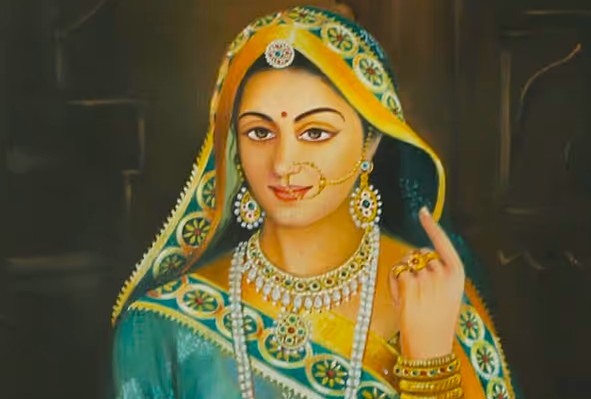
Dynastic marriages were crucial tools of alliance-building and Rajput lineage consolidation under the Pratiharas. Royal sons and daughters married into other Rajput, Gurjara and regional houses, weaving kinship networks across Rajasthan, Malwa and the Ganga belt. Such ties shaped treaties, military support and claims to land. Queens sometimes appear in inscriptions as donors to temples and Brahmins, evidence of royal women’s land grants and religious patronage in early medieval courts. Inside palaces, women could influence succession and factional balances through counsel and ritual roles, even if chronicles foreground kings more than queens. Pratihara Dynasty North India
Craftsmen, Temple Art And Urban Life
Pratihara patronage left a mark on temple architecture, sculpture and urban form in western and northern India. Surviving structures and fragments show intricate stone carving, iconography and early north Indian (Nagara) temple forms that would influence later styles. Towns around forts and temples housed potters, smiths, weavers, sculptors and merchants, forming vibrant local economies under royal and temple demand. Sponsorship of artisans and architects allowed the Pratiharas to project power and piety in stone, even where written narratives are sparse.
Funerary Rites, Hero Stones And Memory
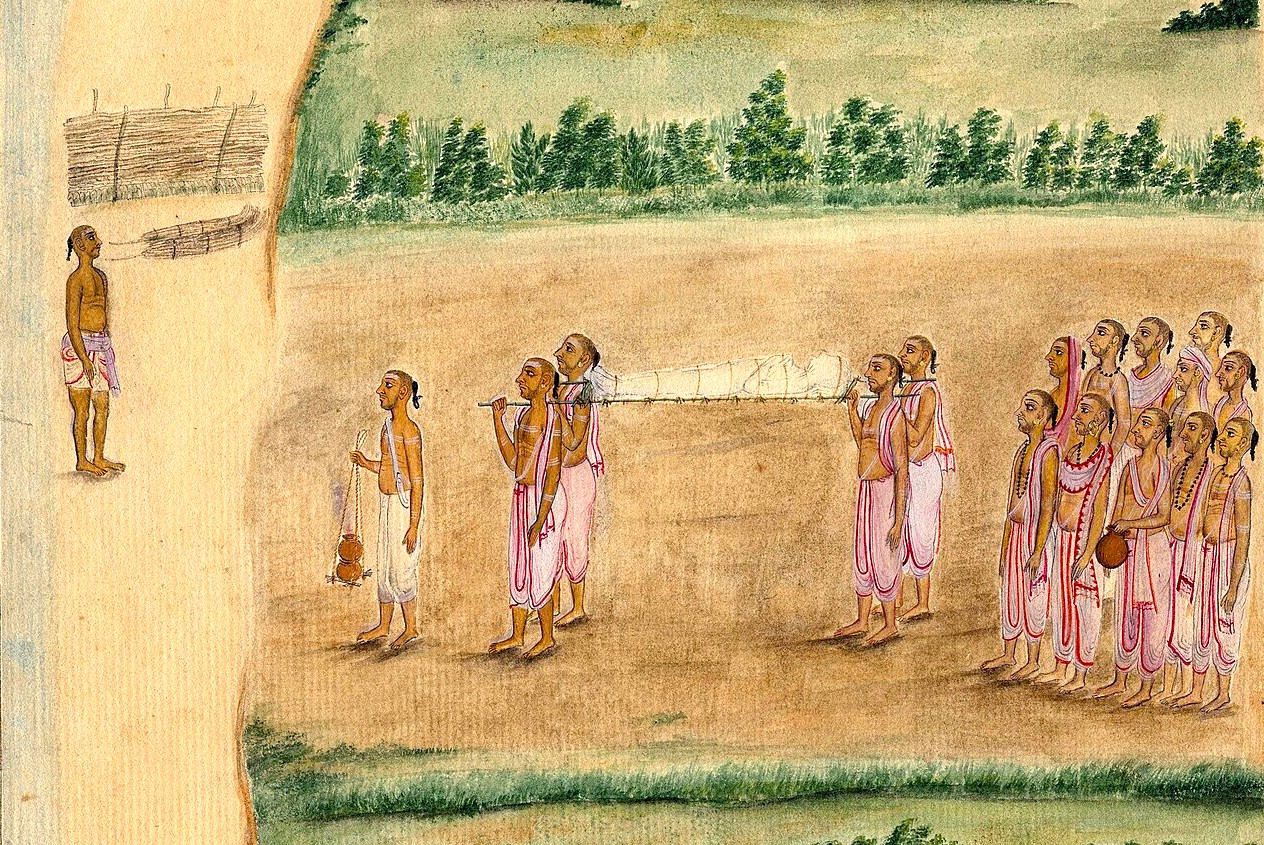
In Pratihara territories, death customs followed Hindu cremation rites and warrior memorial practices typical of Rajput polities. Royals and elites were cremated at riverside or tank-side ghats; ashes were consigned to water or buried near sacred spots. Hero stones (viragallu/paliya-type markers) and later cenotaphs commemorated warriors and nobles who died in battle or notable circumstances, embedding memory of valor and loyalty into the landscape. Annual shraddha offerings and temple donations maintained ties between living families and their ancestors, reinforcing lineage identity and moral exemplars for the martial elite.
Vaidyas, Ascetics And Healing Traditions
Health care drew on Ayurveda, folk practices and religious healing. Vaidyas treated patients using classical texts and local herbs; barber-surgeons and bonesetters provided practical procedures. Ascetics and temple priests offered mantras, amulets and rituals for illness or misfortune, evidencing blended medical and spiritual approaches in early medieval Indian society. Pilgrimage to rivers, springs and shrines for cures further tied bodily well-being to sacred geographies the Pratiharas helped sustain. Pratihara Dynasty North India
Tanks, Stepwells And Water Politics
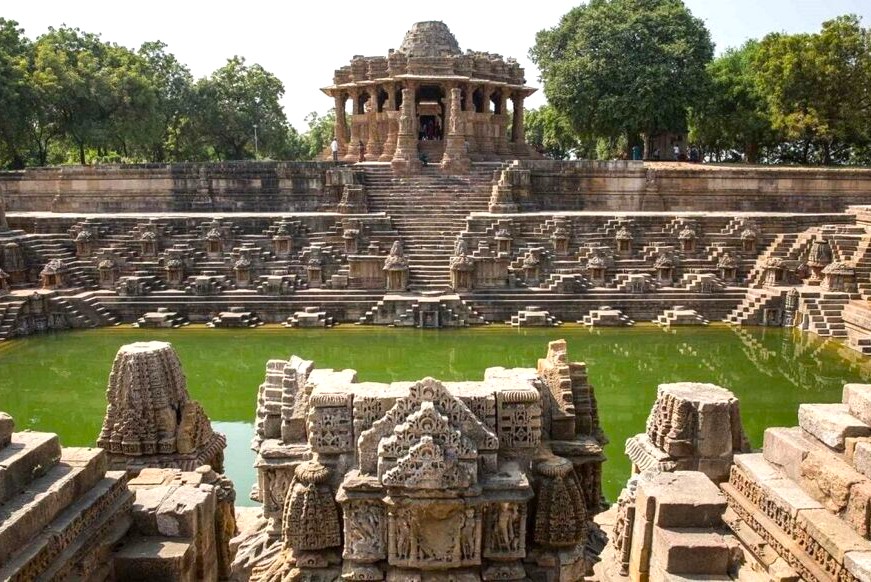
Water management - tanks, wells and canals - underpinned agrarian productivity in Pratihara domains. Rulers, nobles and temples commissioned tanks and stepwells, especially in semi-arid Rajasthan and Malwa, forming regional traditions of water architecture and irrigation. Inscriptions mention grants for constructing and maintaining such works. Sharing of water was regulated by local custom and sometimes royal oversight, linking control of water infrastructure to political authority and dharmic responsibility. Successful management meant surplus and stability; failure risked famine and unrest.
Succession Strains, Regionalization And Legacy
Over time, internal succession disputes, sustained warfare and the rise of powerful regional kingdoms weakened Pratihara central control, leading to fragmentation of their empire into smaller Rajput states. By around the 10th–11th centuries, they lost dominance at Kannauj, and successor dynasties and clans filled the vacuum. Yet the legacy of the Pratihara Dynasty in north Indian political structures, temple patronage patterns and Rajput identity formation persisted. Their role in resisting external incursions, shaping early Rajput polities, and fostering Nagara temple art situates them as a key bridge between the ancient and fully “medieval” phases of northern Indian history.
Step Inside The Story - View All Tour Itineraries & Details

We’re here to offer genuine, thoughtful guidance if your interested in travelling to India. As a small, dedicated team, we pay close attention to every detail so you can focus on enjoying the experience while we take care of the planning. We believe the best trips begin when someone truly listens to what you want and how you like to travel, so the journey feels right for you and contributes to a happy, positive group on tour. Our communication stays clear, straightforward, and respectful at every step, with the goal of helping you feel understood, supported, and confident from first contact to the end of your journey.
Click Catherine Frith - About The Founder
Click Discover Life Travel - All Tours and More
Click Why We Are Different - Unique, Safe, Transparent