Unique Insights Into The Gods Of India
Lakshman: Serpent God Born as a Twin
Discover Life Travel
The Eternal Devotion of Lakshman
At the conclusion of the great Putrakameshti Yajna performed by King Dasharatha of Ayodhya, the fire god Agni emerged, bestowing a pot of divine kheer. Dasharatha distributed this among his three wives. Queen Sumitra received two portions, and from this divine blessing, the divine origin story of Lakshmana and his twin brother Shatrughna began. Lakshmana is revered as the earthly incarnation of Shesha Naga, the thousand-headed cosmic serpent upon whom Vishnu rests. This divine origin imbued him with immense power, unwavering loyalty, and a fiery, protective nature. His birth in the sacred city of Ayodhya was not just that of a prince, but of a divine servant destined to follow his master, Rama, into the world. Lakshman Serpent God Born as a Twin
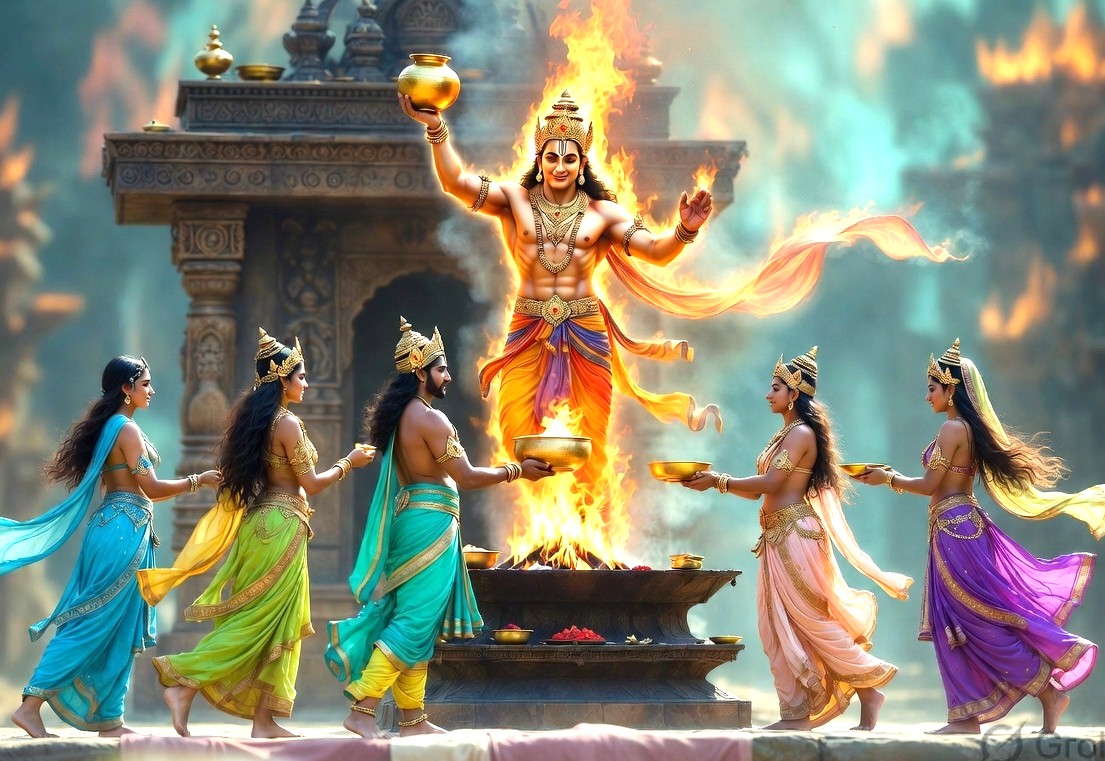
Lakshman Serpent God Born as a Twin: The Unwavering Arrow of Selfless Service
Lakshmana’s primary symbol is the very essence of his being: selfless service. However, his divine bow and arrow symbolizes Lakshmana’s readiness to defend Dharma. This represents his role as the eternal watchman, the vigilant protector who stands guard over righteousness. His fiery temper, which flares up only in defense of Rama and Sita, symbolizes the protective fire of loyalty. The ultimate symbolism of Lakshmana is his unwavering shadow-like presence beside Rama, representing the soul's perfect, selfless devotion (dasanubhava) to the divine, never seeking the spotlight but finding fulfillment in proximity and service to his lord and master.
A Family of Divine Incarnations
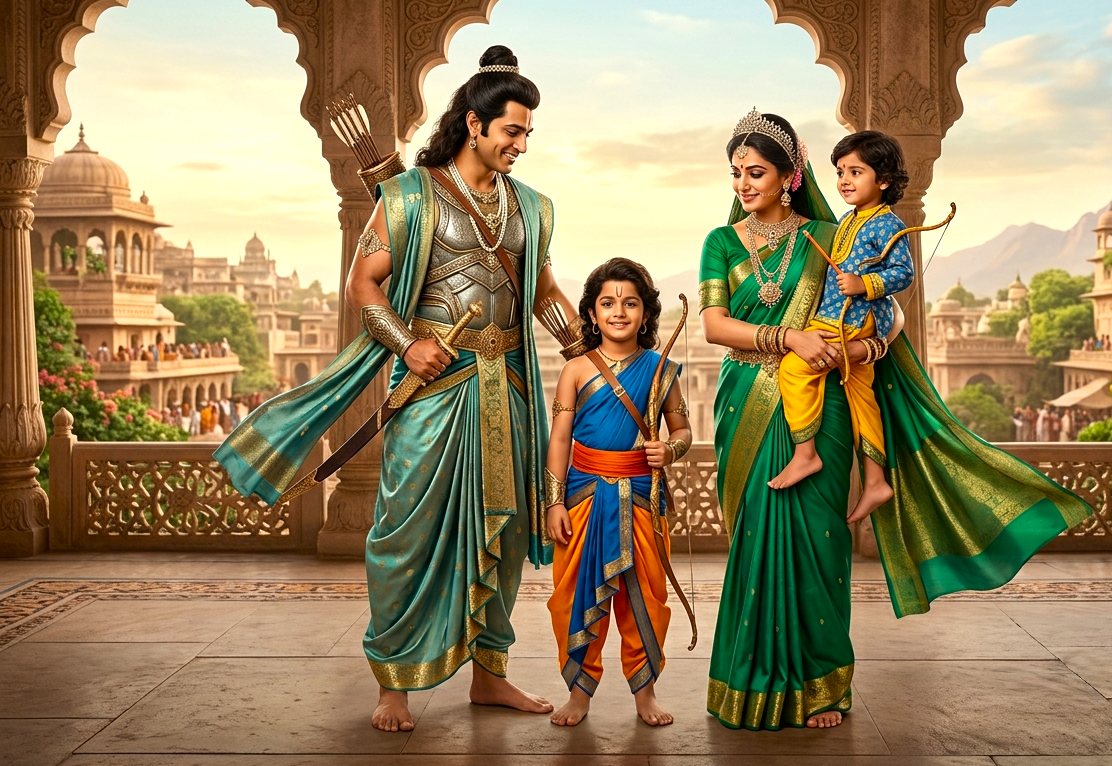
Lakshmana was born into the heart of a divine family destined to restore Dharma. His father was the noble King Dasharatha and his mother was Queen Sumitra. He was the inseparable twin of Shatrughna and the devoted younger brother to Rama and Bharata. The most significant part of the divine family of Lakshmana is his marriage to Urmila, the younger sister of Sita. This union created a powerful bond between the two royal houses. Together, Lakshmana and Urmila had two sons, Angada and Chandraketu, who would later rule parts of the kingdom. Lakshman Serpent God Born as a Twin
A Childhood Shadow to the Divine Prince
From his earliest days, Lakshmana’s life was defined by one singular, unwavering attachment. The childhood story of Lakshmana's devotion to Rama shows a bond that was immediate and absolute. While the other brothers paired off, Lakshmana was Rama’s constant companion, refusing to eat or sleep without him. This was not mere brotherly affection; it was the cosmic serpent instinctively recognizing and serving his eternal lord, Vishnu. During his training under the sages Vashistha and Vishvamitra, he learned the arts of war, always with the goal of better serving and protecting Rama. His youth was a perfect preparation for his life’s mission: a fourteen-year-long selfless vigil in the forest.
The Line Drawn for a Sacred Duty
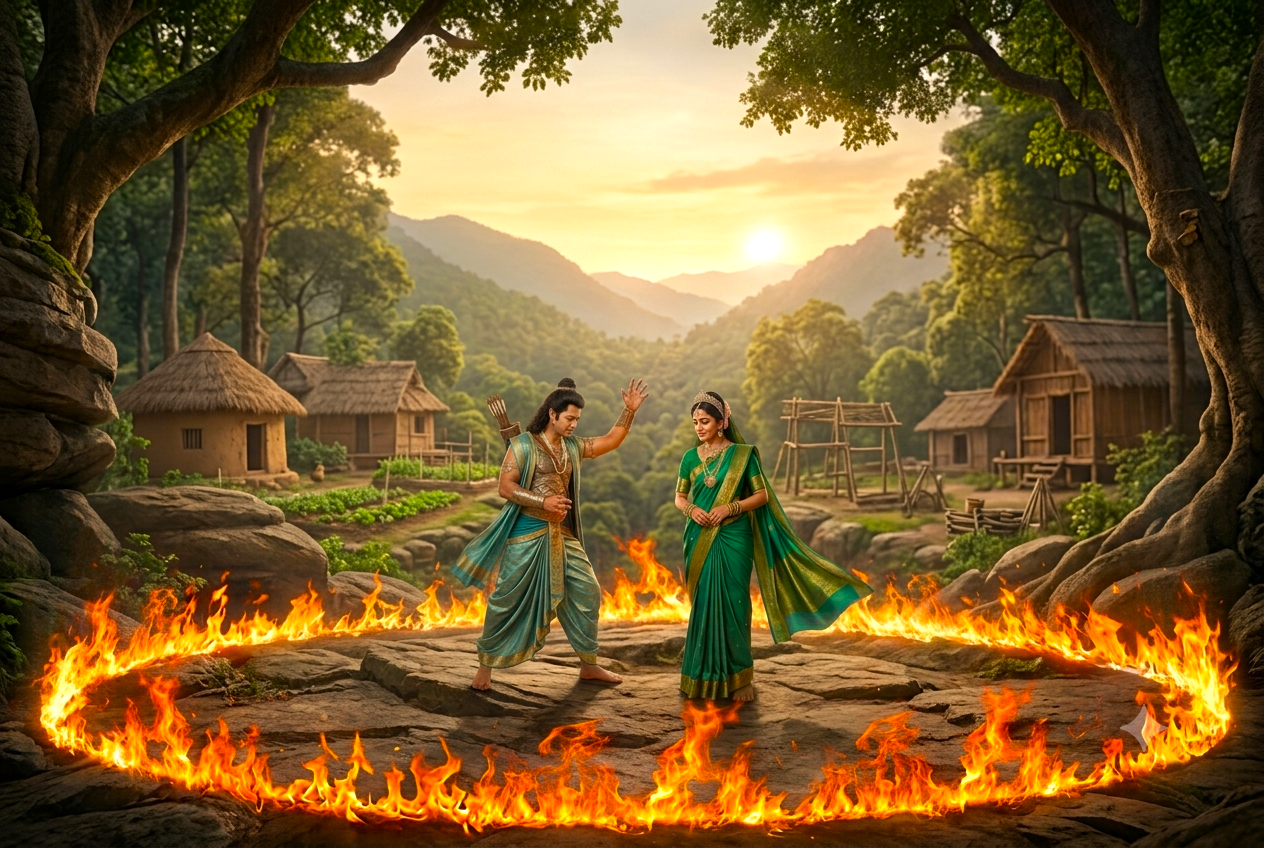
The most famous and debated story involving Lakshmana is an act of desperate protection. The story of the Lakshmana Rekha drawn to protect Sita is a pivotal moment in the Ramayana. While Rama was away chasing a magical golden deer and Lakshmana was forced to leave to check on him, he used his yogic power to draw a line around their hermitage. He invoked mantras to create a mystical boundary that no evil being could cross. Sita fatefully crossing this line at Ravana's trickery remains a powerful, though debated, episode in the epic.
The Footprints of a Devoted Servant
Lakshmana is the embodiment of a being who finds his purpose in following, not leading. As such, he requires no personal vehicle or mount. The symbolism of Lakshmana having no divine vehicle is profound. His "vehicle" is his own two feet, which tirelessly followed the sacred footprints of Rama and Sita through the dense forests and rugged terrains for fourteen years. His only "music" was the sound of Rama’s name and the twang of his bowstring in defense of his lord. His lack of a personal vahana underscores his complete and utter self-effacement, as his life's journey was entirely defined by the path his beloved brother chose to walk. Lakshman Serpent God Born as a Twin
The Serpent's Fury in the War for Sita
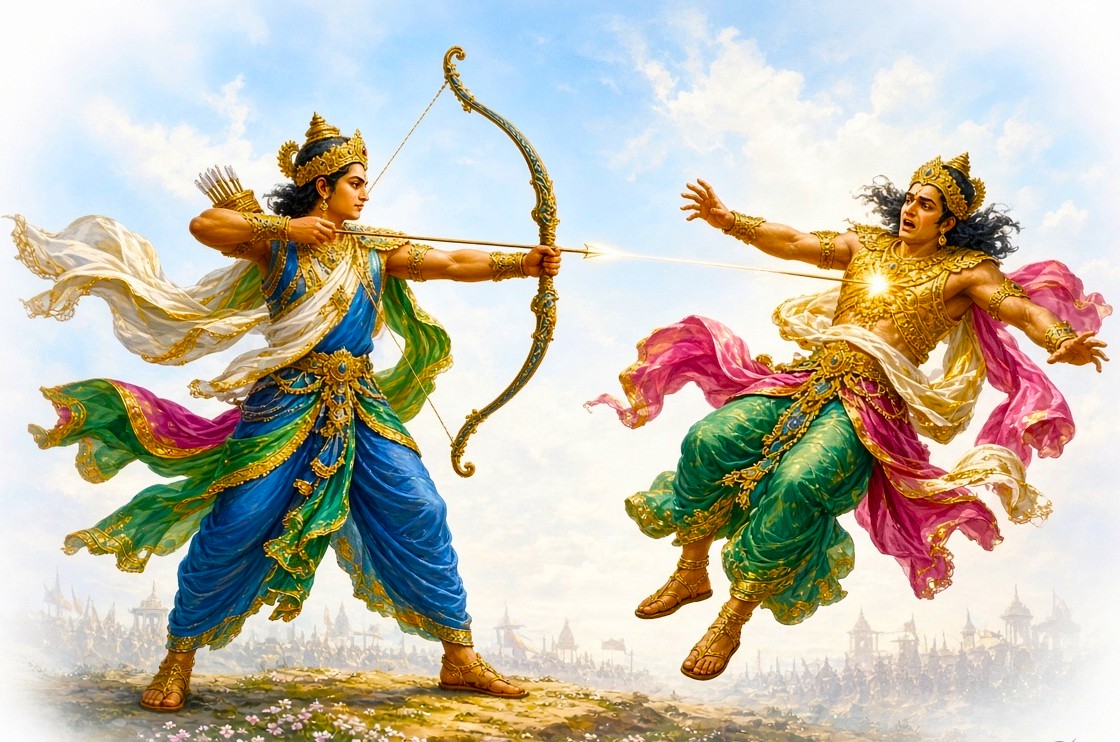
In the great war against Ravana, Lakshmana was a terrifying and decisive power. His greatest triumph was the story of Lakshmana slaying Ravana's son Indrajit, the most powerful warrior in the Rakshasa army. Indrajit, who had defeated Indra himself, was a master of illusion and celestial weapons. He could only be defeated by a man who had not slept or eaten for fourteen years - a description that perfectly fit the ever-vigilant Lakshmana. In a fierce, magical battle, Lakshmana, empowered by his austerities and invoking divine weapons, finally beheaded the seemingly invincible Indrajit, a victory that broke the back of Ravana's army.
A Sacred Surrender to a Brother's Word
Lakshmana’s 'death' is a story not of battle, but of ultimate sacrifice for the sake of his brother's dharma. After the war, when the god of time, Yama, came to speak with Rama privately, Rama decreed that anyone who interrupted their meeting must be put to death. When the famously short-tempered sage Durvasa arrived and demanded to see Rama immediately, threatening to curse the entire kingdom, Lakshmana faced an impossible choice. To save Ayodhya, he interrupted the meeting. To uphold his brother's solemn vow, Lakshmana’s final sacrifice was performing Jal Samadhi in the Sarayu river, willingly giving up his own life to protect Rama’s word and honor. Lakshman Serpent God Born as a Twin
A Message of Absolute, Unwavering Loyalty
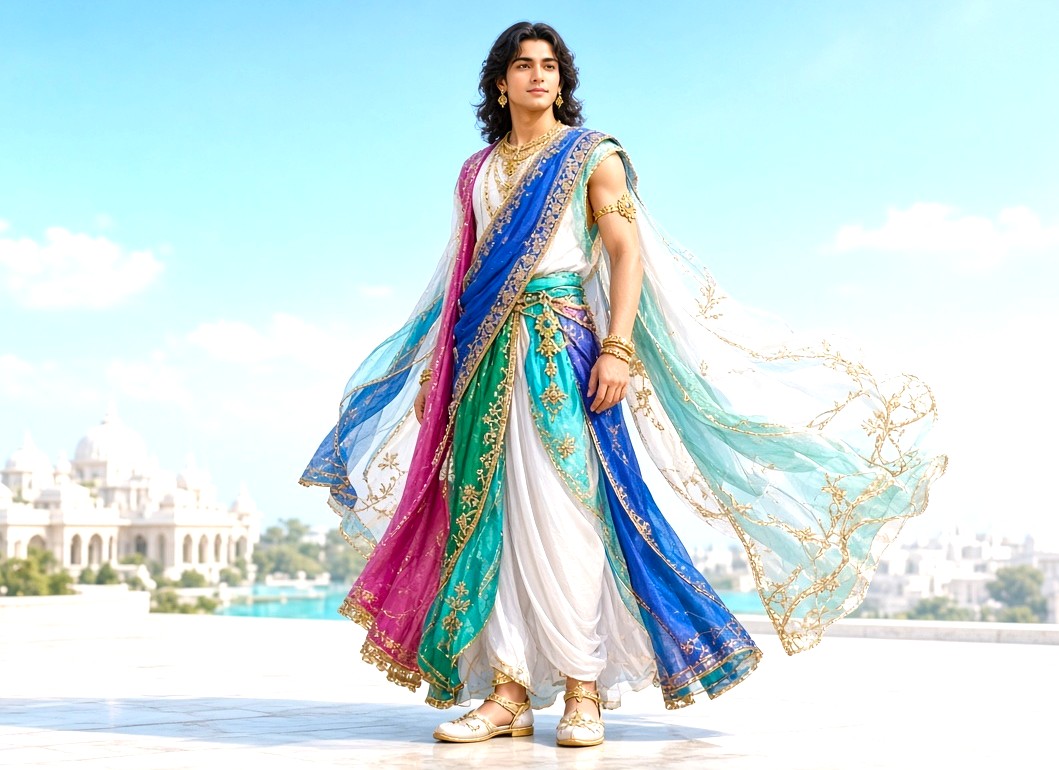
Lakshmana’s entire life is a powerful and singular message about the strength found in selfless devotion. The empowering message from Lakshmana's life is the power of loyalty and duty (seva dharma). He teaches that true greatness lies not in being the king, but in being the most loyal supporter of the righteous king. His life is a perfect example of service performed without any expectation of reward or recognition. He sought no throne, no fame, only the privilege of serving his brother. His life is a guide for anyone on a spiritual path, showing that unwavering support for a righteous cause is a noble and powerful dharma in itself.
The Third Eye Chakra and the Golden Ray of Service
As the incarnation of the cosmic serpent Shesha, Lakshmana's energy is one of immense yogic power and alertness. He is deeply connected to the Ajna Chakra, the Third Eye, the center of vigilance and inner wisdom. His fourteen years of sleeplessness were an act of supreme yogic control, keeping his Ajna Chakra perpetually open and aware. The key frequency that Lakshmana embodies is that of alert, protective consciousness. His auric field blazes with a fiery golden-yellow ray, symbolizing his fierce, protective nature and the purity of his selfless service. Meditating on him awakens vigilance and a powerful sense of duty. Lakshman Serpent God Born as a Twin
The Power of the Divine Serpent's Arrow
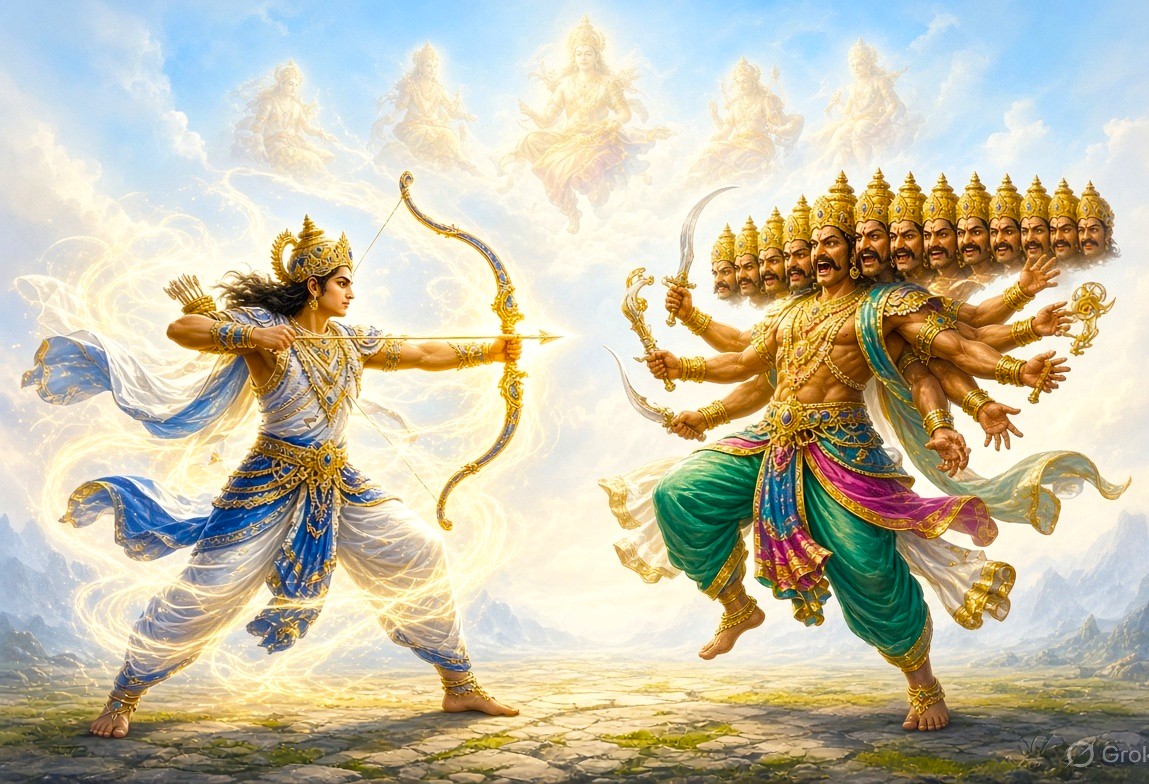
While a master of all celestial weapons, Lakshmana's true power came from his own divine nature. In the final battle with Indrajit, Rama instructed him to invoke his true form. The divine weapon of Lakshmana was his own essence as Shesha Naga. The arrow he fired at Indrajit was imbued with the power of the cosmic serpent, a force of such immense yogic and divine power that it could counteract all of Indrajit's illusions and dark magic. This "serpent-arrow" was unstoppable, a missile of pure, concentrated dharma and divine might that ensured the end of the great Rakshasa sorcerer.
The Astrological Force of Ketu and Mars
Lakshmana's fiery, devoted, and ascetic nature is reflected in powerful planetary forces. The astrological planet most associated with Lakshmana is Ketu, the south node of the moon. Ketu represents asceticism, detachment from worldly pleasures, spiritual service, and the power of moksha. His martial prowess, quick temper, and role as a divine soldier also connect him strongly to Mars, the planet of energy and warfare. His sacred geometry is a straight, unwavering arrow pointing towards its target, symbolizing his one-pointed focus and singular devotion to his duty towards Rama, without any deviation.
The Sleepless Guardian of the Forest
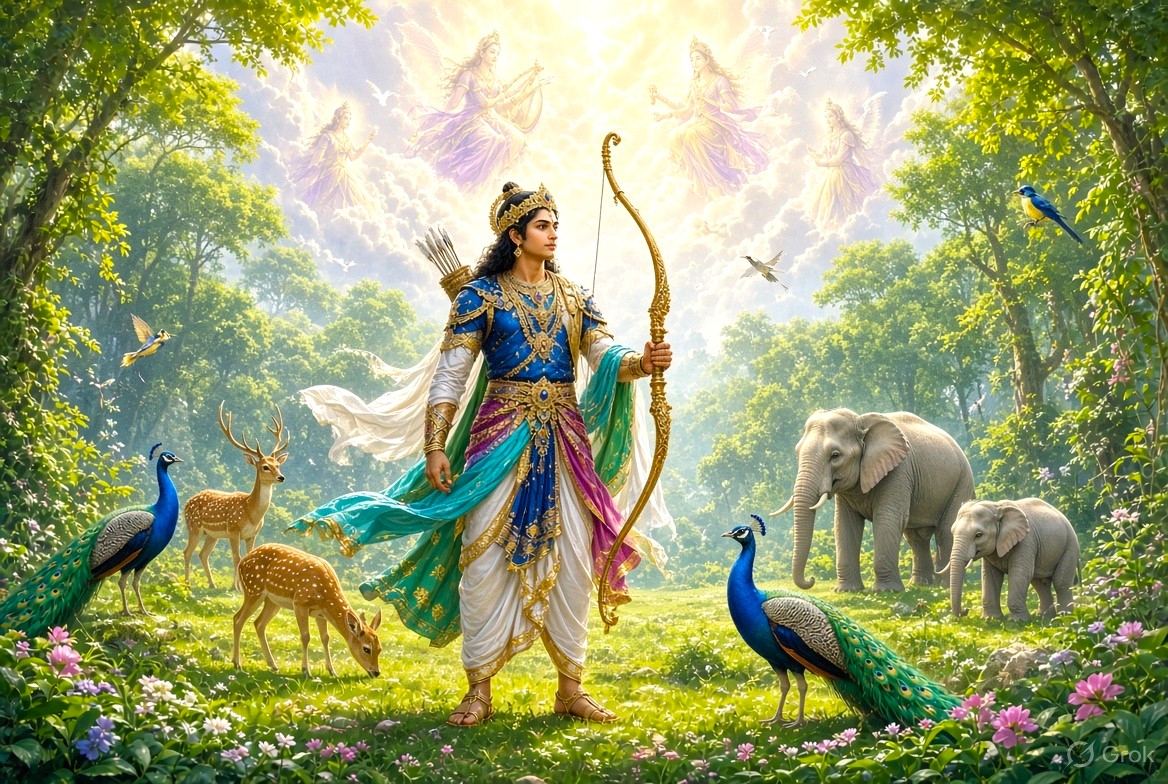
For the entire fourteen years of exile, Lakshmana performed an incredible feat of austerity. The story of Lakshmana's fourteen years without sleep is a testament to his devotion. He prayed to Nidra Devi, the Goddess of Sleep, to grant him this boon so he could stand guard over Rama and Sita every single night. The goddess agreed, on the condition that someone else take on his share of sleep. Lakshmana's wife, Urmila, back in the palace at Ayodhya, heroically agreed. She slept for all fourteen years, enabling her husband to perform his sacred duty. This incredible, shared sacrifice makes their story one of the most poignant in the epic. Lakshman Serpent God Born as a Twin
A Bond That Defined Brotherhood
Behind Lakshmana's legendary vigil was the equally legendary sacrifice of his wife. The story of Urmila's sacrifice and her fourteen-year sleep is one of the most profound acts of devotion in the epic. When Lakshmana told her of his decision to go into exile, she initially wanted to come along. But he explained his duty was to serve Rama alone, without distraction. Understanding completely, she supported his dharma and, through the boon of Nidra Devi, took on his sleep, allowing him to remain awake and vigilant. Her silent, unseen sacrifice in the lonely palace is considered a form of penance equal in merit to Lakshmana's active service in the forest.
Step Inside The Story - View All Tour Itineraries & Details

We’re here to offer genuine, thoughtful guidance if your interested in travelling to India. As a small, dedicated team, we pay close attention to every detail so you can focus on enjoying the experience while we take care of the planning. We believe the best trips begin when someone truly listens to what you want and how you like to travel, so the journey feels right for you and contributes to a happy, positive group on tour. Our communication stays clear, straightforward, and respectful at every step, with the goal of helping you feel understood, supported, and confident from first contact to the end of your journey.
Click Catherine Frith - About The Founder
Click Discover Life Travel - All Tours and More
Click Why We Are Different - Unique, Safe, Transparent