A Unique Look Into Indian History
Kushan Dynasty: Afghanistan
Discover Life Travel
The Great Migration from the East
Before the Kushans built their empire, the lands of Bactria and Gandhara (modern Afghanistan and Pakistan) were a graveyard of dynasties. The Hellenistic Greco-Bactrian kingdom had fallen, succeeded by waves of invading Scythians (Sakas) and Parthians. Further east, on the borders of China, the nomadic Yuezhi confederation had been defeated by the Xiongnu and driven west in a great migration. The political fragmentation of post-Greco-Bactrian Central Asia created a power vacuum, a chaotic frontier of warring tribes and decaying kingdoms, waiting for a new, unifying force to emerge from the steppes. Kushan Dynasty Afghanistan
Kushan Dynasty Afghanistan: Uniting the Five Tribes
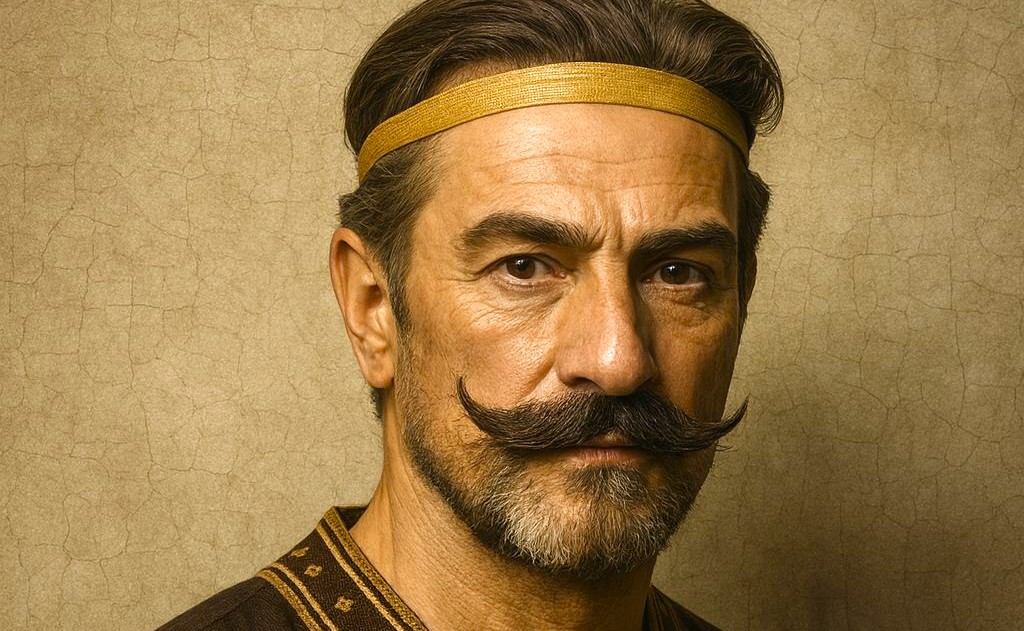
The Kushans "arrived" as one of the five tribes of the Yuezhi confederation, who had settled in Bactria after their long migration. Around the 1st century CE, a visionary tribal chief, Kujula Kadphises, embarked on a campaign of unification. He conquered the other four tribes, forging them into a single, powerful entity. He then led this new Kushan force south, defeating the last Indo-Greek and Indo-Parthian rulers. This unification of the Yuezhi tribes by Kujula Kadphises marked the birth of the Kushan Empire, a new power straddling the great crossroads of Asia.
A Day in Kanishka’s Court
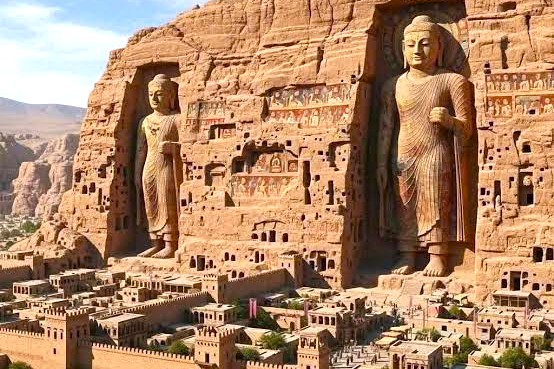
The daily life of the greatest Kushan emperor, Kanishka the Great, was that of a true international monarch. His mornings at his capitals of Purushapura (Peshawar) or Mathura would involve audiences with emissaries from the Roman Empire, Han China, and Persia. He was a great military commander, so afternoons were for strategy sessions. However - crucially, he was a monumental patron of Buddhism, and his day would also include consultations with Buddhist philosophers like Ashvaghosha, planning the Fourth Buddhist Council held in Kashmir under Kushan patronage, an event that would change the course of the religion. Kushan Dynasty Afghanistan
Life at the Heart of the Silk Road
For the common person, life in the Kushan Empire was cosmopolitan and dynamic. The empire controlled the central portion of the Silk Road, making cities like Taxila and Begram bustling hubs of international commerce. Merchants, monks, and artisans from countless cultures - Greek, Persian, Indian, Chinese - mingled in the markets. The economic impact of the Silk Road on the Kushan economy was immense, bringing incredible wealth and a constant flow of new ideas, technologies, and artistic styles, creating a vibrant, multicultural society unlike any other.
A Transcontinental Royal Menu
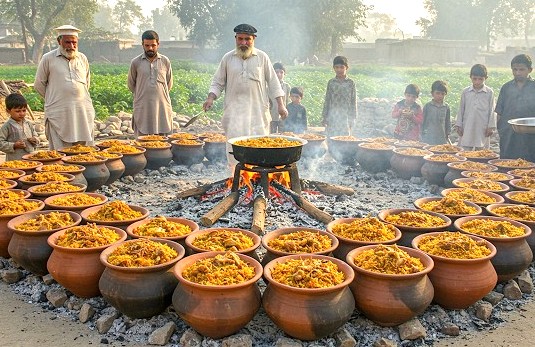
The Kushan royal kitchens would have been a testament to their empire's vast reach. The menu was likely a fusion of global cuisines. Grains and roasted meats from the Central Asian steppes, sophisticated sauces and wine-making techniques inherited from the Greeks, aromatic spices like pepper and cloves from India, and exotic fruits traded along the Silk Road from China. The fusion of Greek, Persian, and Indian culinary traditions would have created a unique and diverse gastronomy, fit for an emperor who ruled over the center of the known world. Kushan Dynasty Afghanistan
Law of the Crossroads
The Kushan legal system was likely pragmatic and syncretic, borrowing from the diverse cultures they ruled. They adopted the Achaemenid Persian system of satraps (governors) for administration, but allowed local communities to follow their own customs and laws. There was no single, rigid Kushan legal code. Instead, the administrative and legal tolerance of the Kushan emperors was a key to their success, allowing them to govern a vast, multi-ethnic empire with minimal friction by respecting the traditions of their diverse subjects.
A Pantheon on a Single Coin
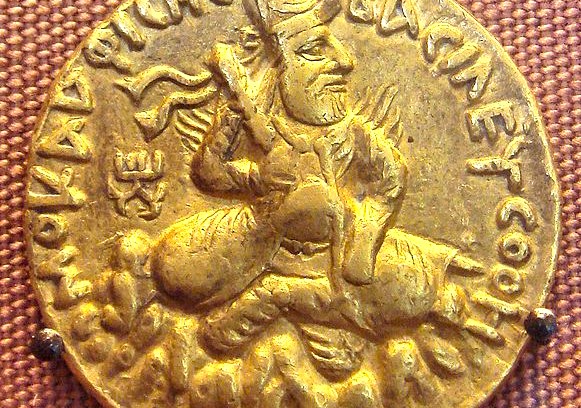
The Kushans are famous for their religious eclecticism, best displayed on their coinage. Their coins feature a breathtaking array of deities from different cultures, often with their names written in the Greek alphabet. Greek gods like Helios, Iranian Zoroastrian deities like Athsho (Fire), and Hindu gods like Oesho (Shiva) and Skando-Komaro (Kartikeya) appear alongside images of the Buddha. The religious syncretism on Kushan coinage is a vivid illustration of their tolerant and cosmopolitan worldview, a pantheon gathered from every corner of their vast empire.
Festivals of a Hundred Cultures
The festivals celebrated in the Kushan Empire would have been as diverse as its people. In the Gandharan heartland, Buddhist festivals celebrating the life of the Buddha would have been major events. In other parts of the empire, Zoroastrian fire festivals, Hellenistic celebrations, and traditional Hindu holy days would have been observed freely. The patronage of multicultural religious festivals by Kushan rulers was a matter of state policy, promoting social harmony and demonstrating the emperor's role as a protector of all faiths within his domain. Kushan Dynasty Afghanistan
A Greco-Buddhist Stage
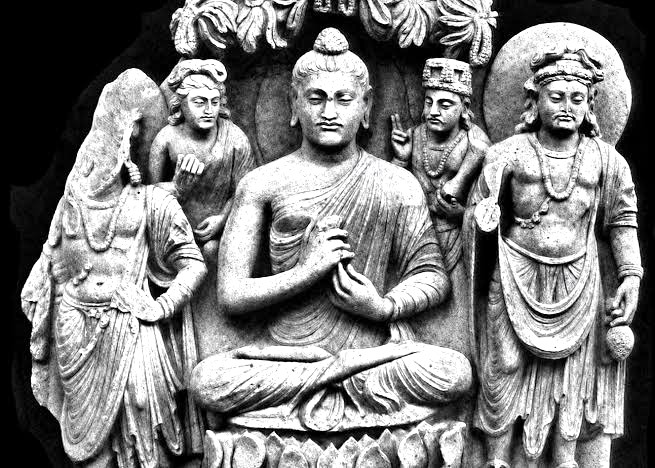
The Kushan court was a hub of international culture. Greek was still a language of prestige, used on their coins. The Bactrian language, written in the Greek script, was the administrative tongue. This was the era where Sanskrit literature was undergoing a renaissance, with poets like Ashvaghosha writing epic poems on the life of the Buddha. But the star of the show was art. The synthesis of Hellenistic and Indian art in the Kushan court created a unique cultural environment where different traditions blended to create something entirely new and powerful.
Wars with Dragons and Caesars
The Kushans were formidable warriors who secured and patrolled the most valuable trade routes on earth. Their military history is marked by conflicts with the great powers of the age. They clashed with the Han Dynasty of China over control of the Tarim Basin, and their expansion west brought them into conflict with the Parthian Empire. Under Kanishka, the empire was at its zenith, its armies campaigning deep into India. The Kushan empire's control over the Silk Road trade routes made them a global superpower, a vital intermediary between the Roman west and the Chinese east.
Royal Marriages Across the Steppes
While specific records are rare, the multi-ethnic nature of the Kushan elite suggests that marital alliances were a key tool for consolidating their empire. Marriages would have been arranged with the ruling families of powerful nomadic tribes, Saka satraps, and influential Indian principalities. The role of strategic marriages in the Kushan empire was to weave together the diverse ethnic and political groups under their rule, creating a network of loyalty that helped stabilize a vast and heterogeneous state, from the borders of Persia to the Gangetic plains. Kushan Dynasty Afghanistan
The Buddha Gets a Human Face
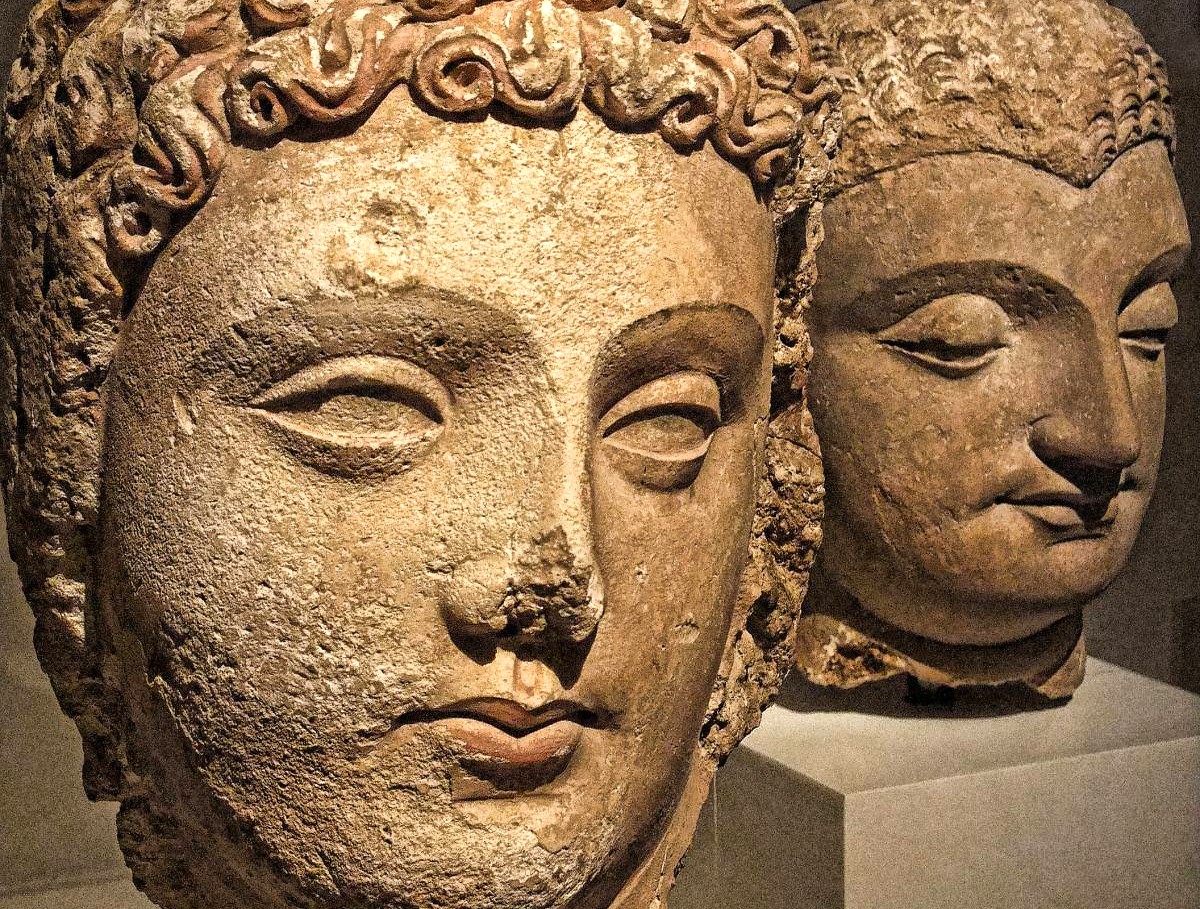
The most profound and lasting legacy of the Kushan dynasty is its patronage of Gandharan art. In the workshops of Gandhara, for the first time, the Buddha was depicted in human form. Artists, influenced by Greco-Roman sculptural traditions, created images of a serene, powerful, and human Buddha, with flowing robes and classical features. The development of the first anthropomorphic Buddha statues was a revolutionary moment in religious art, an artistic explosion that would define the image of the Buddha for all time and across all of Asia.
A Tomb on the Steppes, A Relic in a Stupa
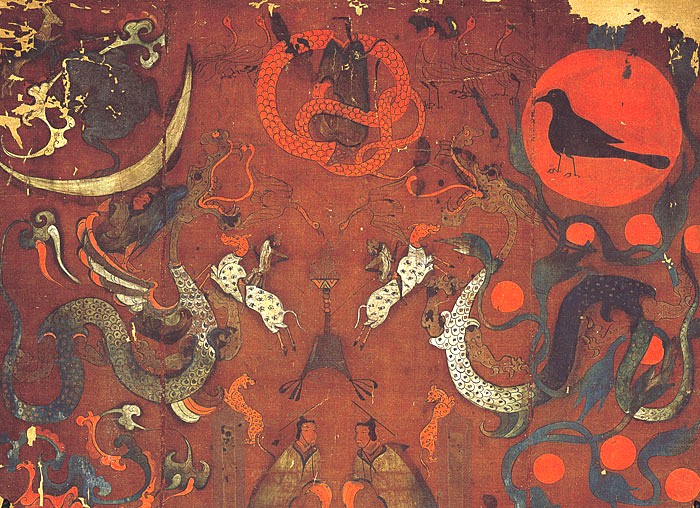
The funeral practices of the Kushans likely varied. Early nomadic traditions may have involved burial in tumuli (earthen mounds), as was common on the Central Asian steppes. However, as they embraced Buddhism, the veneration of relics became paramount. The most famous example is the Kanishka Stupa in Peshawar. After a king's cremation, his relics (ashes and bone fragments) might be enshrined in a magnificent stupa, turning his final resting place into a center of pilgrimage. The Kanishka stupa and the veneration of royal relics represents this synthesis of imperial grandeur and Buddhist piety.
The Blending of Healing Traditions
Healthcare in the Kushan Empire would have been a fascinating blend of different systems. Greek Hellenistic medicine, with its emphasis on observation and balance, would have existed alongside the ancient Indian system of Ayurveda, with its vast knowledge of herbal remedies. The Silk Road also brought elements of Chinese medicine. This fusion of Greek, Indian, and Chinese medical knowledge would have created a uniquely rich and diverse healing culture, drawing on the best practices from across the known world to serve the health of the emperor's subjects. Kushan Dynasty Afghanistan
Masters of the Mountain Passes
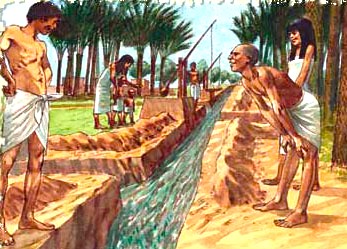
The Kushans were not known for massive irrigation projects in the Indian plains, but for their mastery of a different kind of infrastructure: trade routes. Their genius lay in securing and administering the treacherous mountain passes of the Hindu Kush and Karakoram. They built caravanserais (roadside inns), patrolled the routes to protect them from bandits, and levied taxes on the flow of goods. The Kushan empire's control and administration of mountain trade routes was the true foundation of their economic power, a feat of engineering and military control as impressive as any canal system.
The Rise of a Persian Power
The decline of the mighty Kushan Empire began in the 3rd century CE, primarily due to the rise of a new, aggressive power in Persia: the Sassanian Empire. The early Sassanian kings, Ardashir I and Shapur I, launched campaigns against the Kushans, defeating them and reducing them to vassals in their western territories of Bactria and Afghanistan. The Sassanian invasion as the primary cause of the Kushan empire's decline shattered their imperial unity, broke their hold on the western Silk Road, and marked the beginning of the end for this great Central Asian dynasty. Kushan Dynasty Afghanistan
Step Inside The Story - View All Tour Itineraries & Details

We’re here to offer genuine, thoughtful guidance if your interested in travelling to India. As a small, dedicated team, we pay close attention to every detail so you can focus on enjoying the experience while we take care of the planning. We believe the best trips begin when someone truly listens to what you want and how you like to travel, so the journey feels right for you and contributes to a happy, positive group on tour. Our communication stays clear, straightforward, and respectful at every step, with the goal of helping you feel understood, supported, and confident from first contact to the end of your journey.
Click Catherine Frith - About The Founder
Click Discover Life Travel - All Tours and More
Click Why We Are Different - Unique, Safe, Transparent