Spirit of South India Tour
Mathura: Uttar Pradesh - India
Mother Masala Tours
The Sacred Origins
The name "Mathura" traces back to Sanskrit roots meaning "divine place" or "birthplace of divinity." Located in along the banks of the Yamuna River, this holy city dates to at least 1000 BCE. Archaeological findings suggest human settlement from 1000-800 BCE during the Northern Black Polished Ware period. The earliest recorded empire was the Mauryan Dynasty - 322-185 BCE, when King Ashoka erected Buddhist monuments here. Today's population exceeds 400,000 residents who maintain age-old traditions while adapting to contemporary life. Numerous excavations have unearthed coins, pottery, and artifacts from multiple civilizations that called this spiritual center home. Mathura Uttar Pradesh India.
Mathura Uttar Pradesh - India: The Kushan Golden Age
Under Kushan Dynasty rule, 1st-3rd centuries CE, a magnificent transformation took place along the Yamuna riverbanks. This period witnessed unprecedented growth in Buddhist and Hindu artistic traditions, with the distinctive Mathura school of sculpture flourishing. Red sandstone masterpieces depicted Buddha with distinctive features - broad shoulders, robust physique, and serene expressions. Royal family members including Queens Devi and Nanda actively contributed to cultural advancement. The population swelled as merchants, artisans, and pilgrims flocked to this crossroads of Asian civilizations, establishing it as an intellectual hub where diverse philosophies converged.
Gupta Splendor: Hindu Resurgence
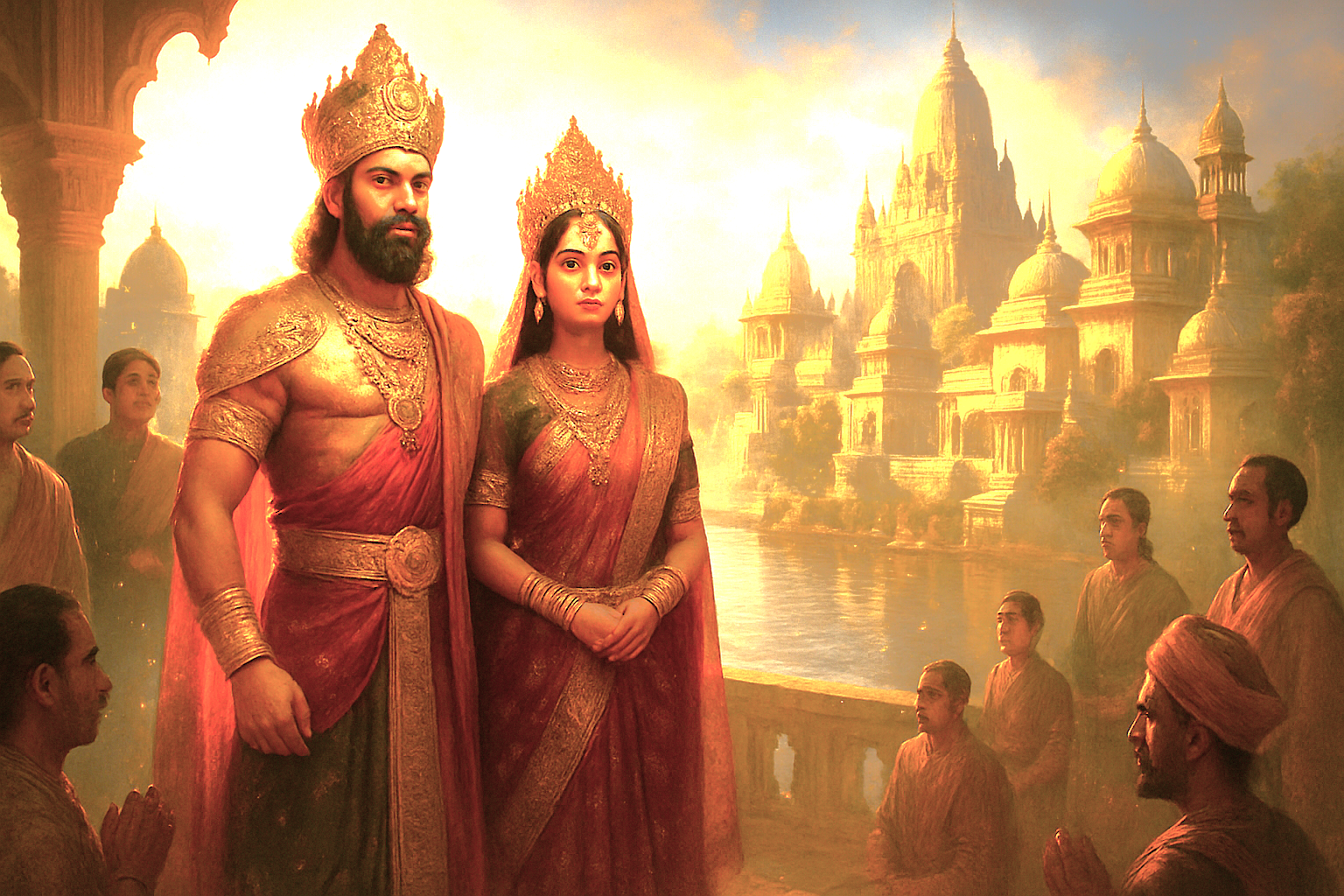
The Gupta Dynasty ruled from 320 to 550 CE and brought major religious changes to the Yamuna River basin where Agra now sits. Chandragupta II and Kumaragupta funded the construction of Hindu temples throughout the region, often building over earlier Buddhist sites that had existed there previously. These rulers brought in craftsmen from different areas who developed techniques in carving during this period. The Vishnu Purana text was composed during the Gupta era and established stronger connections between the region and Krishna mythology.
Medieval Transformation: Islamic Influences
Between 1018-1192 CE, political shifts occurred when Muhammad Ghori's forces claimed the territory. Sultan Mahmud of Ghazni famously raided the city in 1018 CE, followed by more permanent occupation under Qutb-ud-din Aibak. The Mughal Empire brought unexpected reconciliation - Emperor Akbar ruled ,1556-1605 initiated policies of religious tolerance while his grandson Shah Jahan constructed the stunning Keshav Dev Temple in 1618. Family chronicles mention Akbar's son Jahangir visiting Krishna shrines with Hindu nobles. The population diversified as Persian, Turkish, and Afghan families settled alongside ancient Braj communities, creating unique cultural fusion visible in cuisine, music, and architectural styles. Mathura Uttar Pradesh India.
British Colonial Period
Mathura had a museum established in 1874 by colonial administrators to house artifacts found during railway construction through the area. The 1901 British East India Company census recorded 60,042 residents living in the city at that time period when documentation became more systematic. The Jat uprising of 1857 involved local chieftain Jawahir Singh and centered around the Krishna birthplace temple that still stands in the city today. The construction dates back centuries and reveals craftsmanship passed through generations.
Post-Independence Revival
After 1947, spiritual leader Prabhupada - born Abhay Charan De, spearheaded global awareness of Mathura's significance by establishing the Krishna Consciousness movement. His family origins in Bengal connected eastern and northern Hindu traditions. The Mathura Refinery's construction in 1982 brought industrial development while creating tension with preservationists. Population surged to 250,000 by 1990. The Krishna Janmabhoomi legal dispute between religious communities continues to shape local politics. Annual festivals attract millions - Janmashtami, August - September, celebrates Krishna's birth with 24-hour festivities, while Holi - March, transforms streets into kaleidoscopes of color. Mathura Uttar Pradesh India.
Layers of Devotion
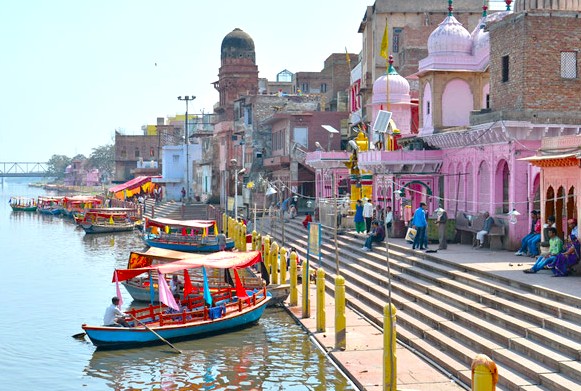
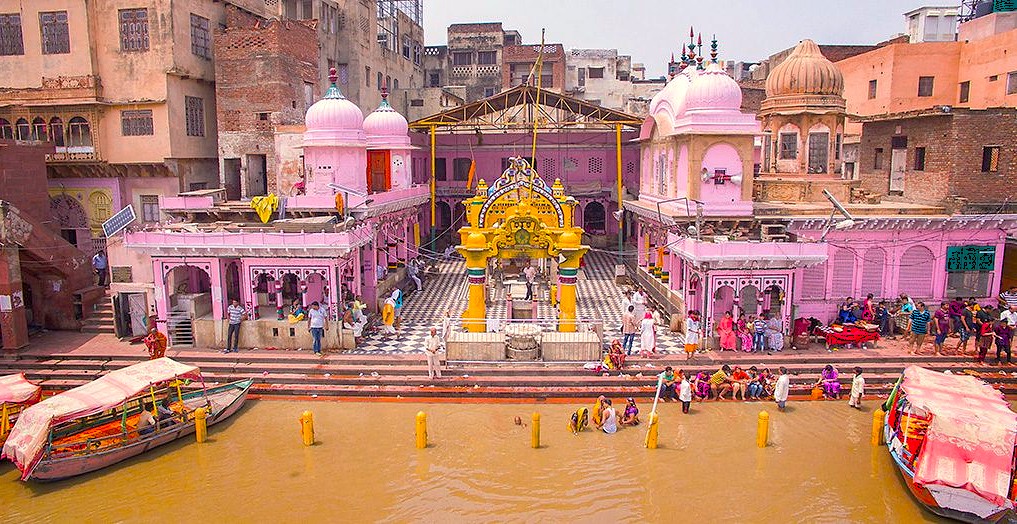
Mathura sits on the Yamuna River and has numerous temples dedicated to Krishna throughout the city and surrounding neighborhoods. The river ghats have stone steps leading down to the water where temple bells ring at regular intervals during daily prayer schedules. Pilgrims arrive from different regions to visit the birthplace temple and other religious sites marked on local maps and guidebooks about the area. Markets sell religious items and offerings used in temple ceremonies that happen throughout the day and evening.
Culinary Specialties
Mathura's culinary treasures delight every visitor with authentic flavors of North India. The city's famous peda, a sweet milk delicacy, has earned nationwide fame for its rich, melt-in-your-mouth texture. Don't miss the crispy kachoris and samosas filled with spiced potatoes and lentils that locals enjoy with morning chai. Refreshing lassi topped with malai cream offers perfect relief from the heat. Mathura's chaat bursts with tangy-sweet flavors, while traditional thalis serve dal baati, various curries, and freshly made rotis. These delicious foods capture the essence of Uttar Pradesh's vibrant food culture.
The Gods
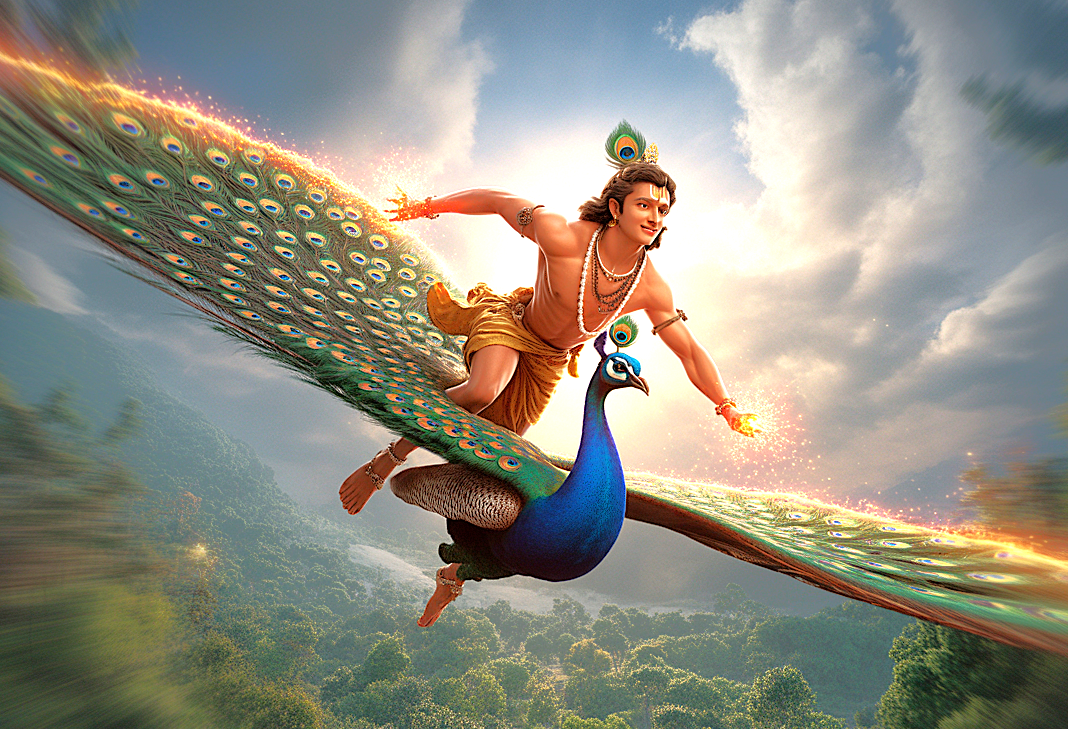
Hindu mythology includes stories of Krishna riding a peacock across the sky in various texts and oral traditions passed down through generations. The peacock holds significance in mythology and appears in multiple stories connected to Mathura where Krishna was born, according to religious texts. Temple carvings and sculptures show Krishna with peacocks in different poses and narrative scenes from his life events. The peacock feathers appear in Krishna iconography as part of his traditional crown decoration worn in most depictions.
Let’s Go Big - The Time Is Now, Join Us
You will explore intricately carved wooden temple doors revealing detailed peacock's and floral motifs. Visit Krishna Janmabhoomi temple before walking the vibrant ghats along the Yamuna River. Taste incredible street food - creamy lassi, flavorful kachoris, and sweet pedas Mathura is famous for. Local markets offer beautiful handicrafts and textiles from talented artisans. The ancient architecture throughout the city reveals stories of rich cultural heritage, making Mathura a perfect blend of spiritual and authentic Indian life. Mathura Uttar Pradesh India.
The Ripple Effect
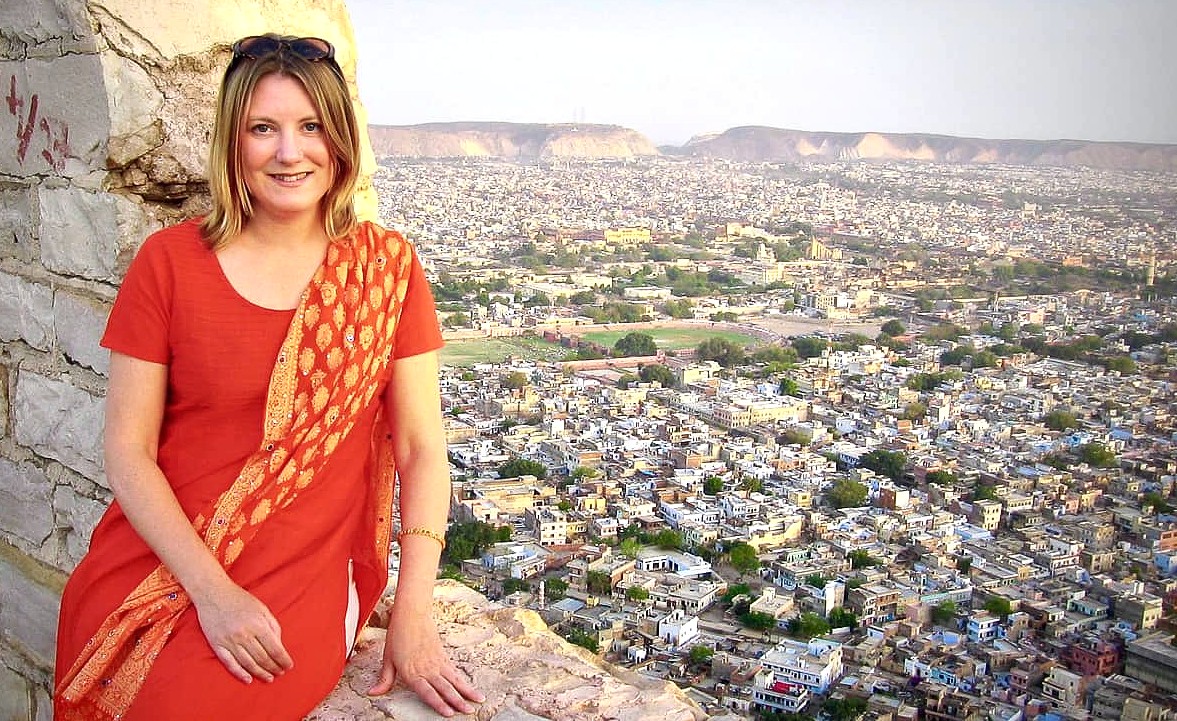
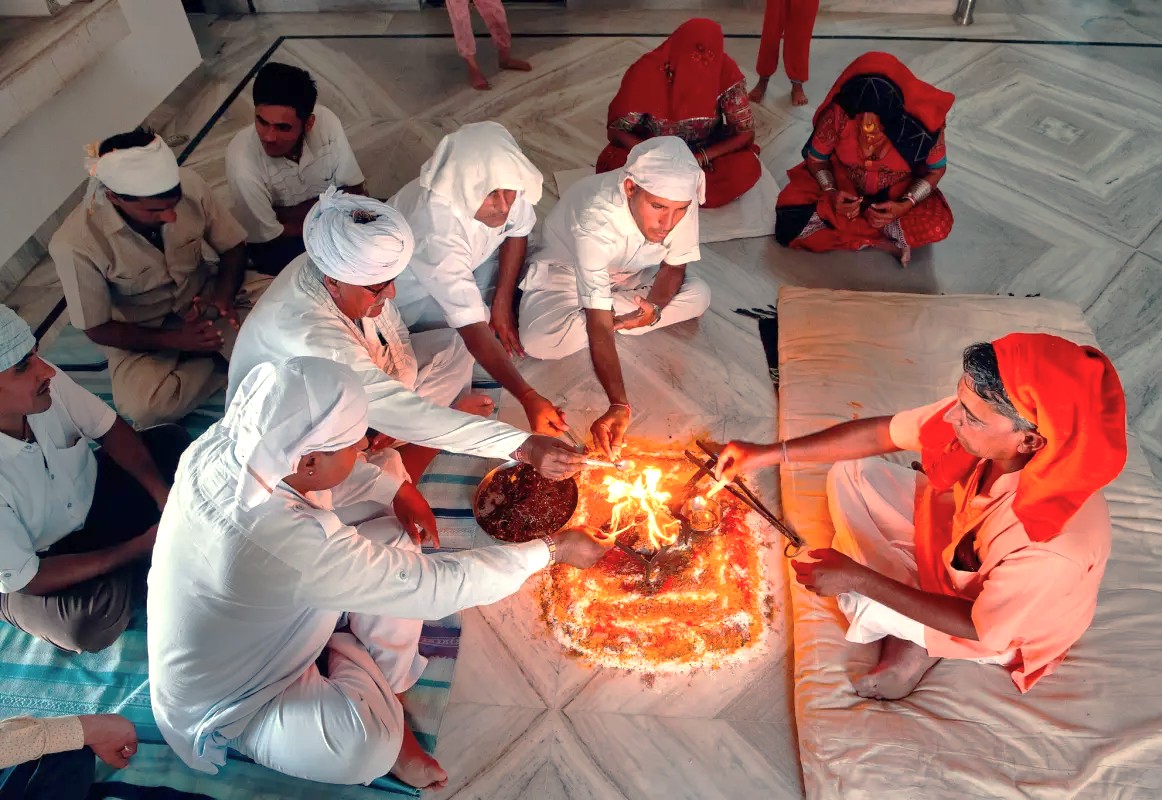
A vibrant city located near Agra and the iconic UNESCO Taj Mahal, revealed the heart of our journey. Beyond the famous monuments, you will experience the beautiful, mutual benefits of giving and receiving. We brought our genuine curiosity to this local gathering, and in return, were welcomed with generosity and open smiles. This exchange enriches everyone involved, proving that while monuments impress the eyes, it is the people who truly capture the spirit of a place. Mathura Uttar Pradesh India.
Step Inside The Story - View All Tour Itineraries & Details

We’re here to offer genuine, thoughtful guidance if your interested in travelling to India. As a small, dedicated team, we pay close attention to every detail so you can focus on enjoying the experience while we take care of the planning. We believe the best trips begin when someone truly listens to what you want and how you like to travel, so the journey feels right for you and contributes to a happy, positive group on tour. Our communication stays clear, straightforward, and respectful at every step, with the goal of helping you feel understood, supported, and confident from first contact to the end of your journey.
Click Catherine Frith - About The Founder
Click Discover Life Travel - All Tours and More
Click Why We Are Different - Unique, Safe, Transparent