
Unique Insights Into India
Krishna Janmabhoomi Temple: Mathura - India
Mother Masala Tours
Krishna - The Eternal Symbol of Love and Transformation
A revered as the sacred site where Krishna, the eighth incarnation of Vishnu, was born. The name translates to “The Birthplace of Krishna,” reflecting its profound spiritual and historical importance. This temple stands as a testament to resilience, devotion, and time. The origins of the temple can be traced back to as early as 400 BCE, when it is believed a shrine was first erected on this site. Over centuries, the temple witnessed destruction and reconstruction multiple times due to political upheavals and invasions. Despite adversities, the temple was rebuilt in the modern era in 1958, returning as a beacon of devotion. Krishna Janmabhoomi Temple Mathura India.

Krishna Janmabhoomi Temple Mathura - India: Sacred Spaces
Inside the temple complex, the Garbha Griha - sanctorum, is believed to mark the exact spot of Krishna’s birth. This area holds spiritual energy that devotees honor with quiet prayers and offerings. Alongside the modern temple is the Kesava Deo Temple, constructed in various phases throughout history. The intricate carvings on its walls and the sacred idols within reflect centuries of devotion from rulers and followers alike. Close to the temple, ancient inscriptions and artifacts showcase the strong connection of this sanctuary with the Gupta Dynasty and the Kushans, who contributed to preserving this divine site.
Ancient Mosaics: Impeccable Craftsmanship
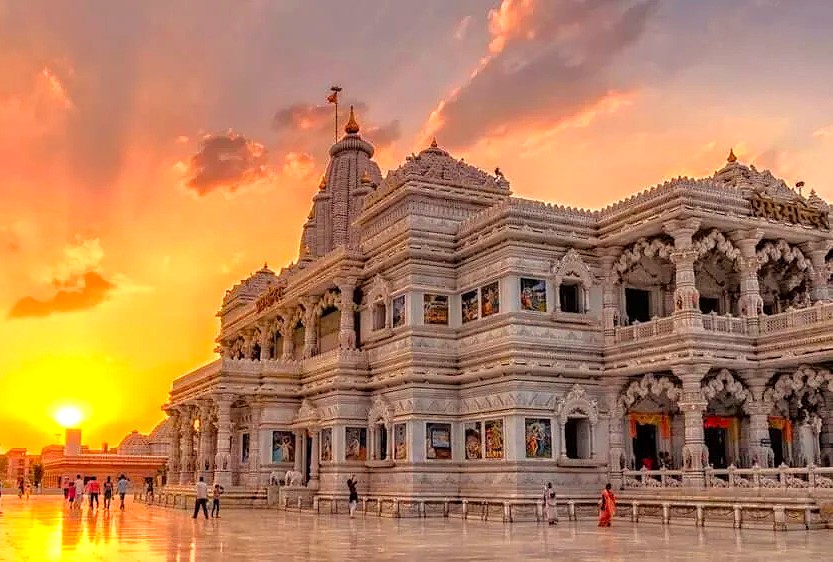
During the Gupta period, Mathura was adorned with red sandstone carvings that featured intricate designs representing stories from Krishna’s life. These mosaics remain embedded in it's spiritual identity, revealing fine artistry combined with religious devotion. The carvings of Yakshas and stylized flora found in the temple and its surroundings reflect the elegance of ancient Indian sculpture. The artisans of the Mathura School of Art worked with meticulous detail, creating statues and murals that depict Krishna’s early life. Krishna Janmabhoomi Temple Mathura India.
The Pulse of the Local Community
Mathura’s devotion revolves around the Temple and resonates through its local community. Daily life is intertwined with rituals dedicated to Krishna. The temple is a focal point where spiritual energy flows through the people, bringing us into their warm traditions. The air often echoes with chants, and the locals’ way of life feels centered, peaceful, and engaging. This connection creates a backdrop of harmony that envelops Mathura in its unique identity.
Capturing the Magic: A Photographic Haven

The temple exterior walls and entrance gates allow photography from public streets and surrounding pathways that border the complex on multiple sides. Devotees walking around the compound wearing traditional dress and carrying flower offerings make active subjects throughout the day and evening hours. The Yamuna River ghats sit nearby with stone steps leading down to the water where morning and evening ceremonies happen with lit lamps. Street vendors sell sweets, and flower garlands leading up to the entrance creating colorful scenes.
A Culinary Journey: Savor the Flavour
The flavors of Mathura are deeply rooted in its devotion to Krishna and the temple traditions. The temple rituals involve offerings of makhan (fresh butter) and sweets as prasad, such as peda made with condensed milk and sugar, a spiritual delicacy. Street vendors around the temple maintain this devotional essence, serving piping-hot kachoris stuffed with spiced lentils and paired with stewed potatoes. Another street favorite is jalebi, prepared using fermented batter and shaped into golden loops fried in ghee. Served with rabri, made from boiled milk, it reflects Mathura’s enduring culinary heritage, tracing roots to Krishna’s fondness for sweet treats. Krishna Janmabhoomi Temple Mathura India.
Festivals of Devotion: Honouring the Sacred and the Divine
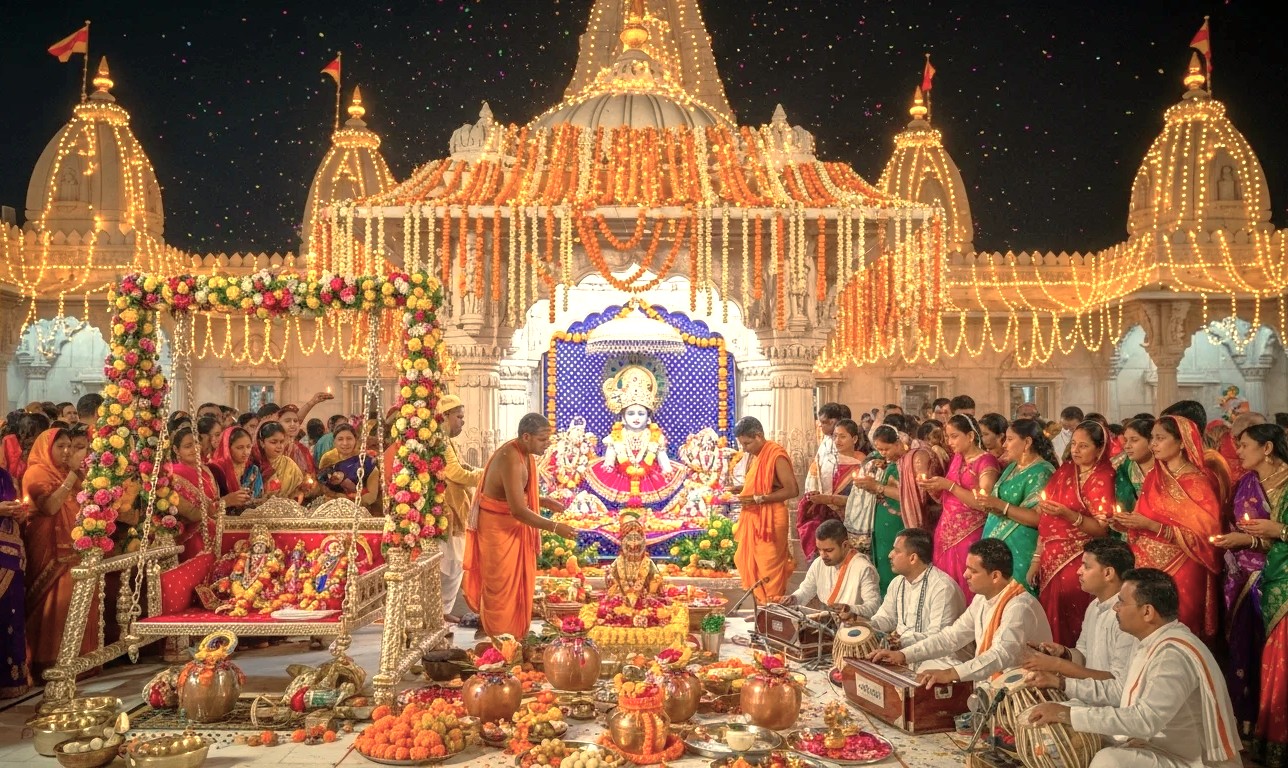
The Temple holds major celebrations in August or September when Krishna's birth gets marked with special ceremonies. Midnight events have priests reciting texts and performing rituals while crowds gather in the temple compound and on surrounding streets to watch. Oil lamps and flower garlands decorate the temple structures creating illuminated displays throughout. Holi festival happens in March when colored powder gets thrown in the streets and temple courtyards following celebration traditions.
Ancient Technologies: Sound, Sacred Geometry & Astrological Influences
This Temple exemplifies ancient techniques in its construction, designed to harmonize with spiritual energy. Through sound-enhancing courtyards and symmetrical layouts based on sacred geometry, the temple allows for chants and prayers to resonate meaningfully. The precise alignment of the interiors demonstrates astrological knowledge, creating an atmosphere that envelops worshippers in divine energies. Solfeggio frequencies, integral to Vedic chanting traditions, find resonance here. The chants at 432 Hz calm the mind and create a meditative immersion tied to centuries-old knowledge of sound science.
The Connection with the Gods
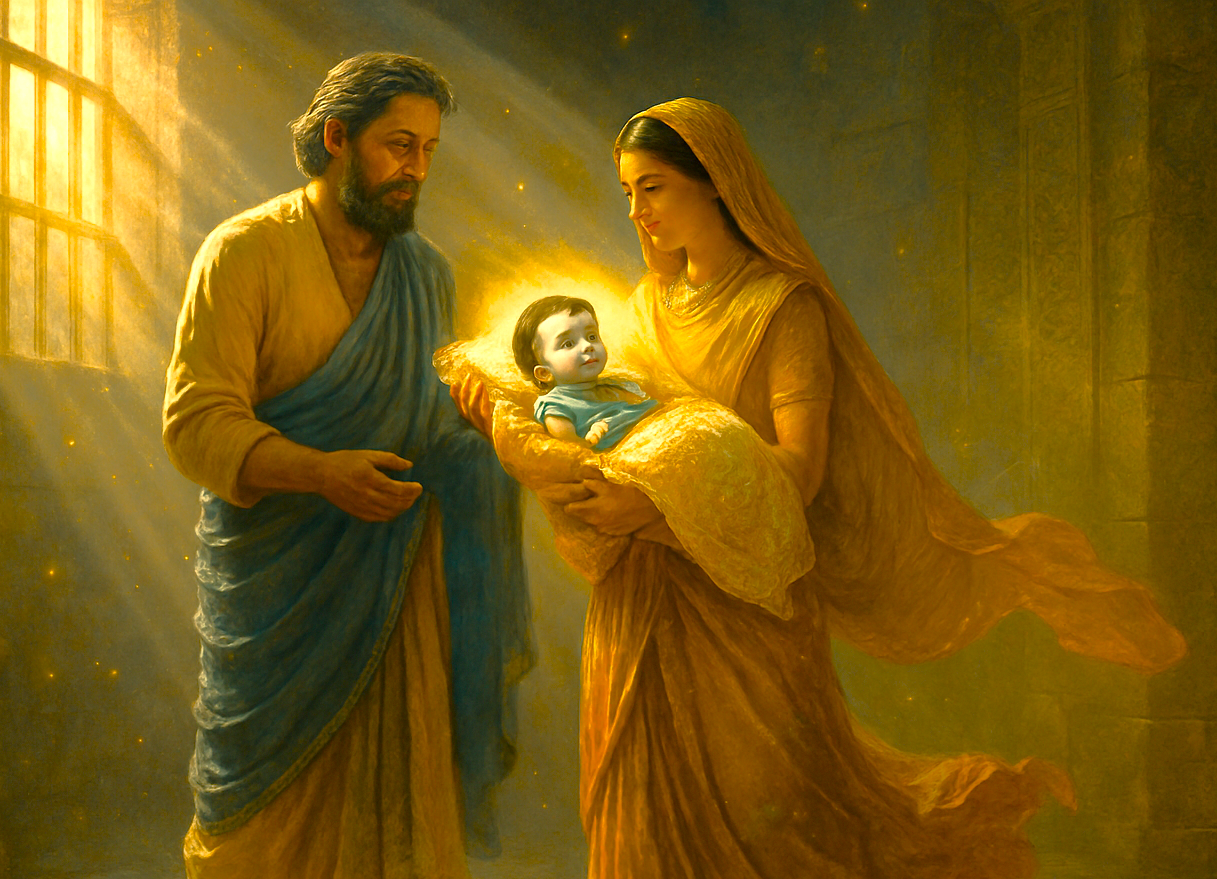
Temple lore explains how Krishna was born to Devaki and Vasudeva while they were held inside King Kamsa’s prison. Kamsa feared a prophecy that his nephew would bring about his end, so he kept them captive. On the night of the birth, the infant was secretly taken from the prison cell for safety. Vasudeva carried the child across the flooded Yamuna River to a village on the other side. This escape is a central story connected to the temple grounds. The annual Janmashtami festival celebrates this specific event with reenactments and prayers. The temple complex designates the spot where these events took place.
Serendipitous Meetings: Beyond the Main Path
Exploring the streets near the temple brings innumerable surprises as we meet local artisans crafting delicate Krishna anklets, wooden flutes, and brass idols. Each lane leads us to handcrafted works that carry spiritual undertones. Vendors selling freshwater garlands or diyas (oil lamps) often share stories, weaving us into the life of this sacred community.
Resilience and Renewal: Overcoming Adversity’s Challenges
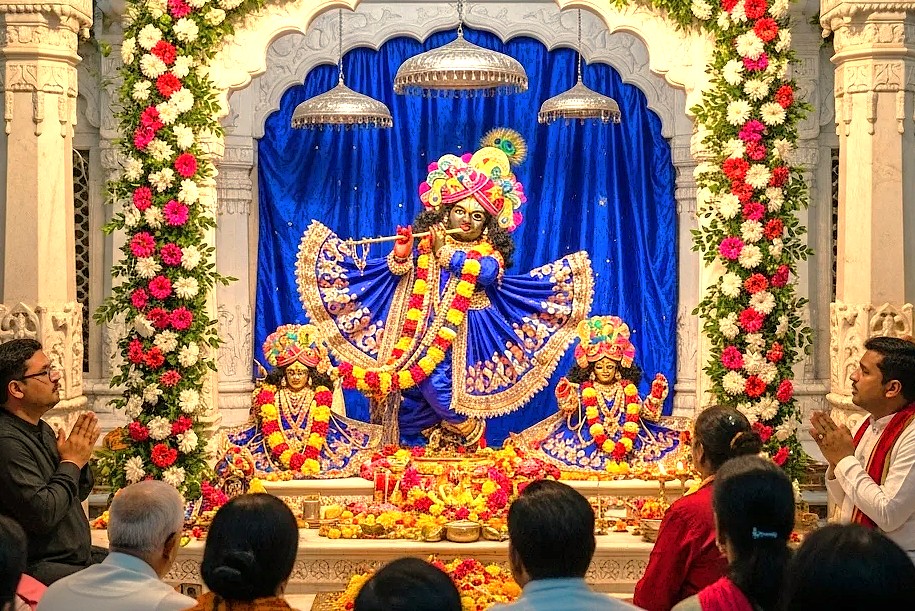
The temple at Krishna's birthplace has a documented history of destruction and reconstruction spanning several centuries. Historical accounts confirm it was demolished by Mahmud of Ghazni in 1018 CE and later again under the Mughal Emperor Aurangzeb in 1669. After these events, local rulers and community groups funded rebuilding efforts on the same grounds, and the current temple seen today is the result of a large-scale reconstruction project, completed in the mid-20th century. This pattern of demolition and rebuilding points to the site's sustained importance.
Urban Legends: Strange Sightings, Myths, and Mysteries
Legends abound of Krishna’s unseen presence at the temple. It is said that during Janmashtami, a heavenly fragrance fills the sanctum, radiating from nowhere. Locals whisper stories of faint flutes heard during meditative prayers, believed to be Krishna’s divine playfulness, softly guiding devotees through their journey of faith. Krishna Janmabhoomi Temple Mathura India.
We’re Going Beyond the Ordinary: You’re Invited to Come With Us
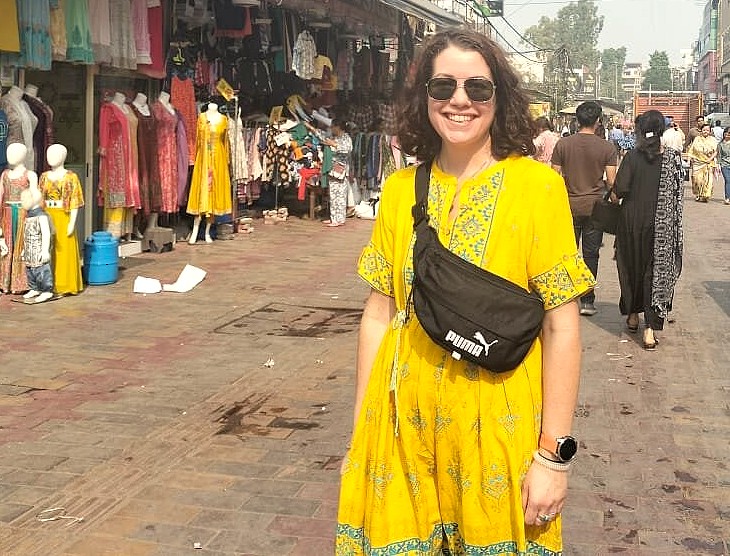
You will find the air inside the Temple thick with the scent of incense and flower offerings. Walk through courtyards where the sound of temple bells mixes with rhythmic chanting from priests performing their daily rituals. The energy comes from the steady movement of people making their way through the historic complex grounds. You will see ancient stonework alongside newer structures, revealing the different eras of its construction. The atmosphere is active and full of life, created by the devotees present at any given time. We are right in the middle of a working, breathing center of daily religious practice.
Symphony of Generosity: Offerings from Wanderers to Residents
The interplay between devotees, the temple priests, and the locals crafts a shared sense of rich generosity. By supporting handcrafted goods, tasting temple prasad, or learning spiritual practices, we contribute to preserving Mathura’s sacred charm. This exchange builds a bond between all who step into its profound light, leaving us immersed in divine contentment.
Step Inside The Story - View All Tour Itineraries & Details

We’re here to offer genuine, thoughtful guidance if your interested in travelling to India. As a small, dedicated team, we pay close attention to every detail so you can focus on enjoying the experience while we take care of the planning. We believe the best trips begin when someone truly listens to what you want and how you like to travel, so the journey feels right for you and contributes to a happy, positive group on tour. Our communication stays clear, straightforward, and respectful at every step, with the goal of helping you feel understood, supported, and confident from first contact to the end of your journey.
Click Catherine Frith - About The Founder
Click Discover Life Travel - All Tours and More
Click Why We Are Different - Unique, Safe, Transparent