A Unique Look Into Indian History
Kashmir Pandits: Jammu - India
Discover life Travel
Valleys Of Fire And Prayer
The story of Kashmir Pandits runs through more than two millennia of the valley’s history, tying Sanskrit scholarship, temple towns, and family lineages to the river and snow lines of the Himalaya. The name “Pandit” comes from the Sanskrit “pandita,” meaning a learned person, and over time it marked Kashmir’s Brahmin community known for ritual expertise and learning. Centered historically around Srinagar and the wider Kashmir Valley in today’s Jammu and Kashmir, India, they lived along the Jhelum River and its canals. To follow their story is to move from pre-historic legends of Nila Naga through early temple construction, changing dynasties, detailed food and festival customs, medicines, and the pressures that reshaped their numbers and daily life into the present. Kashmir Pandits Jammu India
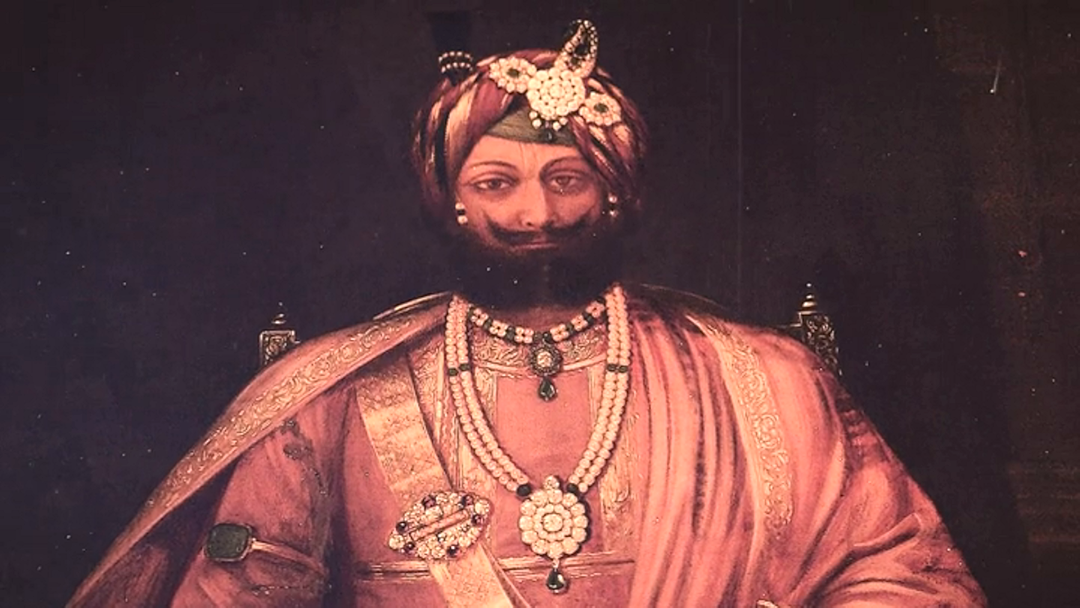
Kashmir Pandits - Jammu India: Serpents, Sages, And First Kings
Long before firm dates, Kashmir lore speaks of Nila Naga, serpent lord of the valley’s waters, and sages like Kashyapa draining a primordial lake to create habitable land. By the early centuries CE, Brahmin families attached to local rulers handled ritual and calendrical duties. Under Karkota rulers such as Durlabhavardhana (ruling c. 625–661 CE) and Lalitaditya Muktapida (c. 724–761 CE), Sanskrit-educated priests became central advisers. Early towns grew around springs and temples near present-day Srinagar and Martand. These scholars shaped land grants, tax rituals, and seasonal rites, laying the framework that later Kashmiri Pandit lineages would claim as ancestral ground.
Meaning Of Kashmir And Pandit
“Kashmir” is often linked to “Kashyapa-mira” or “land of Kashyapa,” tying the valley to the sage Kashyapa in legend. The term “Pandit” signaled one trained in Vedic recitation, law, and ritual, and in Kashmir it gradually became the marker of the valley’s Brahmin community. Clans such as Zutshi, Kaul, Bhat, and Raina traced their roots through priestly and scholarly roles. Their homes concentrated around Srinagar, villages like Mattan and Habba Kadal, and temple-linked settlements across the valley. Over centuries, this combination of sacred landscape and a title tied to learning shaped a strong identity built around both ritual authority and regional belonging. Kashmir Pandits Jammu India
Early Temples And Stone Towns
Archaeology and texts like Kalhana’s “Rajatarangini” show that by the 8th century, temple complexes and associated settlements were spreading across the valley. Lalitaditya’s Martand Sun Temple near present-day Anantnag is usually dated to around 725–756 CE. Pandit priests oversaw daily rites, fire offerings, and seasonal festivals there and at numerous smaller shrines. Stone-walled compounds grouped around courtyards became centers for teaching, ritual, and legal decisions. Around these sites, houses of wood and brick held families who combined priestly work with landholding. Though later dynasties rose and fell, these temple-towns fixed the pattern of Kashmiri Pandit presence along river terraces and spring-fed slopes.
Court Scholars And Family Lines
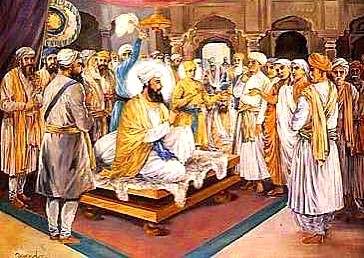
From the 8th to 12th centuries, Pandit families served as advisers, scribes, and ministers to dynasties including the Karkotas, Utpala rulers like Avantivarman (855–883 CE), and later Lohara kings. Names such as Anandavardhana, the literary theorist, Abhinavagupta, the philosopher (active c. 975–1025 CE), and Kalhana himself stand out. Behind them were family networks that trained sons in Sanskrit, ritual, and politics while arranging marriages with other learned houses. Women in these lineages managed household rituals, property, and the education of younger children. Together they shaped a culture where law, worship, and royal policy were deeply intertwined and mediated through the pens and voices of Pandit households. Kashmir Pandits Jammu India
Ritual Fires And Daily Worship
Religious practice among Kashmir Pandits centered on Shaivism, especially the sophisticated traditions of Kashmir Shaiva philosophy, along with devotion to local goddesses and river spirits. Daily life included lighting oil lamps at dawn and dusk, reciting hymns, and offering water, flowers, and cooked rice to household shrines. Public worship took place at temples devoted to Shiva, Vishnu, Surya, and local deities, each with its own ritual specialists. Seasonal rites marked sowing and harvest, births, marriages, and ancestor remembrance. Even when later political powers changed the religious profile of the valley, Pandit families continued these practices in home shrines and surviving temples, keeping a continuous ritual thread.
Kitchens By The Winter River
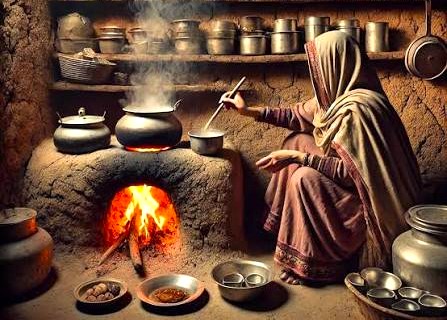
Food customs among Kashmir Pandits developed around the valley’s climate and available produce. Rice became the staple, cooked in generous quantities daily and accompanied by lentils, greens, and vegetables such as turnips and lotus stems from lakes and rivers. Yogurt and ghee from cow and buffalo milk enriched meals, while fish from the Jhelum and local streams appeared on many tables. Unlike some Brahmin communities elsewhere, many Kashmiri Pandits traditionally included meat, especially lamb and mutton, in their cuisine, prepared in stews and slow-cooked dishes. Large weddings and festival gatherings required vast pots of rice and meat-based gravies, carefully planned to feed extended kin networks and neighbors.
Springs, Rivers, And Canals
Water shaped where Pandit communities lived and how they worked. The Jhelum River wound through Srinagar, with canals branching into quarters like Habba Kadal and Fateh Kadal, where Pandit houses lined the banks. Sacred springs at Mattan, Verinag, and Kheer Bhawani were revered both for spiritual reasons and for reliable supply. Under Avantivarman and engineer Suyya in the late 9th century, river works improved drainage and rice cultivation, indirectly supporting Pandit-populated villages tied to temple lands. In later centuries, canals and wells continued to be maintained through shared labor, with priests blessing new channels and conducting rites to protect against floods and crop failure.
Trade Roads And Scholar Routes
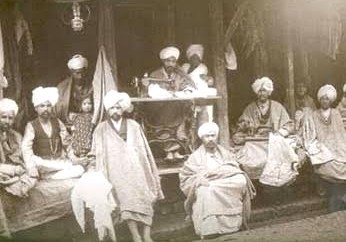
Kashmir’s geography made it a node in trade linking the Indian plains, Tibet, and Central Asia. Caravans moved through passes near Baramulla and across the Pir Panjal carrying shawl wool, saffron, dried fruits, and manuscripts. Some Pandit families served as clerks, translators, and ritual specialists for merchants and dynasties controlling these routes. Their knowledge of multiple languages, including Sanskrit and later Persian, made them valuable at customs posts and courts. Through these roads, ideas and texts from regions like Gandhara and the Ganges plain reached Pandit scholars, feeding new commentaries in philosophy, ritual, and poetics that in turn influenced the wider Sanskrit world. Kashmir Pandits Jammu India
Medicines, Herbs, And Healing Hands
Medical practice among Pandits drew on Ayurveda and local herb lore. Physicians trained in texts like the “Charaka Samhita” and “Sushruta Samhita” prescribed decoctions using plants such as atis (aconite in controlled doses), kutki, and various barks for fevers and digestive illnesses. Oils infused with herbs eased joint pain in cold months, while nasal therapies were used for sinus troubles common in the damp climate. Midwives and older women handled childbirth and postpartum care with dietary rules and warming preparations. Some families specialized in medical practice across generations, recording case notes and preserving recipes, serving both elites and ordinary neighbors around Srinagar and other towns.
Marriages, Women, And Household Worlds
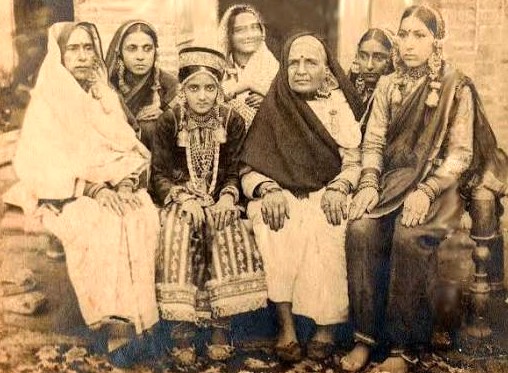
Marriage inside the community connected clans across the valley. Arranged unions between families like Kaul, Bhat, Raina, and Zutshi balanced learning, property, and social ties. Wedding rituals featured recitation of Sanskrit verses, tying of garments, and shared meals under carefully timed astrological guidance. Women managed household economies, ritual observances, and the early education of children, passing on hymns, stories, and practical skills. Daughters often married into similar scholarly households, carrying books, jewelry, and food traditions as part of their dowries. Through these bonds, knowledge and property moved in predictable paths, holding together wide networks that could weather political and economic change. Kashmir Pandits Jammu India
Kings, Courts, And Counsel
Through many dynasties, from Karkota and Utpala to later Shahmiri and Mughal rule, Kashmir Pandits often held positions as advisers, scribes, and tax officials. At court, they prepared legal documents, interpreted omens, and oversaw rituals tied to coronations and military campaigns. Kings relied on their literacy and ritual authority to legitimize decisions. This closeness to power also brought vulnerability: when rulers changed or policies shifted, court Pandits could be dismissed, pressured, or targeted. Yet across centuries, the pattern of educated Brahmin households serving as intermediaries between rulers and subjects remained a defining feature of political life in the valley.
Festivals Of Spring And Night
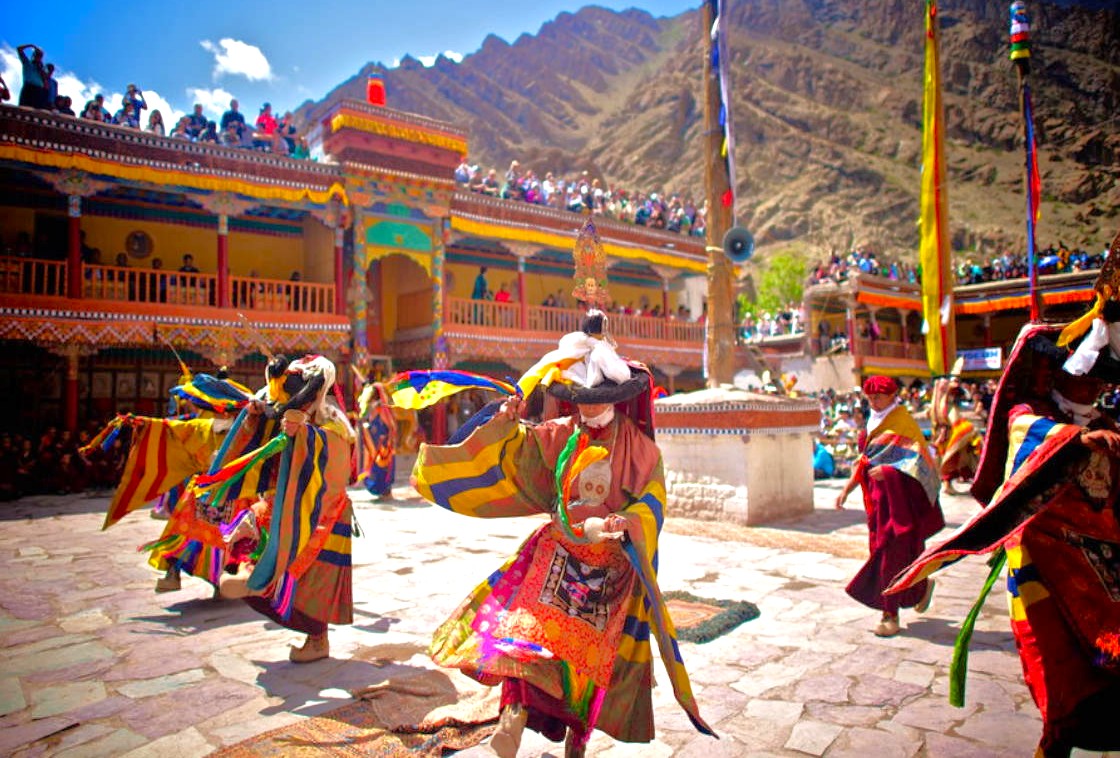
Two festivals stand out in Kashmiri Pandit life. Herath, their observance of Shivratri, usually falls in February or early March according to the lunar calendar; families prepare elaborate offerings to Shiva, light lamps, and share rice and fish or other dishes late into the night. In spring, around March or April, Navreh marks the Kashmiri New Year, beginning on the first day of the bright half of the month of Chaitra, with ritual trays of rice, coins, and almanacs viewed at dawn. These dates frame the year, linking personal hopes with cosmic cycles and reaffirming community ties through shared food and prayer.
Numbers Shifting Through Time
Population figures for Kashmir Pandits have changed sharply across centuries. In early medieval times, they formed a key literate minority within a valley population of several hundred thousand. Under later Muslim and Mughal rule, they remained a small but influential group concentrated in Srinagar and nearby towns. By the late 19th and early 20th centuries, estimates place them as a thin percentage of a valley population passing one million. In the late 20th century, violence and displacement dramatically reduced their presence in the valley itself, scattering families across the rest of India and abroad, while a smaller community continued daily rituals in remaining temples and homes.
Fading Roots And New Paths
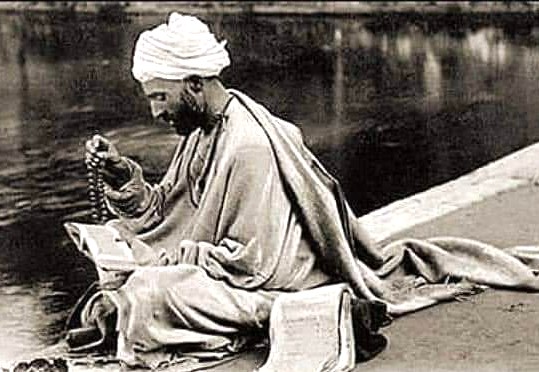
The decline of the traditional Kashmiri Pandit presence in the valley accelerated in the late 1980s and early 1990s amid rising militancy and targeted threats. Many families left under duress, relocating to Jammu, Delhi, and other Indian cities, while a smaller number remained amid tight security and social strain. In their place, different groups filled jobs and neighborhoods once associated with Pandit life. Yet the Diaspora built new institutions - temple trusts, cultural associations, schools - that adapted rituals and teachings to new settings. The old role at Kashmir’s administrative and ritual center has changed, however the community’s memory, texts, and practices continue along new routes beyond the valley’s passes. Kashmir Pandits Jammu India
Step Inside The Story - View All Tour Itineraries & Details

We’re here to offer genuine, thoughtful guidance if your interested in travelling to India. As a small, dedicated team, we pay close attention to every detail so you can focus on enjoying the experience while we take care of the planning. We believe the best trips begin when someone truly listens to what you want and how you like to travel, so the journey feels right for you and contributes to a happy, positive group on tour. Our communication stays clear, straightforward, and respectful at every step, with the goal of helping you feel understood, supported, and confident from first contact to the end of your journey.
Click Catherine Frith - About The Founder
Click Discover Life Travel - All Tours and More
Click Why We Are Different - Unique, Safe, Transparent