A Unique Look Into Indian History
Kalyanini Chalukya Dynasty: Karnataka
Discover Life Travel
Forgotten Villages Beneath Kalyani’s Walls
Long before the Kalyanini Chalukya Dynasty took shape, the upper Krishna–Bhima region around present-day Basavakalyan was a mosaic of small forts, farming hamlets and temple-studded mounds. Archaeologists uncover terracotta figurines, iron ploughs, spearheads, coins and brick shrines consistent with early Deccan settlement archaeology near Basavakalyan/Kalyani and medieval Karnataka trade routes linking Konkan ports with the plateau. Early Kannada and Sanskrit inscriptions mention minor rajas, grain taxes and tank repairs. Local memory preserves Rashtrakuta and smaller lineages managing these resources. This pre-dynastic Deccan agrarian–temple landscape provided the economic and sacred skeleton later Kalyani rulers would claim and reorganize. Kalyanini Chalukya Dynasty Karnataka
Kalyanini Chalukya Dynasty Karnataka: Tailapa’s Gambit And Kalyani’s Crown
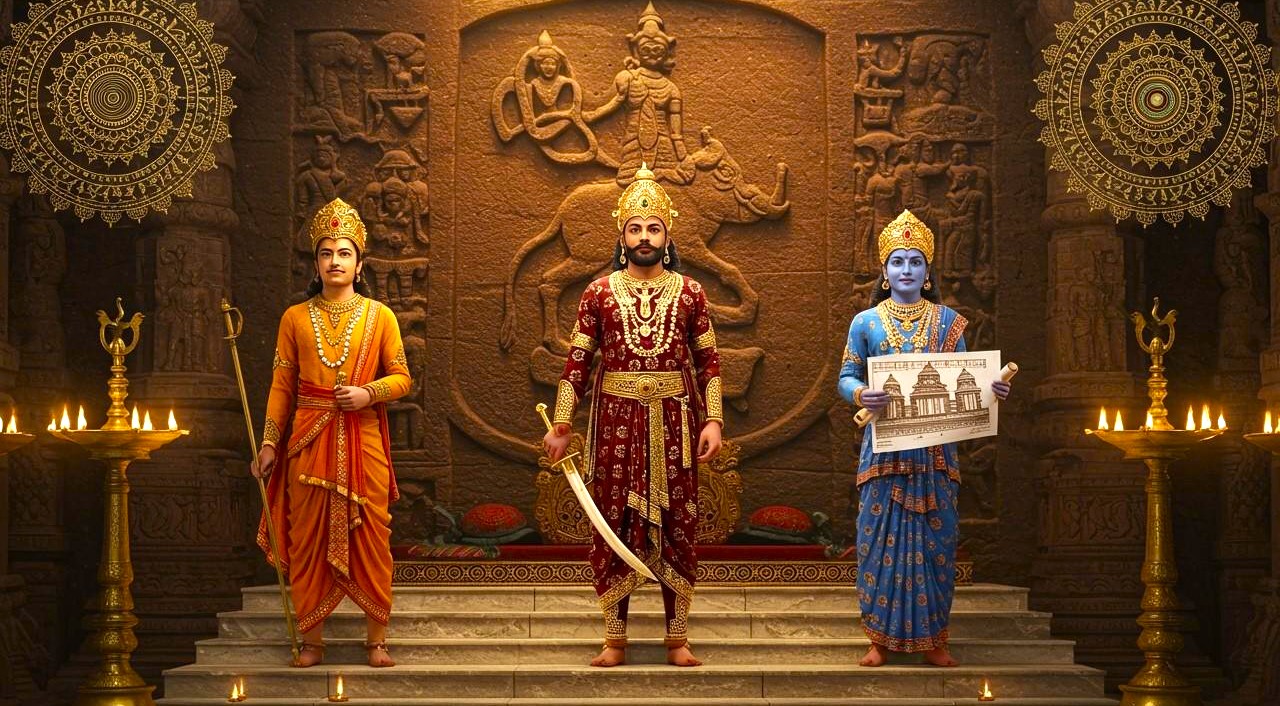
The origin story of the Kalyanini Chalukyas centers on Tailapa II, a Rashtrakuta feudatory who turned kingmaker. In the late 10th century, as Rashtrakuta power crumbled, Tailapa rallied regional chiefs, temple elites and warriors to seize Kalyani (near modern Basavakalyan). Chroniclers frame this as a Deccan power shift from Rashtrakutas to Western Chalukyas of Kalyani. With his queen from an allied house and heirs around him, Tailapa transformed a provincial stronghold into an imperial capital, projecting a revived Chalukyan identity across much of Karnataka, Maharashtra and adjoining regions.
Sunrise Rituals In Kalyani’s Citadel
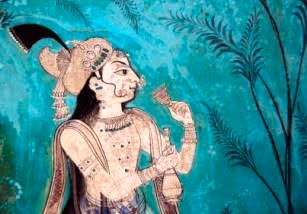
Daily life in the royal court followed a highly ordered rhythm that typifies medieval Deccan imperial palace routine and etiquette. At dawn, the king bathed in sculpted tanks, received sandal, kumkum and sacred ash, and performed worship in private shrines. Queens oversaw inner apartments, jewels, storehouses, temple endowments and festival kitchens, exemplifying royal women’s economic management and religious patronage in Western Chalukya rule. Princes practiced weapons, elephant and horse skills, then studied Sanskrit, Kannada, vyavahāra (law) and poetics; princesses learned music, accounts and alliance diplomacy. Councils, inspections, petitions and evening performances reinforced fortress-capital discipline and shared court culture. Kalyanini Chalukya Dynasty Karnataka
Tank-Fed Fields And Sabha-Governed Villages
Outside Kalyani’s walls, villagers lived by the monsoon and the sabha, forming Western Chalukya-era rural Karnataka and Maharashtra agrarian society. Farmers ploughed black and red soils to grow millets, paddy, sugarcane, pulses and oilseeds. Women hauled water from tanks and wells, spun cotton, and traded in weekly santhe markets. Blacksmiths, potters, weavers, oil-pressers and carpenters sustained traditional Deccan village craft economies under Kalyanini Chalukya sovereignty. Local assemblies - sabhas, ur and nād councils - allocated land, managed irrigation and resolved disputes, revealing continuity of south Indian village self-governance despite changing dynasties. Copper-plate charters show kings recognizing, taxing and sometimes protecting these older institutions.
Spiced Cauldrons Of The Kalyani Court
Within Kalyani, roaring kitchens embodied medieval Deccan royal cuisine and temple-linked feeding traditions under the Western Chalukyas. Before sunrise, cooks lit great hearths under enormous copper and iron cauldrons, boiling rice, millets and lentils for guards, scribes, priests, artisans and visiting envoys. Spice pastes of coriander, cumin, pepper, tamarind, ginger, garlic and coconut perfumed the corridors. Granaries and gardens supplied vegetables, pulses and ghee; hunters and fishermen brought game and river fish. On holy days, palace and temple kitchens extended meals to crowds as anna-dana charity feasts in Kalyanini Chalukya religious centers, turning food into visible proof of wealth, piety and administrative capability. Kalyanini Chalukya Dynasty Karnataka
Copperplates, Oath-Stones And Judgment Seats
Justice in Kalyanini Chalukya-ruled territories of Karnataka and Maharashtra blended text, ritual and local voices, a hallmark of hybrid legal systems in the Western Chalukya Empire. Inscriptions depict royal and local assemblies - of brahmins, officials and elders - deciding boundary, tax and inheritance disputes. Penalties included fines, temporary land seizure or obligations to repair tanks, roads or temples, reflecting Deccan agrarian law and punishment practices tied to water and property. Oaths were sometimes sworn at temples or boundary stones. Village panchayats resolved many matters informally, showing shared responsibility for justice between king, temple councils and village bodies.
Stone Shikharas And Quiet Maths
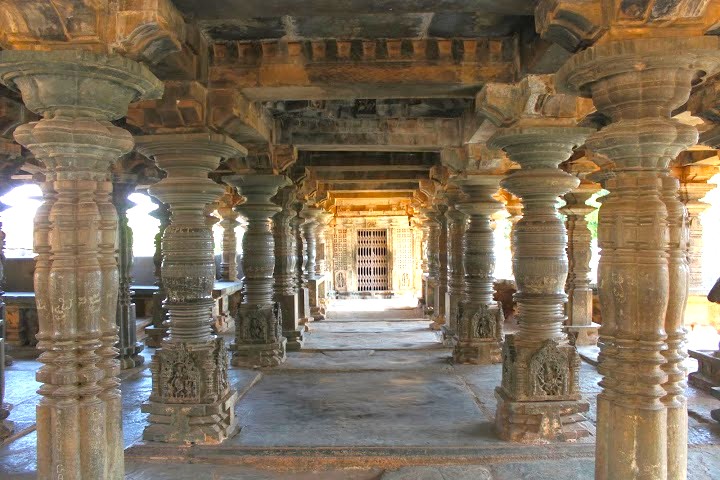
Religious life under this line revolved around Shaiva, Vaishnava and Jaina institutions, epitomizing Western Chalukya temple architecture and multi-sect sacred patronage. Kalyanini rulers endowed and expanded shrines across the Deccan, seen in inscriptions at Lakkundi, Gadag, Dambal and beyond. Land grants to brahmin agraharas and mathas fostered Agrahara-brahmin settlements and matha networks in medieval Karnataka: Jaina basadis also thrived under some kings and queens. Local goddesses and village deities continued to receive offerings, marking continuity of folk religion beneath elite temple cultures. By sponsoring construction, lamps, land and festivals, kings cast themselves as guardians of dharma and cultural stewards.
Rathotsavas, Melas And Market Lanterns
Festival seasons in Kalyani and its satellite towns showcased medieval Karnataka temple rathotsavas and bazaar melas under Western Chalukya patronage. During major utsavas, deity images rode on tall rathas through processional streets lined with lamps, flags and kolam designs. Drummers, conch-blowers, dancers and reciters escorted these chariots while vendors crowded lanes with cloth, grain, toys and metalware, forming religious fairs that doubled as trade hubs in the Deccan. Navaratri, Maha Shivaratri, Vaikuntha Ekadashi and regional goddess festivals all featured royal gifts and public feeding. Such events functioned as sacred theatre and political affirmation of Kalyani’s centrality. Kalyanini Chalukya Dynasty Karnataka
Council Pillars, Poets And Perfumed Evenings
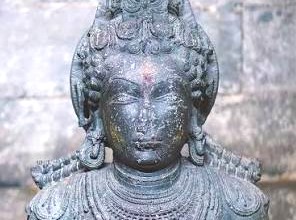
In Kalyani’s halls, administration shared air with art, defining Deccan court culture and Kannada - Sanskrit literary fluorescence in Western Chalukya times. Morning durbars handled petitions, land confirmations, military briefings and revenue matters. Later gatherings welcomed poets and scholars: figures like Ranna wrote in Kannada, others in Sanskrit, crafting royal praise texts that cast Kalyanini Chalukya kings as protectors of dharma and patrons of kavi culture. Musicians, dancers and storytellers enriched evenings with epics and local legends. Bronze casters, metalworkers and carvers presented their work. Patronage here made culture an instrument of prestige, political messaging and regional identity.
Elephants At The Passes And River Fords
The military career of this house anchors Deccan conflict narratives between Western Chalukyas, Cholas and neighboring dynasties. Kalyanini Chalukya troops fought Chola armies across the Tungabhadra and Krishna doabs, resisted Paramaras in Malwa, and confronted regional challengers, illustrating medieval Deccan multi-front warfare and hill-fort defense tactics. Armies fielded cavalry, war elephants, archers and infantry, contesting forts, river crossings and trade routes. Forts and natural barriers, combined with diplomacy and vassal networks, helped maintain imperial resilience despite alternating victories and setbacks. War was not constant, however its threat defined borders and shaped alliances for generations.
Veiled Alliances And Queens’ Copper Grants
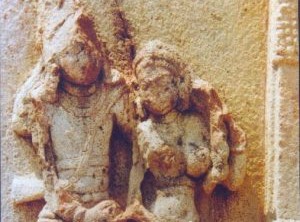
Marriage politics reveal dynastic alliance strategies and elite women’s agency in Western Chalukya courts. Kalyani kings married into influential Deccan and southern houses - Rashtrakuta remnants, Kalachuris, Eastern Chalukyas and sometimes Cholas - cementing peace or shared campaigns. Inscriptions document queens donating villages, tanks and temple endowments, concrete evidence of landholding and religious patronage by royal women under Kalyanini Chalukyas. These women mediated factional disputes, influenced succession, and extended networks through ritual hospitality. Meanwhile, in villages, women’s labor in farming, spinning, storage and home-based ritual anchored gendered economic and spiritual life in Deccan rural society, even if texts rarely said their names.
Lathe-Turned Pillars And Poet’s Ink
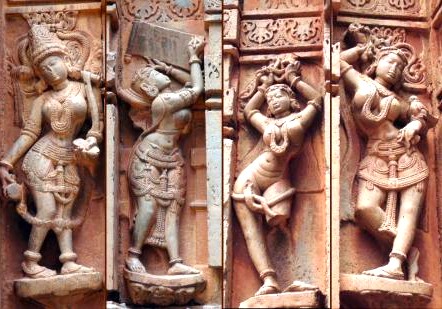
Artistic output during this era defines Western Chalukya architectural style, sculpture and literary production in Karnataka. Temples at Lakkundi, Gadag, Dambal and nearby sites show distinctive stepped shikharas, lathe-turned pillars and intricate doorframes. Metalworkers cast deities, lamps and ritual objects; artisans carved narrative panels of gods, dancers and devotees, evidencing transitional Deccan art between Rashtrakuta rock-cut forms and later Hoysala elaboration. Court poets authored epics, war poems and prashastis in Sanskrit and Kannada, spreading Chalukya imperial ideals through literature. Patronage ensured that politics, religion and aesthetics were bound together across stone, bronze and manuscript. Kalyanini Chalukya Dynasty Karnataka
Ash Near Rivers, Heroes In Stone
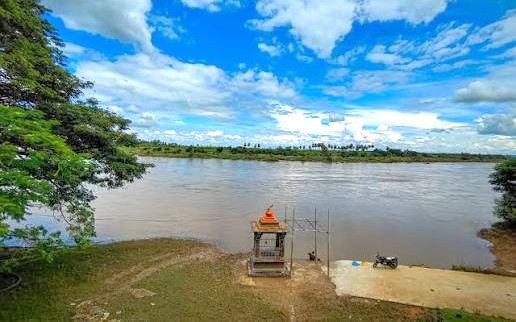
Mortuary practices under this line align with Karnataka Hindu cremation rites and viragallu hero-stone traditions under Western Chalukyas. Most people were cremated at rivers or tanks, ashes immersed or buried near sacred trees or shrines. Inscriptions sometimes note endowments for annual shraddha rituals. Along roads and at battlefields, upright stones depicting warriors in combat, worship or ritual death - viragallu and mastikallu - served as hero stones commemorating notable deaths in Deccan warrior culture. These stones, together with temple reliefs and rare samadhi shrines, inscribed memory into paths and fields, making remembrance part of everyday geography.
Vaidyas, Ascetics And Healing Waters
Health across Kalyani’s territories drew on Ayurvedic medicine, matha-based care and folk remedies in medieval Deccan society. Court vaidyas followed Sanskrit treatises, prescribing plant-based preparations from neem, amla, ashwagandha, pepper and local herbs for fevers, digestive troubles and wounds. Bonesetters and barber-surgeons handled fractures and surgical needs. Village healers used mantras, amulets and fumigation, representing traditional rural healing and spiritual protection practices in Karnataka and Maharashtra. Mathas and temples with tanks and rest-houses hosted the sick and recovering, weaving religious institutions into networks of care. Epidemics prompted quarantines, tank cleansing and goddess appeasement rites, combining pragmatic and ritual responses.
Stone Tanks, Canal Threads And Monsoon Bets
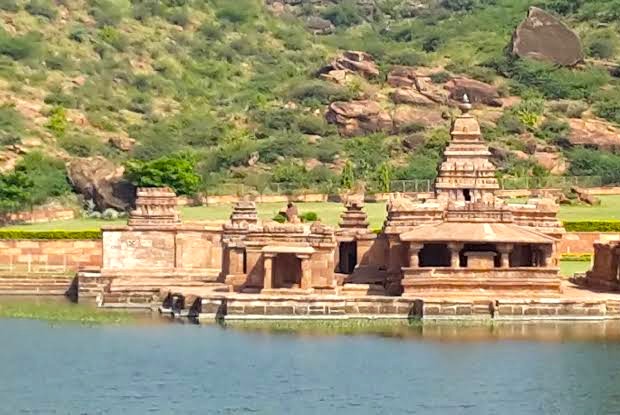
Water infrastructure under this dynasty is central to Deccan tank, stepwell and canal engineering in Western Chalukya domains. Inscriptions describe constructing and desilting tanks, cutting channels from rivers and streams, and endowing land for maintenance. Village bodies and temples co-managed community-based irrigation systems and water rights in medieval Karnataka. Stepwells and wells furnished drinking and ritual water. In some areas, webs of small canals and sluices increased cropped land, supporting agrarian expansion and surplus generation during Kalyanini Chalukya rule. Effective water control, especially in uncertain monsoon patterns, underpinned both prosperity and the regime’s claim to just, dharmic kingship. Kalyanini Chalukya Dynasty Karnataka
Kalachuri Shadows And A Lingering Signature
In later decades, internal tensions and external rivals weakened this house, opening space for Kalachuri Bijjala’s usurpation at Kalyani and the fragmentation of Western Chalukya authority. Hoysalas rose in the south; Seunas (Yadavas) gained strength in the north. Kalyani gradually lost imperial status. Yet temples, inscriptions, irrigation works and literary texts preserved the enduring legacy of the Kalyanini Chalukya (Western Chalukya) Dynasty in Deccan political and cultural history. Later states borrowed their administrative models and artistic idioms. Even when their direct line faded, the stone and script they left behind continued to define the region’s memory and built landscape.
Step Inside The Story - View All Tour Itineraries & Details
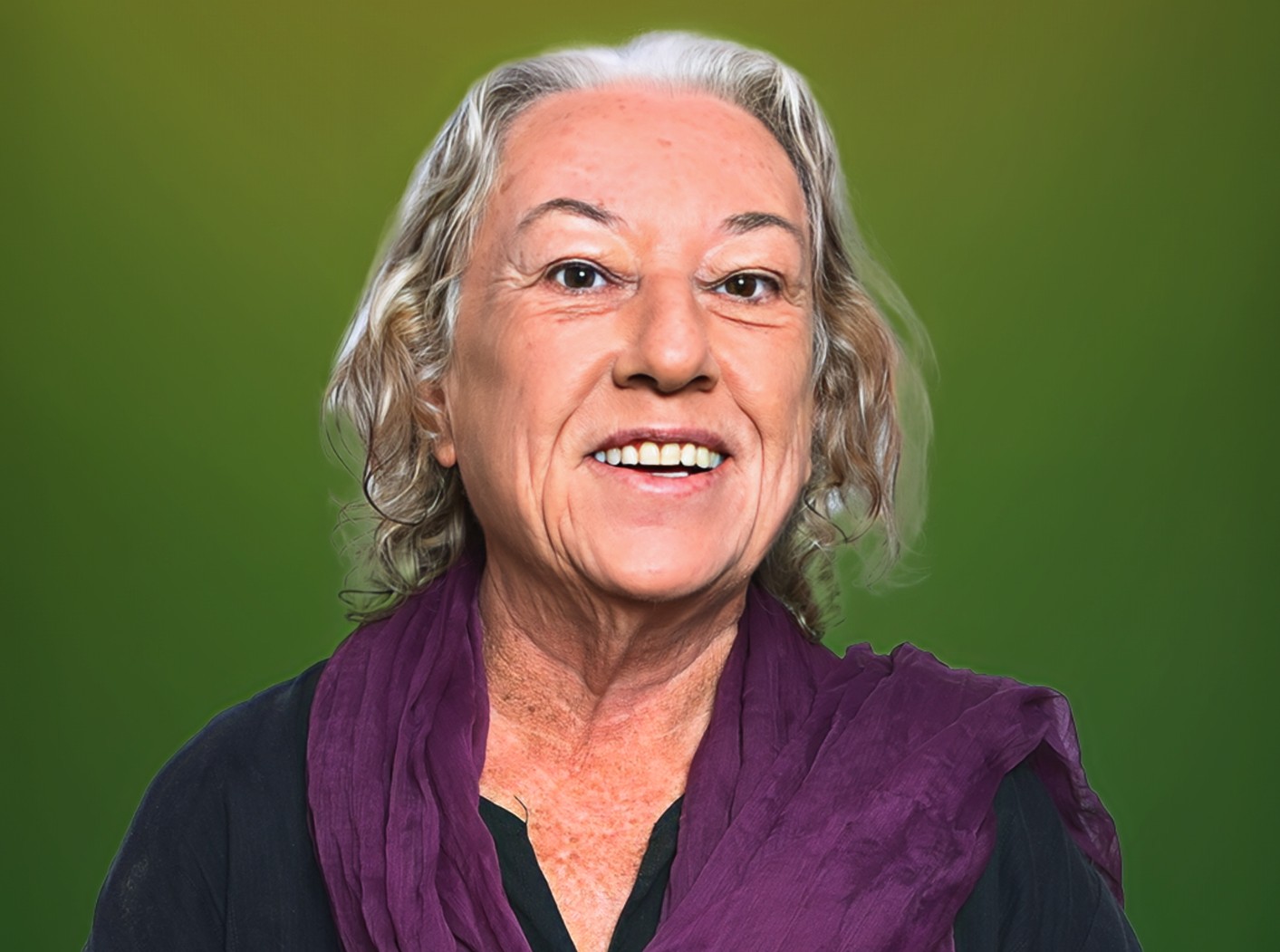
We’re here to offer genuine, thoughtful guidance if your interested in travelling to India. As a small, dedicated team, we pay close attention to every detail so you can focus on enjoying the experience while we take care of the planning. We believe the best trips begin when someone truly listens to what you want and how you like to travel, so the journey feels right for you and contributes to a happy, positive group on tour. Our communication stays clear, straightforward, and respectful at every step, with the goal of helping you feel understood, supported, and confident from first contact to the end of your journey.
Click Catherine Frith - About The Founder
Click Discover Life Travel - All Tours and More
Click Why We Are Different - Unique, Safe, Transparent