Unique Insights Into The Deities Of India
Kalki: The Awaited Arrival
Discover Life Travel
The Final Avatar Born in a Future Age
At the darkest point of the current and final epoch, the Kali Yuga, when righteousness and virtue have all but vanished from the world, the great preserver god, Vishnu, will make his tenth and final incarnation. The prophesied origin of Kalki, the tenth avatar of Vishnu, is a promise for the future. He will be born to a simple, pious Brahmin family. His birth will signal the end of the age of darkness and herald the dawn of a new golden age, the Satya Yuga. He is the ultimate savior, the divine reset button for a corrupted and fallen world. Kalki The Awaited Arrival
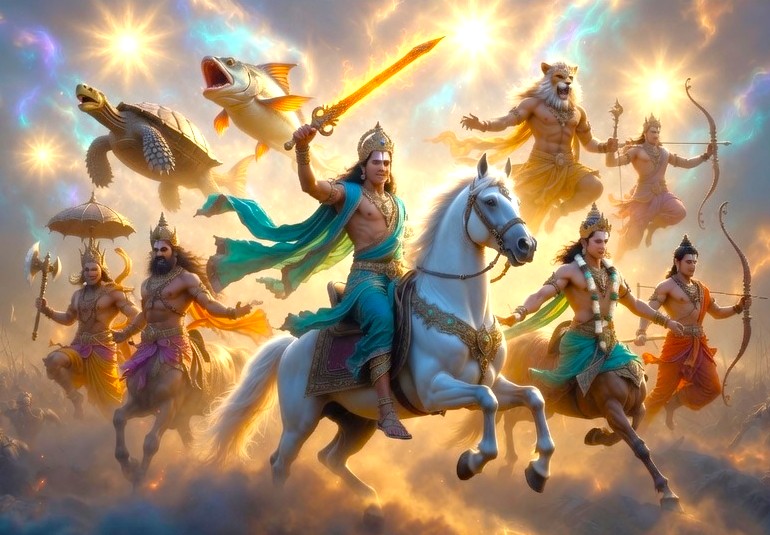
Kalki The Awaited Arrival: The Prophesied Village of Shambhala
Unlike other avatars born in famous ancient cities, Kalki's birthplace is a prophesied, almost mythical location. The sacred texts predict Kalki's birth in the village of Shambhala. While its exact location is a subject of much mystical speculation, it is described as a pure and hidden village, untouched by the rampant corruption of the Kali Yuga. It will be home to his pious parents, Vishnuyasha and Sumati. This secluded, pure birthplace symbolizes that even in the darkest of times, pockets of virtue and righteousness remain, and it is from such a pure source that the divine savior will emerge to cleanse the world.
The Flaming Sword of Divine Justice
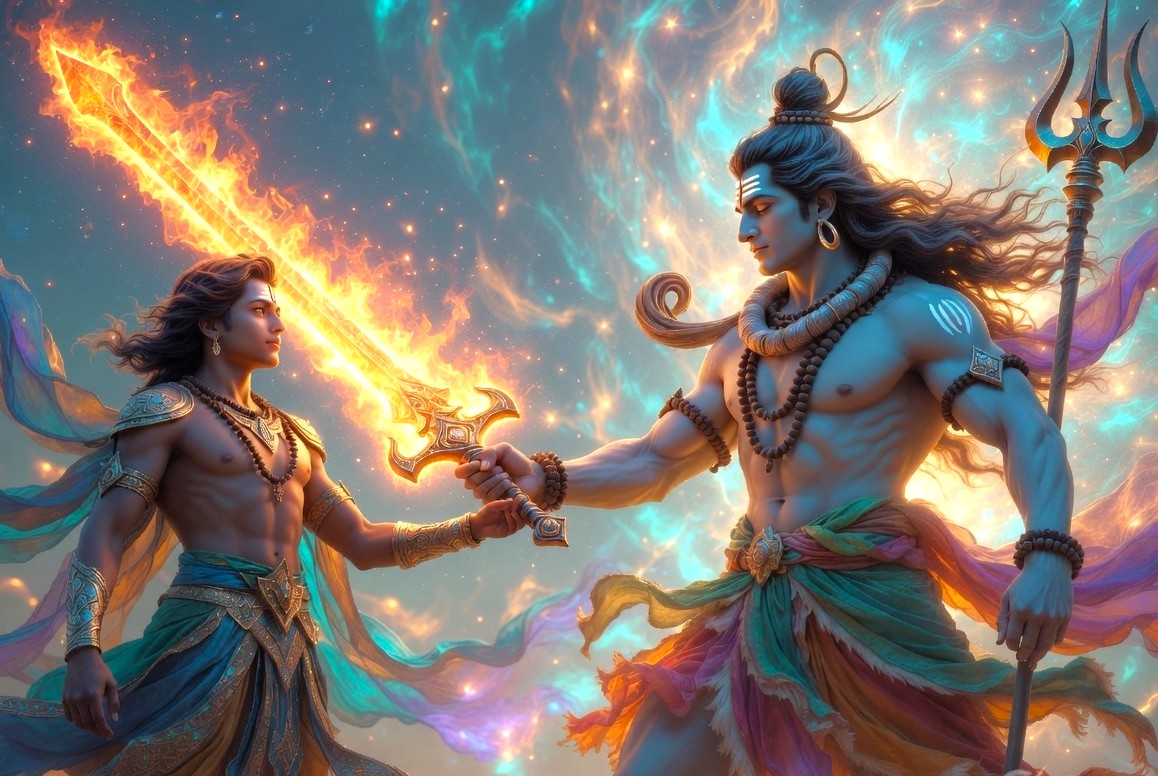
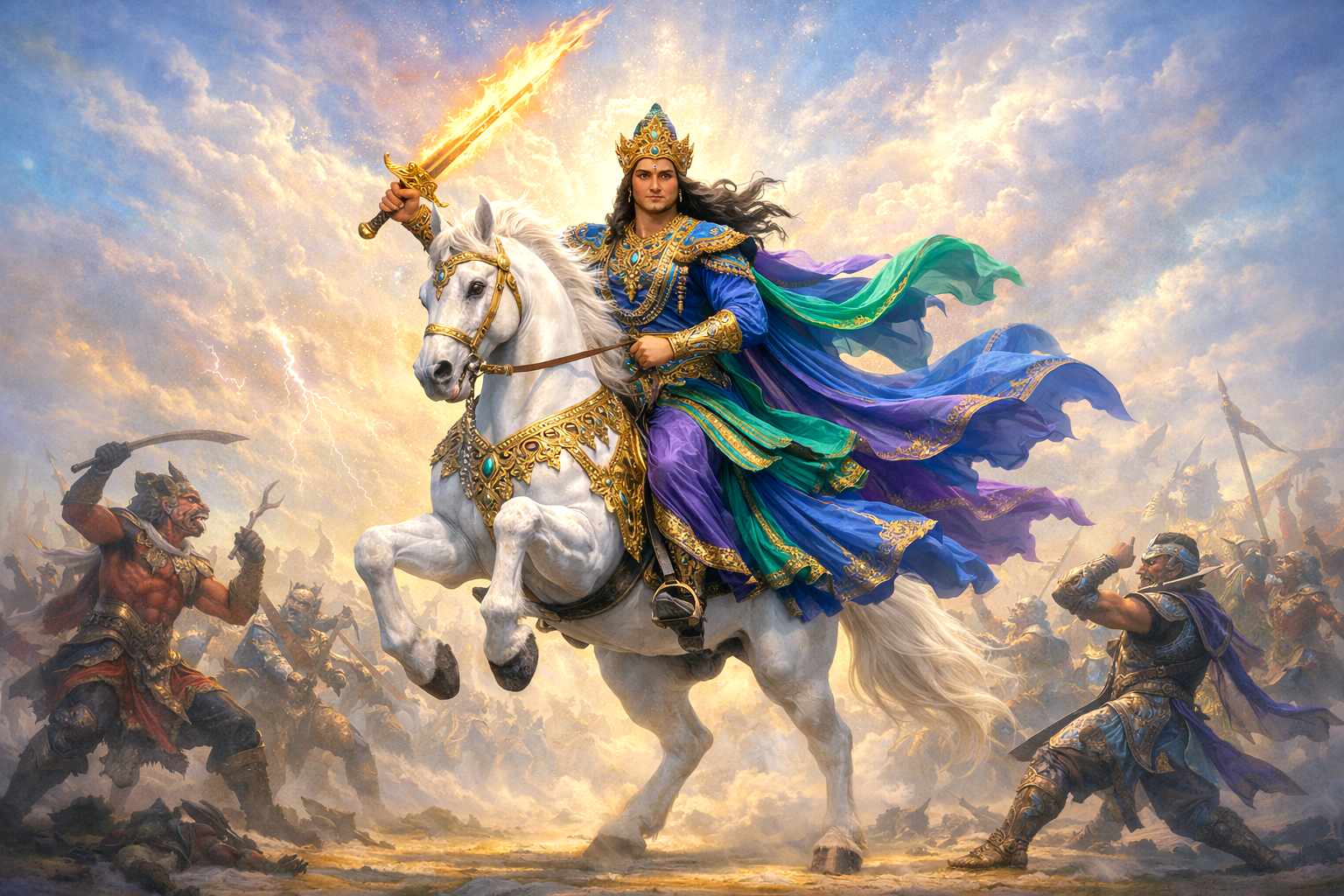
Kalki's iconography is that of a fierce and divine warrior, a cosmic judge on a mission of purification. His most prominent symbol is the divine, flaming sword known as Ratna-Maru, which he will receive from Shiva. This is not a weapon of conquest, but a sword of divine justice, its flame representing the purifying fire that will burn away all evil, ignorance, and adharma. It is the instrument with which he will cleanse the world of corrupt rulers and wicked people, making way for a new era of truth. His form as a warrior prince signifies that the restoration of dharma will require an intervention. Kalki The Awaited Arrival
The Pious Family Destined for a Divine Son
Kalki's earthly family will be chosen for their immense virtue in a world devoid of it. The prophesied parents of Kalki are the Brahmin Vishnuyasha and his wife Sumati. Their names are symbolic: Vishnuyasha means "glory of Vishnu," and Sumati means "good-minded." They will be humble and righteous people living in the village of Shambhala, whose deep devotion and piety will make them worthy vessels to bring the supreme lord into the world. This humble parentage emphasizes that divine grace descends not upon the powerful or wealthy, but upon the pure of heart.
A Youth Trained by the Immortal Sage
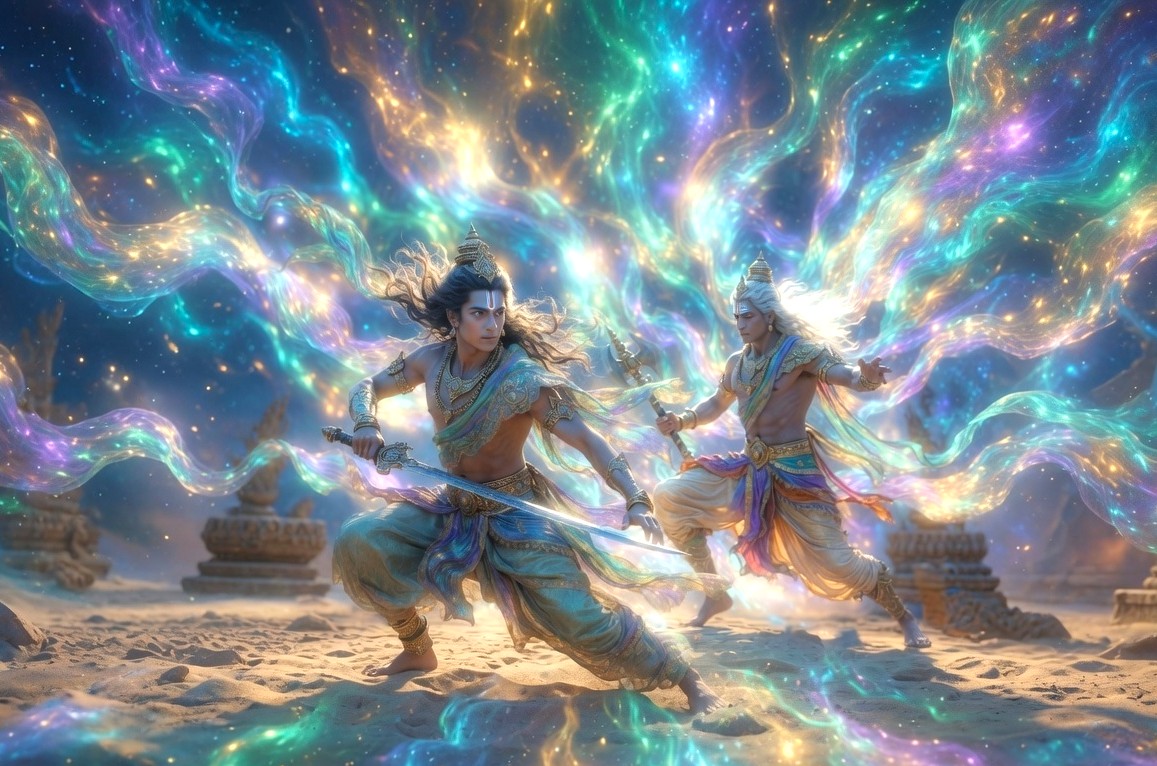
Though born with divine power, Kalki will still undergo training to master the martial and spiritual sciences. The Puranas state that Kalki will be trained by the immortal sage Parashurama. Parashurama, the sixth avatar of Vishnu and a Chiranjeevi (immortal), is still believed to be performing penance in the Himalayas. He will emerge from his meditation to become the guru of the new avatar. He will instruct Kalki in the arts of warfare, strategy, and divine weaponry, and also impart the spiritual wisdom needed to fulfill his monumental destiny. Kalki The Awaited Arrival
The White Horse Devadatta, A Harbinger of Judgment
Kalki ride's a powerful and symbolic divine horse. The symbolism of Kalki's swift white horse, Devadatta, is central to his identity. This magnificent horse, whose name means "God-given," is a gift from the gods. Its brilliant white color symbolizes purity and righteousness. Devadatta is depicted with wings, able to travel anywhere in the sky or on earth. Kalki, riding this horse at a terrifying speed, represents the swift and unstoppable nature of divine justice, a cosmic rider coming to dispense judgment upon a fallen world.
The Great Cleansing: The End of the Kali Yuga
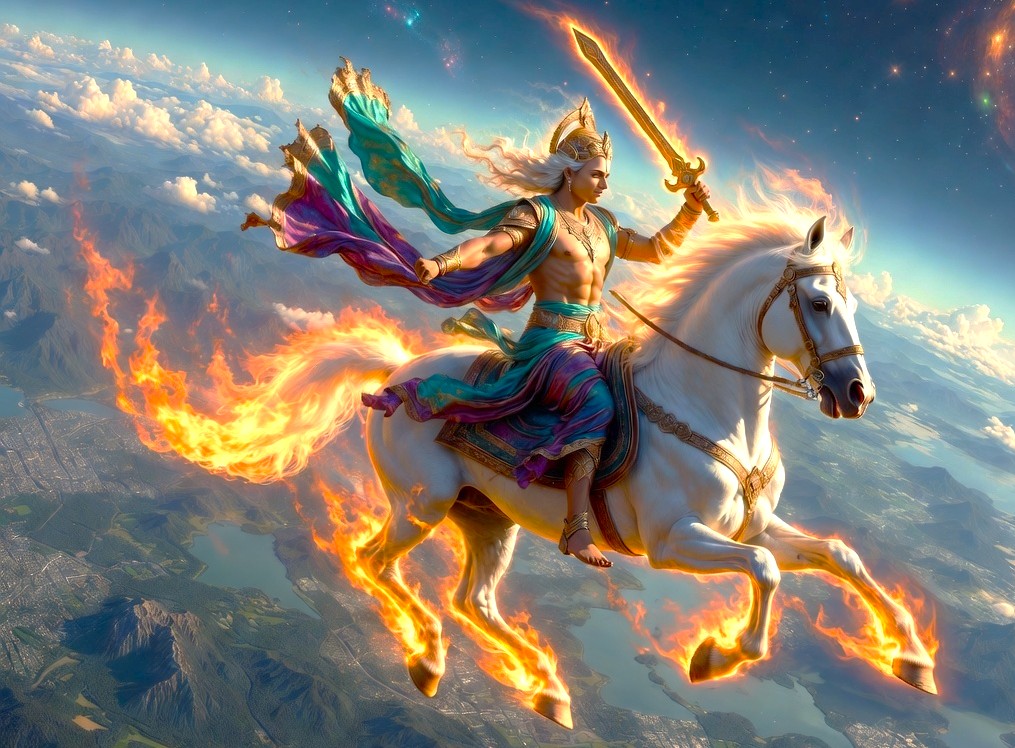
Kalki's primary mission and greatest triumph will be the complete annihilation of evil at the end of the current age. The role of Kalki in ending the age of Kali Yuga is that of a divine purifier. After completing his training, he will mount his white horse and, with his flaming sword in hand, will travel across the earth. In a great and terrible war, he will battle and destroy all the corrupt kings, false prophets, thieves, and wicked people who have plunged the world into darkness. This great cleansing is a necessary and compassionate surgery to remove the 'disease' from the body of the world.
The Battle Against the Demon Kali and Adharma
Kalki’s ultimate adversary is not a conventional king, but the demon Kali - the malevolent male personification of the dark age. Unlike the Goddess Kali, who destroys evil, the demon Kali is the source of it. As the architect of our current era, this demon thrives on chaos, fueling the world’s descent into greed, ignorance, and conflict. Kalki’s mission culminates in a final, cosmic purge to hunt down the demon Kali and his entire lineage of negative forces. This victory is more than a physical battle; it is a spiritual liberation. By crushing the demon, Kalki shatters the influence of the dark age, breaking its hold over the hearts of humanity and clearing the path for a new era of righteousness.
The Dawn of a New Golden Age
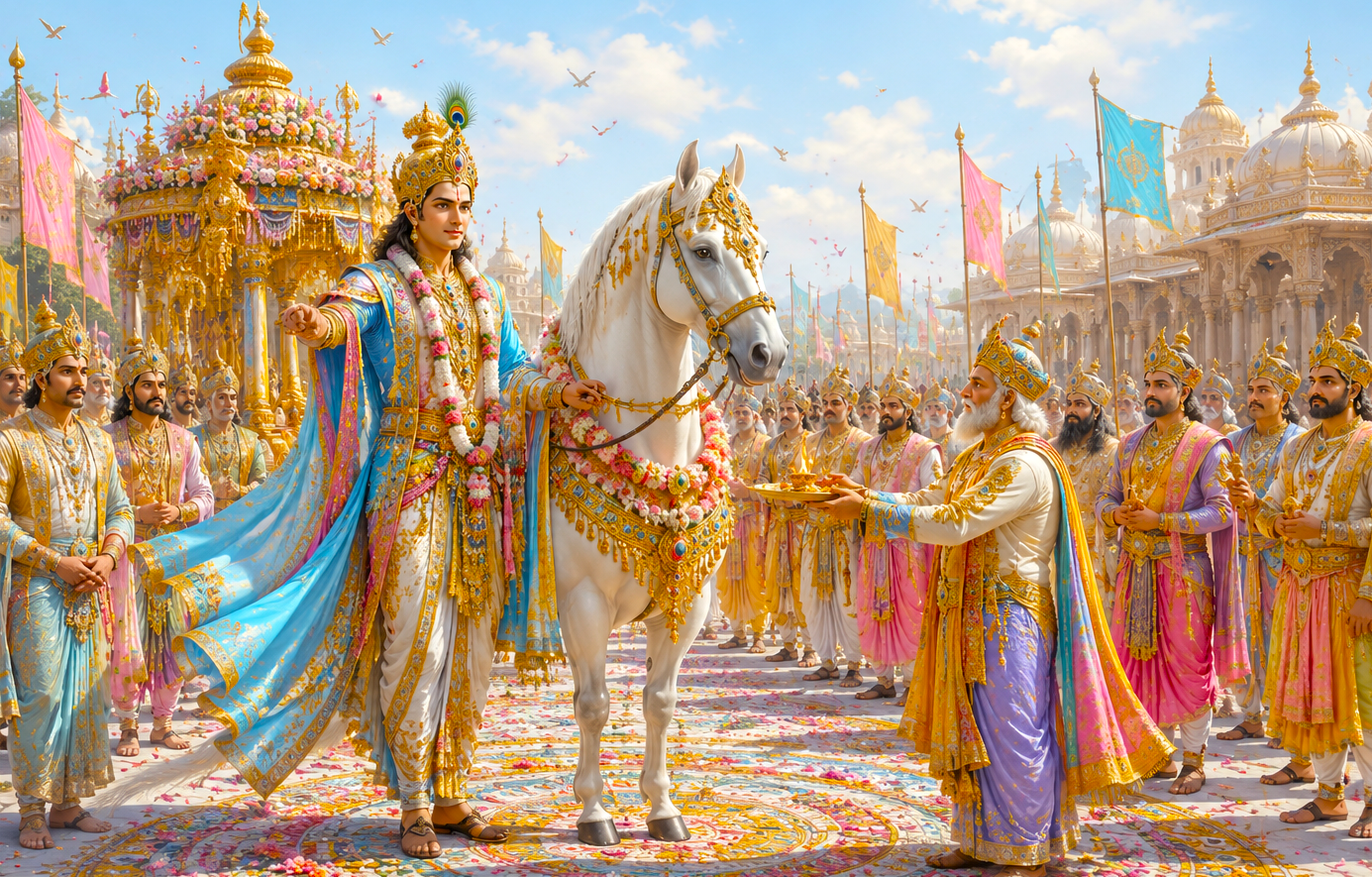
Kalki's purpose is ultimately one of renewal. After the great cleansing, the role of Kalki in ushering in the new Satya Yuga is his final act. With all evil vanquished, the world will be purified. The few righteous souls who survive will become the seeds for a new humanity. Kalki will then perform a great Ashwamedha (horse sacrifice), symbolizing his righteous rule over the entire planet. He will then retire to the Himalayas, his mission complete, as the world enters a new golden age of truth, peace, and spiritual harmony. His avataric purpose is fulfilled, and he re-merges with the supreme form of Vishnu. Kalki The Awaited Arrival
A Message of Hope in an Age of Darkness
For people living in the current age, Kalki's story is a powerful source of hope and a call to righteous action. The empowering message from the Kalki prophecy is that no matter how dark or corrupt the world becomes, one must not despair. The divine promise of his arrival serves as a reminder that evil and injustice will not last forever and that a divine intervention will ultimately restore balance. His story encourages devotees to uphold dharma in their own lives, to keep the flame of righteousness burning, however small, as these are the very qualities that will be preserved and carried into the new golden age.
The Crown Chakra and the Ray of Divine Will
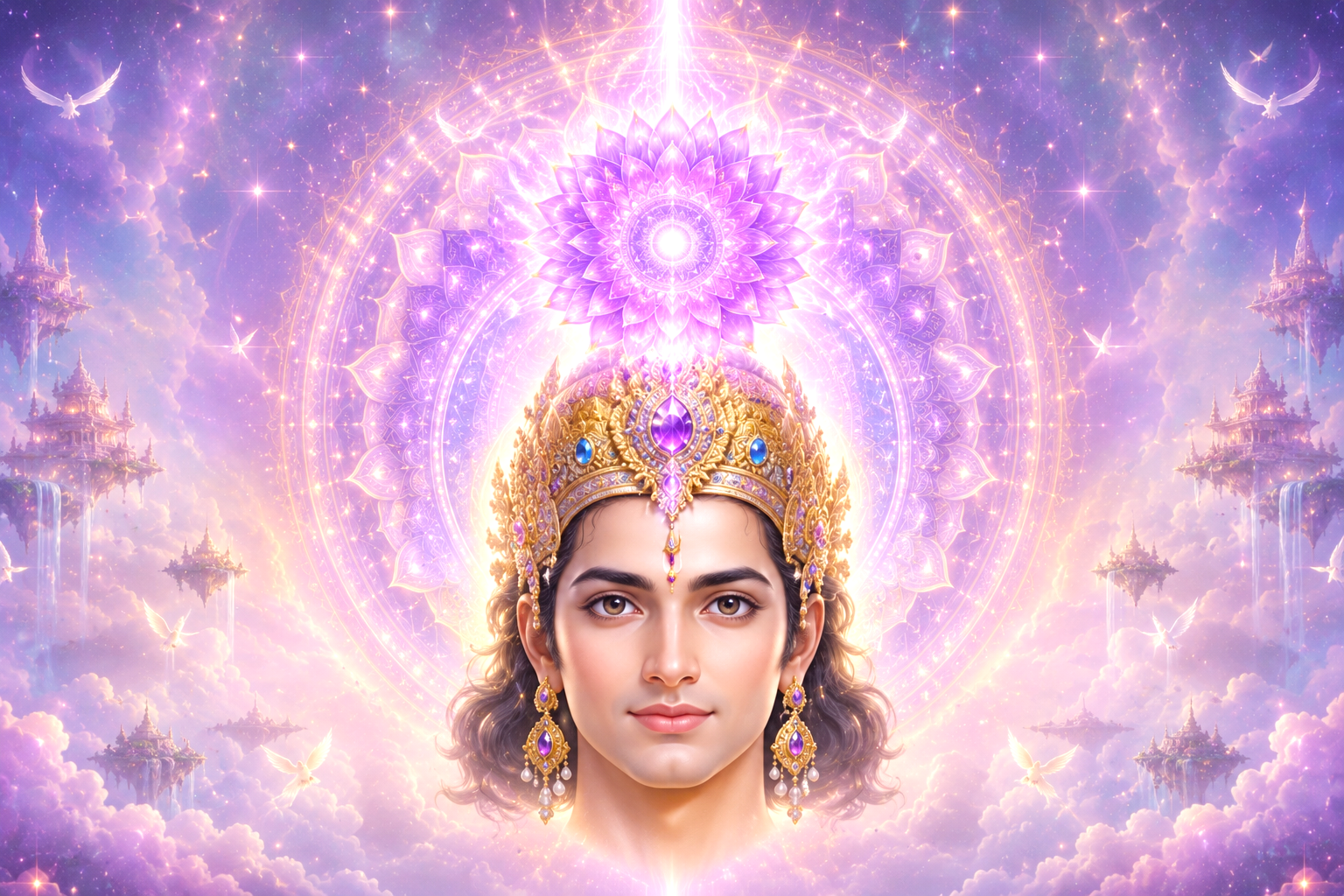
As the final, culminating avatar who ushers in a new reality, Kalki's energy is associated with the highest center of consciousness. He is the master of the Sahasrara (Crown) Chakra, the thousand-petaled lotus of pure consciousness and connection to the divine. The key frequency that Kalki embodies is that of supreme divine will and cosmic justice. His aura is a brilliant, diamond-white light, the color of pure, unfiltered consciousness and purifying power. Meditating on him is said to instill courage, a strong sense of justice, and the will to fight for dharma in one's own life. Kalki The Awaited Arrival
The Ratna-Maru Sword: A Weapon of Purification
The divine sword of Kalki is his primary instrument of justice. The significance of Kalki's divine sword, the Ratna-Maru, is that it is a gift from Shiva, the god of destruction and transformation. This shows that the act of destroying the Kali Yuga is a sanctioned and necessary part of the cosmic cycle, a joint effort by both Vishnu (as Kalki) and Shiva (as the giver of the weapon). The sword's blade is said to be as sharp as righteousness itself, and its fiery nature represents the fire of knowledge (jnana agni) that burns away all illusion and impurity, leaving only the shining truth.
The End of the Cosmic Cycle
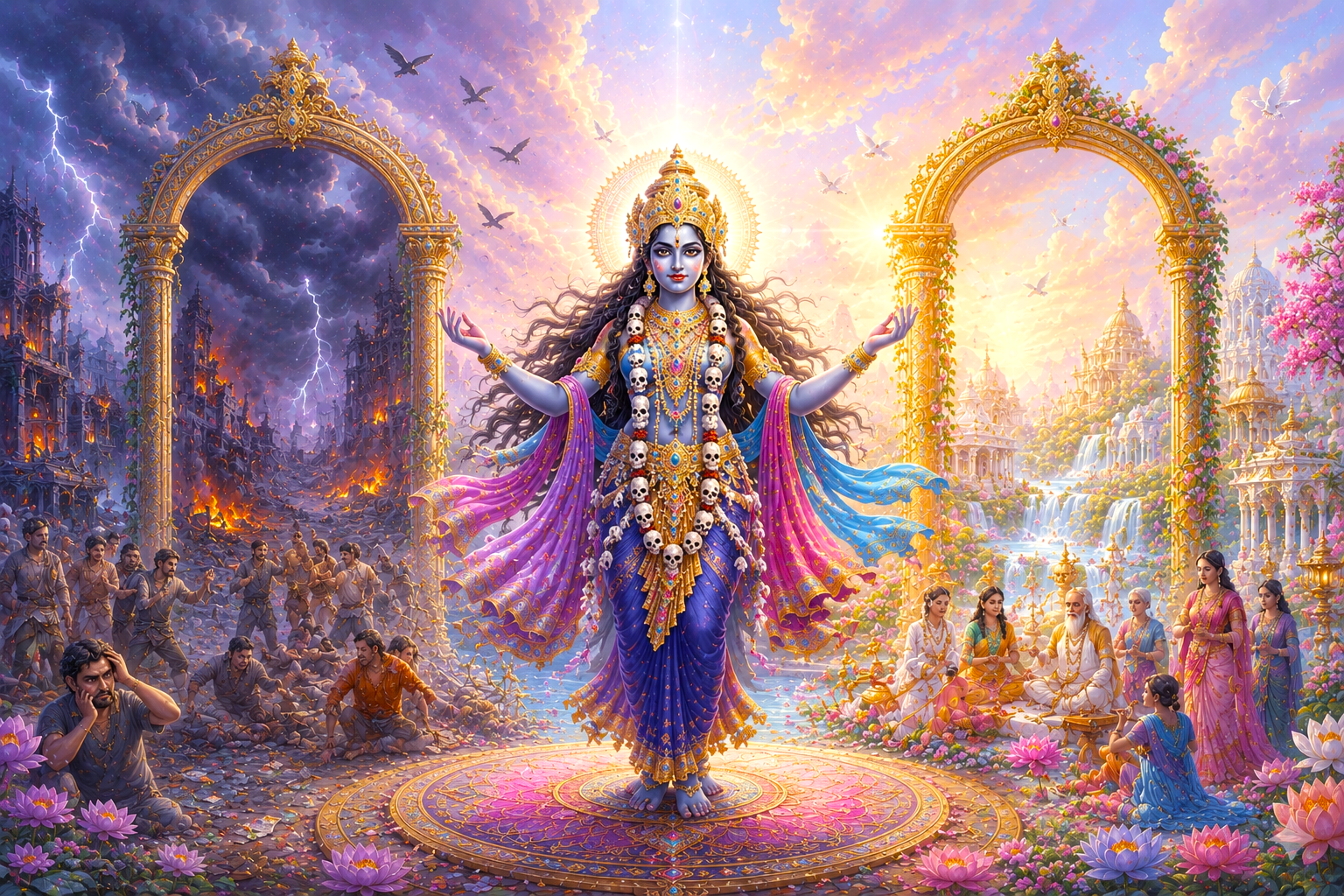
Kalki's appearance is a fixed point in the grand timeline of Hindu cosmology. The prophecy of Kalki is tied to the cycle of the four Yugas. The current age, Kali Yuga, is said to last for 432,000 years. The Puranas state that Kalki will appear at the conjunction of the end of this Yuga and the beginning of the next Satya Yuga. His arrival is not a random event but a pre-ordained cosmic necessity, the final chapter in the current world cycle before the timeline resets to a new age of truth. He is the ultimate time-keeper, the one who brings the era of darkness to its definitive close. Kalki The Awaited Arrival
The All-Knowing Parrot, Shuka
A unique feature in the prophecies about Kalki is his association with a divine parrot. The role of the parrot Shuka in the Kalki Purana is that of an all-knowing companion. This divine parrot is said to be omniscient, with complete knowledge of the past, present, and future. It will act as Kalki's scout and messenger, flying ahead to gather intelligence about the demon Kali and his armies, and relaying information back to the divine warrior. This parrot symbolizes the omniscience of the divine and the importance of having true knowledge and foresight in the battle against evil.
The Re-establishment of Righteousness
Kalki's mission is to actively rebuild virtue. The concept of Kalki as the restorer of Dharma is his ultimate purpose. After the great war, he will eliminate the wicked and also re-establish the principles of a righteous society. He will honor the virtuous Brahmins, protect the sacred cows, and reinstate the traditions of truth, charity, and penance. His reign will be a transitional period where he lays down the foundations and sets the moral compass for the new Satya Yuga that will follow, ensuring the new age begins on a footing of perfect Dharma. Kalki The Awaited Arrival
The Final Promise of Divine Intervention
Ultimately, the prophecy of Kalki is a powerful assurance from the supreme being. It is the ultimate promise of Lord Vishnu to protect Dharma, as stated in the Bhagavad Gita: "Whenever and wherever there is a decline in religious practice - and a predominant rise of irreligion - at that time I descend Myself." Kalki is the final and most dramatic fulfillment of this promise. He represents the unwavering commitment of the divine to a moral and just universe. His story is a powerful testament to the belief that no matter how bleak things seem, divine help is always on the way, and that in the end, truth alone triumphs (Satyameva Jayate).
Step Inside The Story - View All Tour Itineraries & Details

We’re here to offer genuine, thoughtful guidance if your interested in travelling to India. As a small, dedicated team, we pay close attention to every detail so you can focus on enjoying the experience while we take care of the planning. We believe the best trips begin when someone truly listens to what you want and how you like to travel, so the journey feels right for you and contributes to a happy, positive group on tour. Our communication stays clear, straightforward, and respectful at every step, with the goal of helping you feel understood, supported, and confident from first contact to the end of your journey.
Click Catherine Frith - About The Founder
Click Discover Life Travel - All Tours and More
Click Why We Are Different - Unique, Safe, Transparent