Unique Insights Into The Deities Of India
Hanuman: A Divine Being Emerges
Discover Life Travel
The Divine Offspring of the Wind God Vayu
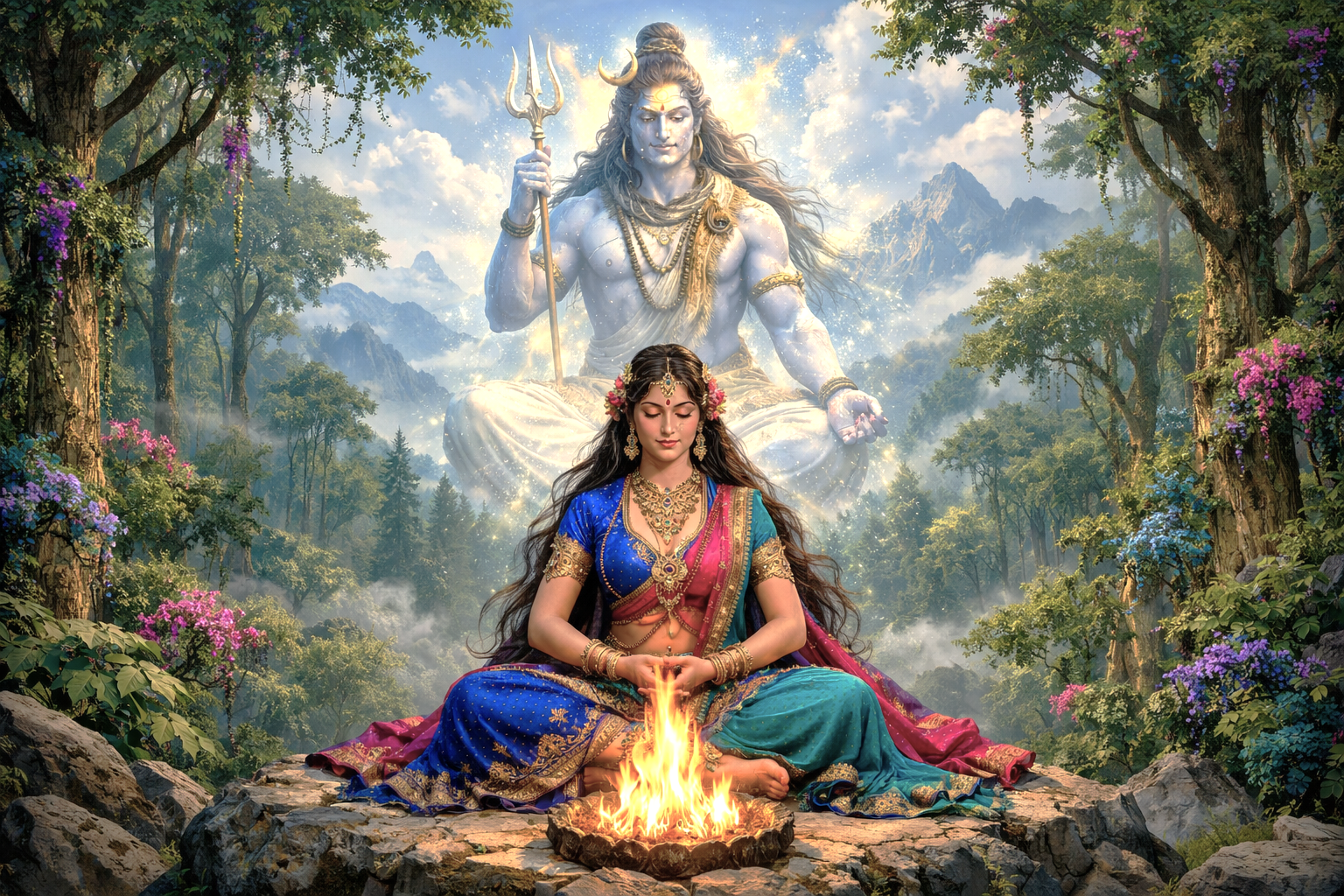
In the dense forests atop a mountain, a divine drama unfolded to create a being of immense power. Anjana, a celestial nymph cursed to be born as a vanara (monkey-like humanoid), performed intense austerities to Shiva to beget a powerful son. In a coordinated divine act, the story of Hanuman's divine birth from his mother Anjana and father Vayu took place. Shiva directed Vayu, the God of the Wind, to carry a portion of a sacred pudding to the praying Anjana. Vayu delivered this divine essence, and from this celestial union, Hanuman was born. This parentage gave him superhuman strength, the ability to fly, and the very nature of the wind - swift, powerful, and all-pervading. Hanuman A Divine Being Emerges
The Youth Who Chased the Sun: Hanuman A Divine Being Emerges
Hanuman's childhood was marked by incredible power and a playful, mischievous nature. The most famous story of the young Hanuman trying to eat the sun illustrates his immense, innate power. Waking up hungry one morning and seeing the bright red rising sun, the divine child mistook it for a ripe, juicy fruit. He leaped into the sky with incredible speed to catch and eat it. This act alarmed the king of the gods, Indra, who, fearing for the safety of the sun, hurled his mighty thunderbolt, the Vajra, at the child. The weapon struck Hanuman on his jaw (hanu), causing him to fall back to Earth and giving him his famous name, "Hanuman" (one with a prominent jaw).
The Mighty Gada, A Symbol of Invincible Strength
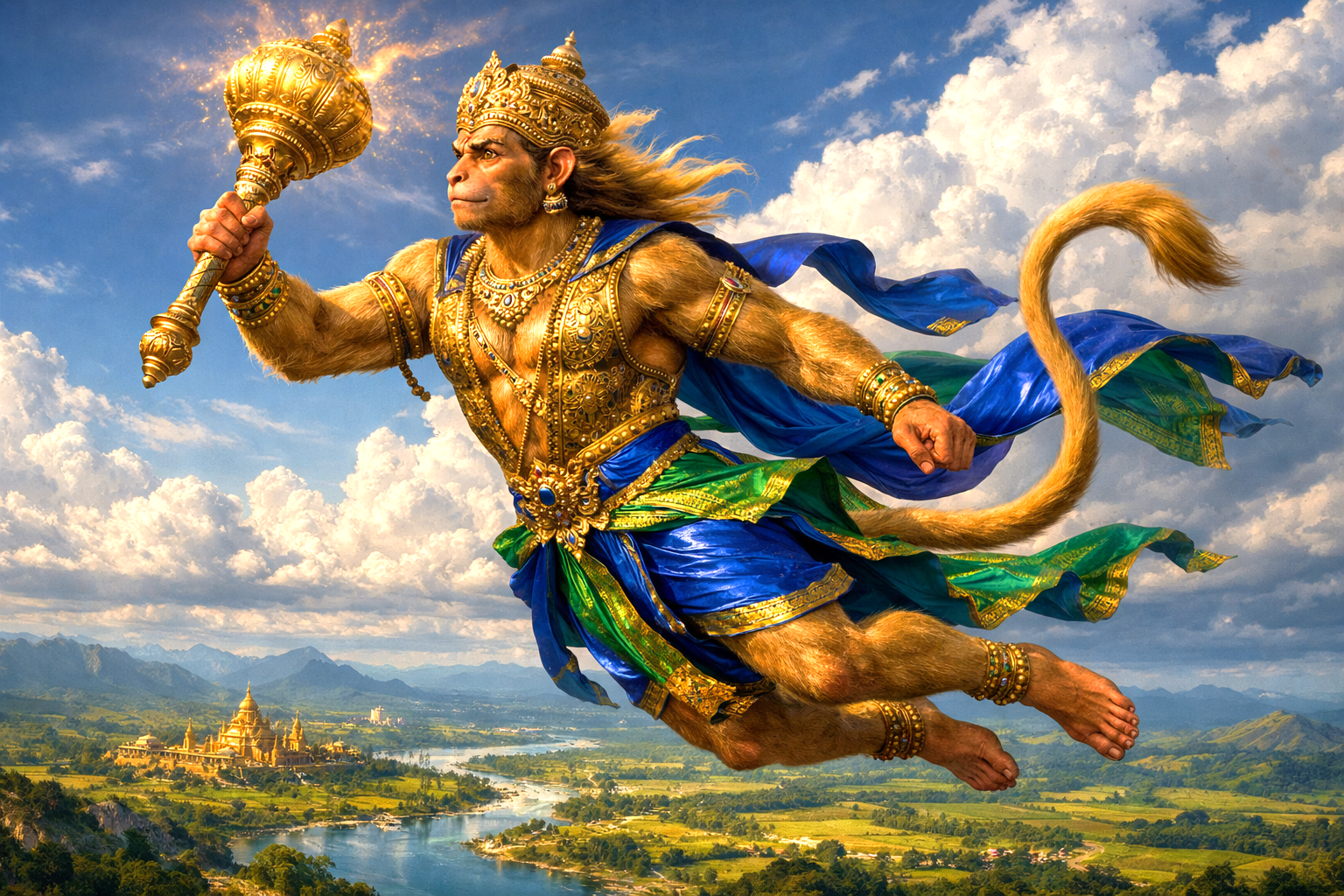
Hanuman's most iconic symbol is the mighty mace, the Gada, representing supreme physical strength, authority, and the power to crush all evil and negativity. It embodies bravery, virility, and unwavering resolve. Unlike celestial missiles, the Gada is direct, physical power - representing Hanuman's hands-on approach to service and protection. The weight of the Gada symbolizes the immense responsibility he carries as a protector of dharma and servant of the divine.
The Sacred Family of Anjana, Kesari, and Vayu
Hanuman's family tree is a blend of celestial and earthly lineage. His mother was the beautiful vanara princess Anjana, and his earthly father was Kesari, a powerful and noble vanara chieftain. His spiritual father, who was instrumental in his birth and granted him his powers, is Vayu, the Wind God. However, for Hanuman, his true and ultimate family is defined by his devotion. He adopted Lord Rama as his master, father, and everything, and Sita as his divine mother. His concept of family transcends blood ties and is rooted entirely in pure, selfless love and service. Hanuman A Divine Being Emerges
The Fateful Meeting with the Exiled Prince Rama
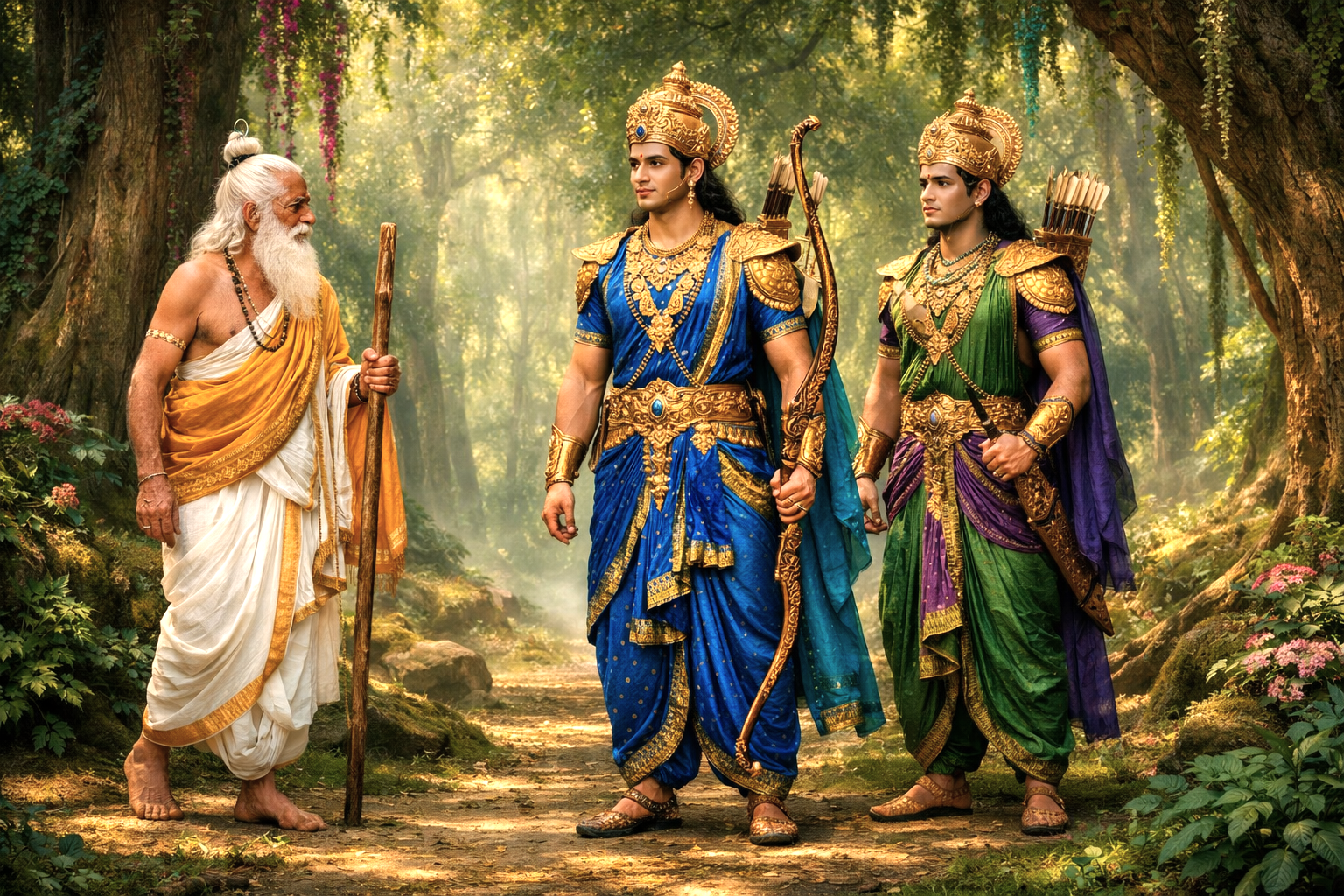
The turning point in Hanuman's life was his first encounter with Rama in the forest. While the exiled prince and Lakshmana searched for the kidnapped Sita, they met the mighty vanara. Initially suspicious, Hanuman disguised himself as a Brahmin. Upon hearing their story and recognizing Rama's divine nature, Hanuman was overwhelmed with devotion. He immediately surrendered to Rama, pledging his life and the entire vanara kingdom to the rescue mission. This meeting transformed Hanuman's power into a divine purpose.
The Master of Air, His Own Divine Vehicle
Unlike other gods who ride on celestial animals or birds, Hanuman requires no external vehicle. The concept of Hanuman flying through the air is central to his power. As the son of the Wind God, he has complete mastery over the element of air. He can travel at the speed of thought, traversing vast distances in an instant. He simply flies through the sky, propelled by his own immense strength and his father's grace. This makes him the ultimate divine messenger and a warrior who can appear wherever he is needed in the blink of an eye, unhindered by any earthly obstacle. Hanuman A Divine Being Emerges
The Great Leap Across the Ocean to Lanka
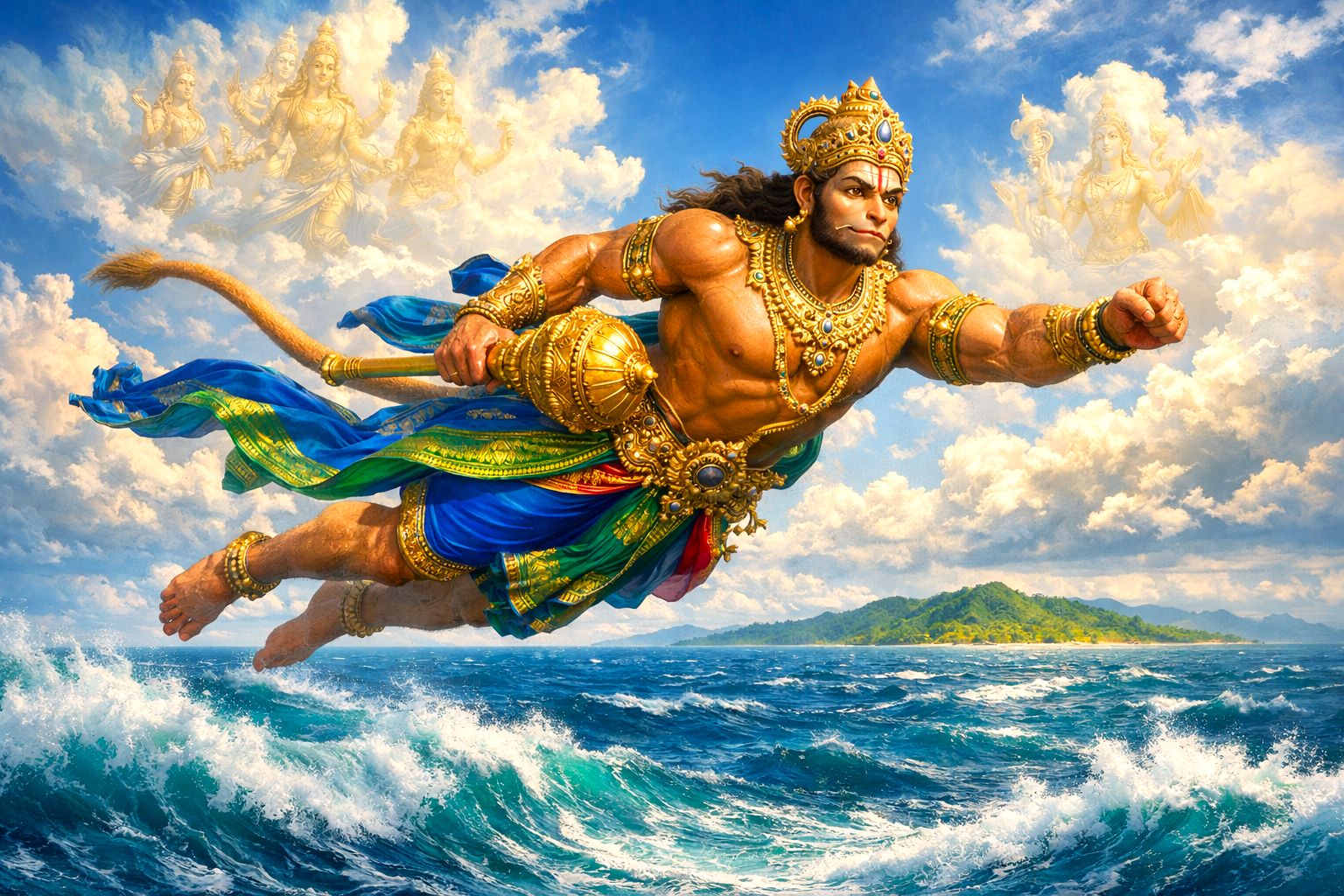
Hanuman's first major act in service to Rama was his legendary leap across the ocean to Lanka. As the vanara army stood helpless at India's southern shore, unable to cross the vast ocean, Hanuman alone possessed the power. Meditating on Rama's name, he expanded his form to colossal size and leaped skyward. He flew across the entire ocean, battling demons and overcoming obstacles, to land on Lanka's shores. This act of devotion demonstrated that strength finds its greatest expression in surrendered service to the divine.
The Boon of Immortality: One of the Chiranjeevis
After his childhood encounter with Indra's thunderbolt, the grieving Vayu withdrew the air from the world. To appease him, all the great gods assembled and showered the revived Hanuman with blessings. The boons granted to Hanuman by the gods made him one of the most powerful beings in creation. Brahma granted him a boon of invincibility from the Brahmastra and the ability to change his form at will. Most importantly, he was blessed to be a Chiranjeevi, one of the seven immortals who will live until the end of the current cosmic cycle. His 'death' is not a reality; he remains on Earth, unseen, as long as the name of Rama is chanted.
The Trail of Fire: The Burning of Lanka City
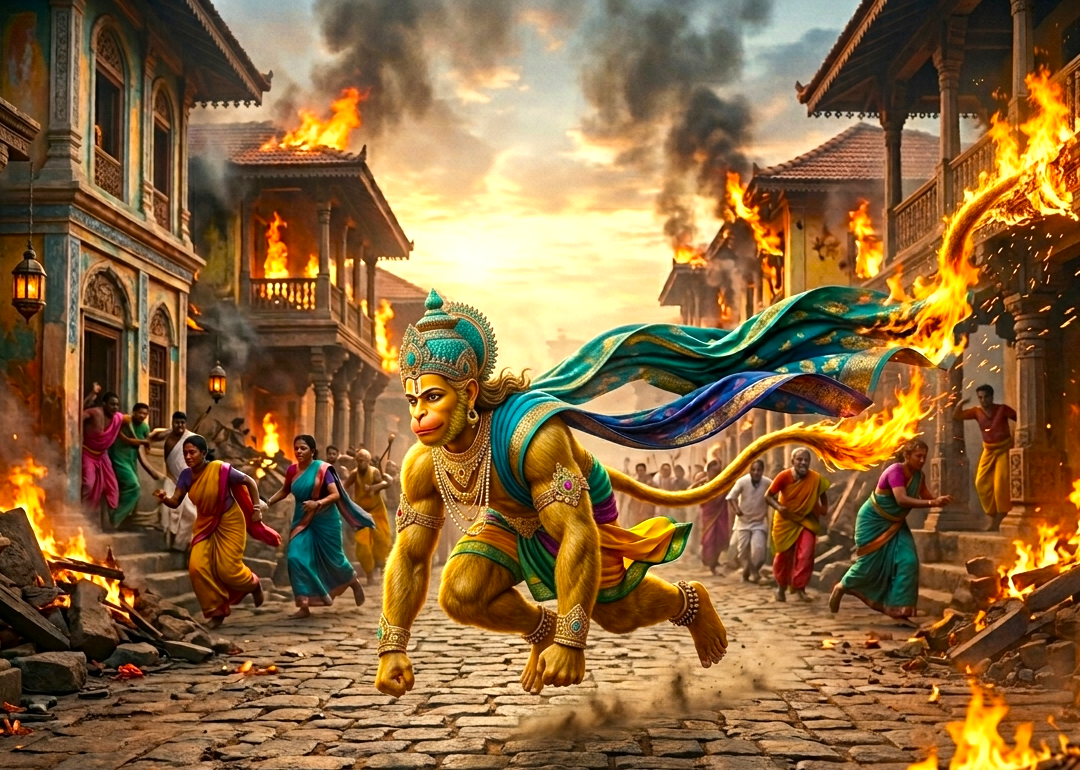
After successfully locating Sita in the Ashoka Grove in Lanka, Hanuman was captured by Ravana's forces. In an act of arrogance, Ravana's son, Indrajit, set Hanuman's tail on fire. The story of Hanuman burning the city of Lanka with his tail turned this insult into a devastating counter-attack. Using his divine powers, Hanuman shrunk his form to escape his bonds, then expanded again, and with his tail ablaze, he leaped from rooftop to rooftop across the golden city. He set fire to the entire capital, except for the grove where Sita was held, causing immense destruction and chaos, a fiery warning to the demon king of the power he was up against. Hanuman A Divine Being Emerges
A Message of Selfless Service and Unwavering Devotion
Hanuman's entire life is a message about the supreme power of selfless love. The empowering message from Hanuman about devotion (Bhakti) is that the path of Dasya Bhava, or servitude to the divine with a humble heart, is the most effective way to realize God. He teaches that true strength comes from surrendering one's power to a higher purpose. His life is the ultimate example of Karma Yoga, performing mighty deeds without any desire for personal gain, fame, or reward. His only motivation is the love he has for his master.
The Root and Heart Chakras of Power and Love
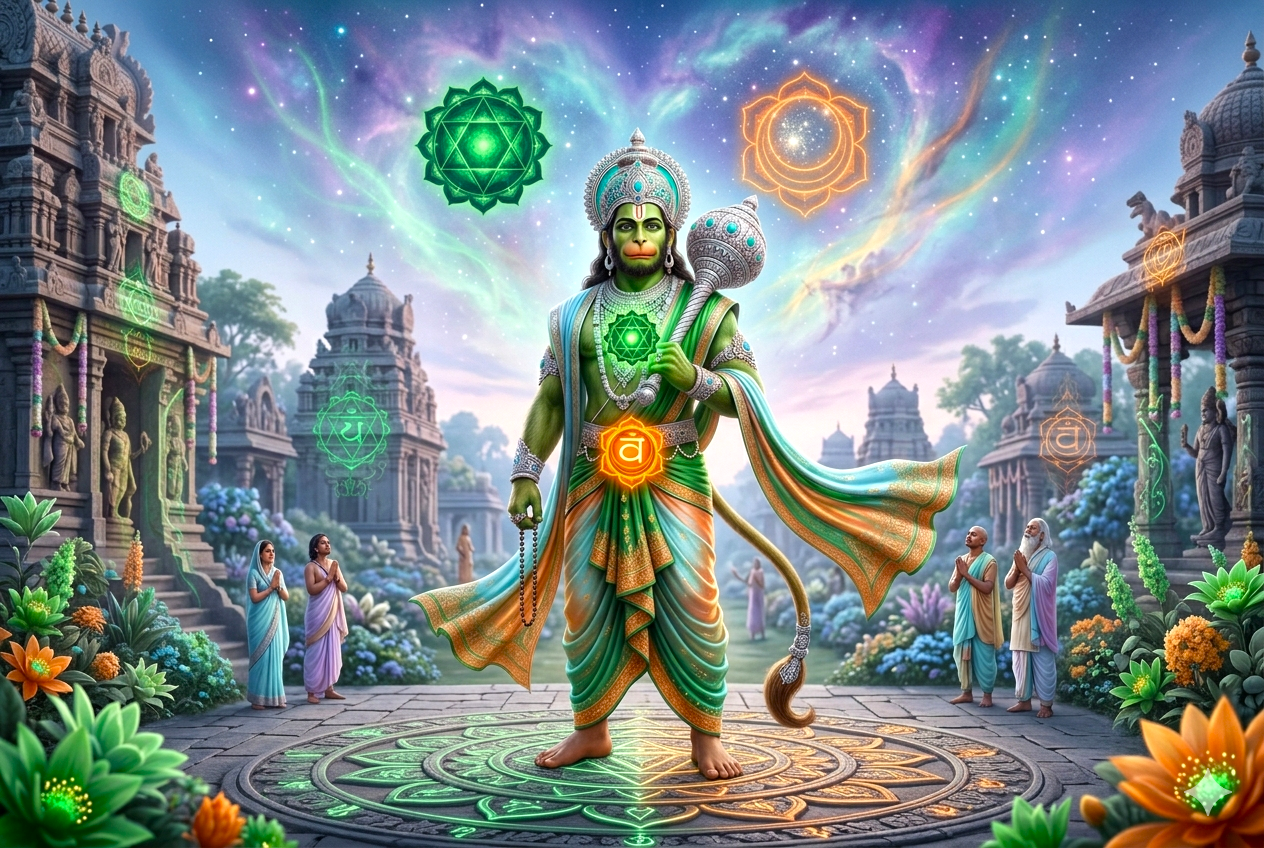
Hanuman's energy profile is a unique combination of immense physical power and boundless love. He is a master of the Muladhara (Root) Chakra, the center of physical strength, stability, and primal energy. This gives him his incredible physical prowess. At the same time, his entire being is activated by the Anahata (Heart) Chakra, the seat of unconditional love and devotion. The key frequency that Hanuman embodies is Prana, the vital life force, energized and directed by pure Bhakti. His aura is a blazing red-gold, representing both active power and divine, selfless love.
The Mountain of Life-Giving Herbs
During a fierce battle in the war, Rama's brother Lakshmana was struck by a powerful weapon and fell near death. The story of Hanuman carrying the Dronagiri mountain is a testament to his devotion and strength. The royal physician said that only the life-giving Sanjeevani herb, which grew on the Dronagiri mountain in the Himalayas, could save him. Hanuman flew to the mountain with incredible speed, but upon arriving, he could not identify the specific herb. Without wasting a moment, he used his colossal strength to lift the entire mountain and carry it back to the battlefield in Lanka, saving Lakshmana's life and demonstrating that for his master, nothing is impossible. Hanuman A Divine Being Emerges
The Chest That Holds the Divine
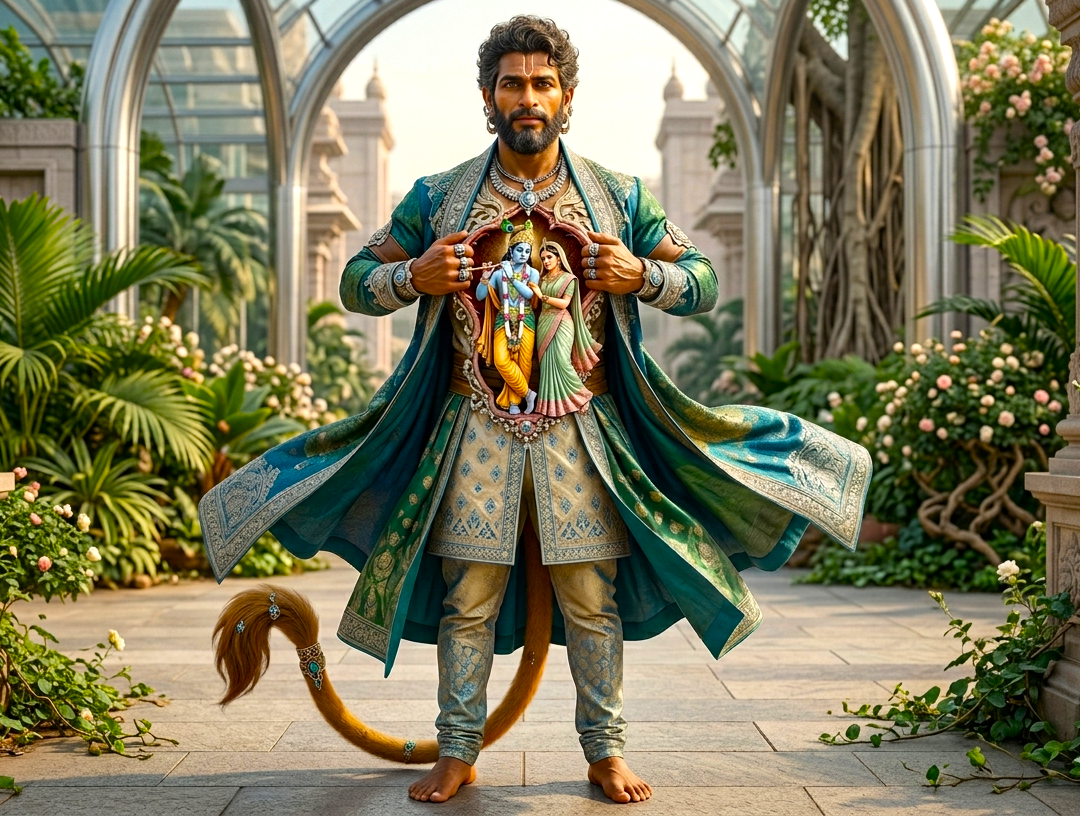
A beautiful story from after the war showcases the depth of his devotion. The story of Hanuman tearing open his chest to reveal Rama and Sita is the ultimate display of love. In the court, after the coronation, Sita was distributing gifts. She gave Hanuman a beautiful pearl necklace. Hanuman took the necklace, broke the pearls with his teeth, and looked inside them before discarding them. When questioned, he explained he was looking for Rama's name, as any object without Rama was useless to him. To prove his point, he then tore open his own chest with his claws, revealing a divine vision of Rama and Sita eternally seated in his heart.
The Five-Faced Panchamukhi Form
In some traditions, Hanuman is worshipped in a powerful, five-faced form. The meaning of the Panchamukhi Hanuman and his five faces is a potent esoteric symbol. This form is said to have been assumed to destroy a powerful demon during the war. The five faces are that of Hanuman (facing east, for courage), Garuda (facing west, to overcome black magic), Varaha (the boar, facing north, for prosperity), Narasimha (the man-lion, facing south, for victory over fear), and Hayagriva (the horse, facing upwards, for knowledge). This form represents his mastery over all directions and his command over various divine powers. Hanuman A Divine Being Emerges
Step Inside The Story - View All Tour Itineraries & Details

We’re here to offer genuine, thoughtful guidance if your interested in travelling to India. As a small, dedicated team, we pay close attention to every detail so you can focus on enjoying the experience while we take care of the planning. We believe the best trips begin when someone truly listens to what you want and how you like to travel, so the journey feels right for you and contributes to a happy, positive group on tour. Our communication stays clear, straightforward, and respectful at every step, with the goal of helping you feel understood, supported, and confident from first contact to the end of your journey.
Click Catherine Frith - About The Founder
Click Discover Life Travel - All Tours and More
Click Why We Are Different - Unique, Safe, Transparent