
Sunsets and Saffron Tour Kashmir India
Gulmarg Gondola: Kashmir
Mother Masala Tours
Above the World, Below the Stars
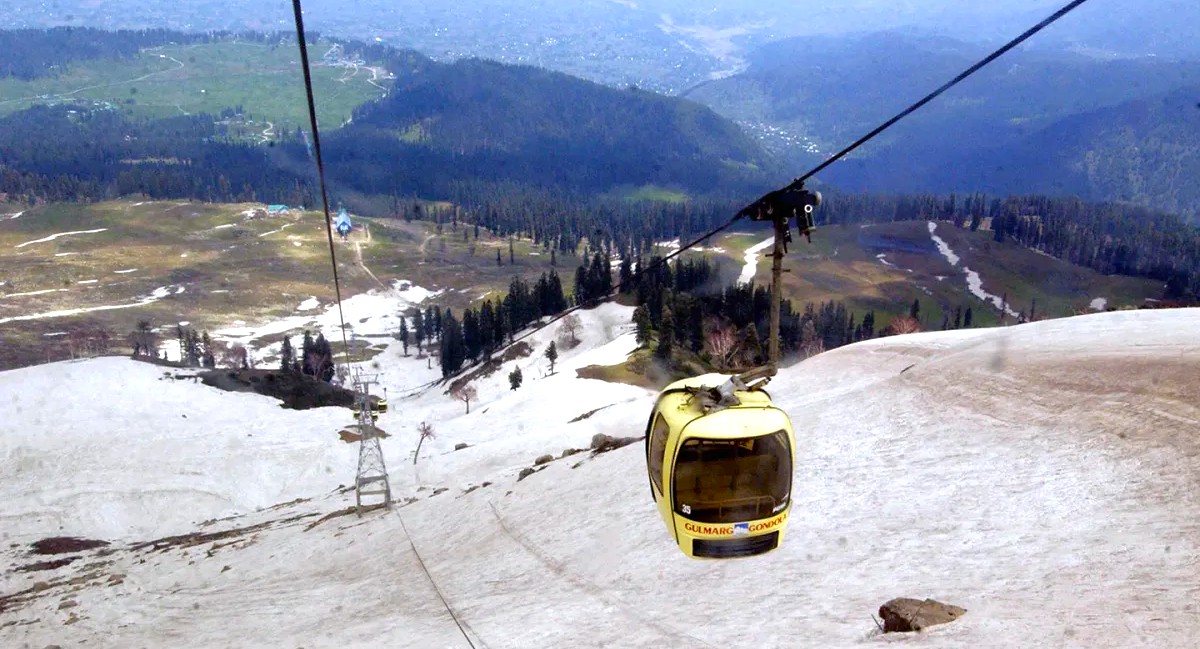
Step into the gondola at Gulmarg base station and begin your ascent. Pine forests spread below as we rise for nine minutes to Kongdoori Station. Here we pause and observe the landscape. In summer, alpine meadows and green slopes dominate. In winter, heavy snow blankets everything white. You re-board for the final twelve-minute climb to Apharwat Peak at thirteen thousand feet. Summer reveals bare rock and distant mountain ranges. Winter transforms it into a snowfield with pristine white peaks visible far away. At the peak, we grab hot coffee, tea, and warm snacks. You can walk on open terrain and take in expansive vistas. Gulmarg Gondola Kashmir.
Gulmarg Gondola - Kashmir: Ancient Mosaics
While you float, see the intricate stonework on the visible temples below. The artistry of the Shankaracharya Temple, with its early stone construction dating back centuries, reveals a sophisticated understanding of masonry. Though not mosaics in the tiled sense, the patterns of the carved stones on these old edifices create a similar effect. The skill of the unknown craftsmen who shaped these heavy blocks with such precision is a substantial part of the region's heritage, a testament to their refined techniques.
13,000-Foot Panorama - Himalya Peak Views
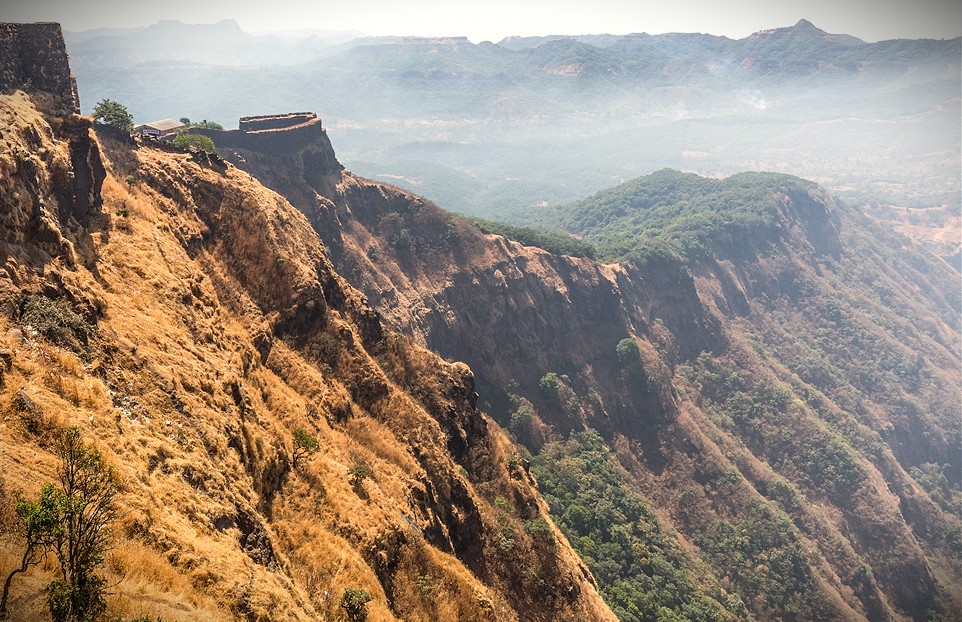
From our aerial position, we look down on a landscape filled with important historical objects. The ancient temples on the hills of Shankaracharya and Hari Parbat emerge as enduring artifacts. You can also see the layout of the Mughal gardens, like Shalimar Bagh today. It is a structured space designed in 1619 by Jahangir for his wife Nur Jahan. Their design preserves a clear vision of paradise on Earth for centuries. You will see how the terrain reflect the region’s dynasties, crafts, and enduring culture. Travel with curiosity, wonder and a quiet sense of profound Awe.
The Pulse of the Local Community
In the crisp, invigorating air of the summit, rustic vendor stalls offer a delightful culinary pause. Locals serve steaming plates of hot momos, fresh omelets, and buttered sweet corn. The experience is complete with a cup of aromatic, saffron-rich Kashmiri Kahwa, warming you gently as you admire the panoramic views. It is a simple, soulful snack experience - savoring fresh, hot flavors on the roof of the world. Gulmarg Gondola Kashmir.
Capturing the Magic: A Photographic Haven
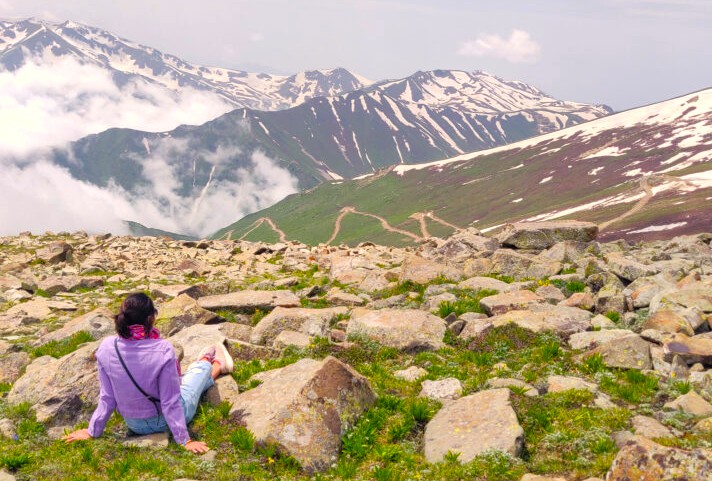
At Apharwat Peak, photography opportunities shift with the seasons. In summer, you capture alpine slopes, distant mountain ranges, and the valley below. Green meadows at Kongdoori create layered foreground interest as we shoot downward. In winter, pristine snowfields dominate every frame, with white peaks contrasting against clear blue skies. Photograph snow-covered terrain, frost-laden vegetation, and dramatic ridge formations. Changing light creates varied moods and shadows throughout the day. On clear days you can see Dal Lake in the distance.
Urban Legends: Strange Sightings, Myths and Mysteries
A local legend connected to the mountains visible from our balloon is that of the Naga, or serpent deities, believed to inhabit the springs and lakes of Kashmir. Ancient stories say these powerful beings could control the weather and water. It is told that the great sage Kashyapa drained the primordial lake that once filled the valley, making it habitable, but had to strike a deal with the Nagas who remained, a mystical explanation for the region's many springs. Gulmarg Gondola Kashmir.
The Connection With the Gods
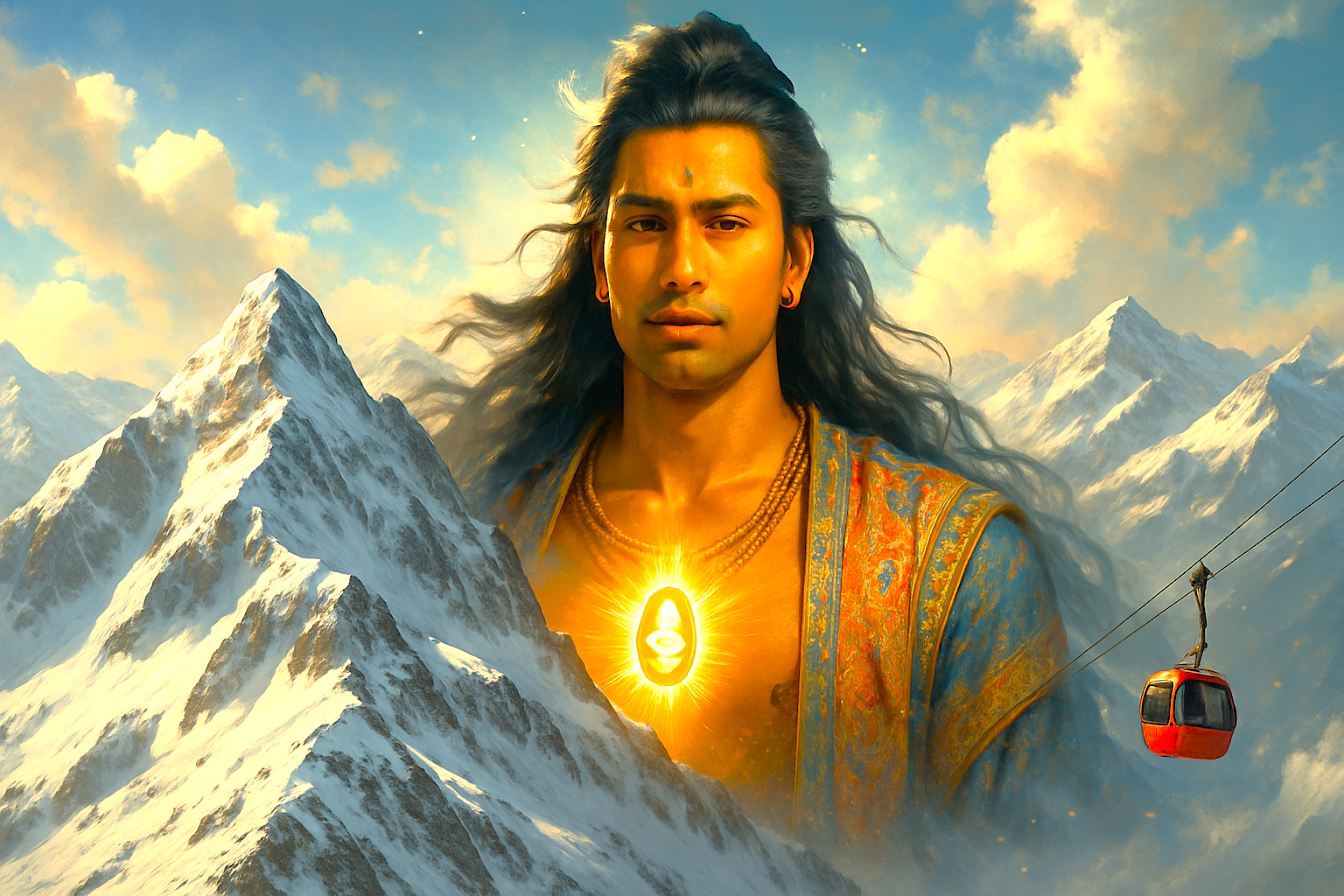
The hills visible from above hold historical significance tied to local beliefs and stories. Shankaracharya Hill is associated with Shiva and the philosopher Adi Shankara, who reportedly meditated at this location. Hari Parbat hill contains a temple dedicated to the Goddess Sharika, a form of Durga. The same hill also houses a mosque and a gurdwara, showing how multiple faiths share this elevated ground together. Over centuries, people have viewed these high places as important landmarks on the landscape, marking the geography and identity of the region.
Let Freedom Free - Join us
This is your chance to see the city's layout, the winding Jhelum River, and the expanse of Dal Lake from a peaceful, suspended position. You will be immersed in the quiet grandeur of the Himalayas and the unique geography of the Vale of Kashmir. You are invited to be part of this incredible experience, seeing the world from a completely new and mesmerizing perspective with us.
Symphony of Generosity: Offerings from Wanderers to Residents
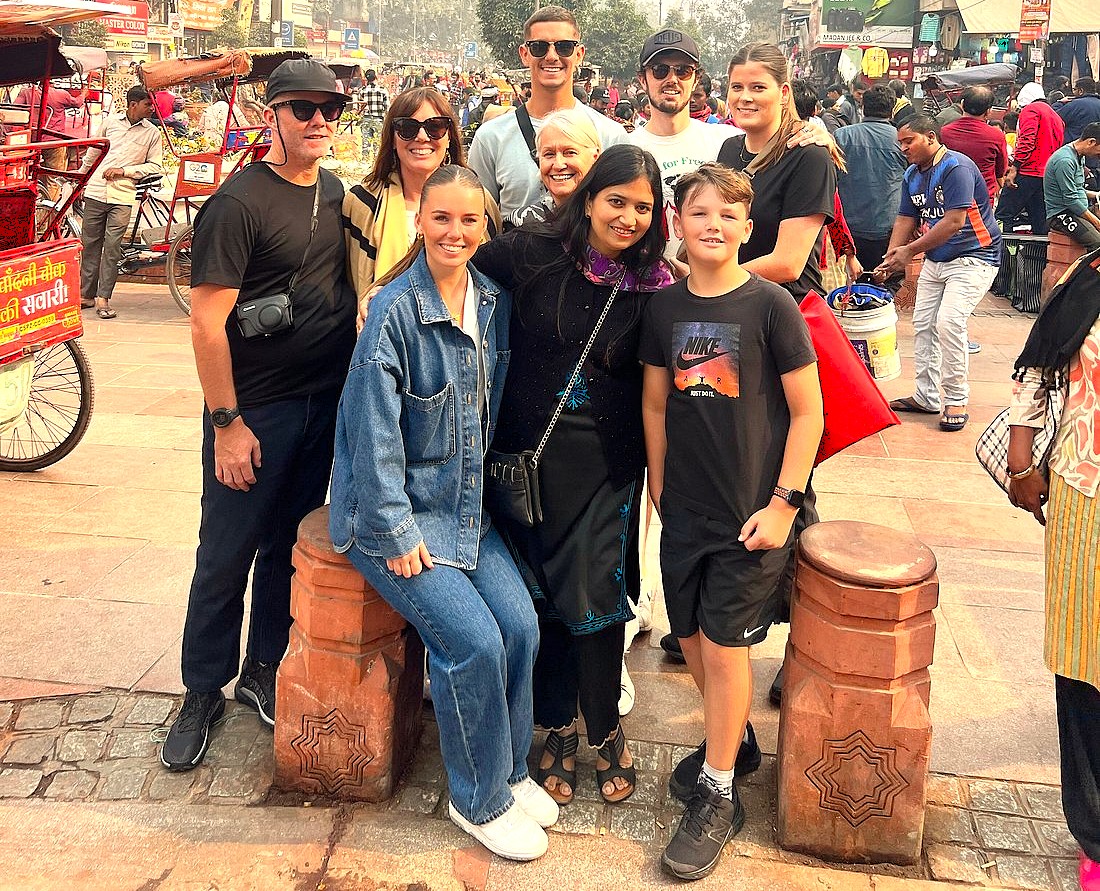
When you participate in activities like the Gondola ride, you become part of a direct economic exchange with local operators. Payment supports the cable car staff, ground crew, and nearby businesses that depend on tourism. In return, we receive a safe, well-organized experience with clear pricing and reliable service. You gain access to remarkable views and authentic mountain experiences we could not have alone. The exchange is simple and honest, with no pretense. Money flows to local hands, jobs remain stable, and we travel with confidence knowing our spending directly supports real people in the region today.
Step Inside The Story - View All Tour Itineraries & Details

We’re here to offer genuine, thoughtful guidance if your interested in travelling to India. As a small, dedicated team, we pay close attention to every detail so you can focus on enjoying the experience while we take care of the planning. We believe the best trips begin when someone truly listens to what you want and how you like to travel, so the journey feels right for you and contributes to a happy, positive group on tour. Our communication stays clear, straightforward, and respectful at every step, with the goal of helping you feel understood, supported, and confident from first contact to the end of your journey.
Click Catherine Frith - About The Founder
Click Discover Life Travel - All Tours and More
Click Why We Are Different - Unique, Safe, Transparent