A Unique Look Into Indian History
Gonanda Dynasty: Kashmir
Discover Life Travel
Origins Amid the Mists
Before the age of kings chronicled by Kalhana, the valley of Kashmir was a land of myth, believed to have been a vast lake, Satisar, drained by the sage Kashyapa. Early inhabitants were likely Naga tribes, nature worshippers who held serpents and springs sacred. There are no grand palaces or cities from this primordial era, only the enduring landscape itself and folk traditions that whisper of a time before organized rule. The archaeology of pre-Mauryan Kashmir is sparse and enigmatic, pointing to scattered Neolithic settlements like Burzahom, where people lived in pit-dwellings, a society deeply connected to the earth, awaiting the arrival of its first recorded monarch. Gonanda Dynasty Kashmir

Gonanda Dynasty Kashmir: A King Allied with Jarasandha
.According to the 12th-century chronicle, the Rajatarangini, the Gonanda Dynasty begins with Gonanda I, the first named king of Kashmir. He was a contemporary of the Mahabharata heroes and a relative and staunch ally of Jarasandha, the powerful king of Magadha. When Jarasandha besieged Krishna's city of Mathura, Gonanda I led his Kashmiri forces in support. This alliance placed him in direct opposition to the Pandavas and Krishna, setting the stage for a conflict that would define the legendary origins of the Gonanda dynasty and seal his own fate far from his Himalayan home.
The Monarch's Sacred Duty
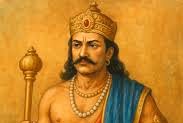
The daily life of a king like Gonanda I, as imagined in epic tradition, would have been centered on upholding Dharma. Mornings would begin with Vedic rituals and prayers for the prosperity of his kingdom. He would then hold court, listening to the petitions of his subjects and dispensing justice based on sacred laws and customs. Afternoons were likely dedicated to matters of state, consulting with ministers and planning the defense of his valley kingdom. The role of an ancient Kashmiri king was to be a protector, a judge, and a spiritual guardian for his people. Gonanda Dynasty Kashmir
Life in the Shadow of the Himalayas
For the common people, life was governed by the dramatic seasons of the Kashmir valley. Society was agrarian, with communities cultivating rice in the fertile plains and herding livestock in the high meadows. The daily routine of civilians in ancient Kashmir revolved around farming, weaving fine wool, and worshipping local nature deities (Nagas) and early Vedic gods. Villages were likely close-knit communities, governed by headmen, their existence a blend of hard work and a deep spiritual reverence for the sacred mountains, springs, and rivers that surrounded them.
Feasting on the Valley's Bounty
The royal kitchen of a legendary king would have celebrated the unique produce of the valley. Rice was the staple, accompanied by local vegetables, fruits like apples and apricots, and dairy products from mountain herds. The traditional diet of ancient Kashmiri people also likely included fish from the pristine rivers and lakes. While details are scarce, one can imagine feasts featuring tender meats, fragrant rice, and the precious, prized spice that would one day make the region famous: saffron. The cuisine was a direct reflection of the valley's natural abundance, a gift from the Himalayas. Gonanda Dynasty Kashmir
Justice According to the Ancients
The laws of this epic era, as depicted in the chronicles, would have been based on the Dharmasastras, the ancient codes of righteous conduct. Justice was swift and direct, with the king serving as the ultimate authority. Punishments were designed to maintain social order and were often severe by modern standards. For a crime like challenging a king's authority or causing sacrilege, the consequences could be dire. The concept of Dharma in the Gonanda kingdom's legal system was paramount, a sacred principle that even the king was bound to uphold for the stability of his realm.
The Serpent Gods of the Springs
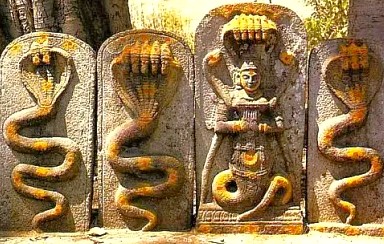
Before the widespread adoption of Shaivism and Buddhism, the spiritual landscape of Kashmir was dominated by the worship of Nagas. These serpent deities were believed to be powerful guardians of the valley's springs, lakes, and treasures. Every spring had its resident Naga, who had to be propitiated with offerings to ensure clean water and prevent natural calamities. The prevalence of Naga worship in ancient Kashmir was a fundamental aspect of life, a deep-rooted indigenous faith that would later be synthesized with the great Indic religions that followed.
Rituals of the Solstices
While grand processions awaited a later age, the festivals of the Gonanda period would have been tied to the seasons and celestial events. The solstices and equinoxes would have been marked by fire rituals (yajnas) and community gatherings. There were likely festivals to celebrate the harvest, the sowing of seeds, and to honor the Naga deities of the local springs. These early seasonal and religious festivals of ancient Kashmir were essential for community bonding and for reaffirming humanity's connection to the divine forces that governed the dramatic, beautiful, and often harsh environment of the valley.
The Epic Reciter's Stage
Entertainment in this legendary age was not found in grand theaters but in the power of the spoken word. The royal court would have been a stage for bards and epic reciters who narrated the thrilling tales of gods and heroes, including the burgeoning stories that would form the Mahabharata. Music from stringed instruments and drums would have accompanied these recitations. For the common people, folk songs, dances, and storytelling passed down through generations provided both entertainment and a connection to their oral traditions and cultural heritage in primordial Kashmir. Gonanda Dynasty Kashmir
A Fateful Battle for an Ally
The resilience of the first Gonanda king was tested on the plains of India, not in his home valley. Answering the call of his ally Jarasandha, Gonanda I laid siege to Krishna's city. In the ensuing battle, he fought fiercely but was ultimately slain by Krishna's brother, Balarama. The death of Gonanda I in the Mahabharata war is a pivotal moment in Kashmir's chronicle, linking the remote Himalayan kingdom directly to the central epic of India and setting in motion a quest for vengeance that would define the reign of his son.
A Queen's Regency, A Son's Vow
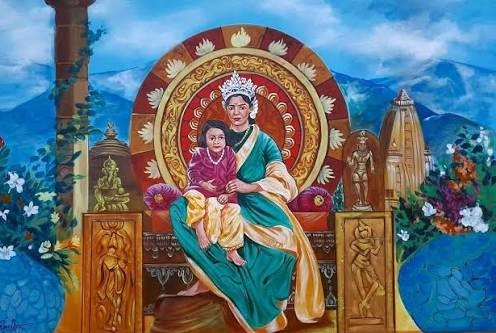
Following Gonanda I's death, his son, Damodara I, was consumed by a desire for revenge against Krishna. While he plotted his campaign, his mother, Queen Yasovati, acted as a wise regent, ensuring the stability of the kingdom. The role of Queen Yasovati as a regent in Kashmiri history is a significant, if brief, mention of female leadership. Damodara's reign was singular in its focus: he marshaled his forces, waiting for the opportune moment to avenge his father's death and restore the honor of his dynasty. Gonanda Dynasty Kashmir
Artistry of the First Weavers
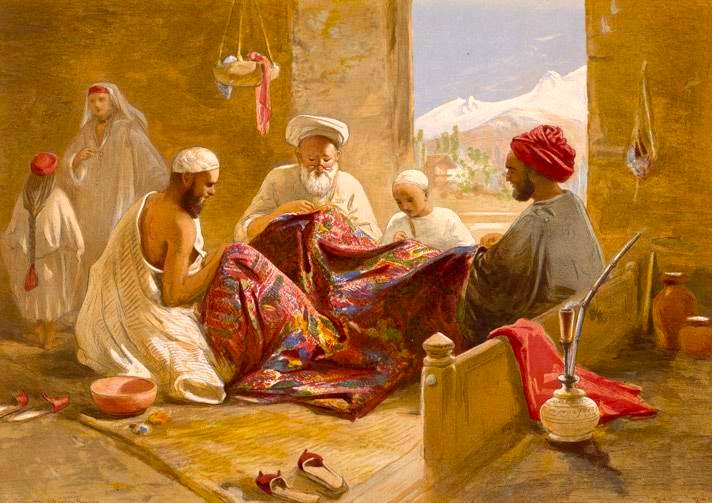
The tangible art of this early period was practical and beautiful. The people of Kashmir were already renowned for their skill in weaving wool. The creation of warm shawls and blankets was not just a craft but a vital survival skill. While the intricate pashmina was a later development, the foundations of Kashmir's famous textile industry were laid in this ancient era. Early pottery, simple wooden carvings, and the construction of basic shrines to the Naga deities would have constituted the primary artistic expressions of the time, born from necessity and devotion.
The Final Journey by Fire
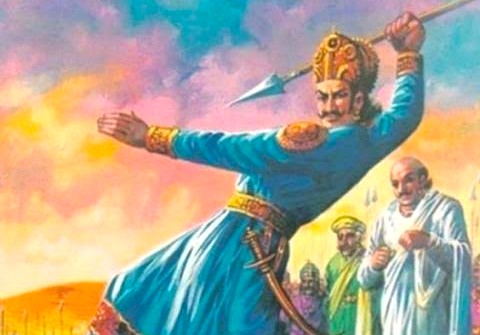
The funeral rites for a king like Gonanda I, slain on a distant battlefield, would have been performed there according to warrior tradition. For those who died in the valley, cremation was the customary practice, following Vedic prescriptions. The body was consigned to the fire, a ritual to release the soul from its earthly vessel. The ancient cremation ceremonies of the Kashmiri people were solemn affairs, followed by rituals to honor the departed spirit and ensure its peaceful transition, a practice that underscored the belief in a cyclical existence of life, death, and rebirth. Gonanda Dynasty Kashmir
Healing with Mountain Herbs
In the absence of formal medical institutions, health and healing were in the hands of local practitioners who drew their knowledge from the valley's abundant flora. The use of Himalayan herbal remedies in ancient Kashmir was the primary form of medicine. Physicians, or "Bhisaj," would have used plants and minerals to treat ailments, their knowledge a blend of empirical observation and sacred tradition passed down through generations. This was a holistic approach, focused on restoring balance to the body in harmony with the natural world.
The Untamed Rivers of Kashyapa

In this legendary era, the landscape was not yet engineered with canals and aqueducts. The people lived by the grace of the great rivers like the Vitasta (Jhelum) and the springs protected by the Nagas. The dependence on natural water sources in the Gonanda kingdom was absolute. Settlements were built near rivers, and irrigation, if practiced, would have been small-scale and localized. The rivers were sacred highways and life-givers, their untamed power both a blessing and a potential threat, central to the life and mythology of the valley.
An Interruption by the Pandavas
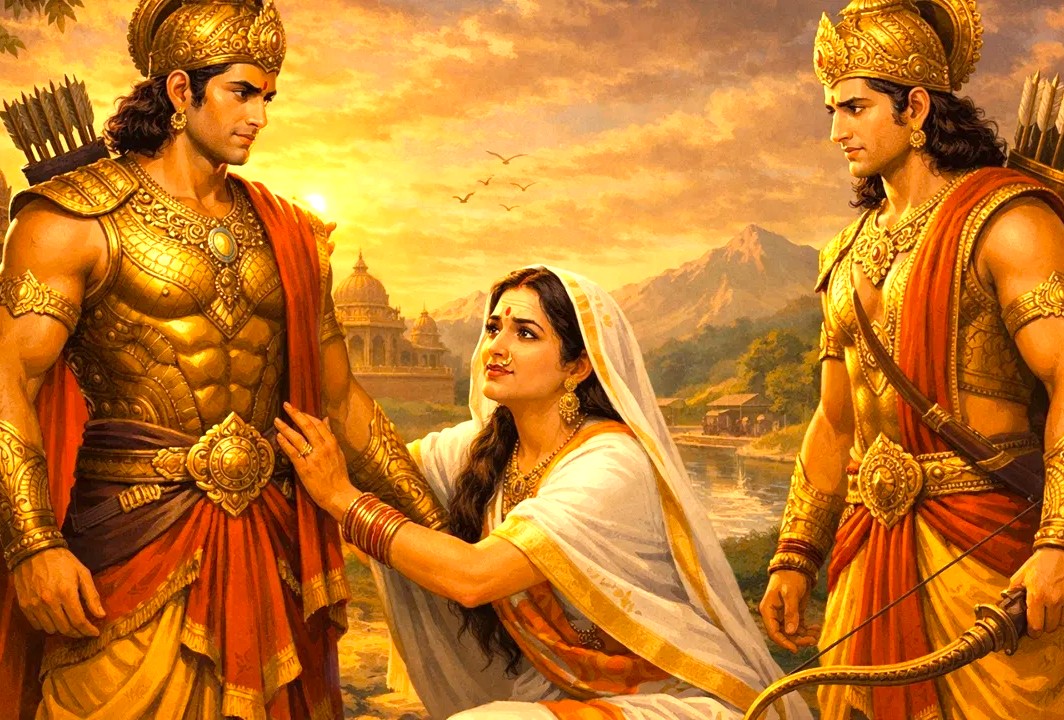
King Damodara I finally got his chance for revenge when Krishna attended a Svayamvara (bride-choice ceremony) in neighbouring Gandhara. Damodara attacked, but he too was slain by Krishna. In a remarkable act of statesmanship, Krishna, seeing the kingdom was without a male heir, had Damodara's pregnant widow, Yasovati, crowned as queen. The installation of Queen Yasovati as ruler of Kashmir by Krishna is a legendary event. Her unborn son was also consecrated as king in her womb, but the Gonanda line was briefly interrupted as the throne was later given to a relative of the Pandavas, marking a temporary shift in the valley's destiny. Gonanda Dynasty Kashmir
Step Inside The Story - View All Tour Itineraries & Details

We’re here to offer genuine, thoughtful guidance if your interested in travelling to India. As a small, dedicated team, we pay close attention to every detail so you can focus on enjoying the experience while we take care of the planning. We believe the best trips begin when someone truly listens to what you want and how you like to travel, so the journey feels right for you and contributes to a happy, positive group on tour. Our communication stays clear, straightforward, and respectful at every step, with the goal of helping you feel understood, supported, and confident from first contact to the end of your journey.
Click Catherine Frith - About The Founder
Click Discover Life Travel - All Tours and More
Click Why We Are Different - Unique, Safe, Transparent