Unique Insights Into The Yugas Of India
Dvapara Yuga: India
Discover Life Travel
Bronze Age India: Indus Cities - 864,000 years
Back when copper and tin first met to create bronze, a massive civilization was already taking root along the Indus River. This ancient "Sindhu" river gave India its name, morphing from the Greek Indus to the Persian Hind. The heart of this world beat across the plains of modern-day Pakistan and Northwest India, from the deserts of Rajasthan to the coasts of Gujarat. It didn't start with cities, though; it began with early farmers in Balochistan nearly 9,000 years ago. Today, over 1.2 billion people walk the same ground where these Bronze Age pioneers once built their lives. Dvapara Yuga India
Dvapara Yuga India: Before Dynasties
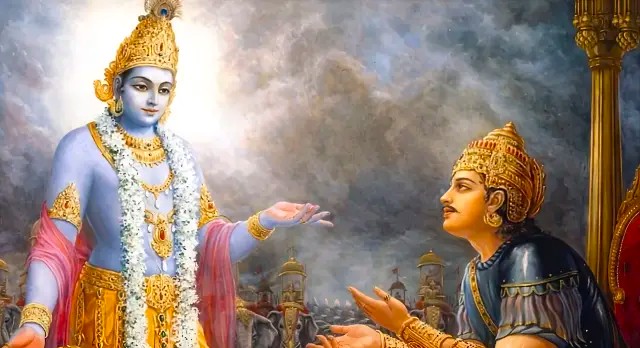
Long before written dynastic lists, people at Mehrgarh (in present-day Balochistan) practiced early farming and herding, with levels dated broadly from about 7000 BCE onward. Archaeology shows mud-brick houses, storage areas, crafted beads, and burials that let us see how community life formed without palaces or kings we can name. Over millennia, these village traditions spread and diversified across the northwest. You can track a shift from small settlements to wider networks of exchange in the fourth and third millennia BCE. This is the pre-history base that later fed city life along the Indus system. Named individuals from this era are not preserved, so the story is told through objects, layers, and landscapes rather than biographies.
Copper, Tin, and Workshop Streets
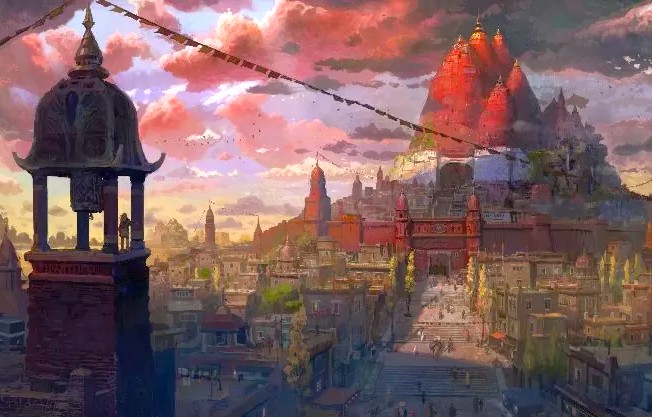
Bronze working required copper, tin, fuel, and skilled hands. Copper sources were used in regions including Rajasthan (such as the Khetri belt), while tin likely came through long-distance exchange, because local tin is scarce in many Indus zones. In towns of the third millennium BCE, craft activity included bead drilling in carnelian, shell working, pottery firing, and metal casting. Standardized weights and measures appear across many sites, suggesting shared rules for trade and production. You will also see baked brick used widely in mature urban phases, supporting drains, wells, and platforms. No “royal palace” is firmly identified; instead, evidence points to many workshops and households shaping a steady, organized economic life. Dvapara Yuga India
City Life at Harappa and Mohenjo-daro
Harappa (in Punjab, Pakistan) and Mohenjo-daro (in Sindh, Pakistan) are two best-known urban centers of this period, with major growth around 2600 BCE. Their town planning often shows a higher “citadel” zone and a lower residential zone, with streets laid out in regular grids in many areas. The Great Bath at Mohenjo-daro is commonly dated to the mature urban phase, roughly 2600–1900 BCE, built with baked brick and careful waterproofing. Wells and drains appear frequently, indicating attention to water and sanitation at a household level. Daily life for locals included grain processing, craft labor, trade, and household ritual. Elite power is implied by large buildings and control of storage, yet named rulers, queens, or children are not securely known.
Dholavira’s Reservoir-Built Settlement
Dholavira sits on Khadir Island in the Rann of Kutch, Gujarat, a setting with scarce fresh water and extreme seasonality. Its planning shows a strong focus on water management: reservoirs, channels, and dams were built to capture monsoon runoff and store it for dry months. These systems were created and expanded across the settlement’s occupational phases, with major works linked to the mature urban period in the third and second millennia BCE. This is a place where “construction” is written into the landscape itself, not just into walls. It also produced a famous signboard with large symbols, part of the still-undeciphered script. Royal life is not documented as a palace routine; instead, authority is inferred from the scale of public works and the organization needed to maintain them.
Sea Links, Land Routes, and Trade Partners
Indus communities traded far beyond the river plains. Archaeology connects them to Mesopotamian records that mention a place called Meluhha, commonly linked by scholars to the Indus region, and to exchange networks through Dilmun (often associated with Bahrain) and Magan (often linked with Oman). Goods moved by sea along the Arabian Sea coast and by land through passes such as Bolan, tying the plains to highland regions. Carnelian beads, shell items, metals, and timber are part of this story, along with standardized weights that helped transactions. These routes were not “Dynasty highways” controlled by named kings; they were networks of merchants, sailors, and craftsmen. The result was a broad commercial world that shaped food supply, craft output, and city stability. Dvapara Yuga India
Women, Marriage, and Household Power
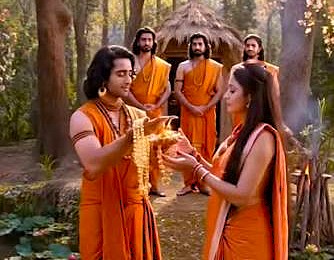
Evidence for women’s lives comes from homes, burials, figurines, and craft remains, not from readable personal texts. Figurines often depict women with ornaments, and burials sometimes include jewelry, suggesting social value placed on adornment and identity. Marriage customs are not recorded directly; we can only say households were central units of work and care, with cooking, storage, textile work, and child-rearing happening inside domestic spaces. Some homes are larger and better built than others, pointing to status differences, yet this is not the same as a documented royal family. It is safer to describe “elite households” than kings and queens. In many settlements, women likely played major roles in maintaining food stores, managing household production, and passing skills across generations.
Conflict, Battles, and the Limits of Evidence
A “battle chronicle” in the strict sense does not survive from the Indus world because the script is undeciphered and no battle narratives are readable. Some settlements have walls and controlled entrances, which can be read as defense, flood control, or both. Weapons exist, but they do not automatically prove frequent warfare. Archaeologists debate causes for urban contraction after about 1900 BCE, including shifting rivers, changing trade, and local ecological stress, but no single decisive battle outcome is documented the way later dynastic inscriptions record victories. The honest story here includes gaps: you can describe what is built, what is buried, and what is traded, but you cannot name generals or list campaigns from verified texts for this period.
From First Dynasties to Today
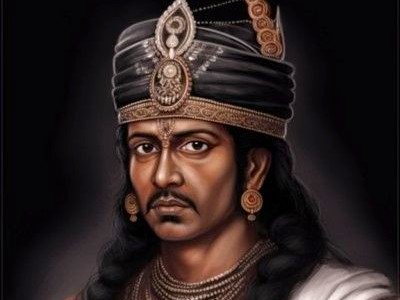
After the urban phase waned, regional cultures continued through the second and first millennia BCE, and later early state formations appear in the first millennium BCE. The Maurya Dynasty is often treated as the first large, well-documented ruling house across much of the subcontinent, founded by Chandragupta Maurya (reigned c. 322–298 BCE), followed by his son Bindusara and grandson Ashoka. Ashoka’s family is discussed in later sources, including queens such as Asandhimitra and Devi, and children Mahinda and Sanghamitta in Sri Lankan tradition. Battles become clearly recorded later; Ashoka’s Kalinga War is commonly dated to about 261 BCE. From there, many later dynasties followed, and India’s 2011 Census recorded 1,210,854,977 people living in the same broad region where Bronze Age towns once stood. Dvapara Yuga India
Step Inside The Story - View All Tour Itineraries & Details
We’re here to offer genuine, thoughtful guidance if your interested in travelling to India. As a small, dedicated team, we pay close attention to every detail so you can focus on enjoying the experience while we take care of the planning. We believe the best trips begin when someone truly listens to what you want and how you like to travel, so the journey feels right for you and contributes to a happy, positive group on tour. Our communication stays clear, straightforward, and respectful at every step, with the goal of helping you feel understood, supported, and confident from first contact to the end of your journey.
Click Catherine Frith - About The Founder
Click Discover Life Travel - All Tours and More
Click Why We Are Different - Unique, Safe, Transparent