
Sunsets and Saffron Tour Kashmir India
Dal Gate: Srinagar, Kashmir
Mother Masala Tours
Drift Through Liquid History
The Gate is a primary gateway to Kashmir's spiritual heart, located on the shores of Dal Lake. This important site has witnessed centuries of transformation, connecting generations of worshippers and seekers. We invite you to participate in its deep meaning, from ancient religious history to its role in modern community life. You will see how it remains a living bridge between past and present, where tradition and daily reality meet, having endured through multiple dynasties for five centuries. Dal Gate Srinagar Kashmir.
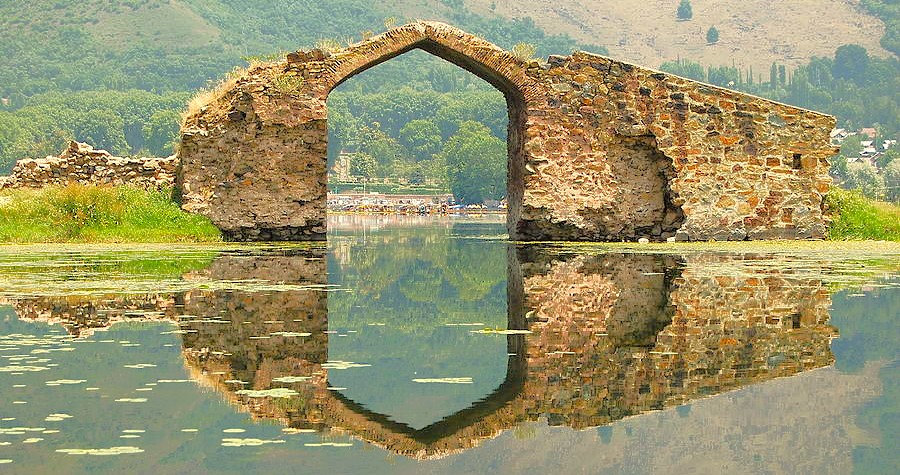
Dal Gate Srinagar Kashmir: Sacred Spaces
Step into Dalgate, the gateway to the heart of Srinagar, where your adventure begins. Fuel your exploration at the rustic wayside bakeries in Lal Chowk, savouring local flavors before heading to the breath-taking Dal Lake. Here, you can trace pathways lined with ancient stone carvings, their surfaces smoothed by the touch of countless hands over centuries. The skilled craftsmanship of past dynasties is on full display, revealing a world where every element, from doorways to intricate panels, served both practical and sacred purposes, offering a direct connection to the soul of Kashmir's history.
Ancient Mosaics: Impeccable Craftsmanship
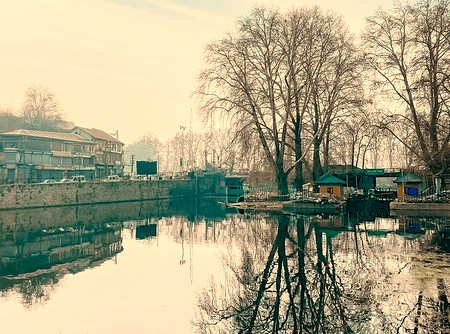
Walking through this area allows us to observe intricate patterns made with great precision. You can see how artisans used local stone and tile to create designs that remain intact today. The geometric arrangements often follow mathematical principles which are tied to cosmological beliefs of the time. It is possible to identify multiple periods of restoration work on the site, with each era adding another layer to the overall composition. Looking at these designs gives us an understanding of how craftspeople from different periods solved their aesthetic and technical challenges.
The Pulse of the Local Community
The Gate functions as a vital gathering place where locals conduct daily observances, family ceremonies, and seasonal celebrations. The rhythms of community life create a living atmosphere distinct from tourist spaces. The site adapts to accommodate thousands during major festivals while maintaining intimate spaces for personal devotion. You'll observe multigenerational families returning, their presence anchoring continuity. The local economy depends on respectful engagement. Understanding this relationship deepens your appreciation for its importance to Srinagar's residents. Dal Gate Srinagar Kashmir.
Capturing the Magic: A Photographic Haven
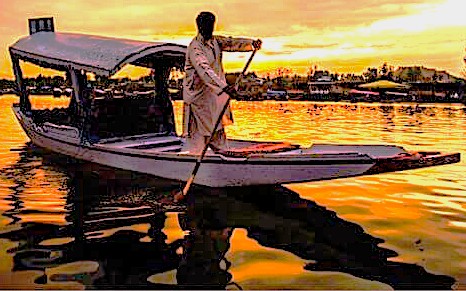
This location presents compelling compositions formed by structural elements, water reflections, and changing light. The interplay between morning mist from the lake and golden surfaces creates an ever-shifting palette. We recommend visiting during different seasons to witness how weather transforms the visual experience. Early morning and late afternoon light reveal details invisible during midday. The site's relationship with the mountains provides dramatic natural framing, also focus on capturing authentic moments of community interaction.
A Culinary Journey: Savor the Flavour
The food traditions here reflect centuries of cultural synthesis. Local cuisine features preparations using saffron, walnut, and dried fruits - ingredients historically traded through this region. We encourage you to sample wazwan, the elaborate feast prepared for celebrations, showing how food serves as cultural memory. You'll discover vegetarian dishes for temple offerings have influenced everyday cooking. Small tea houses nearby serve traditional kahwa, a spiced tea. Each meal tells a story of resources and spiritual practices.
Festivals of Devotion: Honouring the Sacred and the Divine
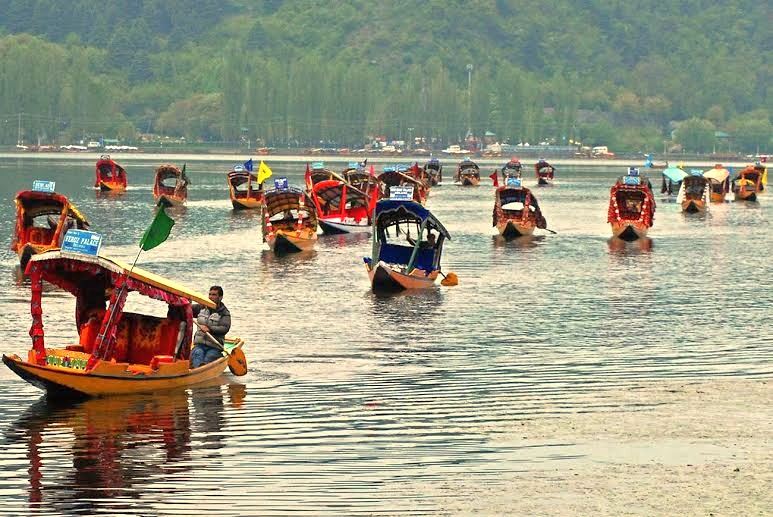
Throughout the year, this area hosts celebrations tied to lunar cycles and seasons. Major events like the Ganesh festival draw thousands of people for rituals and communal meals. You can also see exciting shikara boat races on the Dal lake during some festive times. These traditions can be traced back through documented records and local oral histories passed down through families. Each celebration follows specific protocols regarding its timing and the types of offerings made. The preparation period reveals how the locals coordinate resources across generations.
Resilience and Renewal: Overcoming Adversity’s Challenges
Throughout its history, this location has endured earthquakes, floods, and periods of political instability. We witness how community dedication has repeatedly restored damaged structures while maintaining original design integrity. You'll see repairs using matching materials and traditional techniques preserving historical authenticity. The site's survival reflects not just physical durability but a cultural determination to maintain spiritual continuity. This resilience deepens respect for the community's ongoing stewardship through many difficult challenges over the centuries. Dal Gate Srinagar Kashmir.
The Connection With the Gods
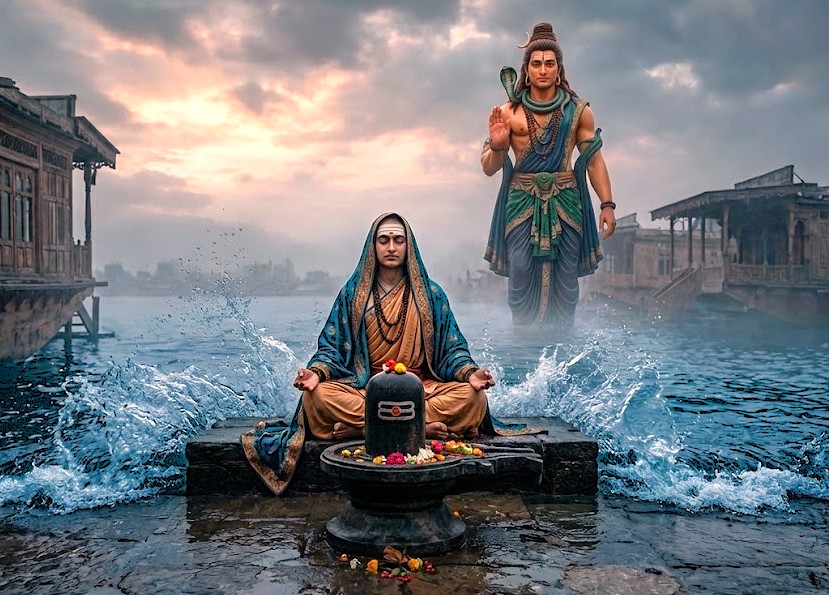
Inside the temple's inner sanctum, the central point of focus is a large Shiva Lingam made of stone. The worship practices are traditional. Devotees perform darshan, which is the act of viewing the sacred object. They make offerings which typically include flowers, water, milk, and bilva leaves, a plant considered sacred to Lord Shiva. Chanting of mantras, particularly "Om Namah Shivaya," is a common practice within the temple grounds. While daily prayers occur, the most important event is the annual festival of Maha Shivaratri.
Urban Legends: Strange Sightings, Myths and Mysteries
Local folklore preserves stories of unusual occurrences and inexplicable phenomena reported at Dal Gate across generations. We acknowledge these narratives hold cultural significance regardless of literal verification. You'll hear accounts of celestial lights, unexplained music, and encounters with spiritual entities described consistently. These stories often contain embedded wisdom about ethical behavior and respect for sacred spaces. Rather than dismissing them, we can appreciate how they function within the community’s systems of meaning and cultural identity. Dal Gate Srinagar Kashmir.
Serendipitous Meetings: Beyond the Main Path
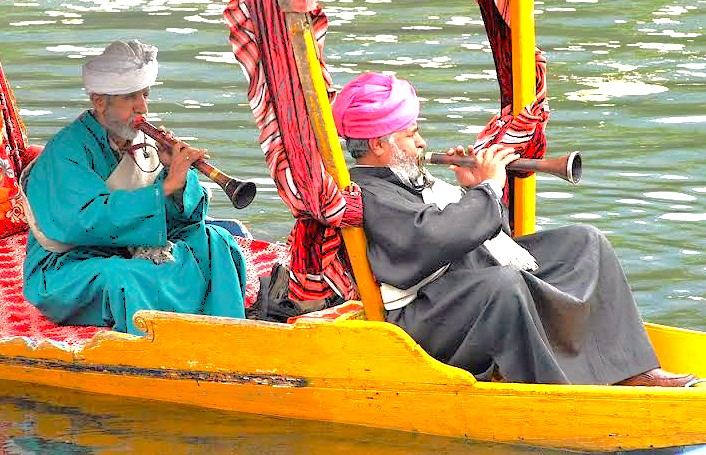
Exploring beyond the primary gates reveals smaller shrines and gathering spaces where authentic encounters happen naturally. We encourage wandering side pathways to meet local practitioners engaged in personal devotions or sharing tea. You'll find quieter spaces overlooking the lake where different spiritual practices coexist peacefully. These areas often feature stories and histories less known to casual observers. Stepping off main routes frequently leads to conversations with residents, creating the most meaningful travel memories.
There's No Time Like Now - Discover the Magic, Join Us
Your journey to Dal Gate offers an opportunity to step outside routine perception. We invite you to approach this place with an openness to experiences that challenge conventional frameworks. You'll find that prolonged attention to details like light patterns, water sounds, and community interactions reveals dimensions typically overlooked. We encourage you to sit quietly without an agenda, allowing impressions to emerge naturally. This journey asks you to become a participant rather than a simple spectator.
Symphony of Generosity: Offerings from Wanderers to Residents
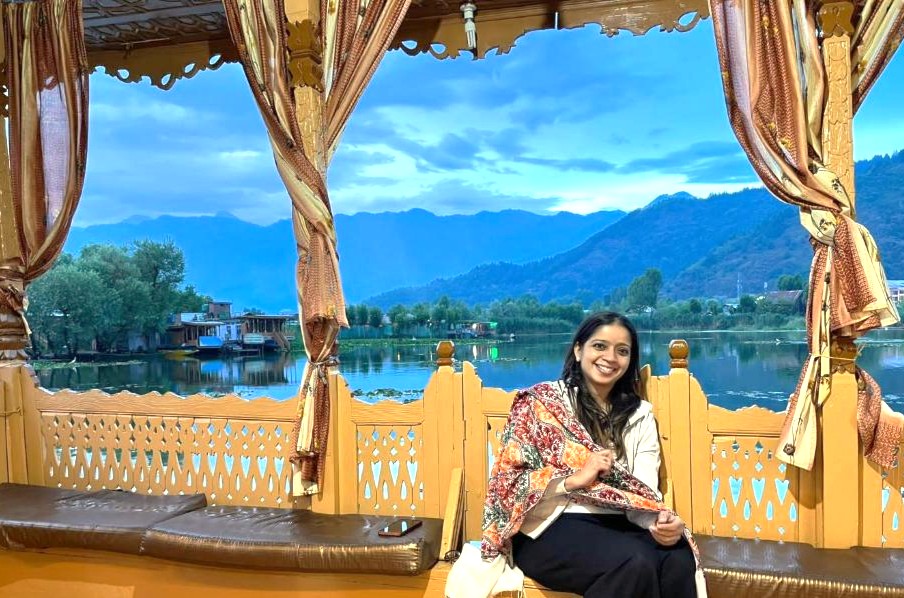
Travelers here can participate in ancient traditions of reciprocal exchange. We encourage thoughtful consideration of how your presence affects residents and local ecosystems. You might purchase from local artisans or participate in community activities respectfully. We've observed genuine exchange occurs when visitors approach with humble recognition of receiving more than they provide. You'll discover communities maintain these sites, with outsiders playing a supporting role. This transforms travel from consumption into meaningful participation. Dal Gate Srinagar Kashmir.
Step Inside The Story - View All Tour Itineraries & Details

We’re here to offer genuine, thoughtful guidance if your interested in travelling to India. As a small, dedicated team, we pay close attention to every detail so you can focus on enjoying the experience while we take care of the planning. We believe the best trips begin when someone truly listens to what you want and how you like to travel, so the journey feels right for you and contributes to a happy, positive group on tour. Our communication stays clear, straightforward, and respectful at every step, with the goal of helping you feel understood, supported, and confident from first contact to the end of your journey.
Click Catherine Frith - About The Founder
Click Discover Life Travel - All Tours and More
Click Why We Are Different - Unique, Safe, Transparent