Unique Insights Into The Religions Of India
Bhagavad Gita: India
Discover Life Travel
A Sacred Guide To The Soul
The Bhagavad Gita translates from Sanskrit as the Song of the Lord, representing a foundational spiritual record within the larger Mahabharata epic. This historical narrative is precisely positioned on the plain of Kurukshetra, a region in present-day Haryana, India. Long before the first documented ruling house appeared, this land was home to early agricultural tribes who relied on the Yamuna river system. Today, the population of the Kurukshetra district is approximately 964,655 people according to the 2011 Census. The history of this record involves a transition from older ritual practices to a sophisticated metaphysical inquiry. You will find that the story centers on the dialogue between the warrior Arjuna and Krishna, providing a meaningful framework for duty and the eternal soul. Bhagavad Gita India

Bhagavad Gita India:Origins of the Sacred Recitation
The name of this work identifies it as a divine melody delivered by Krishna to a warrior in crisis. This historical project was a substantial intellectual edifice constructed through the refinement of oral verses into a unique written form. Scholars place the writing of the text between the second century BCE and the second century CE, a period when the population of northern India was expanding and social structures were becoming more complex. This construction of wisdom provided a permanent record of the spiritual laws of the era, allowing the message to travel along established trade routes.
Ancient Ground of the Plain
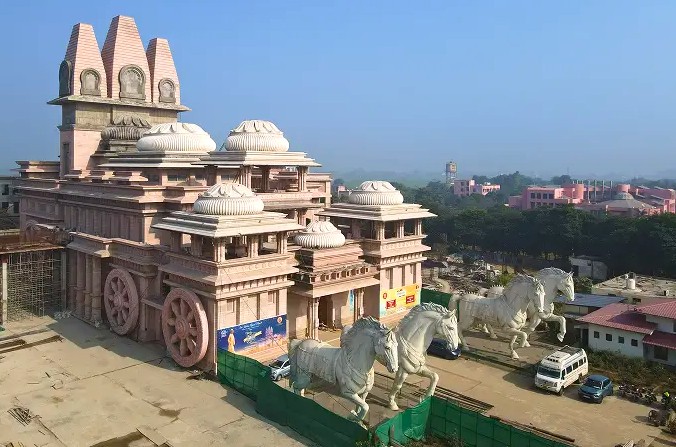
Kurukshetra is located roughly one hundred and sixty kilometers north of Delhi, a site that remains a substantial center for pilgrimage. Long before the rise of any documented leadership, this plain was part of the early Vedic settlement phase. Archaeological evidence from sites nearby shows that locals lived in simple dwellings and practiced early farming as far back as 4000 BCE. This pre-history ground provided the social stability needed for the rise of organized communities. While no written records exist from this early phase, the traditions that followed suggest a society deeply occupied with the laws of nature. You will find that the soil carries the weight of many generations who built the first irrigation ditches. Bhagavad Gita India
The Structure of the Written Work
The construction of the text was a substantial intellectual project that took place over several centuries, involving the refinement of oral traditions into a unique written form. Scribes and poets worked to preserve the dialogue, ensuring that the impeccable logic and spiritual depth were maintained. This period of construction occurred during a time when the population of India was expanding and new building design styles were appearing in stone. The framework of the verses was designed to be memorized and recited, making it accessible to both the learned and the ordinary resident. This literary edifice provided a permanent record of the teachings, allowing the message to spread along trade routes and influence the religious practices of the entire subcontinent.
The Unseen Spark within the Soul
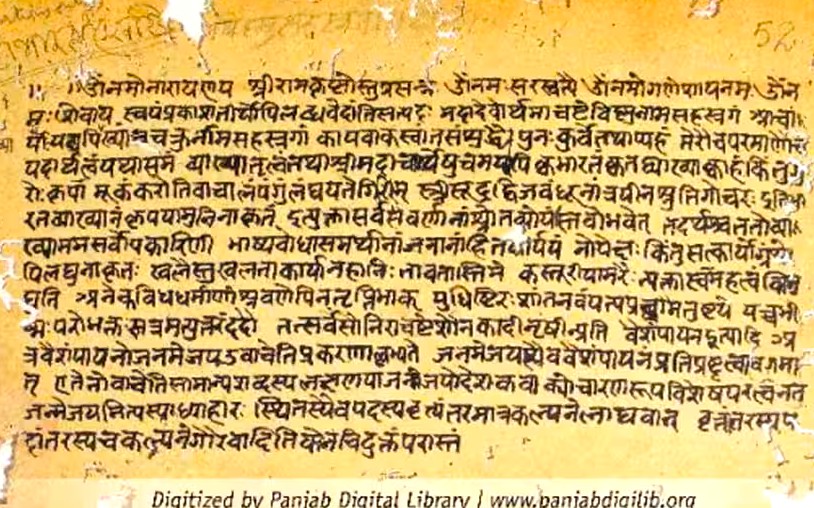
A core metaphysical lesson involves the Atman, or the eternal self, which is described as being distinct from the physical edifice of the body. These verses explain that the soul is never born and never dies, providing a reflective mood for anyone facing the reality of loss. This teaching was a substantial shift from earlier ideas that focused only on the material results of ritual. It suggests that the true essence of a person is substantial and unchanging, even when the world is energetic. This perspective allowed the local community to view their daily lives as part of a meaningful cosmic order. Bhagavad Gita India
Yoga of Selfless Daily Action
The text outlines the path of Karma Yoga, or the discipline of action without attachment to the results. This teaching suggests that your duty is to perform the work itself, not to be occupied with the rewards. We find this principle applied to every level of society, from the leadership to the local market. By focusing on the act, the individual avoids the hectic energy of greed. This sophisticated method of living allows the population to remain steady and energetic even during times of substantial stress. Krishna explains that true peace comes when you are transfixed by the purpose of the work. This logic provides a restful mood for the mind during your daily labor.
The Duty Beyond Personal Ties
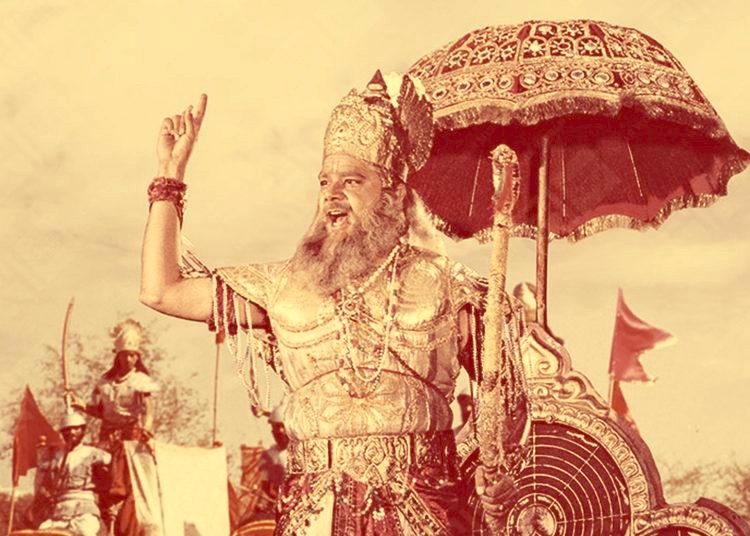
The most harrowing dimension of the mental battle in the Bhagavad Gita is the requirement for Arjuna to slay his own teachers, Bhishma and Drona, along with his kinsmen. This is not a call to physical violence against family, but a profound metaphor for the necessity of destroying the internal attachments that define our old identity. Bhishma, the grandsire, represents the tradition and conditioning of the past, while Drona, the teacher, symbolizes the intellectual knowledge and skills that have shaped the ego. To reach a higher state of consciousness, the seeker must often "slay" the emotional and intellectual crutches provided by these figures, as they have become obstacles to the pursuit of ultimate truth.
Arjuna’s resistance stems from the fact that these relatives and teachers are the architects of his social reality. He argues that killing them would be a sin, as it would destroy the foundation of the family and the moral order. This represents the mind’s struggle to move beyond the comfort of the "known" and the traditional. Krishna explains that these individuals, despite their personal virtues, have aligned themselves with unrighteousness or adharma. An example is Bhishma’s silence during the humiliation of Draupadi: his attachment to a narrow vow outweighed his duty to universal justice. This teaches that when the intellect is at war, the higher duty must always supersede personal sentiment and social expectations.
The requirement to kill his relatives signifies the total dismantling of the ego’s support system. Relatives represent the various extensions of the self - the "mine" and "thine" that create a fragmented worldview. By compelling Arjuna to fight them, Krishna is forcing a mental transition from the localized "I" to the universal "Self." He provides the example of the eternal soul, which cannot be killed, explaining that the physical forms are merely masks. The battle is a sacrifice where the individual offers up their most cherished attachments into the fire of knowledge. This radical detachment is the only way to ensure that the mind is not held hostage by its history, allowing for the birth of a truly liberated and sovereign consciousness. Bhagavad Gita India
Devotion and the Path of Light
The path of Bhakti, or devotion, is presented as a refined method for the individual to reach a state of internal peace. This spiritual framework suggests that a mystical connection to the divine is accessible to every resident, regardless of their social status. The population of followers uses these practices to navigate the swamped demands of daily life, seeking a restful state of mind. This teaching was a substantial contribution to Indian thought, offering a way to balance material activity with a deep connection to the sacred. You will see these practices reflected in the daily rituals of the local residents at the ancient shrines. This devotion creates an amazing sense of unity across the substantial landscape.
Chronicles of the Iron Era War
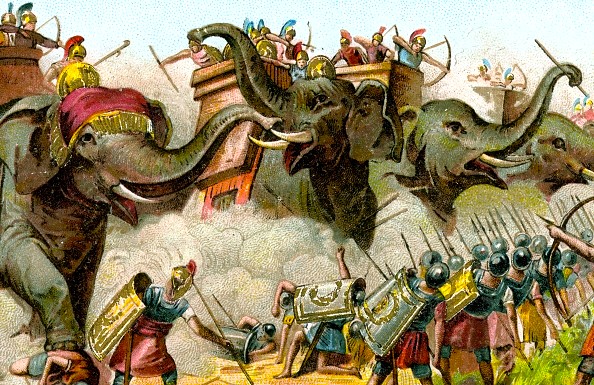
The battle at Kurukshetra is a substantial event in the history of the region, involving eighteen days of active conflict. This battle chronicle includes the names of warriors like Bhishma and Karna, detailing the specific tactical formations used by both sides. The outcome of the battle led to a meaningful shift in power, as a new administrative order was established. Historically, this period saw the use of iron weapons and chariots, which changed the nature of warfare in northern India. The population of the gathered armies was vast, representing a lively mix of tribal groups. These events are recorded with precise dates that mark the end of one era and the beginning of another.
Universal Form and Cosmic Vision
A substantial spiritual climax occurs when Krishna reveals his universal form, demonstrating that all elements of the universe are contained within the divine. This vision provides a transfixed mood, where the individual realizes the interconnectedness of all life. The verses describe a phenomenon that is both terrifying and beautiful, showing the cycle of creation and destruction. This metaphysical lesson teaches that the material world is a temporary edifice, while the divine underlying reality is substantial and eternal. For the local population, this vision reinforces the importance of humility and the recognition of a power greater than the individual ego. It encourages a reflective mood that looks beyond the hectic energy of the material world. Bhagavad Gita India
Marriage Bonds and Social Order
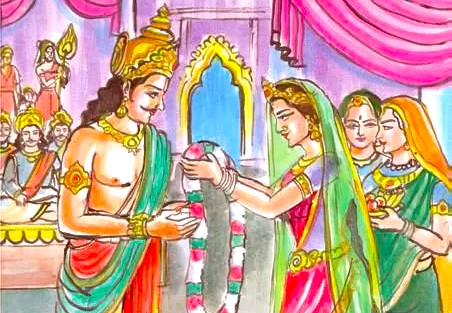
Marriage in this era was a formal alliance involving substantial dowries and social treaties that bound families together. Women like Kunti and Draupadi held exquisite roles, often acting as counselors and managing the domestic sphere. The role of women was clearly defined, involving inheritance rights and the delicate balance of power within the household. These women were responsible for the upbringing of children and the maintenance of religious practices at home. The social structure supported a growing population where marriage was seen as a sacred duty. This domestic framework provided the stability needed for society to function, as the family was the most important unit of the social order.
Festive Seasons of the Sacred Word
Two major annual celebrations define the calendar for this community, marking the birth of Krishna and the delivery of the text. Janmashtami is usually held in August or September, with prayers beginning at midnight to mark the birth. Gita Jayanti occurs in December, with morning recitations starting around 8:00 AM. During these times, the population gathers to prepare dishes like slow-cooked milk sweets and grain-based offerings in large quantities. These traditions have remained consistent, as the local residents share their resources with the community. The preparation of food is an engaging communal activity, creating a spellbinding atmosphere in the temples. These festivals provide a meaningful rhythm to the year, focusing on the amazing legacy of the ancient dialogue. Bhagavad Gita India
Healing Herbs and Ritual Purity

Medical practice in this era involved a blend of household knowledge and the use of natural elements. Medicines used at the time included herbal infusions, honey, and clarified butter, which were often mentioned in early records for their healing properties. Healers used these elements to treat common illnesses and injuries, following a refined health system. As the population grew, these remedies were documented in substantial medical texts that are still followed by many residents today. This focus on health and ritual purity was an important element of daily life, ensuring that the community remained active. The use of natural cures was seen as a fantastic way to maintain the vitality of the local residents.
Wisdom of the Three Qualities
The text explains how three qualities of nature-purity, activity, and dullness-influence human behavior and the social structure. This metaphysical framework provides a way for the population to understand their psychological states and the world around them. It offers a sophisticated method for maintaining a reflective mood even while being occupied with the substantial demands of daily life. By recognizing these elements, individuals can strive to cultivate purity and balance. This teaching ensures that the local residents can navigate the energetic life of the community with a sense of purpose. It remains a meaningful guide for understanding the natural forces that shape human character and the steady pulse of existence. Bhagavad Gita India
The Enduring Legacy of Wisdom
The period of the great conflict led to a gradual transition in the governance of northern India, as the population struggled to rebuild the social order. The loss of many key leaders and the disruption of trade routes led to a change in the administrative framework of the region. Over time, the older social systems were replaced by rising regional powers that established their own leadership lines. This shift in power was marked by a move toward more centralized control and the rise of new philosophical movements. The legacy of the sacred dialogue remained in the hearts of the people, as the text continued to be recited, providing a meaningful guide for future generations.
Step Inside The Story - View All Tour Itineraries & Details

We’re here to offer genuine, thoughtful guidance if your interested in travelling to India. As a small, dedicated team, we pay close attention to every detail so you can focus on enjoying the experience while we take care of the planning. We believe the best trips begin when someone truly listens to what you want and how you like to travel, so the journey feels right for you and contributes to a happy, positive group on tour. Our communication stays clear, straightforward, and respectful at every step, with the goal of helping you feel understood, supported, and confident from first contact to the end of your journey.
Click Catherine Frith - About The Founder
Click Discover Life Travel - All tours and more
Click Why We Are Different - Unique, Safe, Transparent