
Desert Realm Odysee Tour India
Awantipora Temple Kashmir India
Mother Masala Tours
Flood, Fire, and Endurance
Awantipora Temple Kashmir. Translating to "The Place of Awanti," marks a significant chapter in Kashmir's history, situated around 30 kilometers from the city of Srinagar. Established in the 9th century CE by King Avantivarman of the Utpala Dynasty, this site reflects a rich tapestry of cultural and religious significance. The Utpala Dynasty is known for its remarkable contributions to art, architecture, and spirituality during its reign. As we journey through this historical site, we’ll uncover layers of history, art, and community, revealing a place that has been alive for countless generations.
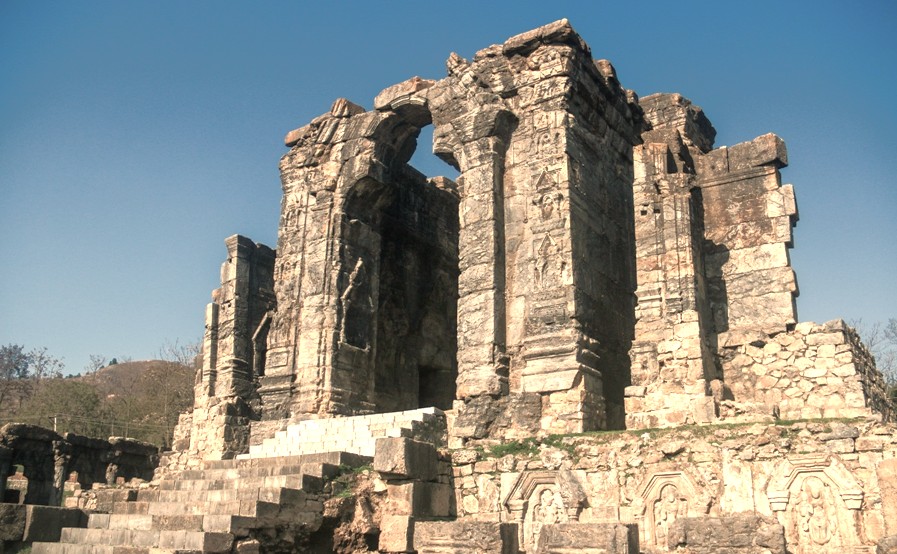
Awantipora Temple Kashmir: Timeless Artifacts
As we walk through this historic site, you'll encounter a wealth of unique artifacts that speak to its spiritual and artistic heritage. The ruins of Awantipora house exquisite sculptures, intricate stone carvings, and altars that date back over a millennium. Notable artifacts include detailed depictions of deities and mythological scenes, each carved with impeccable craftsmanship. Sacred spaces such as the ancient temples embody a mystical atmosphere, inviting contemplation and reverence. The Mamleshwar Temple, in particular, stands out as a testament to the artistry of its builders and the spiritual dedication of its creators.
Ancient Mosaics: Impeccable Craftsmanship
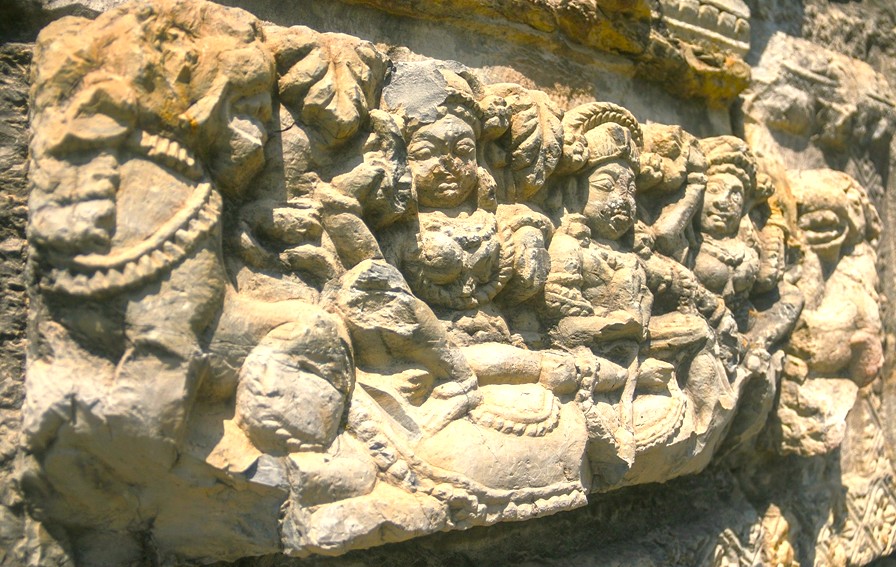
The artistry displayed in the temples is extraordinary. Craftsmen of the Utpala Dynasty, renowned for their impeccable craftsmanship, utilized local stone to create intricate carvings that adorned these sacred spaces. Dating back to 854 CE, these creations exemplify sophisticated techniques and an understanding of geometry that resonates with their spiritual significance. The wooden beams, made from local timbers like deodar, contribute to the stunning resilience of the edifices, offering a glimpse into the period's skill set in masonry and stonework.
The Pulse of the Local Community
Awantipora Temple Kashmir. The community around the Temple embodies warmth and hospitality, reflecting the region's rich cultural heritage. Known for their friendly demeanor, the locals actively engage in preserving their history while welcoming those who come to explore. Their deep-rooted connection to the traditions of their ancestors ensures that the lively atmosphere remains infused with the spirit of the past.
Capturing the Magic - A Photographic Haven
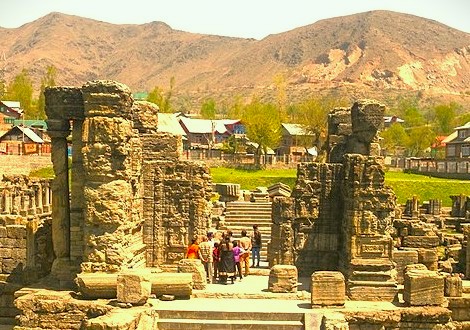
This ancient location presents a wide array of subjects for our cameras. We will find unobstructed views of old temples set against a backdrop of mountains and greenery. The setting allows us to frame compositions that reveal the unique details in the historical structures. As the natural light shifts during the day, it will create different moods and shadows, altering the scene before us. We will have many opportunities to create a quality visual record of what we observe. The area’s spacious layout gives us the freedom to move around and find the most interesting perspectives.
A Culinary Journey: Savor the Flavour
While in the area, you must try the local delicacies that reflect the essence of Kashmiri cuisine. One standout dish is Rogan Josh, a fragrant lamb curry simmered with rich spices. Made with tender pieces of meat, yogurt, and a signature blend of spices such as garam masala and saffron, this dish is a culinary delight that encapsulates the flavors of the region. You’ll find that the care taken in preparation and the use of fresh, local ingredients adds to its unique taste, making it a famous dish within and beyond Kashmir.
The Connections with the Gods

Awantipora stands as a timeless testament to Kashmir’s spiritual heritage, deeply steeped in captivating mythology. The ancient ruins echo with the presence of powerful deities, primarily Shiva and Vishnu, who remain central to the valley's sacred beliefs. Legends speak of divine interventions, most notably when Lord Shiva appeared to King Avantivarman in a prophetic dream, inspiring the construction of these majestic stone sanctuaries to immortalize his reign. Today, these stories amplify the site's profound sanctity, attracting pilgrims and travelers alike.
Ancient Technologies: Sacred Sound, Geometry & Astrological Influences
Awantipora Temple Kashmir. Though Awantipora lies in ruins, its foundation preserves a master Vastu Shastra blueprint—a cosmic mandala designed to align earth with the heavens. Originally, this precise stone geometry functioned as a massive resonance chamber. Here, ancient Vedic chants would have generated healing vibrations akin to Solfeggio frequencies (like 432Hz), harmonizing the spirit with the universe. To walk these grounds is to step into a dormant acoustic field, where the earth’s geometry still holds the memory of divine sound.
Resilience and Renewal: Overcoming Adversity’s Challenges
These ancient ruins are strongly associated with the reign of King Avantivarman. The historical site tells a story of human resilience following a major event. It survived the damaging earthquakes that took place back in 1840. After this period of widespread destruction, the local community worked to restore their homes. They also made great efforts to safeguard their important sacred heritage. This difficult time was transformed into a narrative of overcoming adversity. The weathered stones now represent more than their original purpose. They symbolize the enduring hope and pride of a people.
Urban Legends: Strange Sightings, Myths and Mysteries
The stories surrounding Awantipora are filled with intriguing legends. One tale involves the hidden treasures believed to be buried within the ancient ruins, guarded by mystical creatures. Locals recount sightings of ethereal beings that protect these sacred caches, adding a layer of mystery to the site. These legends evoke a sense of wonder and compel explorers to delve deeper into the rich tapestry of local folklore.
Serendipitous Meetings: Beyond the Main Path
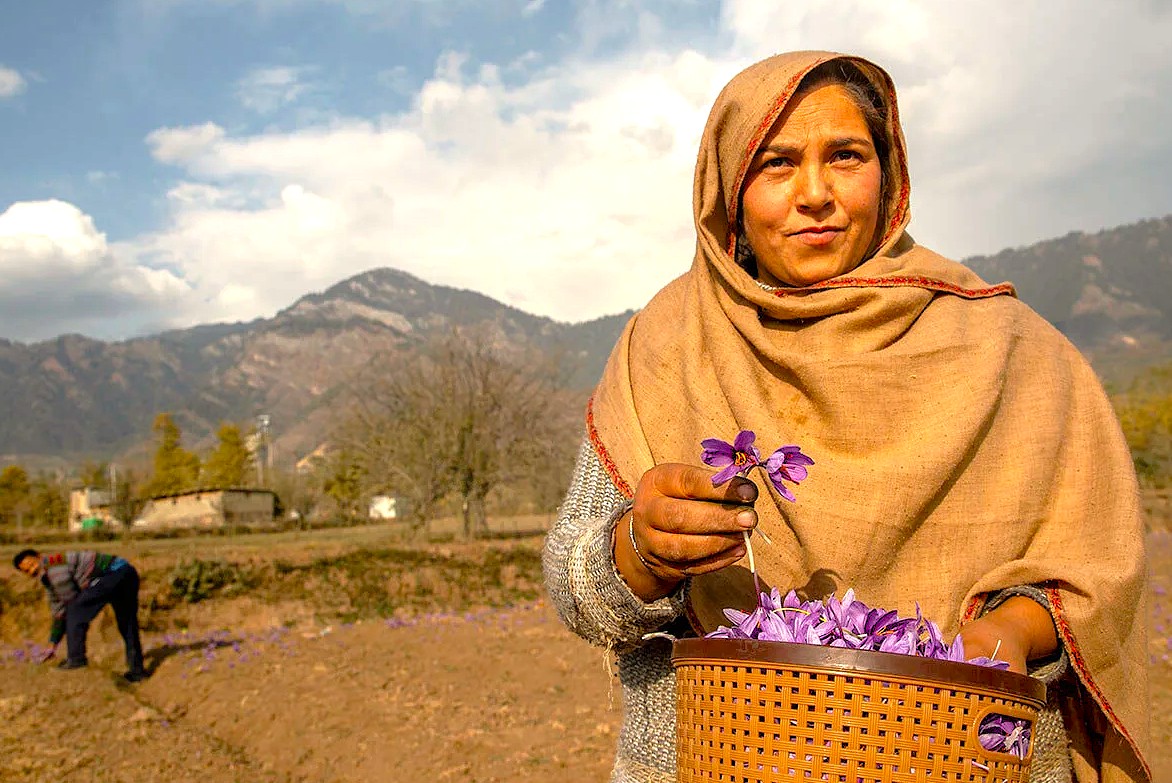
Walking through the streets of Awantipora often leads to interesting discoveries. You will see local artisans crafting items like wooden carvings or detailed shawls. Close by is the area known as Saffron Town, where it is possible to acquire a variety of saffron products. The general atmosphere encourages exploration of the surrounding area. Hidden corners and side streets reveal small workshops where other traditional crafts are made. You observe the creation of papier-mâché goods and items with classic embroidery, providing a direct look at the skills that have been present for generations.
Life's Too Short for Someday - Join Us
Your journey continues directly into the living landscape of Awantipora. You will navigate the paths between ancient stones and discover the active town that surrounds them. The experience involves sampling local food and seeing the daily flow of life firsthand. This exploration gives us a direct view of a history that actively informs the present. We are stepping into the flow of this unique place, moving through its markets and among its historical sites. The entire trip is designed to provide a complete picture of the area's background and current character.
Symphony of Generosity: Offerings from Wanderers to Residents
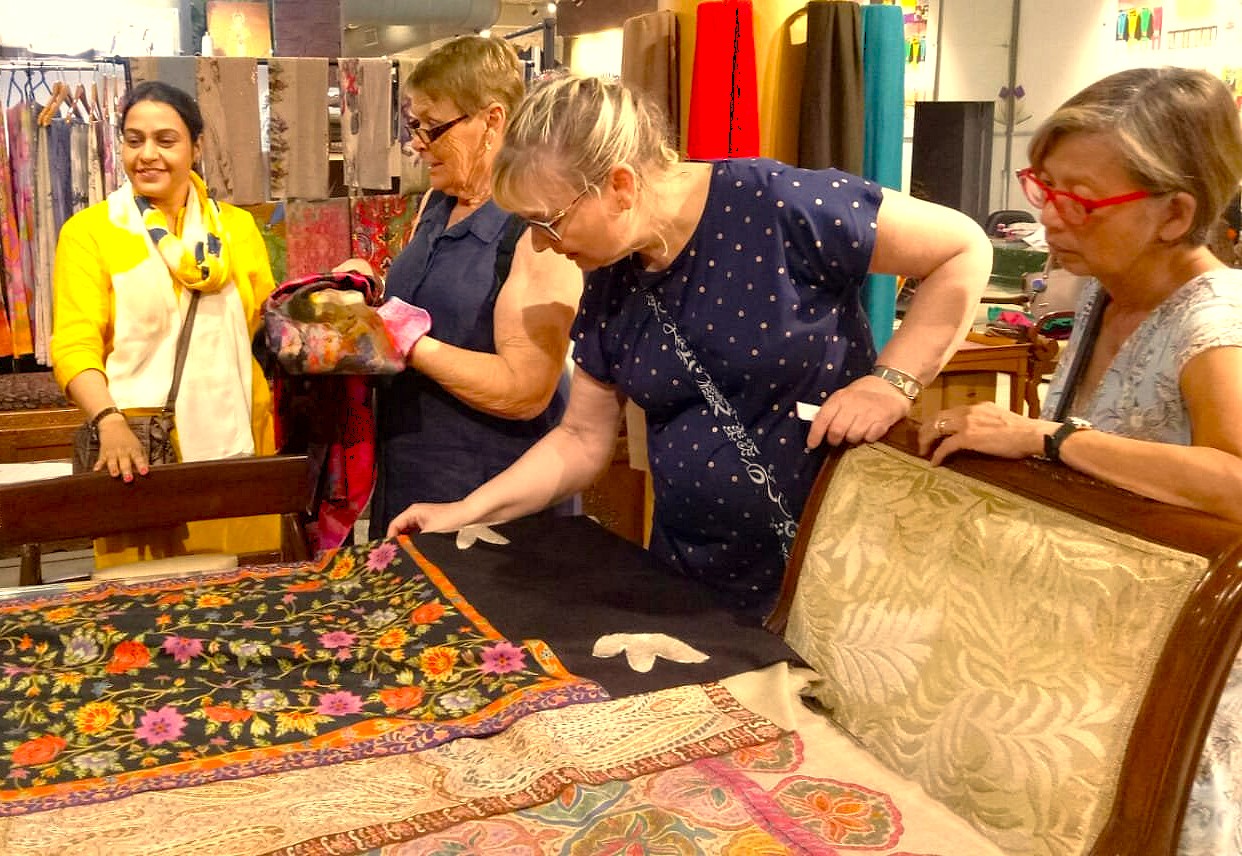
Through our interactions with residents, a clear cultural exchange occurs. Our conversations and commercial activities provide financial support to the local economy. This helps sustain the artisans and small business owners in the town. In return for our spending, we gain information and observe their way of life. This dynamic creates a direct benefit for the residents we meet. The process works in a practical way for everyone involved. It supports the continuation of local trades and gives us a better understanding of the area. This reciprocal activity is a standard part of traveling through the region.
Step Inside The Story - View All Tour Itineraries & Details
We’re here to offer genuine, thoughtful guidance for your travels. As a small, dedicated team, we pay close attention to every detail so you can focus on enjoying the experience while we take care of the planning. We believe the best trips begin when someone truly listens to what you want and how you like to travel, so the journey feels right for you and contributes to a happy, positive group on tour. Our communication stays clear, straightforward, and respectful at every step, with the goal of helping you feel understood, supported, and confident from first contact to the end of your journey. Click here:- Discover Life Travel - India Tour Specialists