Unique Insights Into The Mughal Empire
Akbar: Architect of the Absolute
Discover Life Travel
The Timeless Throne of Akbar
Akbar, third ruler of the Mughal line, turned a fragile inheritance into a formidable dynasty that reshaped the northern Indian world between 1556 and 1605. Born Jalal-ud-din Muhammad Akbar on 15 October 1542 at Umerkot, in present-day Sindh, he drew his name from the Arabic “Akbar,” meaning “greater,” a title that later echoed in the dynasty’s political theology. His court at Agra and later Fatehpur Sikri anchored his authority across Hindustan, from Kabul and Lahore in the northwest to parts of the Deccan in the south. Under his direction, population centers such as Agra, estimated at over 500,000 inhabitants by the late sixteenth century, became laboratories of policy, faith, and daily discipline. Akbar’s story, threaded with war, spiritual experiment, domestic order, and intricate customs, still shapes memories of power across the subcontinent. Akbar Architect of the Absolute
Akbar Architect of the Absolute: Ancestral Shadows
Akbar’s lineage fused Timurid and Chagatai traditions through his grandfather Zahir-ud-din Muhammad Babur and great ancestor Timur. Babur, born in 1483 at Andijan in the Fergana Valley, called his line the Timurids, tracing descent from Timur on his father’s side and Genghis Khan through his mother. These claims granted sacred prestige among Central Asian elites. Babur’s conquest of Delhi in the First Battle of Panipat on 21 April 1526 crushed Ibrahim Lodi and founded the Mughal, or “Mongol,” dynasty in Hindustan. The memory of Transoxianan gardens, hunting grounds, and courtly customs traveled with this family into India, shaping young Akbar’s ideals of orderly rule, generosity, and personal courage.
Humayun’s Exile And Fragile Restoration
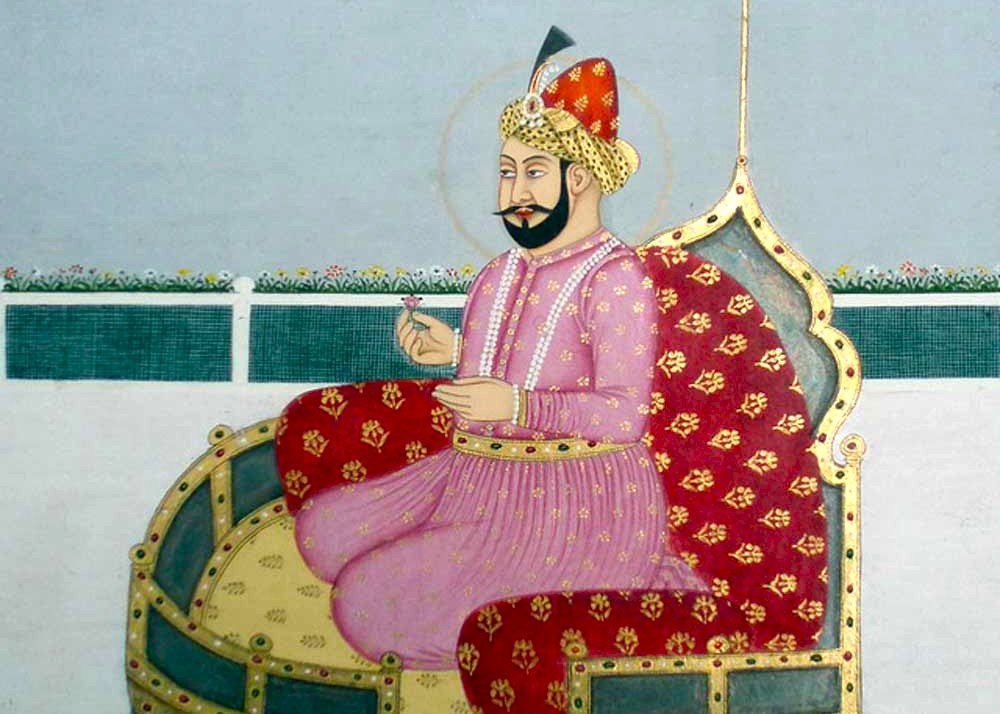
Akbar’s father, Nasir-ud-din Muhammad Humayun, inherited Babur’s domains in 1530 but faced Afghan commanders led by Sher Shah Suri. Defeated at Chausa in 1539 and Kannauj in 1540, Humayun lost control of Delhi and Agra and fled eastward. His years of exile in Safavid Persia from 1543 to 1545, supported by Shah Tahmasp I, exposed the family to Shi‘i rituals and Persian court conventions. Akbar, still a child, absorbed tales of these wanderings and the humiliation of dispossession. When Humayun retook Delhi in 1555, the triumph was brief. On 24 January 1556 he died after falling from the steps of his Sher Mandal library in Delhi, leaving a fractured realm of contested garrisons and uneasy allies to his thirteen-year-old son. Akbar Architect of the Absolute
Coronation At Kalanaur And Early Hardships
Akbar’s formal rise began at Kalanaur in present-day Gurdaspur district, Punjab. There, on 14 February 1556, he sat beneath a makeshift throne platform, crowned under the regency of the Turkic general Bairam Khan. His authority, however, stretched little beyond Punjab and parts of the upper Gangetic plain. Hemu, a Hindu general serving the Suri remnants, seized Delhi and sought to drive the Mughals from Hindustan. Population centers were war-torn, agrarian production unsettled, and revenue extraction uncertain. Akbar, largely illiterate but sharp in memory and perception, learned to rely on loyal commanders while slowly asserting independence from his regent, setting the foundation for future consolidation.
Panipat Revisited And The Turning Tide
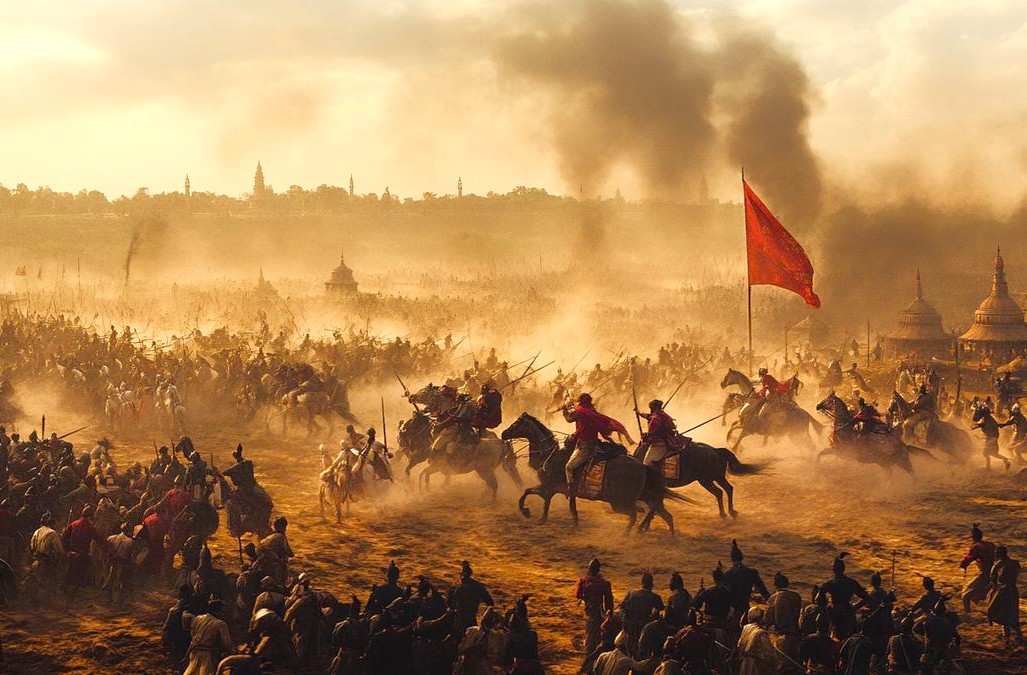
The Second Battle of Panipat on 5 November 1556 reversed the dynasty’s fortunes. Bairam Khan led Mughal troops against Hemu’s forces on the same plain where Babur had triumphed thirty years earlier. During the battle, an arrow struck Hemu in the eye, throwing his army into confusion. Mughal cavalry, artillery, and disciplined infantry seized the advantage, and Hemu’s defeat restored Delhi and Agra to Akbar’s control. This victory preserved the dynasty at a critical moment, ensuring that Humayun’s fragile restoration did not dissolve. The Mughal population base along the Yamuna and Ganga rivers could now be taxed more reliably, allowing Akbar to fund campaigns that pushed the frontiers outward over the next two decades.
Crafting A New Imperial Capital
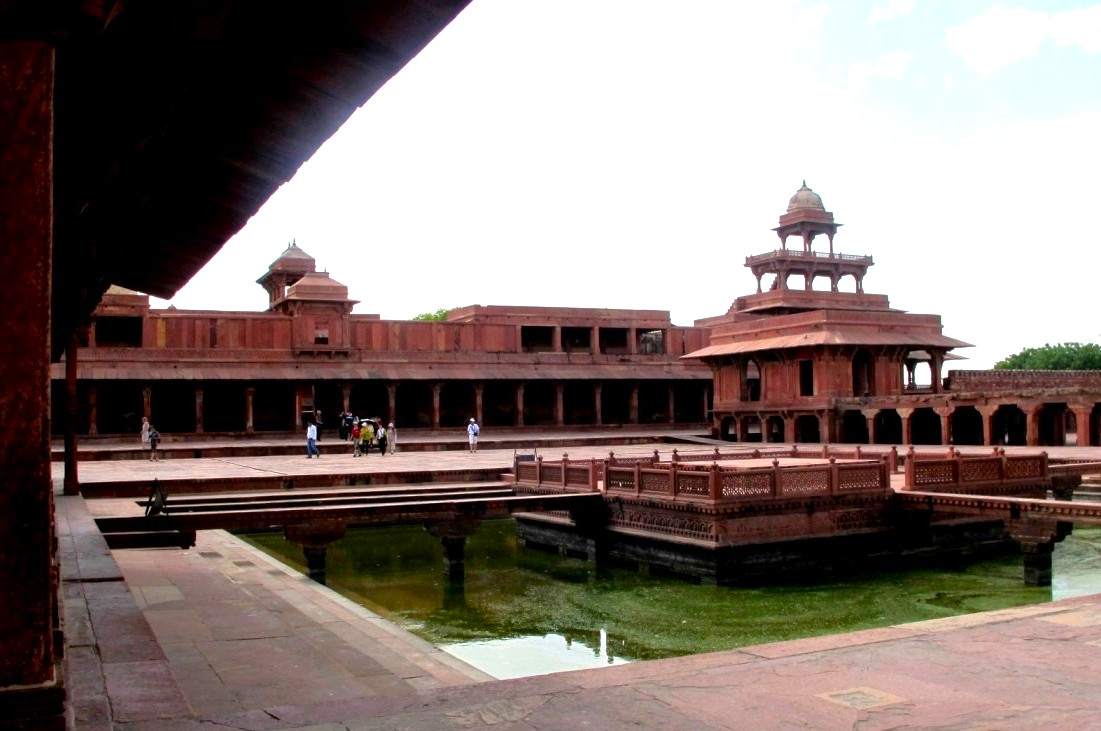
As his authority grew, Akbar transformed Agra and later founded Fatehpur Sikri, near the shrine of Sheikh Salim Chishti, around 1571. Though the wider region had ancient prehistory linked to Vedic polities and local clans, Akbar recast this landscape into a dynastic heartland. Fatehpur Sikri’s great congregational mosque, palatial courts, and water channels reflected Timurid court planning adapted to north Indian climate and materials. Construction continued through the 1570s, when Akbar’s dynasty was at its confident midpoint. The complex’s reservoirs and stepwells stored monsoon water, supporting thousands of inhabitants, artisans, soldiers, and palace attendants who lived within and around the complex, fueling a growing urban society under imperial oversight.
Rajput Alliances And Sacred Lineages
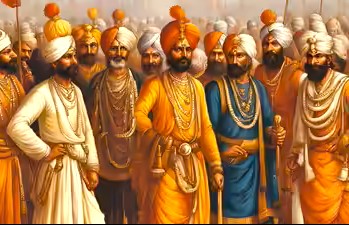
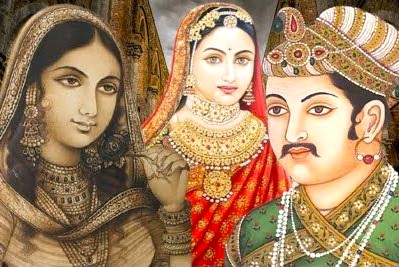
Akbar understood that durable power in northern India demanded more than conquest: it required alliances with entrenched Kshatriya houses. He forged marriage ties with the Kachhwaha rulers of Amber, especially Raja Bharmal and his son Bhagwan Das, bringing their lineages into the Mughal ruling circle. These unions, solemnized with Hindu rites in Amber and imperial ceremonies in Agra, produced princes such as Salim (later Jahangir), who carried both Timurid and Rajput blood. Other houses, including the Rathores of Marwar and parts of the Bundi and Bikaner lines, entered varying degrees of loyalty. Ritual exchanges, joint campaigns, and shared feasting strengthened this network, creating a composite aristocracy that underpinned Akbar’s rule for decades. Akbar Architect of the Absolute
Faith, Debate, And The Ilahi Vision
Akbar’s spiritual experiments helped define his dynasty’s identity. In the 1570s and 1580s he convened learned men of Islam, Hindu traditions, Jain teachers, Zoroastrian priests, and occasionally Jesuit fathers from Goa in the Ibadat Khana, or House of Worship, at Fatehpur Sikri. Debates continued late into the night on prophecy, divine justice, ritual, and kingship. Around 1582 he introduced the Din-i-Ilahi, or “Faith of God,” a spiritual fellowship centered on loyalty to the sovereign, ethical conduct, and reverence for a single divine reality. Although its adherents were few, this initiative reflected Akbar’s attempt to frame his dynasty as protector of a universal moral order rather than champion of one sect.
Daily Life Inside The Royal Household
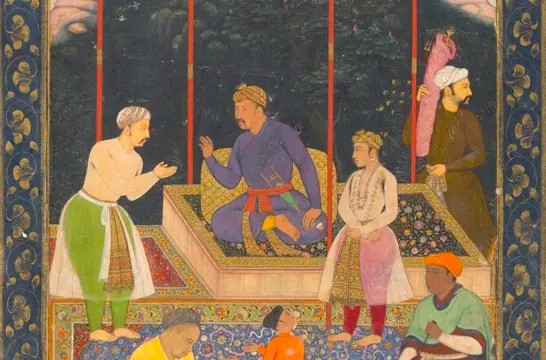
Within the palace precincts, daily routines followed a strict rhythm. Akbar rose early before sunrise, engaged in prayer and contemplation, then received courtiers in the diwan-i-am, or public audience hall, at Agra or Fatehpur Sikri. Separate quarters housed his wives, including Rajput consorts, and their children, protected by eunuch guards and senior women of trusted families. Women of the household supervised textile production, perfume distillation, and charitable distributions of grain. Royal children were taught Persian, Turki, Hindavi, and elements of Qur’anic recitation, as well as archery, hunting, and wrestling. Marriage negotiations for princesses balanced political calculation and family affection, extending Mughal influence into allied houses through careful matchmaking. Akbar Architect of the Absolute
Food, Kitchens, And Courtly Appetite
The royal kitchens of Akbar’s court fed thousands each day. Massive cauldrons simmered rice, wheat, lentils, and meat stews, flavored with cardamom, cloves, saffron, and local herbs. Chroniclers describe special days when up to several thousand kilograms of grain and meat were prepared for both court members and the poor gathered outside the palace gates. Hindu and Muslim cooks prepared separate dishes to respect dietary rules, while Jain guests were offered strictly vegetarian fare. Royal banquets used silver and gold vessels, while common soldiers and servants ate from clay or brass. Fasting periods, including Ramadan and certain Hindu observances by Rajput consorts, altered meal patterns, integrating multiple traditions into palace life.
Water, Healing, And Learned Physicians
Water management under Akbar combined wells, stepwells, canals, and riverfront ghats along the Yamuna. In Agra, channels brought water from upstream for palace gardens, baths, and kitchens, while tanks in Fatehpur Sikri collected monsoon rainfall. Health in the palace and broader cities relied on a synthesis of Unani and Ayurvedic practice. Court physicians such as Hakim Ali Gilani prescribed compound medicines prepared from herbs, minerals, and animal products, recorded in pharmacological treatises. Preparations included cooling syrups for fevers, opiate mixtures for pain, and clarified butter infused with plants for joint ailments. Astrology influenced diagnosis and timing of certain treatments, aligning celestial patterns with human frailty. Akbar Architect of the Absolute
Battles, Sieges, And Frontier Pressures
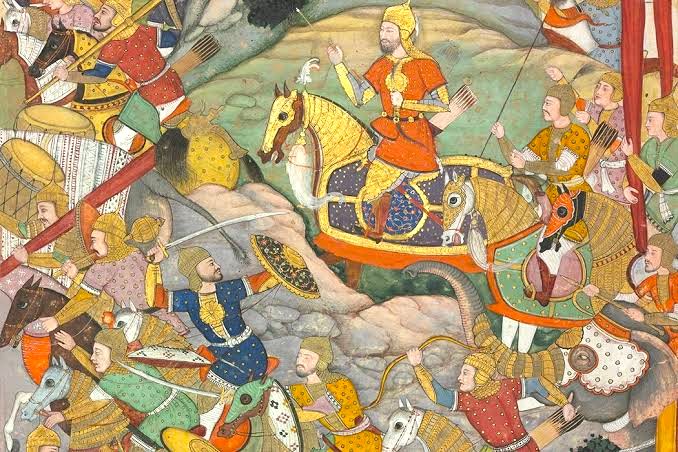
Akbar’s dynasty expanded through calculated campaigns from the 1560s onward. The siege of Chittor in 1567–1568 broke the Sisodia hold over this Rajput stronghold, though at great human cost and enduring resentment. In 1576, the battle of Haldighati pitted imperial forces led by Man Singh of Amber against Maharana Pratap of Mewar: although Pratap escaped, Mughal influence advanced in the region. Further campaigns secured Bengal in the 1570s, Gujarat in 1572–1573, and parts of Bihar and Orissa, tying coastal trade routes to the imperial treasury. Each success brought new populations under Akbar’s revenue system, gradually reshaping military frontiers into zones of fiscal discipline.
Trade Routes, Markets, And Population Growth
By the late sixteenth century, Akbar’s territories linked Central Asian caravan lines to Indian Ocean ports. Overland routes from Kabul and Qandahar fed horses, textiles, and precious metals into Lahore, Agra, and Fatehpur Sikri, while roads to Surat and other western seaports enabled commerce with merchants from the Ottoman lands and Europe. Population in key cities such as Lahore and Agra grew steadily, with some estimates placing combined urban inhabitants in the hundreds of thousands by 1600. Regulated markets, standardized weights, and the silver rupiya stabilized exchange. These measures enriched merchant groups including Khattris, Gujarati banias, and foreign traders, deepening the fiscal base of the dynasty. Akbar Architect of the Absolute
Festivals, Ritual Time, And Sacred Rhythm
Court life revolved around a carefully observed calendar. The solar-based Ilahi era, introduced in 1584 and counted from 1556, coexisted with Islamic lunar months and regional Hindu and Jain observances. The spring festival of Nauroz, adapted from Persian tradition and often celebrated around 21 March, saw decorated halls, public gifts, and formal promotions. Diwali, usually in October or November, illuminated palaces at Agra and Lahore, reflecting both Rajput and merchant customs. Eid al-Fitr marked the end of Ramadan fasting, while the birthday of Akbar on 15 October prompted weighings of the emperor against grain and gold for charity. These occasions bound diverse communities into a shared rhythm of dynastic time.
Succession, Memory, And Lingering Presence
By the late 1590s, Akbar faced tensions with his son Prince Salim, whose impatience for power led to factional struggles in the court. Nevertheless, when Akbar died at Agra on 27 October 1605 after a short illness, the transition to Salim - who took the title Jahangir - proceeded relatively smoothly. Akbar’s tomb at Sikandra, near Agra, became a site of seasonal pilgrimage and family ceremony. The memory of his justice, sessions of public petitions, and inclusive alliances with Rajput houses persisted in chronicles and oral stories. Even as new rulers altered policies, the template of rulership he forged continued to influence court behavior and public expectations. Akbar Architect of the Absolute
Fall Of Glory And New Rising Power
Over time, strains in administration, regional rebellions, and changing trade patterns weakened Akbar’s descendants. By the early eighteenth century, Mughal authority in Delhi shrank under pressure from Maratha forces, Afghan invasions, and assertive provincial governors in Awadh, Bengal, and Hyderabad. The dynasty’s population centers fragmented into semi-autonomous domains, while European trading companies, especially the British East India Company, exploited court factionalism. After the 1857 uprising, the British exiled Bahadur Shah II in 1858, formally ending Mughal sovereignty. Yet memories of Akbar’s synthesis of faiths, disciplined governance, and far-reaching alliances remain as an enduring ideal in the historical imagination.
Step Inside The Story - View All Tour Itineraries & Details

We’re here to offer genuine, thoughtful guidance if your interested in travelling to India. As a small, dedicated team, we pay close attention to every detail so you can focus on enjoying the experience while we take care of the planning. We believe the best trips begin when someone truly listens to what you want and how you like to travel, so the journey feels right for you and contributes to a happy, positive group on tour. Our communication stays clear, straightforward, and respectful at every step, with the goal of helping you feel understood, supported, and confident from first contact to the end of your journey.
Click Catherine Frith - About The Founder
Click Discover Life Travel - All tours and more
Click Why We Are Different - Unique, Safe, Transparent