Unique Insights Into The Rivers Of India
Yamuna River: India
Discover Life Travel
Sacred Daughter of the Sun
The Yamuna River, also known as Kalindi, originates from the Yamunotri Glacier on the Banderpunch peaks of the Lower Himalayas at an elevation of 6,387 meters. Its name derives from the Sanskrit word 'Yama', meaning twin, as it flows parallel to the Ganges. Traversing 1,376 kilometers through Uttarakhand, Himachal Pradesh, Haryana, Delhi, and Uttar Pradesh, it merges with the Ganges at the Triveni Sangam in Prayagraj. The basin covers 366,223 square kilometers, providing life-support for nearly 100 million people. Since the Vedic era, the river has served as a primary geographical and spiritual boundary for the Indo-Gangetic plains. Yamuna River India
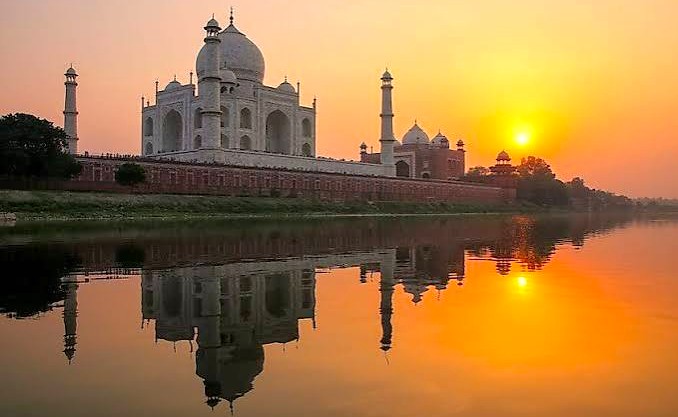
Yamuna River India: Origins of the Mountain Spring
Ancient oral traditions identify the character Yamuna as the daughter of Surya and sister of Yama, the god of death. During the Neolithic period around 4000 BCE, the upper reaches were inhabited by communities using stone tools. These prehistoric groups established some of the earliest seasonal shelters in the Shivalik foothills. The river was perceived as a physical manifestation of celestial grace. Archaeological evidence from the upper valley reveals that early inhabitants relied on the river's constant flow for their survival.
Echoes of the Harappan Fringe
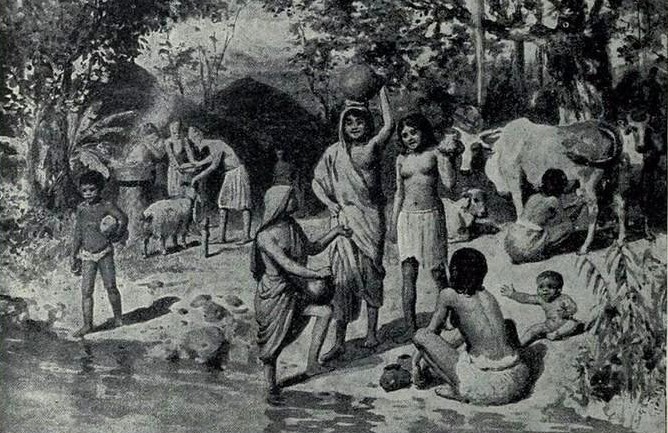
By 2500 BCE, the Late Harappan people settled along the banks, particularly in the regions of Alamgirpur. The river facilitated the movement of copper and pottery across the northern plains. Early characters in local legends, such as the Pandavas, are depicted as founding their capital Indraprastha on these banks. These prehistoric populations relied on the river's predictability for their grain cultivation. The river bed provided the necessary silt for building permanent mud-brick structures. Carbon dating confirms that human activity intensified around 1500 BCE, as the river began to be used for systematic land reclamation and the establishment of permanent village cultures. Yamuna River India
Masonry of the Imperial Ghats
The construction of the massive stone ghats at Mathura and Bateshwar occurred over several centuries, with major works completed by 1600 CE. These structures were engineered to provide stable access for ritual bathing and river transport. Later, the Hathni Kund Barrage was completed in 1999, a primary engineering milestone that regulates the flow for the farmers of Haryana and Delhi. The project was designed to manage the high-velocity floods that occur during the monsoon months. These construction dates mark the transition from natural flow to a regulated hydraulic landscape. The dams ensured that the river could support a larger sedentary population.
Census of the Northern Heartland
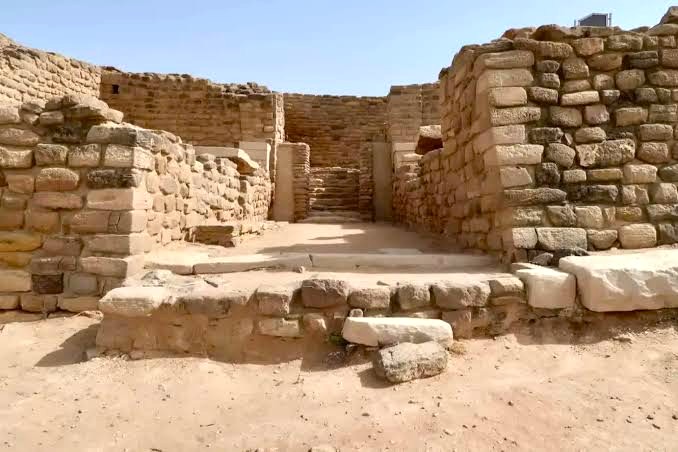
The population of the Yamuna basin has seen a massive increase over the centuries. In the 17th century, the city of Delhi and its suburbs supported an estimated 500,000 people. By 1951, the population of the districts along the river reached 20 million. Today, the urban centers such as Delhi, Agra, and Mathura house over 50 million residents. The river provides the daily water requirements for these expanding metropolitan areas. Statistics from 2021 indicate that the river basin supports one of the highest population densities in the world. This demographic concentration is managed through regional water boards coordinating the flow. Yamuna River India
Lineages of the Braj Guardians
Notable family lineages have been associated with the stewardship of the river's sanctity for generations. The Chaube Brahmins of Mathura and the local Panda clans were instrumental in maintaining the spiritual infrastructure of the riverfront. These families oversaw the maintenance of the ritual ghats and the protection of the riverine ecology. The lineages of the local boatmen maintain ancestral ties to the river's ferry points, performing annual ceremonies to honor their connection to the water. These families maintained detailed records of pilgrims and land grants dating back to 1400 CE. Their role as custodians ensured that the river's traditions were preserved.
Rites of the Holy Kalindi
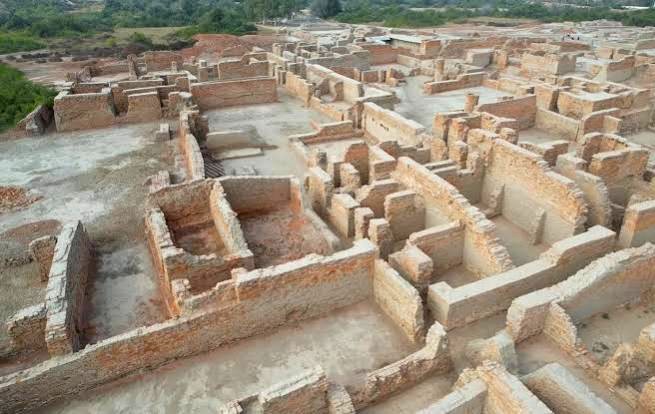
Religious practices along the Yamuna center on the concept of 'Bhakti' or divine devotion, particularly in the Braj region. The most significant event is the Yamuna Chath, celebrated in April, marking the river's descent to earth. Daily rituals involve the 'Aarati', where oil lamps are floated on the water at dusk. Thousands gather at the Vishram Ghat in Mathura to perform ritual baths during the solar and lunar eclipses. The river is considered a source of eternal youth and spiritual purification. These practices have remained consistent for over two thousand years, reflecting a deep bond between the people and the water. Yamuna River India
Sustenance of the Doab Plains
Food traditions are centered on the river's ability to support the cultivation of wheat and sugarcane in the fertile Doab soil. A staple is the 'Mathura Peda', a milk-based sweet prepared using traditional methods near the river banks. In the 1800s, annual grain production in the valley exceeded 1 million tons. Traditional preparations involve using the river water for its perceived purity. During major religious gatherings, community kitchens prepare over 10,000 kilograms of food daily to serve the pilgrims. The river also provides freshwater fish for the local communities. These food traditions are synchronized with the seasonal harvests in January and April.
Rhythms of the Krishna Festivals
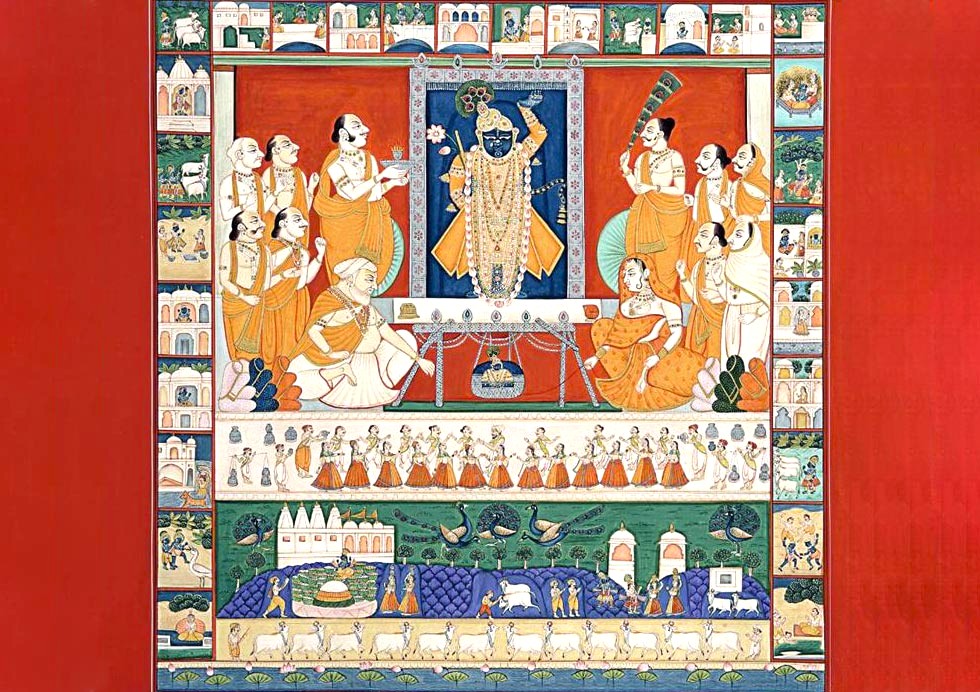
Festivals mark the celestial alignments and the river's seasonal changes. The Janmashtami festival, celebrated in August or September, marks the birth of Krishna and his association with the river. During this time, the banks at Vrindavan are illuminated by millions of lamps. Another significant event is the Kartik Purnima, celebrated in November, where over 500,000 people gather for ritual prayers. These festivals serve as communal markers of the passage of time. Cultural performances include the 'Raslila', which narrates the divine play of Krishna on the banks. These celebrations are timed with the lunar calendar to ensure maximum participation. Yamuna River India
Chronicles of the Imperial Defense
The river has served as a strategic boundary for various northern powers throughout history. In 1526 CE, the First Battle of Panipat took place near the river's edge, leading to the establishment of the Mughal power. Earlier, in the 12th century, the river fords were contested by regional forces seeking to control the gateway to the Gangetic heartland. Control over the strategic crossings at Delhi and Agra was essential for military dominance. These conflicts often resulted in the construction of massive forts overlooking the water. The outcomes of these battles determined the political map of India for several centuries.
Vessels of the Indigo Trade
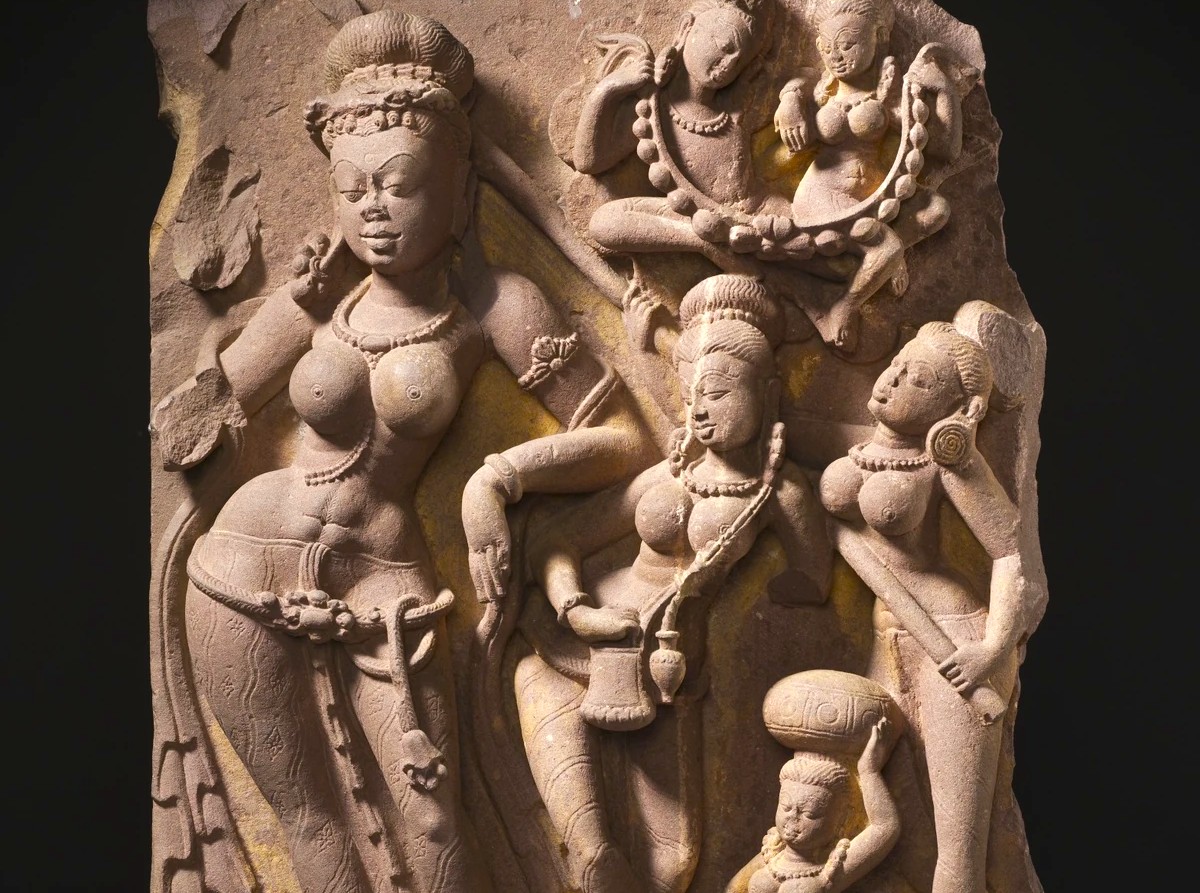
Trade routes followed the river's course, connecting the agricultural heartland to the maritime ports via the Ganges. From 1600 CE, commodities like indigo, saltpeter, and fine muslins were transported on large wooden boats along the banks. The river acted as a conduit for goods destined for the global markets of the era. The towns of the Yamuna basin were hubs of commerce where international merchants exchanged silver for Indian textiles and spices. These routes facilitated the movement of ideas and architectural styles across the northern plains. The river provided an efficient means of transport for heavy goods that supported a wealthy merchant class. Yamuna River India
Veins of the Western Canals
Water systems along the Yamuna are among the most extensive in India, featuring the Western and Eastern Yamuna Canals. The Western Yamuna Canal, originally built in the 14th century and renovated in the 19th century, diverts water to the parched fields of Haryana. In the 20th century, engineers mapped thousands of smaller channels that support millions of acres of farmland. These systems use a combination of ancient weirs and modern sluice gates to distribute water. The management of these systems requires coordination between multiple state governments. The river's silt provides natural fertilization, enabling the region to become a major grain producer.
Rites of the Riverine Union
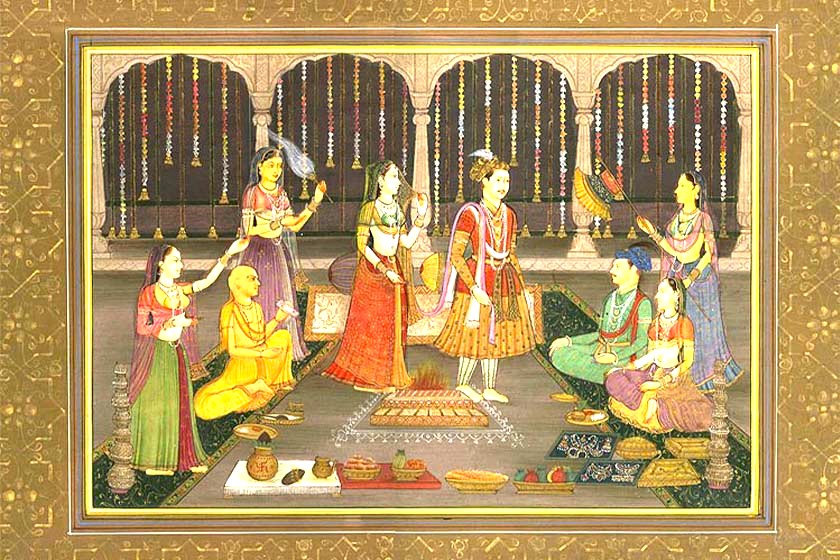
Marriage traditions include specific rituals involving the river water to ensure a life of harmony and prosperity. Women often perform the 'Yamuna Puja' at the river bank before their wedding to seek the blessings of the water deity. The river is considered a symbol of endurance and the eternal flow of life. In some communities, the bride and groom perform a ceremony where they offer silk garments to the river. These customs highlight the river's role in the social and domestic life of the people. The river is seen as a witness to the vows taken by the couples, providing a spiritual backdrop. Yamuna River India
Potions of the Himalayan Slopes
Medicinal practices along the Yamuna utilize the unique vegetation found in the mountain ranges where the river originates. Healers use 'Brahmi' and 'Vach' for cognitive health and 'Himalayan herbs' for various ailments. During the 17th century, local practitioners documented the healing properties of the river water near the source. The regions near the river banks are known for herbs used to treat respiratory infections common in the northern climate. Healers prepared specialized tonics from river minerals and mountain honey. These remedies were documented in old manuscripts that are still consulted. The river water is often used as a purifying solvent.
Decline of the Mughal Sovereignty

The decline of Mughal sovereignty began in the early 18th century as internal conflicts and the rise of the Marathas weakened the central authority in Delhi. By 1803 CE, the British East India Company had defeated the Maratha forces near the Yamuna, establishing their control over the imperial capital. The internal administrative system collapsed as the regional governors declared independence. Frequent military incursions further destabilized the local economy and the traditional management of the river's resources. The final dissolution occurred in 1858 CE after the great uprising, ending over three centuries of unified Mughal rule as the British colonial administration replaced the imperial governance.
Step Inside The Story - View All Tour Itineraries & Details

We’re here to offer genuine, thoughtful guidance if your interested in travelling to India. As a small, dedicated team, we pay close attention to every detail so you can focus on enjoying the experience while we take care of the planning. We believe the best trips begin when someone truly listens to what you want and how you like to travel, so the journey feels right for you and contributes to a happy, positive group on tour. Our communication stays clear, straightforward, and respectful at every step, with the goal of helping you feel understood, supported, and confident from first contact to the end of your journey.
Click Catherine Frith - About The Founder
Click Discover Life Travel - All Tours and More
Click Why We Are Different - Unique, Safe, Transparent