Unique Insights Into The Rivers Of India
Tungabhadra River: India
Discover Life Travel
The Lifeline of History
The Tungabhadra River originates from the union of two distinct streams, the Tunga and the Bhadra, which rise at Koodli in the Shimoga district of Karnataka. These twin sources begin their journey at an elevation of 1,198 meters within the Gangamoola peak of the Varaha Parvata in the Western Ghats. The name reflects this dual identity, symbolizing the meeting of two divine currents that merge to form a single, powerful hydrological entity. Flowing across 531 kilometers, the river traverses the states of Karnataka, Telangana, and Andhra Pradesh before joining the Krishna River at Sangameswaram. The river basin covers approximately 71,417 square kilometers, serving as the primary source of life for the semi-arid regions of the central Deccan. Since the early centuries of the common era, the river has functioned as a central geographical boundary, defining the physical landscape and the spiritual identity of the regions it carves through the rugged granite boulders. Tungabhadra River India
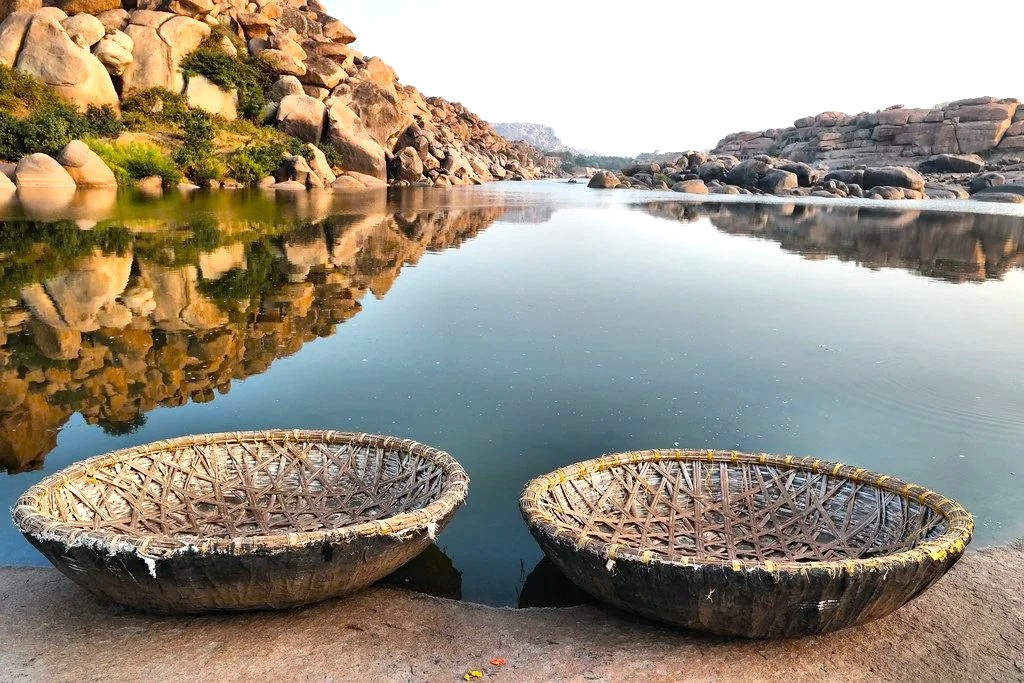
Tungabhadra River India: Celestial Origins of the Twin Peaks
The precise location of the confluence is where the Tunga and Bhadra streams meet to create the main river channel. Ancient oral traditions identify the character Pampa, the daughter of Brahma, as a central figure who performed intense penance on these banks to win the heart of Shiva. During the Neolithic period around 3000 BCE, the upper reaches were inhabited by communities using polished trap-rock axes. The river provided a constant water source in the rain-shadow region of the plateau. These prehistoric groups established some of the earliest seasonal cattle-pens in the valley. The river was perceived as a physical manifestation of divine sweat. Archaeological evidence from the Bellary district reveals that these early inhabitants utilized the river pebbles for hunting and relied on the seasonal flow for their migration across the scrub forests.
Echoes from the Granite Gorges
By 2000 BCE, the Megalithic people settled along the banks, particularly in the regions of Hirebenakal and Maski. The river facilitated the movement of iron tools and early pottery across the southern plains. Early characters in local legends, such as the sage Matanga, are depicted as residing in the caves overlooking the water. These prehistoric populations relied on the river's predictability for their pastoral cycles and early millet cultivation. The river bed provided the necessary silt for building permanent stone circles and burial chambers. Carbon dating from sites like Hallur confirms that human activity intensified around 1000 BCE, as the river began to be used for more systematic land reclamation. The interaction between the river and its inhabitants created a stable environment where early social hierarchies could form based on the control of water access and fertile riverine pastures. Tungabhadra River India
Masonry of the Ancient Aqueducts

The construction of the stone anicuts and massive irrigation canals occurred during the fourteenth century CE under the local leaders of the Anegundi region. These structures were engineered to divert the river into the rocky terrain to support the growing urban centers. Later, the Tungabhadra Dam was completed in 1953, a primary engineering milestone that transformed the region into a productive agricultural zone. This dam is 2,441 meters long and features 33 spillway gates, demonstrating advanced hydraulic knowledge for the mid-twentieth century. The project was designed to manage the high-velocity floods that occur during the monsoon months between June and August. These construction dates mark the transition from natural flow to a highly regulated hydraulic landscape. The dams ensured that the river could support a larger sedentary population by providing water for irrigation during the dry winter months.
Census of the Semi-Arid Plains
The population of the Tungabhadra basin has seen a steady increase over the centuries. In the 15th century, the city of Hampi and its surrounding suburbs supported an estimated 500,000 people, making it one of the largest urban concentrations in the world at that time. By 1951, the population of the districts along the river reached 6 million. Today, the urban centers such as Hospet, Bellary, and Kurnool house millions of residents. The river provides the daily water requirements for these expanding metropolitan areas and the large-scale steel industries of the region. Statistics from 2021 indicate that the river basin supports over 15 million people. The density of the population along the banks is a direct result of the river's capacity to provide a reliable food supply and industrial cooling water in a naturally dry landscape. Tungabhadra River India
Lineages of the Island Guardians
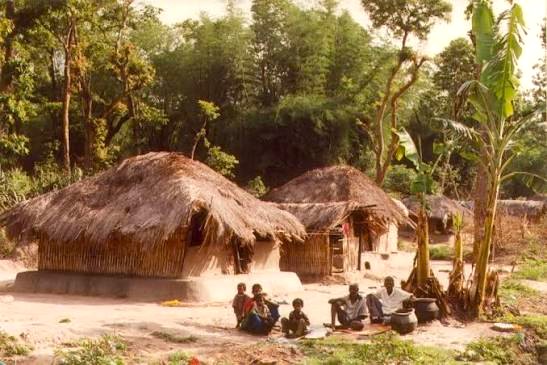
Notable family lineages have been associated with the stewardship of the river for centuries. The local Kuruba and Beda clans were instrumental in maintaining the initial irrigation infrastructure and the security of the river crossings. These families oversaw the maintenance of the ritual ghats and the protection of the riverine forests. The lineages of the local priests at the Virupaksha temple maintain ancestral ties to the river's spiritual rituals, performing annual ceremonies to honor their connection to the water. These families maintained detailed records of land grants and water distribution, some inscribed on stone slabs dating back to 1350 CE. Their role as custodians ensured that the river's resources were managed according to traditional laws, preserving the flow for future generations while cementing their own local authority and social status.
Rites of the Pampa Sarovar
Religious practices are deeply intertwined with the river's seasonal cycles and the legend of the Pampa Sarovar. The concept of 'Moksha' or spiritual liberation is central to the life of the inhabitants. Thousands gather at the river during the Tungabhadra Pushkaram, a festival occurring once every 12 years when Jupiter enters Capricorn. The river is considered a sacred path that connects the earthly realm to the celestial heights. Daily rituals involve the 'Deepotsava', where thousands of oil lamps are lit on the rocky banks at dusk. The river's water is transported to remote mountain shrines for the performance of sacred baths for the deities. These practices have remained consistent for over six hundred years. The river is viewed as a living entity that requires constant veneration to ensure the seasonal rains and the health of the community. Tungabhadra River India
Harvests of the Crystalline Silt
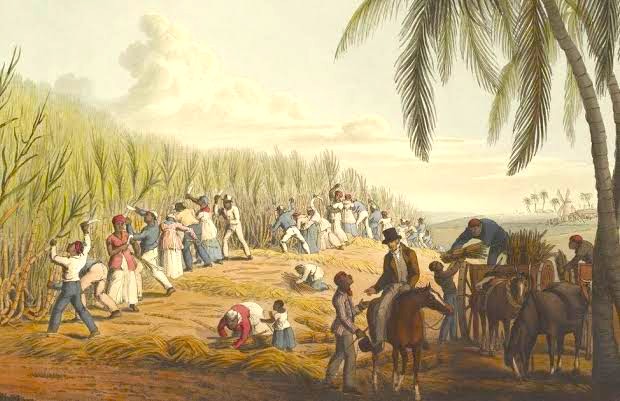
Food traditions are centered on the river's ability to produce high-quality rice and sugarcane in the red and black soils of the basin. A staple is the 'Jolada Rotti', a flatbread made from sorghum grown in the riverine plains. In the 1900s, annual sugarcane production in the valley exceeded 400,000 tons. Traditional preparations involve using the river water for its specific mineral content, which is believed to enhance the flavor of the lentils. During major religious gatherings, community kitchens prepare over 6,000 kilograms of food daily to serve the pilgrims and workers. The river also provides a variety of freshwater fish, which are a critical protein source for the local communities. These food traditions are synchronized with the seasonal harvests, with specific dishes prepared for the harvest festivals in January and October.
Rhythms of the Hampi Utsav
The Hampi Utsav is the most significant modern celebration, held annually in November on the banks of the river. This festival commemorates the cultural glory of the region and the arrival of the harvest season. Another key event is the Maha Shivaratri, celebrated in February or March, where thousands gather for all-night prayers at the riverside temples. During these times, the river banks are transformed into spiritual centers with music concerts and traditional dances. Cultural performances include the 'Dollu Kunitha', a rhythmic drum dance that celebrates the power of the land. These celebrations are timed with the lunar calendar to ensure communal participation. The scale of these events requires months of preparation by temple trusts and local village councils who coordinate the logistics of the mass gatherings. Tungabhadra River India
Veins of the Vijayanagara Canals
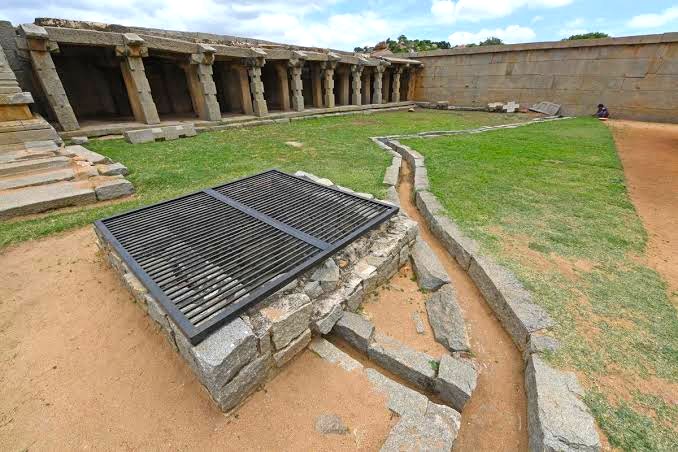
Water systems along the Tungabhadra are among the most advanced in ancient India. The network includes the Raya Canal and the Basavanna Canal, constructed using sophisticated gravity-flow techniques. In the 20th century, engineers documented over 1,500 kilometers of canals that divert water to the parched fields of Karnataka and Andhra Pradesh. These systems use a combination of ancient stone weirs and modern sluice gates to distribute water to millions of acres of farmland. The management of these systems requires coordination between different local water boards. The river's silt is rich in minerals, providing natural fertilization for the soil. This hydraulic infrastructure has enabled the region to become a major producer of rice and cotton, ensuring economic stability for the rural population who depend on the water.
Potions of the Western Ghats
Medicinal practices along the Tungabhadra utilize the unique vegetation found in the mountain ranges where the river originates. Healers use 'Brahmi' and 'Shankhapushpi' for cognitive health and 'Guduchi' for immunity. During the 16th century, local practitioners documented the healing properties of the river sediments, noting their use in treating skin ailments. The regions near the river banks are known for herbs used to treat fever and seasonal infections common in the tropical climate. Stewards employed physicians who prepared specialized tonics from river minerals and forest honey. These remedies were documented in old manuscripts that are still consulted by traditional healers in the rural belts. The river water is often used as a purifying solvent in the preparation of these ancient cures, as it is believed to carry the elemental power of the twin streams.
Decline of the Vijayanagara Dynasty
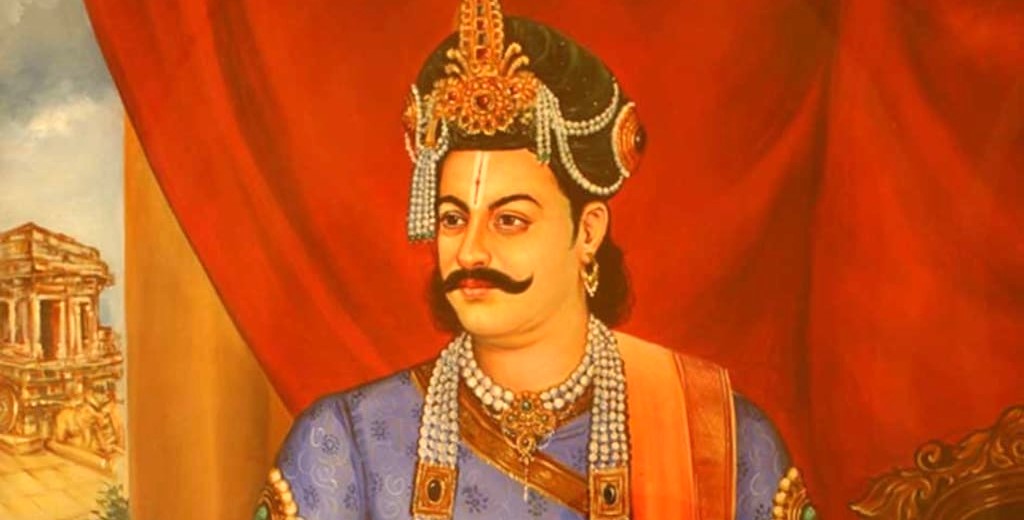
The decline of the Vijayanagara Dynasty began in the year 1565 CE following the catastrophic defeat at the Battle of Talikota. By 1570 CE, the central authority of the empire had fractured as the capital city of Hampi was systematically looted and abandoned. The internal administrative system collapsed as the regional governors declared independence from the throne. Frequent military incursions by the Deccan Sultanates further destabilized the local economy and the traditional management of the river's extensive irrigation network. The final dissolution of the independent local sovereignty occurred as the Aravidu lineage moved the capital south to Penukonda, ending over two centuries of unified rule as the fragmented local systems replaced the once-dominant imperial governance of the Tungabhadra valley. Tungabhadra River India
Step Inside The Story - View All Tour Itineraries & Details

We’re here to offer genuine, thoughtful guidance if your interested in travelling to India. As a small, dedicated team, we pay close attention to every detail so you can focus on enjoying the experience while we take care of the planning. We believe the best trips begin when someone truly listens to what you want and how you like to travel, so the journey feels right for you and contributes to a happy, positive group on tour. Our communication stays clear, straightforward, and respectful at every step, with the goal of helping you feel understood, supported, and confident from first contact to the end of your journey.
Click Catherine Frith - About The Founder
Click Discover Life Travel - All Tours and More
Click Why We Are Different - Unique, Safe, Transparent