A Unique Look Into Indian History
Tuluva Dynasty: Hampi - India
Discover Life Travel
Life Around Hampi Before Tuluva Rule
Long before the Tuluva rose, the boulder-strewn Tungabhadra valley was held by older chiefs and the earlier Sangama and Saluva lines. Archaeology reveals temples, fort walls, market ruins and irrigation works matching pre-Tuluva Vijayanagara settlement archaeology in the Hampi region and medieval south Indian trade routes linking the Deccan, Tamil country and the west coast. Inscriptions record local nayakas, merchants and temple corporations managing land and water. This pre-Tuluva Vijayanagara political and sacred landscape - already a major Hindu imperial center - was the platform from which the Tuluvas, especially Krishnadevaraya, would launch their great expansion. Tuluva Dynasty Hampi India
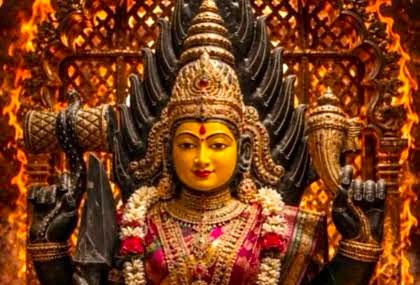
Tuluva Dynasty - Hampi, India: Krishnadevaraya’s Rise
The history begins with Tuluva Narasa Nayaka, a powerful general under the Saluva rulers, who stabilized the empire after internal chaos in the late 15th century. His son, Vira Narasimha, briefly ruled, but it was his younger son Krishnadevaraya who, in 1509 CE, fully assumed the throne at Hampi. This transition is key to power shifting from Saluva to Tuluva line in the Vijayanagara Empire. Under Krishnadevaraya and successors, imperial control spread over much of today’s Karnataka, Andhra, Telangana and Tamil regions, consolidating a high point of Hindu imperial power in early 16th-century south India.
Daily Life Of Tuluva Royals At Hampi
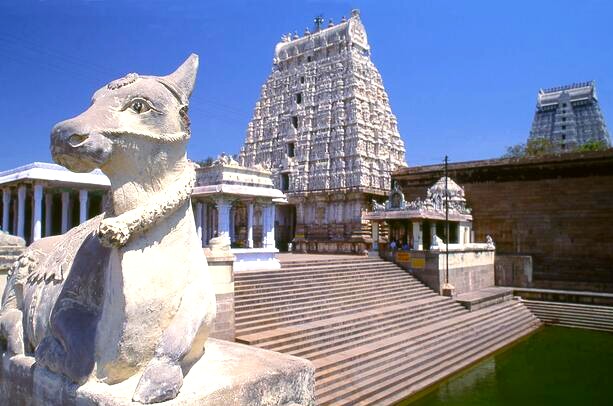
Within Hampi’s palaces, the Tuluva royal household maintained a disciplined, opulent routine. At dawn, the king bathed in ornate stone tanks, received sandal and kumkum markings, and performed worship before private shrines, embodying Hindu royal ritual practice in the Vijayanagara court. Queens supervised the inner apartments, jewelry, textile stores, kitchens and temple charities, showing elite women’s economic and religious authority in Tuluva Vijayanagara. Princes learned weapons, horse and elephant management, languages, scriptures and statecraft; princesses studied music, dance, estate accounts and alliance diplomacy. Councils, inspections, audiences and evening entertainments filled each day with structured imperial court life. Tuluva Dynasty Hampi India
Village Society Under Tuluva Vijayanagara
Beyond Hampi’s ruins lay a dense network of rural communities in the Tuluva-ruled Vijayanagara countryside. Peasants farmed rice, millets, pulses and sugarcane using river-fed canals and tanks. Women fetched water, processed grain, spun and wove cloth, and traded in weekly markets. Artisans - smiths, potters, weavers, oil-pressers and carpenters - supplied growing urban centers and export networks, forming agrarian–craft economies in 16th-century south India. Temple-centered villages, brahmin agraharas and fortified market towns all paid revenue through nayakas and local elites. This layered structure, with village assemblies and local chiefs under Tuluva overlordship, sustained both imperial surplus and regional autonomy.
Royal Kitchens, Temples And Enormous Feasts
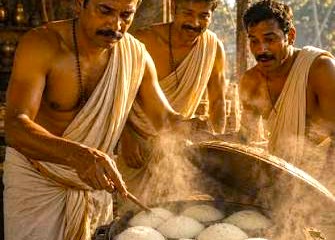
Inside the capital, vast kitchens and temple complexes demonstrate Vijayanagara royal cuisine and large-scale feeding traditions. At first light, palace cooks lit fires under huge copper and iron cauldrons, cooking rice, pulses, vegetables and sometimes meat for guards, courtiers and guests. Spice blends of coriander, cumin, pepper, chilies, tamarind and coconut flavored dishes were consistent with south Indian food culture in the Krishnadevaraya era. Temples like Virupaksha and Vitthala also ran grand anna-dana programs. On festivals and royal occasions, thousands were fed - Brahmins, pilgrims, soldiers and commoners - turning Tuluva-sponsored feasts and temple kitchens into powerful displays of generosity and dharma.
Laws, Revenue Reforms And Local Councils
Governance legal and revenue system mixed royal authority with local institutions. Inscriptions and contemporary accounts describe detailed land surveys, tax assessments and standardized coinage, especially under Krishnadevaraya, forming sophisticated revenue administration in the 16th-century Vijayanagara Empire. Village disputes over land, water and caste matters were often handled by sabhas and caste councils, reflecting continuity of south Indian village self-governance under imperial oversight. Royal officers and nayakas adjudicated serious cases; penalties could include fines, land seizure or service obligations. This layered structure shows how Tuluva law and administration depended on both imperial edicts and local custom. Tuluva Dynasty Hampi India
Gods, Temples And Sacred Patronage
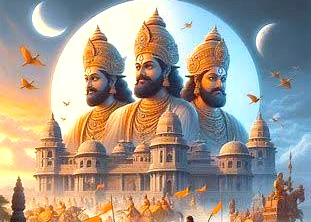
Religion under Tuluva rule centered on monumental temple complexes and maths, typifying Hindu religious life and temple patronage in Tuluva Vijayanagara. Krishnadevaraya and his queens endowed and expanded temples to Vishnu (as Vitthala, Venkateshwara, etc.), Shiva and local deities across the empire. Donations to Tirupati and other major shrines illustrate intense Vaishnavite devotion and broader sectarian support by Tuluva rulers. Village goddesses, guardian deities and serpent shrines continued to anchor local cults. Temple inscriptions record land, gold, jewelry and festival funding, revealing how Tuluva kings used sacred patronage to reinforce legitimacy and integrate diverse regions.
Festivals, Processions And Hampi Spectacle
Festival days in Hampi became legendary showcases of Vijayanagara temple processions, chariot festivals and public ritual under the Tuluvas. Deity images from Virupaksha, Vitthala and other temples rode on massive stone and wooden rathas along broad bazaar streets lined with colonnades and lamplit balconies. Musicians, dancers, reciters and acrobats accompanied, while crowds from across south India thronged the capital. Harvest festivals, Navaratri and special pan-Indian pilgrim events turned Hampi into a cosmopolitan religious fairground combining devotion, commerce and entertainment. In these spectacles, Tuluva emperors appeared in public worship, making ritual visibility a cornerstone of their political image.
Durbars, Poets And Courtly Arts
The Tuluva court was a powerhouse of South Indian courtly culture, literature and performing arts. Mornings saw petitions, land grants, diplomacy and military deliberations; afternoons and evenings featured poets, musicians and dancers. Krishnadevaraya himself wrote the Telugu classic “Amuktamalyada,” emblematic of royal patronage and participation in Telugu and Sanskrit literature under the Tuluvas. Kannada, Tamil and Sanskrit scholars found support at court and in provincial centers. Classical dance, music and dramatic performances filled palace and temple spaces, making Tuluva Vijayanagara a crucible for later Carnatic music and dance traditions as well as inscriptional and court poetry. Tuluva Dynasty Hampi India
Campaigns, Forts And Military Power
The military record of this line stands at the heart of Vijayanagara–Bahmani/Deccan Sultanate conflicts in early 16th-century India. Under Krishnadevaraya, Tuluva forces defeated the Gajapatis of Odisha, pushed back Deccan sultanates and expanded control over Raichur Doab and coastal forts. Armies fielded cavalry, elephants, archers, musketeers and heavy infantry, using combined arms tactics and fortified strongholds in South Indian warfare. Despite later setbacks and the catastrophic defeat at Talikota (1565, in the post-Krishnadevaraya era), Tuluva campaigns temporarily made Vijayanagara the pre-eminent power in the south, illustrating imperial ambition, complex alliances and geopolitical vulnerability.
Marriage Alliances And Queens’ Patronage
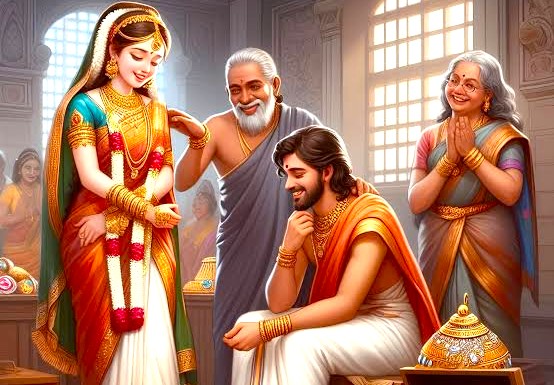
Dynastic marriages under the Tuluvas exemplify political alliance-building and elite women’s influence in the Vijayanagara Empire. Krishnadevaraya married women from significant regional houses, strengthening ties with Andhra and other powers. Queens like Tirumala Devi and Chinna Devi appear in inscriptions as donors of land and ornaments to temples, reflecting royal women’s land grants and religious patronage in Tuluva rule. Within the inner court, women could advise on diplomacy, succession and religious endowments. At the village level, women’s agricultural, domestic and ritual labor formed the quiet backbone of gendered economic and spiritual life in Tuluva-era south India.
Architects, Sculptors And Temple Aesthetics
Artistic achievements of this period define Tuluva Vijayanagara architecture, sculpture and urban planning at Hampi and beyond. The Vitthala temple’s iconic stone chariot and musical-pillared mandapa, the Hazara Rama temple reliefs and numerous gopurams showcase a mature imperial style blending Dravidian forms with local innovations. Stone carvers, architects and metalworkers created intricate friezes, bronzes and ritual objects, making early 16th-century Hampi a pinnacle of south Indian sacred art. Inscriptions and stylistic analysis reveal how Tuluva patronage solidified an aesthetic that later influenced Nayaka and other regional traditions. Tuluva Dynasty Hampi India
Funerary Rites, Samadhis And Memory
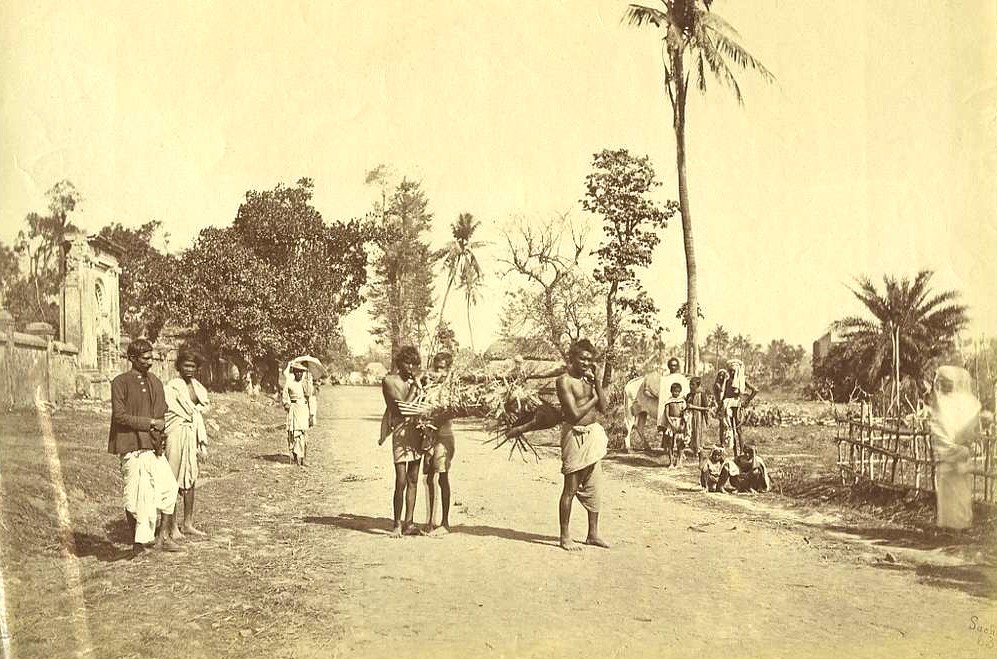
Death customs followed Hindu cremation rites and royal memorial traditions in south India. Most subjects were cremated near rivers or tanks, ashes immersed or buried near sacred spots. Royal and elite dead sometimes received samadhi-like memorials or commemorative shrines. Inscriptions recorded endowments for annual rites, ensuring ancestor veneration and continued ritual presence of deceased patrons. While not as focused on hero-stones as some Deccan regions, Vijayanagara lands still preserved local viragallu and narrative panels in temples, embedding memories of warriors and donors into the sacred and civic landscape.
Physicians, Temple Care And Healing Practices
Health care involved Ayurvedic medicine, temple-based healing and folk practices in 16th-century south India. Court vaidyas treated elites with plant-based remedies, diet and surgical techniques drawn from classical texts and local pharmacopoeias. Village healers used herbs, mantras and protective rites, reflecting traditional rural healing and spiritual protection customs in the Vijayanagara countryside. Temples with sacred tanks and mathas often served as places of convalescence and vow-based healing. Responses to outbreaks - rituals to disease goddesses, processions and occasional administrative measures - highlight a blend of ritual therapy and practical health strategies in a large early modern empire.
Canals, Tanks And River Management
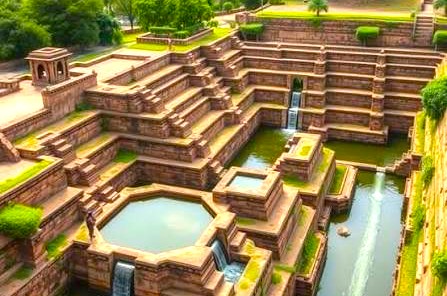
Waterworks under the Tuluvas advanced Vijayanagara irrigation, anicut and tank systems in the Tungabhadra - Krishna basin. Canals and diversion weirs channeled river water to fields and urban centers; massive tanks and smaller kattes stored monsoon rains. Travelers described Hampi’s elaborate water distribution, consistent with sophisticated hydraulic engineering in Tuluva Vijayanagara. Village assemblies and temple authorities helped maintain local works, while state-sponsored anicuts supported large command areas. Effective irrigation underpinned agrarian wealth, military provisioning and urban growth, making water management a cornerstone of Tuluva imperial success - and a vulnerability when war and decline disrupted upkeep. Tuluva Dynasty Hampi India
Succession, Talikota And Enduring Legacy
After Krishnadevaraya, succession disputes and factionalism weakened the Tuluva line, even as Vijayanagara remained powerful. The catastrophic defeat at Talikota (1565) by a coalition of Deccan sultanates shattered Hampi’s dominance, marking the military collapse of Vijayanagara’s Tuluva phase. Yet the empire’s administrative, artistic and religious patterns continued in successor Nayaka states and regional polities. Temples, inscriptions, literature and oral tradition preserve the lasting legacy of the Tuluva Dynasty in south Indian cultural memory, especially through Krishnadevaraya’s image as a just, learned and successful ruler whose era is still seen as a golden age.
Step Inside The Story - View All Tour Itineraries & Details

We’re here to offer genuine, thoughtful guidance if your interested in travelling to India. As a small, dedicated team, we pay close attention to every detail so you can focus on enjoying the experience while we take care of the planning. We believe the best trips begin when someone truly listens to what you want and how you like to travel, so the journey feels right for you and contributes to a happy, positive group on tour. Our communication stays clear, straightforward, and respectful at every step, with the goal of helping you feel understood, supported, and confident from first contact to the end of your journey.
Click Catherine Frith - About The Founder
Click Discover Life Travel - All Tours and More
Click Why We Are Different - Unique, Safe, Transparent