Unique Insights Into The Rivers Of India
Tapti River: India
Discover Life Travel
The Daughter of the Sun
The Tapti River, historically known as the Tapati, originates from the Satpura Range near the town of Multai in the Betul district of Madhya Pradesh at an elevation of 752 meters. Its name derives from the Sanskrit word 'Tap', meaning heat or warmth, signifying its identity as the daughter of Surya, the Sun god. Flowing across 724 kilometers: it traverses the states of Madhya Pradesh, Maharashtra, and Gujarat before emptying into the Gulf of Khambhat in the Arabian Sea. The river basin covers approximately 65,145 square kilometers, providing the primary water source for the fertile black cotton soil plains of the Khandesh region. Since the ancient periods, the river has functioned as a central geographical marker, shaping the territorial boundaries of the central peninsula. Its westward course, parallel to the Narmada, carves a path through rugged hills and broad valleys, serving as a vital hydrological artery that sustains millions of lives through its perennial flow and extensive silt deposits. Tapti River India
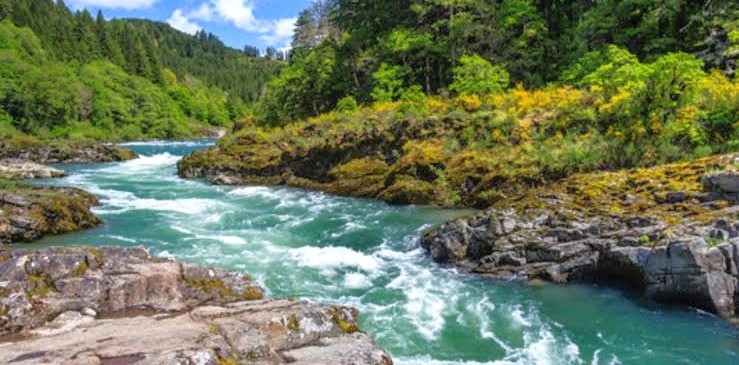
Tapti River India: Radiant Origins of the Solar Stream
Ancient oral traditions identify the character Tapati as a central figure, the daughter of the Sun and Chhaya, who was brought to earth to provide heat and life to the cooling world. During the Neolithic period around 4000 BCE, the upper reaches were inhabited by human groups using polished basalt tools. The river provided a constant water source in the semi-arid stretches of the Satpuras. These prehistoric groups established some of the earliest seasonal shelters in the valley. The river was perceived as a physical manifestation of solar energy. Archaeological evidence from the Betul plateau reveals that these early inhabitants utilized the river stones for hunting and relied on the seasonal flow for their survival in the dense teak forests.
Echoes of the First Gatherers
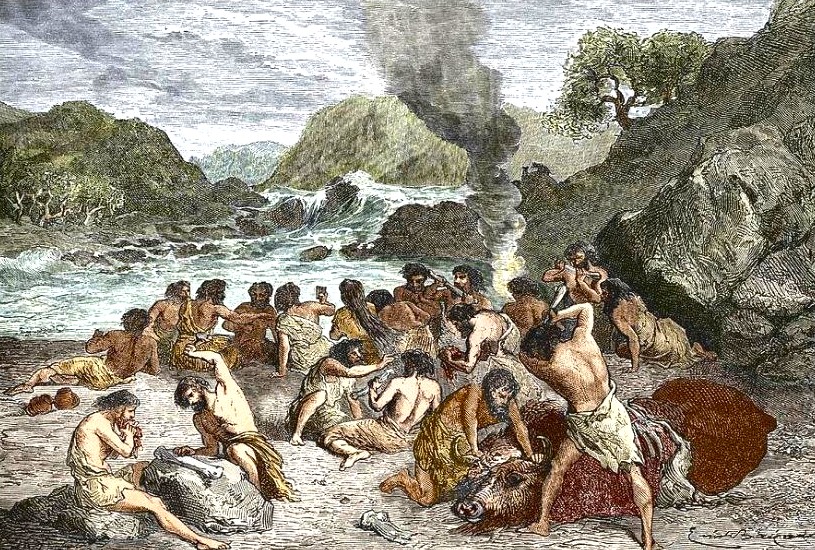
By 1500 BCE, the Chalcolithic people of the Savalda culture settled along the banks, particularly in the regions of Dhule and Jalgaon. The river facilitated the movement of copper objects and painted pottery across the western plains. Early characters in local legends, such as the King Samvarana, are depicted as seeking the hand of Tapati after performing penance on the banks. These prehistoric populations relied on the river's predictability for their rudimentary agriculture. The river bed provided the necessary clay for building their permanent dwellings. Carbon dating from sites like Prakashe confirms that human activity intensified around 1200 BCE, as the river began to be used for more systematic land use. The interaction between the river and its inhabitants created a stable environment where early social hierarchies could form based on the control of riverine resources and the storage of surplus grain. Tapti River India
Masonry of the Western Sluices
The construction of the stone embankments and riverfront ghats at Burhanpur occurred in the year 1400 CE. These structures were engineered to provide stable access to the water for the growing urban population. Later, the Hathnur Dam was completed in 1982, a primary engineering milestone that regulated the flow for the farmers of Maharashtra. The structure was designed to manage the high-velocity floods that occur during the monsoon months between July and September. Another major project, the Ukai Dam, was completed in 1972, serving as the largest multipurpose project in Gujarat.
Census of the Cotton Plains

The population inhabiting the Tapti basin has grown consistently over the centuries. In the 16th century, the city of Burhanpur supported an estimated 200,000 residents. By 1901, the population of the districts along the river reached 4.5 million. Current statistics from 2021 indicate that over 18 million people now rely on the river for their daily water requirements. The density is particularly high in the industrial zones near Surat and the agricultural belts of Khandesh. The river provides the essential water for these expanding metropolitan areas, facilitating the growth of cities like Bhusawal and Surat. This demographic concentration is managed through regional water commissions that coordinate the flow to meet the competing needs of the textile industry and the rising urban centers that have expanded along the banks for generations. Tapti River India
Guardians of the Black Soil
Notable family lineages have acted as the hereditary protectors of the river's resources for centuries. The Faruqi lineage and later the local Deshmukh families were instrumental in building the initial irrigation works that define the river's utility. These families oversaw the maintenance of the stone weirs and the protection of the riparian forests. The tribal Bhil and Pawara clans in the Satpura highlands maintain ancestral ties to the river's upper reaches, performing rituals to honor their connection to the water. These families kept detailed records of land grants and water distribution, some dating back to 1450 CE. Their role as custodians ensured that the river's flow remained a central focus of communal life, preserving the traditions of the valley through oral chronicles and the regulation of the seasonal fishing rights in the deep pools.
Rites of the Purifying Flame
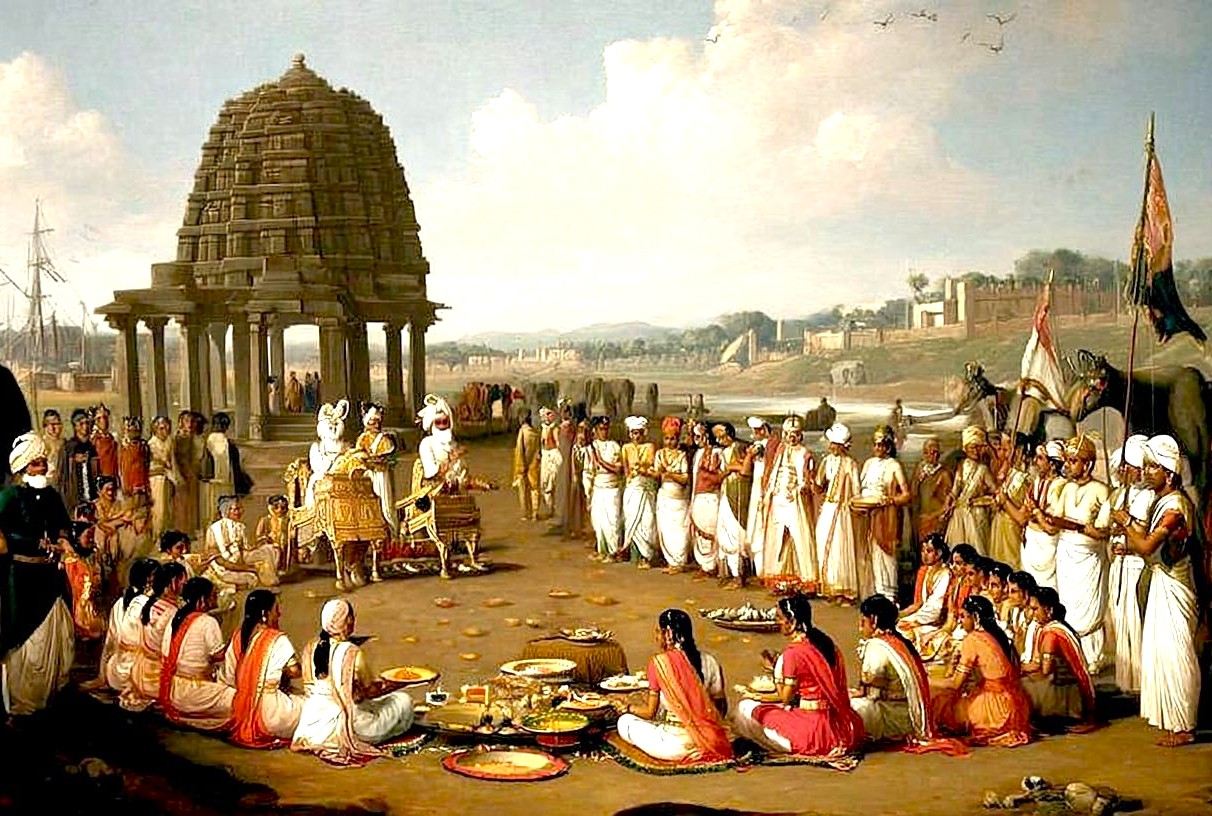
Religious practices along the Tapti center on the concept of 'Shuddhi' or ritual purification through the daughter of the Sun. The most significant event is the Ganga Dashahara, held in May or June, where thousands gather to perform ritual baths to cool their bodies before the monsoon. The river is considered a cleansing force that possesses the power to remove earthly heat and spiritual impurities. Daily rituals involve the 'Surya Arghya', where water is offered back to the Sun at dawn. The river's water is transported to local shrines for the performance of sacred baths for the stone deities. These practices have remained consistent for over six hundred years. The river is viewed as a living entity that requires constant veneration to ensure the seasonal rains and the health of the community residing in the hot plains. Tapti River India
Harvests of the Sun Drenched Delta
Food traditions are centered on the river's ability to support the cultivation of bananas and sugarcane in the rich alluvial soil. A staple is the 'Khandeshi Shev Bhaji', a spicy curry served with flatbreads made from grain grown in the river silt. In the 1900s, annual banana production in the valley exceeded 500,000 tons. Traditional preparations involve using the river water for its specific mineral content. During major religious gatherings, community kitchens prepare over 3,000 kilograms of food daily to serve the pilgrims and travelers. The river also provides a variety of freshwater fish, which are a critical protein source for the laboring classes in the lower reaches. These food traditions are synchronized with the seasonal harvests, with specific dishes prepared for the harvest months of October and February to celebrate the river's bounty.
Rhythms of the Solar Calendar
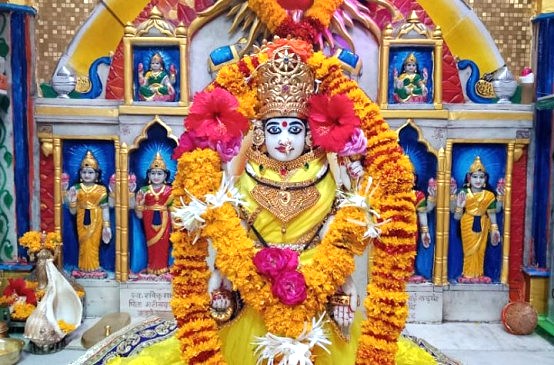
Festivals mark the celestial alignments and the river's seasonal changes. The Tapti Jayanti, celebrated in July, marks the traditional birthday of the river according to the Hindu calendar. During this time, the banks at Multai and Burhanpur are illuminated by thousands of oil lamps. Another significant event is the Kartika Purnima, celebrated in November, where over 200,000 people gather for ritual prayers and boat floating ceremonies. These festivals serve as communal markers of the passage of time. Cultural performances include folk songs that narrate the river's journey from the mountains to the sea. These celebrations are timed with the lunar calendar to ensure communal participation. The scale of these events requires months of preparation by local guilds who coordinate the logistics of the mass gatherings near the water. Tapti River India
Blood on the Western Fords
Battle chronicles record the river as a strategic boundary for regional powers. In 1681 CE, the Battle of Burhanpur occurred near the river's edge, where the Maratha forces launched a surprise raid on the Mughal encampment. Earlier, in the 15th century, the Faruqi rulers used the river's deep ravines to launch a defense against invading southern armies. Control over the river's fords at Sarangkheda was essential for military movement between the north and the south. These conflicts often resulted in the fortification of the riverbanks and the construction of massive stone walls. The outcomes of these battles determined the political map of the western Deccan for centuries. The river has witnessed the passage of countless armies, each seeking to control the wealth of its fertile basin and the strategic trade routes.
Vessels of the Cotton Highway
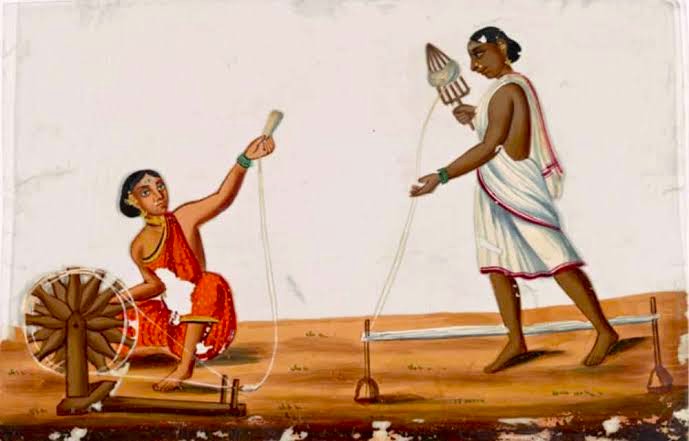
Trade routes followed the river's course, connecting the cotton-growing regions of Khandesh to the maritime ports of the west coast. From 1600 CE, commodities like textiles, indigo, and spices were transported on flat-bottomed boats and ox-carts along the banks. The river acted as a conduit for goods destined for the ports of the English and Dutch East India Companies. The port of Surat at the river's mouth was a global commercial hub where silver was exchanged for Indian cotton and silk. These trade routes facilitated the movement of ideas and craft techniques across the western plains. The river provided a reliable means of transport for heavy bales of cotton that could not be easily moved across the rugged hills, supporting a wealthy merchant class and the growth of commercial centers like Jalgaon.
Veins of the Hydraulic Network
Water systems along the Tapti are among the most developed in western India, featuring a series of dams and canals. The network includes the Kakrapar Weir and the massive Ukai canal system. In the 20th century, engineers mapped thousands of individual channels that divert water to the parched fields of Gujarat and Maharashtra. These systems use a combination of gravity and modern sluice gates to distribute water to millions of acres of farmland. The management of these systems requires coordination between multiple state governments. The river's silt is rich in minerals, providing natural fertilization for the soil. This hydraulic infrastructure has enabled the region to become a major producer of cotton and oilseeds, ensuring economic stability for the rural population who depend on the water for their livelihoods. Tapti River India
Rites of the Riverine Brides
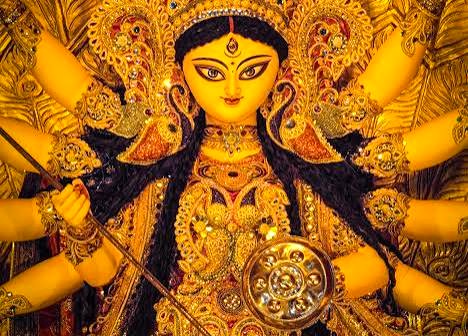
Marriage traditions include specific rituals involving the river water to ensure a life of warmth and domestic stability. Women often perform the 'Tapati Puja' at the river bank before their wedding to seek the blessings of the solar deity. The river is considered a symbol of endurance and the eternal flow of life. In some communities, the bride and groom perform a ceremony where they offer grains to the river to ensure the couple's future prosperity. These customs highlight the river's role in the social and domestic life of the people. The river is seen as a witness to the vows taken by the couples, providing a spiritual backdrop for the family's transition. These practices have been preserved through oral traditions and are still observed with great devotion by the families.
Days of the Riverside Sovereigns
Daily life for the regional leaders often focused on the riverside palaces during the intense summer months. The regional heads would hold council in stone pavilions built over the water to take advantage of the natural cooling from the river breeze. The children were educated in the history of the river and the importance of its management. Royal excursions involved traveling in decorated boats to the island shrines. The kitchens utilized fresh river produce and seasonal fruits for their daily meals. These river-side residences provided a sanctuary from the administrative pressures of the inland capitals. The leaders sponsored the construction of public ghats and rest houses for travelers, ensuring their legacy was tied to the public's access to the sacred current and the prosperity of the entire basin. Tapti River India
Potions of the Satpura Slopes
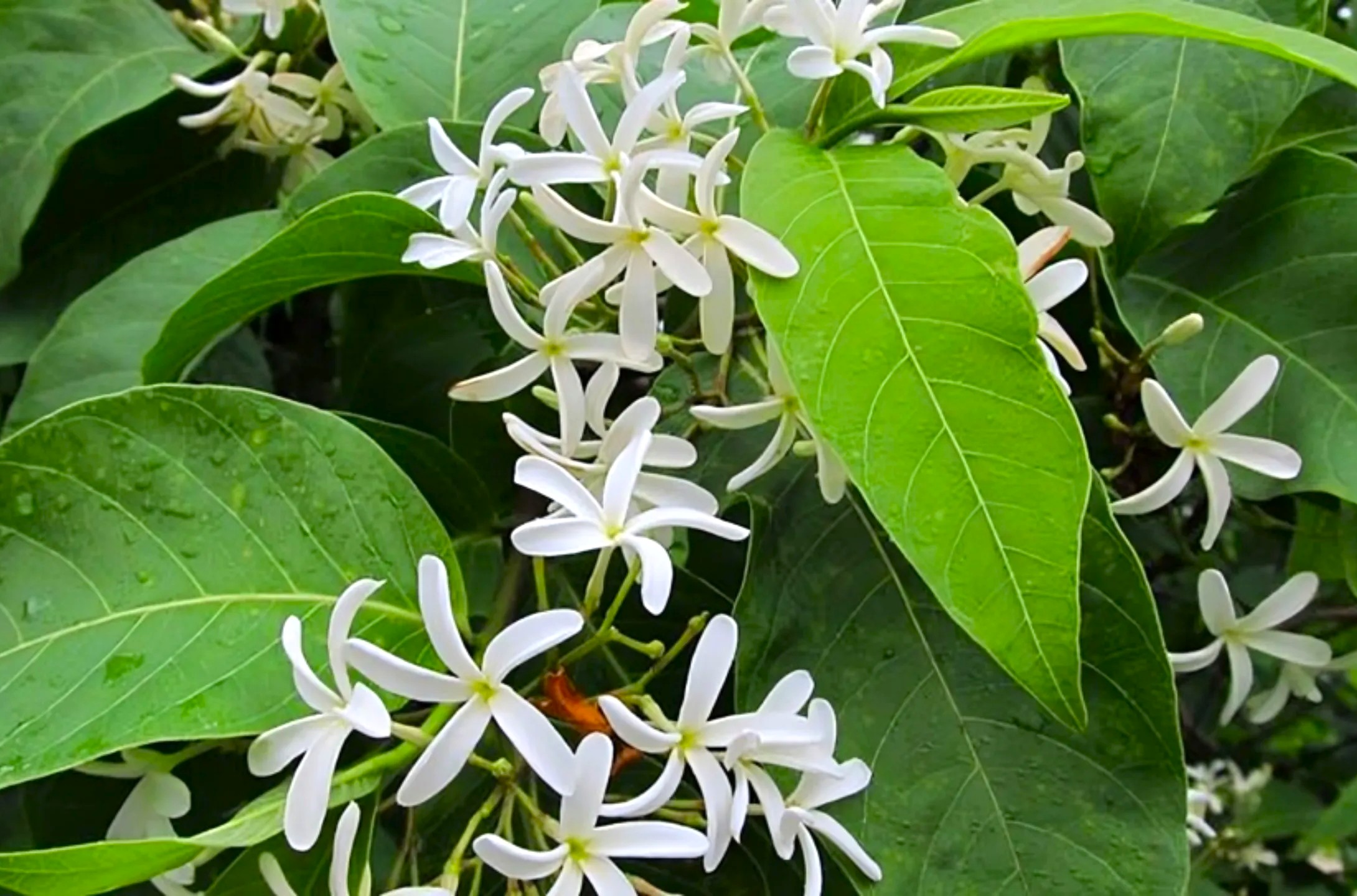
Medicinal practices along the Tapti utilize the unique vegetation found in the Satpura mountain ranges. Healers use 'Kutaj' and 'Nagarmotha' for digestive health and 'Arjuna' for cardiac wellness. During the 17th century, local practitioners documented the healing properties of the river minerals, noting their use in treating skin ailments. The regions near the river banks are known for herbs used to treat fever and seasonal infections common in the tropical climate. Stewards employed physicians who prepared specialized tonics from river sediments and forest honey. These remedies were documented in old manuscripts that are still consulted by traditional healers in the rural belts. The river water is often used as a purifying solvent in the preparation of these ancient cures, as it is believed to carry the elemental power of the solar daughter.
Decline of the Faruqi Dynasty
The decline of the Faruqi Dynasty began in the year 1599 CE when the Mughal forces under Akbar laid siege to the fort of Asirgarh overlooking the Tapti. By 1601 CE, the central authority of the Faruqis had collapsed as the last ruler, Bahadur Shah, was forced to surrender his territories. The internal administrative system fractured as the region was absorbed into the expanding Mughal administration. Frequent military campaigns in the late 17th century further destabilized the local economy and the traditional management of the river's resources. The final dissolution of the independent local sovereignty occurred as the Maratha power emerged to claim the Khandesh region, ending nearly two centuries of Faruqi rule as the centralized imperial system replaced the traditional local governance of the Tapti valley. Tapti River India
Step Inside The Story - View All Tour Itineraries & Details

We’re here to offer genuine, thoughtful guidance if your interested in travelling to India. As a small, dedicated team, we pay close attention to every detail so you can focus on enjoying the experience while we take care of the planning. We believe the best trips begin when someone truly listens to what you want and how you like to travel, so the journey feels right for you and contributes to a happy, positive group on tour. Our communication stays clear, straightforward, and respectful at every step, with the goal of helping you feel understood, supported, and confident from first contact to the end of your journey.
Click Catherine Frith - About The Founder
Click Discover Life Travel - All Tours and More
Click Why We Are Different - Unique, Safe, Transparent