A Unique Look Into Indian History
Suryavanshi (Solar) Dynasty: Uttar Pradesh
Discover Life Travel
Pre-Dynastic Life and Ancient Clans
Before the illustrious Suryavanshi Dynasty rose to prominence, the region of Kosala, with its heart in the ancient city of Ayodhya's historical artifacts and clans, was a cradle of civilization. Archaeological evidence and ancient texts speak of various clans inhabiting this fertile land. Among the most notable were the Ikshvakus, who are considered the progenitors of the Solar Dynasty. Artifacts from this early period, though scarce, include distinctive pottery styles and rudimentary iron implements, hinting at a sophisticated agrarian society. The region, corresponding to modern-day Uttar Pradesh, was a mosaic of tribal settlements, each with its own customs and traditions, setting the stage for the grand epic of the Suryavanshi kings. The ancient clans of Ayodhya before the Solar Dynasty laid the cultural and social foundations for the kingdom to come. Suryavanshi Solar Dynasty Uttar Pradesh
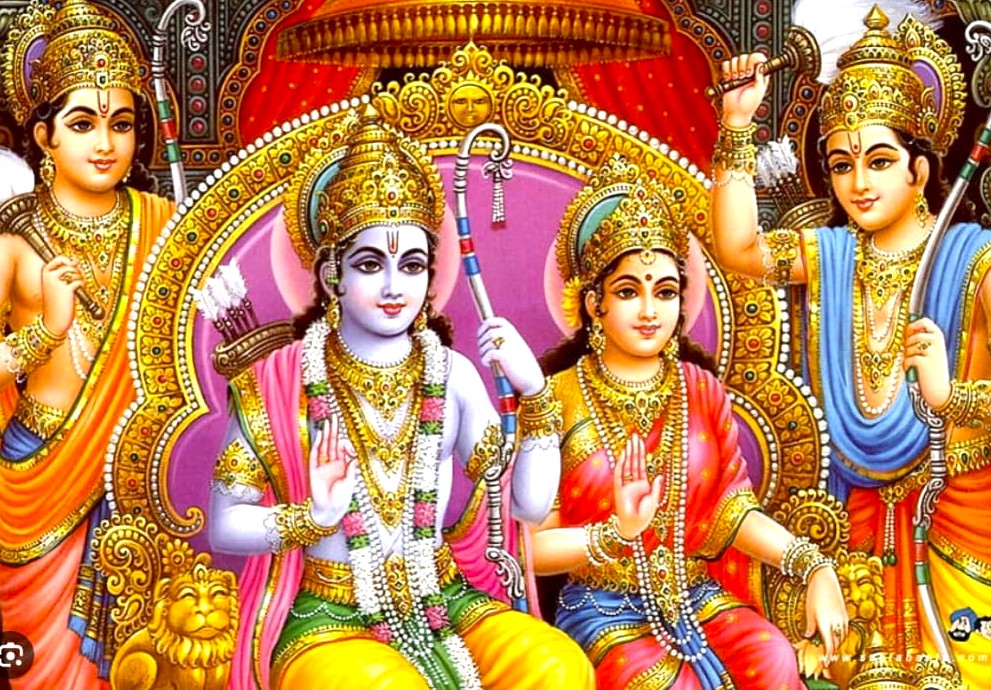
Suryavanshi (Solar) Dynasty - Uttar Pradesh: The Dawn of the Solar Dynasty
The arrival of the Suryavanshi marked a pivotal moment in ancient Indian history. Descended from the Sun God, Surya, the dynasty was founded by King Ikshvaku, who established his kingdom in Ayodhya during the Treta Yuga. The founding of the Suryavanshi Dynasty by King Ikshvaku heralded an era of righteousness and prosperity. King Ikshvaku, his queen, and their children, including the noble prince Vikukshi, are immortalized in the Puranas as rulers of immense virtue and power. The kingdom they governed stretched across the Gangetic plains, a vast and fertile expanse that flourished under their benevolent rule. The history of the Solar Dynasty's first king and queen is a tale of divine lineage and the establishment of a legendary royal house.
A Day in the Life of Royalty
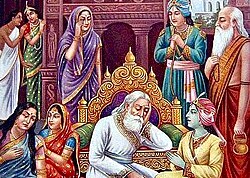
The daily life of royalty was a meticulously orchestrated affair, blending spiritual devotion with kingly duties. The king's day would commence before sunrise with prayers and oblations to the Sun God, followed by consultations with his ministers on matters of state. The queen, a paragon of grace and wisdom, would oversee the royal household and engage in charitable activities. The royal children's education was a rigorous curriculum of sacred texts, statecraft, and martial arts, preparing them for their future roles. The daily routine of the Suryavanshi king and queen was a testament to their commitment to Dharma and the welfare of their subjects, a life of disciplined opulence and solemn responsibility. Suryavanshi Solar Dynasty Uttar Pradesh
Society in the Solar Kingdom
Life for the common people in the kingdom was deeply intertwined with the rhythms of nature and the tenets of Dharma. The society was predominantly agrarian, with villages forming the backbone of the economy. The daily life of commoners in the was characterized by a strong sense of community and adherence to social customs. Villagers engaged in farming, animal husbandry, and various crafts, their lives governed by the changing seasons. The caste system, though present, was more fluid than in later periods, with social mobility being a possibility. The people enjoyed a life of relative peace and prosperity, secure under the just and benevolent rule of their kings.
The Royal Kitchens: A Gastronomic Marvel
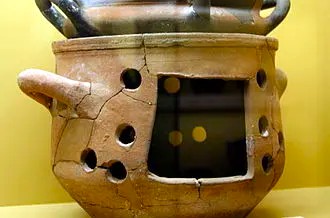
The royal kitchens were legendary for their scale and culinary artistry. Preparing food in the Suryavanshi Dynasty's kitchens was a monumental daily task, with vast quantities of food cooked to feed the royal family, courtiers, and a multitude of guests and retainers. The cuisine was a sophisticated blend of flavors, utilizing a wide array of locally sourced grains, vegetables, fruits, and dairy products. Feasts were a common occurrence, especially during festivals and celebrations, where an astonishing variety of dishes would be served. The ancient Indian royal food preparation techniques employed in these kitchens were a testament to the dynasty's opulence and the advanced culinary knowledge of the time. Suryavanshi Solar Dynasty Uttar Pradesh
Justice and Punishment
The legal system was rooted in the principles of Dharma, ensuring justice for all. The laws and punishments in the Suryavanshi Kingdom were designed to maintain social order and righteousness. The king, as the ultimate dispenser of justice, would preside over a court of learned advisors. Punishments were meted out according to the severity of the crime, with theft, for instance, being punishable by restitution and public reprimand, while more heinous crimes could lead to exile or even capital punishment. The emphasis, however, was always on reformation and upholding moral values, making the ancient Indian legal system and its examples a fascinating study in jurisprudence and ethics.
The Pantheon of the Solar Dynasty
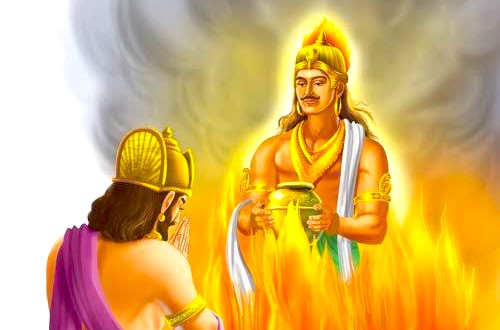
The religious life was rich and vibrant, with a pantheon of deities worshipped with great devotion. At the apex of this pantheon was Surya, the Sun God, the divine progenitor of the dynasty. The deities worshipped included the entire Vedic pantheon, with Indra, Agni, and Varuna holding prominent positions. However, it was the worship of Vishnu, the preserver, that gained increasing prominence over time, with many Suryavanshi kings, including the legendary Rama, being considered his avatars. The ancient Indian gods and their significance in the daily lives of the people and the royalty were a testament to the deep spiritual moorings of the Solar Dynasty.
Festivals and Processions
Festivals were celebrated with unparalleled grandeur and public participation. The festivals and processions were elaborate affairs, marked by colorful processions, music, dance, and feasting. Major festivals like Diwali and Dussehra were celebrated with great enthusiasm, with the entire kingdom participating in the festivities. Royal processions, with the king and queen mounted on caparisoned elephants, were a common sight, showcasing the dynasty's might and splendor. These ancient Indian festival traditions and their rituals were not just occasions for revelry but also a means of fostering a sense of unity and shared identity among the people.
Royal Courts and Grand Entertainments
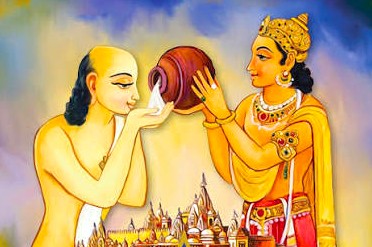
The royal courts were glittering hubs of culture and entertainment. The royal court entertainment was a sophisticated blend of music, dance, poetry, and drama. Accomplished musicians and dancers would perform for the royal family and their guests, while court poets would recite epic poems and eulogies. The courts were also venues for intellectual debates and philosophical discussions, attracting scholars and thinkers from far and wide. The ancient Indian royal court life and culture was a vibrant tapestry of artistic expression and intellectual ferment, reflecting the refined tastes of the kings.
Martial Prowess and Resilience
The battles and resilience of the Suryavanshi Dynasty are legendary, with its kings leading their armies to victory in numerous wars. The dynasty faced numerous challenges, from internal strife to external invasions, however its rulers, with their unwavering courage and strategic acumen, always managed to overcome adversity. The epic Ramayana, which narrates the story of the Suryavanshi king Rama, is a testament to the dynasty's martial prowess and its ability to withstand the greatest of challenges. The military history and its famous wars is a saga of valor, sacrifice, and indomitable spirit. Suryavanshi Solar Dynasty Uttar Pradesh
Royal Marriages and the Status of Women
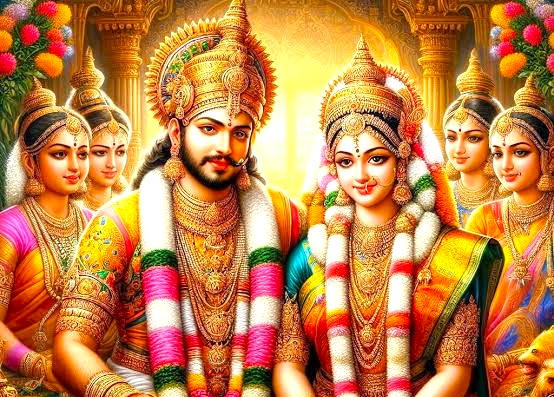
Marriage arrangements within royal family were pivotal political and social events. The royal marriage arrangements were often strategic alliances aimed at strengthening the kingdom's position. The Swayamvara, where a princess chose her husband from a gathering of suitors, was a popular practice. The treatment of women in the Solar Dynasty was generally one of respect and honor. Queens and royal women were educated and often played an advisory role in matters of state. While the society was patriarchal, women were not secluded and enjoyed a degree of freedom and agency, as exemplified by powerful female figures in the dynasty's history.
The Flourishing of Arts and Poetry
The Suryavanshi were a great patron's of the arts, with magic, artistry, and poetry flourishing under its rule. The artistry and poets created works of enduring beauty and value. The period saw the creation of magnificent temples and palaces, adorned with intricate carvings and sculptures. Court poets, such as the legendary Valmiki, the author of the Ramayana, composed epic poems that have been cherished for millennia. The magic and mysticism in ancient Indian art also found expression in various art forms, reflecting the deep spiritual and philosophical currents of the age.
Burial Ceremonies: A Final Farewell
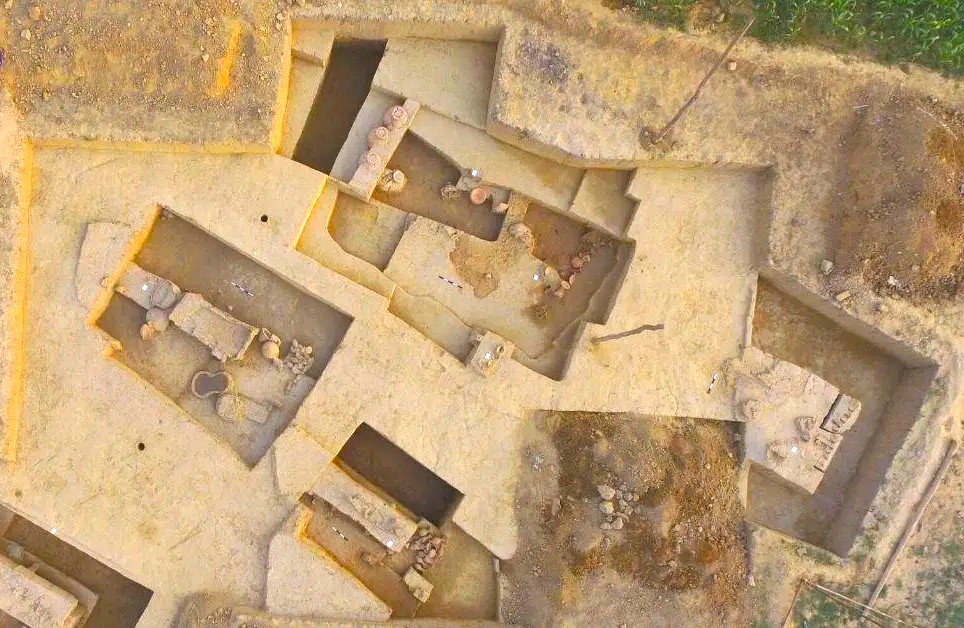
The final rites of passage in the kingdom were conducted with great solemnity and adherence to tradition. The burial ceremonies for royalty were elaborate affairs, involving complex rituals and the chanting of sacred hymns. The deceased, whether royalty or commoner, were cremated on a funeral pyre, with their ashes being immersed in a sacred river. The ancient Indian death rituals and their significance were rooted in the belief in the cyclical nature of life and death and the journey of the soul to the afterlife. These ceremonies provided solace to the bereaved and ensured a dignified farewell for the departed. Suryavanshi Solar Dynasty Uttar Pradesh
Physicians and the Science of Healing
Healthcare was surprisingly advanced for its time. The physicians and doctors for health were learned individuals, well-versed in the science of Ayurveda. They possessed a deep knowledge of medicinal herbs and their healing properties and could perform complex surgical procedures. The ancient Indian medical practices and their effectiveness were renowned, with physicians enjoying a high social standing. The emphasis was on holistic wellness, with a focus on diet, lifestyle, and the balance of the body's humors.
Aqueducts and Royal Waterways: Engineering Marvels

The dynasty's reign was marked by impressive feats of engineering, particularly in the management of water resources. The aqueducts and royal waterways were a testament to their advanced understanding of hydraulics. A sophisticated network of canals and reservoirs was built to irrigate agricultural lands and supply water to the cities. The ancient Indian water management systems and their impact were crucial for the kingdom's prosperity, ensuring a stable food supply and a healthy urban environment. These engineering marvels stand as a tribute to the dynasty's vision and technical prowess.
The Rise of a New Dynasty
Even the most glorious dynasties eventually give way to the tides of time. The emergence of a new dynasty after the Suryavanshi was a gradual process, marked by internal conflicts and external pressures. While the Suryavanshi lineage continued, its political power waned, and new power centers emerged in the region. The reasons for the decline of the Solar Dynasty are complex and multifaceted, involving a combination of political, social, and economic factors. The legacy of the Suryavanshi dynasty, however, endured, its ideals and achievements continuing to inspire future generations of rulers and shaping the course of Indian history. Suryavanshi Solar Dynasty Uttar Pradesh
Step Inside The Story - View All Tour Itineraries & Details

We’re here to offer genuine, thoughtful guidance if your interested in travelling to India. As a small, dedicated team, we pay close attention to every detail so you can focus on enjoying the experience while we take care of the planning. We believe the best trips begin when someone truly listens to what you want and how you like to travel, so the journey feels right for you and contributes to a happy, positive group on tour. Our communication stays clear, straightforward, and respectful at every step, with the goal of helping you feel understood, supported, and confident from first contact to the end of your journey.
Click Catherine Frith - About The Founder
Click Discover Life Travel - All Tours and More
Click Why We Are Different - Unique, Safe, Transparent