Unique insights Into The Religions Of India
Sikhism In India
Discover Life Travel
The Rise of the Gurus' Path
The history of this faith begins with the profound realizations of Guru Nanak Dev Ji in the late 15th century, long before the rise of any formal political dynasty in the Punjab. Before the first Sikh sovereign state was established, the roots of this tradition were planted through a revolutionary message of equality and service. This period was a time of deep social reform where the ideas of a singular, universal Creator met a world divided by caste and ritualism. This introduction looks at the two centuries of spiritual evolution under ten living Gurus, where the first Gurdwaras were built and a unique identity of the saint-soldier began to take shape, setting the stage for a lineage that would eventually define the lives of millions. Sikhism In India
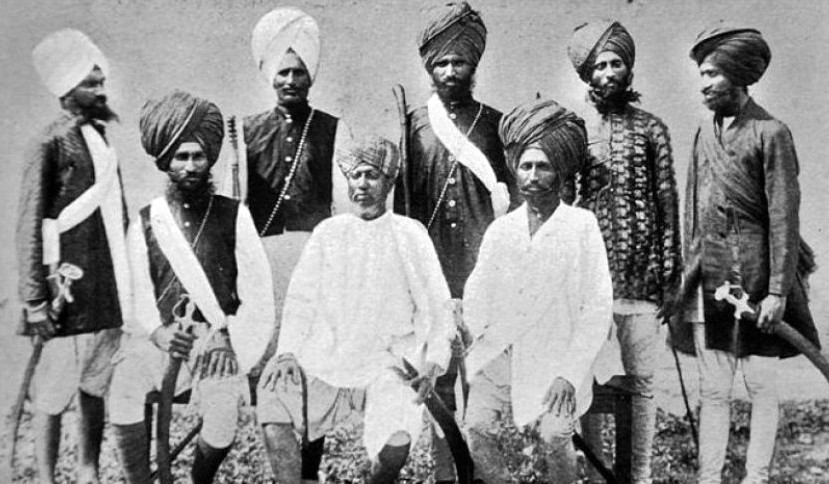
Sikhism In India: Primordial Echoes of the Five Rivers
In the phase preceding the Sukerchakia Dynasty, the ruling house that established the first Sikh Empire, the spiritual identity of the region was forged in the fertile plains of the Punjab. The name of the land, meaning "Land of Five Waters," was where the early community established its first center at Kartarpur. This region, spanning present-day India and Pakistan, was where early practitioners mastered the art of communal living. Evidence from the late 1400s shows that the first settlements were built on principles of shared labor and common kitchens. These early groups were not under a singular ruler but lived as a growing brotherhood, following the divine hymns. This era established the essential link between hard work, honest living, and the constant remembrance of the divine.
The Architecture of Ancient Social Order
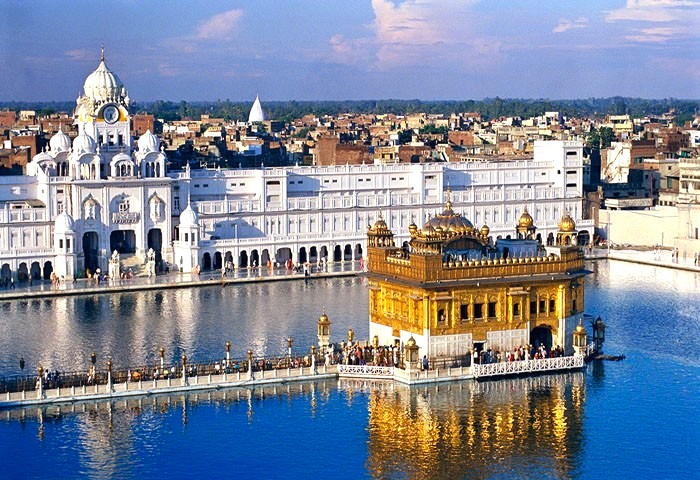
Social life was organized around the Sangat (holy congregation), which served to align individual ego with the collective good. Women held a revolutionary role: Guru Nanak insisted on their total equality, allowing them to lead prayers and participate in all social functions. Marriage was viewed as "one soul in two bodies," a sacred partnership meant to support spiritual growth. In the dwellings of the early leaders, which were constructed with simple brick and mortar around 1521, life was a disciplined cycle of early morning meditation and selfless service. The population lived in agrarian communities, working as farmers and craftsmen, ensuring that the spiritual insights of the Gurus were supported by the practical labor of the people. Sikhism In India
Rituals and Celebrations of the Second Age
Community bonding was facilitated through celebrations tied to the transition of the Gurus and the harvest. Vaisakhi, marking the birth of the Khalsa in 1699, is traditionally observed on April 13th or 14th, starting with the raising of the Nishan Sahib at dawn. Gurpurab, celebrating the birth of Guru Nanak, occurs on the full moon of Katak (October or November), with processions typically peaking between 10:00 AM and 2:00 PM. These events provided a rhythm to life, allowing the local population to pause their labor and reconnect with the community. The early leaders would open the Langar (free kitchen) to everyone, reinforcing a sense of unity and ensuring that no one in the land went hungry.
Conflicts and the Evolution of Authority

The battles led by Guru Gobind Singh Ji involved figures like the Panj Pyare and his own children, the Sahibzade, who sacrificed their lives for justice. This struggle, occurring in the late 17th century, cleared the way for the eventual rise of the Sikh Misls. From these early military alliances, the population has grown into the millions residing in these historic regions today. The construction of the first fortified outposts like Anandpur Sahib signaled a new era of centralized protection and the birth of a nation of warriors who fought for the rights of the downtrodden.
The Divine Connection in Daily Living
Daily life for the average person involved the practice of Nitnem (daily prayers), starting with Japji Sahib before the sun rose. While the leadership managed the defense and treaties of the early Panth, the common folk focused on agriculture, cattle rearing, and the defense of the weak. The Gurdwara was the central hub for education and public counsel, where the local community often oversaw the welfare of travelers and the resolution of local issues. This way of life was built on the belief that the Creator resides within all creation. Even the simplest act, like serving water to a stranger, was performed with a sense of gratitude and adherence to the laws of hospitality and bravery. Sikhism In India
Sacred Geography and Early Sanctuaries
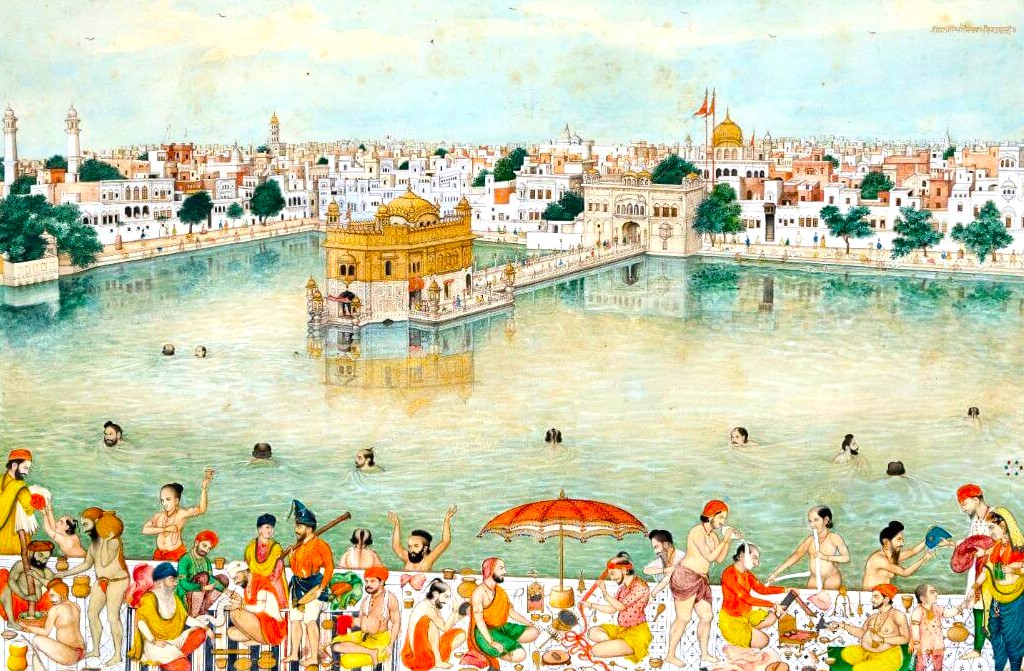
Certain geographical locations were recognized as points of high spiritual vibration. Places like Amritsar and Goindwal, located in the heart of the Punjab, became the focal points for early seekers. These sites were defined by the presence of a Sarovar (holy tank) and the practice of communal singing. The construction of the first permanent structures at the Golden Temple dates back to 1577, serving as the spiritual blueprints for all future Gurdwaras. This era saw the population migrate across the northern plains, bringing their sacred scriptures and their drums with them, turning the landscape into a map of sacred sites where the spirit of the Gurus was felt in every brick.
Philosophies of the Pre-Dynastic Mind
The intellectual landscape was dominated by the Guru Granth Sahib, which was compiled before the rise of the major Sikh political powers. This text explored the relationship between the individual and the Formless One through poetry from various backgrounds. Life in the early centers was simple; seekers lived in the presence of the Guru, learning the arts of humility and martial prowess. This was a time when the search for truth was considered a path of action rather than just theory, and even high-ranking officials would leave their posts to serve in the communal kitchen. This prioritization of character over status ensured that the core of the faith remained accessible to the common person. Sikhism In India
Sacred Sounds and the Oral Tradition
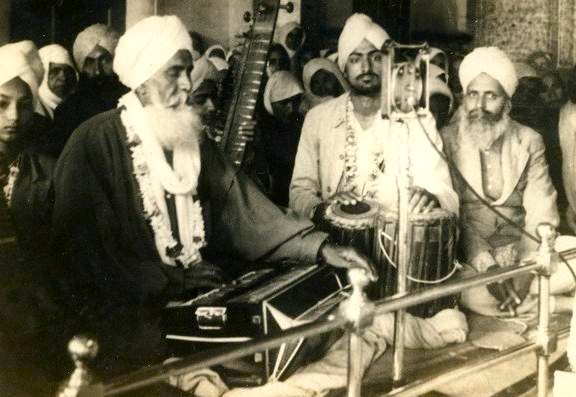
Knowledge was preserved through the tradition of Kirtan, the singing of divine hymns. Before the wide availability of printed books, the verses were memorized and performed with specific musical Ragas to ensure the emotional message remained pure. Children were taught these sounds from a young age in the local Dharamsalas, turning the entire population into a living archive of the word. This method prevented the distortion of the teachings and fostered a deep sense of discipline and artistic beauty. The daily life of the early community included the constant recitation of these hymns, ensuring that the spiritual elite were those who most accurately lived the word. This history highlights the power of sound in preserving community identity. Sikhism In India
The Role of Nature in Ancient Devotion
Early Sikh practice was deeply connected to the land, recognizing the divine in the flowing rivers and the ancient trees. The Gurus often meditated under specific trees, which are still honored today. These natural environments served as the first spaces for quiet reflection and gathering. The local population lived in harmony with the seasonal cycles, performing specific prayers of thanks for the harvest. This respect for nature ensured that the resources of the land were managed with a sense of stewardship. It reflects a worldview where the human being is a caretaker of the earth, responsible for maintaining its health and ensuring that the bounty of nature is shared by all living beings.
The Integration of Art and Spirituality
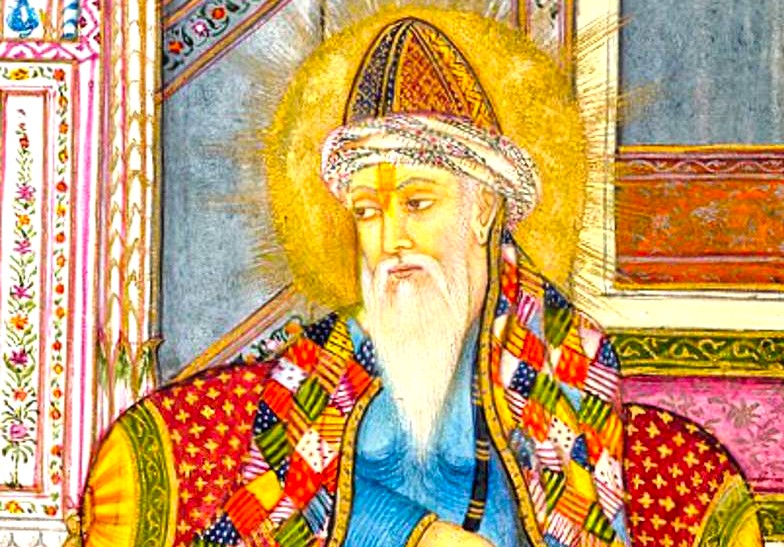
Artistic expression was found in the development of unique architectural styles and the crafting of fine weapons. Before the 1st Dynasty, these arts were practiced in the decoration of the early Gurdwaras and the making of steel blades. The development of the Gatka, where martial arts were used as a tool for physical and spiritual discipline, allowed the average person to engage with the faith through action. The local artisans, who were often families of carpenters and blacksmiths, created the first unique Sikh styles that paved the way for the later marble wonders. This integration of the aesthetic and the spiritual ensured that the pursuit of strength was always a form of worship, making every act a service to the divine. Sikhism In India
Step Inside The Story - View All Tour Itineraries & Details

We’re here to offer genuine, thoughtful guidance if your interested in travelling to India. As a small, dedicated team, we pay close attention to every detail so you can focus on enjoying the experience while we take care of the planning. We believe the best trips begin when someone truly listens to what you want and how you like to travel, so the journey feels right for you and contributes to a happy, positive group on tour. Our communication stays clear, straightforward, and respectful at every step, with the goal of helping you feel understood, supported, and confident from first contact to the end of your journey.
Click Catherine Frith - About The Founder
Click Discover Life Travel - All Tours and More
Click Why We Are Different - Unique, Safe, Transparent