A Unique Look Into Indian History
Sikh Empire: Kashmir - India
Discover Life Travel
Kashmir On The Eve Of Sikh Rule
Before the Sikh Empire extended control over Kashmir, the valley had already passed through Afghan Durrani / Abdali rule after the decline of the Mughals. Afghan governors (subahdars) and their local allies were widely remembered in Kashmiri sources for heavy taxation, forced levies and religious persecution, especially of the Hindu Pandit minority. Peasants bore the brunt of grain exactions; shawl‑weavers and artisans were squeezed by revenue farmers; village headmen mediated between a resentful countryside and distant Afghan elites. Sufi shrines, mosques, temples and nag (spring) shrines still patterned the landscape, but many Kashmiri chroniclers and oral traditions describe this period as one of misrule, insecurity and economic pressure, setting the emotional backdrop for how Sikh rule would later be perceived by different groups. Sikh Empire Kashmir India
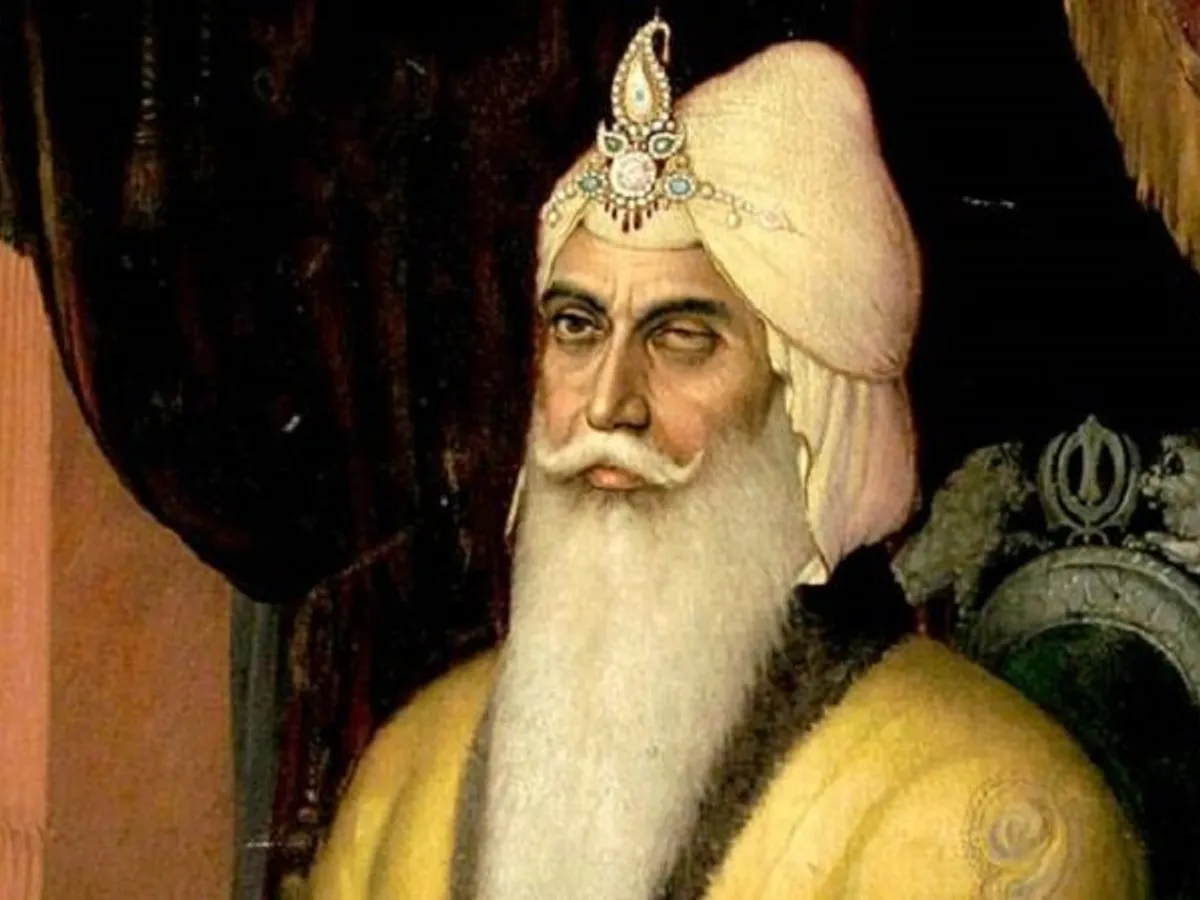
Sikh Empire - Kashmir India: Ranjit Singh’s Expansion
The Sikh Empire under Maharaja Ranjit Singh grew from a coalition of misl (confederate) chieftaincies in the Punjab into a centralized kingdom in the early 19th century. After consolidating Lahore, Amritsar, Multan and Peshawar regions, Ranjit Singh turned his attention to the rich but vulnerable valley of Kashmir, still under nominal Afghan control. In 1819, a Sikh army under generals like Misr Diwan Chand and others advanced through the Pir Panjal passes, defeating Afghan forces near Shopian. This campaign ended decades of Afghan rule and brought Kashmir under the Khalsa Sarkar (Sikh state), with the valley becoming one of the prized provinces of Ranjit Singh’s empire. The conquest also secured important routes between the Punjab, Kashmir and the trans‑Himalayan frontiers.
Governors, Jagirs And Administration Under The Sikhs
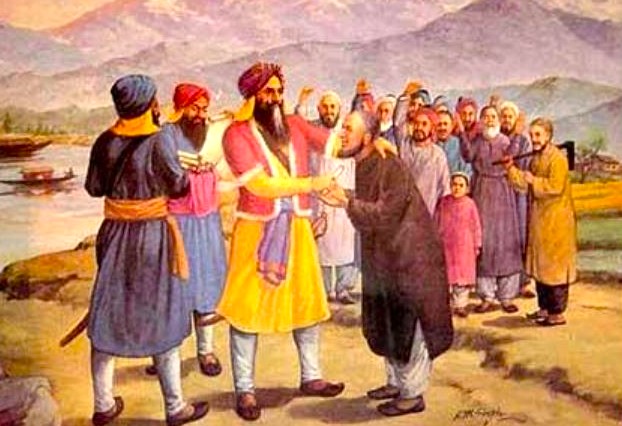
Kashmir was administered not as an independent Sikh principality but as a subah (province) of the Lahore‑based empire, ruled by appointed governors and influential courtiers. Prominent Sikh and Hindu Dogra nobles - especially Raja Gulab Singh of Jammu - played central roles in managing the region. The administration sought to stabilize revenue flows from agriculture, shawl industry and customs; land was assessed and taxed, jagirs (revenue grants) were given to nobles and officials, and a garrison presence maintained order. Sikh sovereignty was symbolized through coinage, the nishan sahib (flag), and recitation of Ranjit Singh’s name in Friday khutbas for a time, even as daily administration often rested in the hands of Dogra and Kashmiri Hindu officials, Muslim qazis and village headmen. Sikh Empire Kashmir India
Daily Life: Court In Lahore, Governance In Srinagar
The central Sikh court at Lahore remained the political and cultural heart of the empire. Ranjit Singh and his successors rarely stayed in Kashmir for long; instead, they ruled through governors who represented imperial authority in Srinagar. These governors held courts where petitions, tax disputes and criminal cases were heard, and where local elites - Pandit landlords, Muslim merchants, shawl‑factory owners, Sufi pirs, and village chiefs - negotiated their interests. For ordinary villagers, daily life still revolved around sowing and harvesting rice and other crops, tending sheep and cattle, attending mosques, shrines or temples, and meeting in panchayats to resolve disputes. To them, the change from Afghan to Sikh rule was felt most concretely through changes in taxation, policing and the behavior of soldiers and local officials, not through distant imperial titles.
Revenue, Shawls And Economic Pressures
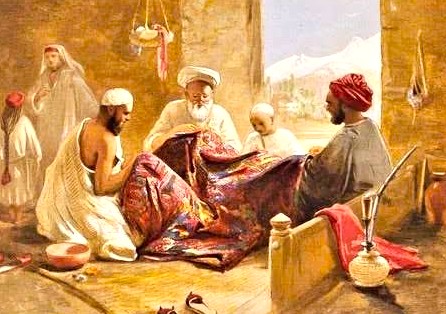
Kashmir’s famed pashmina shawl industry was a major source of wealth and a major site of exploitation under both Afghan and Sikh regimes. Under the Sikhs, state and private magnates continued to squeeze shawl‑weavers with monopolies, advances and taxes; weavers worked long hours for low pay, and periodic protests and desertions occurred. In agriculture, peasants faced heavy land taxes, often collected in grain, with middlemen and jagirdars sometimes adding their own exactions. While some reforms attempted to regularize revenue, many Kashmiris experienced Sikh‑period taxation as onerous, even if in some respects it improved on the worst excesses of late Afghan practices. Trade in shawls to the plains and to Europe (via intermediaries) brought significant income to merchants and ruling elites, but only a small portion filtered down to ordinary workers.
Law, Order And Religious Policy
In theory, the Sikh Empire followed a multi‑religious but Sikh‑led political order. In Kashmir, the majority Muslim population continued to live under a mix of local customary law, Islamic legal traditions, and the decrees of Sikh governors. Qazis still adjudicated many personal law matters among Muslims; Pandit and village councils handled issues among Hindus; state courts intervened in serious criminal and fiscal cases. The Sikh establishment restricted the public call to prayer (azan) at times and controlled some waqf and religious institutions, causing resentment among segments of the Muslim population. Yet Sufi shrines, mosques and madrasas remained active, and there were phases of more pragmatic tolerance under certain governors. Overall, Sikh rule in Kashmir combined pragmatic power politics with visible symbolic dominance, generating mixed memories depending on community and class. Sikh Empire Kashmir India
Religious Landscape: Gurdwaras, Temples, Shrines
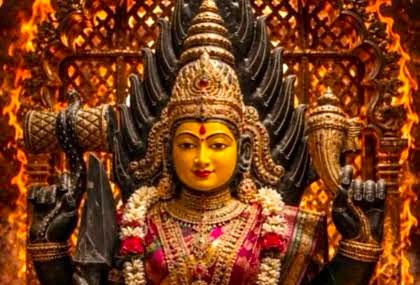
Unlike the Punjab plains, Kashmir did not see heavy Sikh settlement; instead, Sikh presence was felt mainly through garrisons, officials and the empire’s religious symbolism. Gurdwaras associated with Sikh generals and traveling groups existed but were not dominant in the valley’s religious life. Hindu temples, especially those linked to the small but influential Pandit community, continued to receive patronage from Dogra and sometimes Sikh elites. Sufi dargahs (shrines) like those of prominent saints remained important centers of devotion across communal lines. In some cases, Sikh governors sought blessings or legitimacy from local saints and Hindu holy men, reflecting negotiated religious coexistence under a Sikh political framework.
Festivals And Civic Life In Sikh‑Period Srinagar
Srinagar under Sikh rule remained a bustling city of canals, wooden houses, mosques, temples, bridges and bazaars. Muslim festivals such as Eid, Milad‑un‑Nabi and urs (death anniversaries) of Sufi saints continued to draw crowds, with processions, qawwalis and fairs. Hindu festivals, including those of Shivaratri and local deity observances, punctuated the calendar for Pandits and some other groups. Sikh military ceremonies, inspections and parades added new visual elements to city life. Markets for shawls, spices, timber and foodstuffs thrived, though many artisans and laborers lived precariously. In such spaces, ordinary Kashmiris interacted with Sikh soldiers, Dogra officials and merchants from the plains, weaving a layered urban culture under imperial oversight.
Armies, Forts And Frontier Strategy
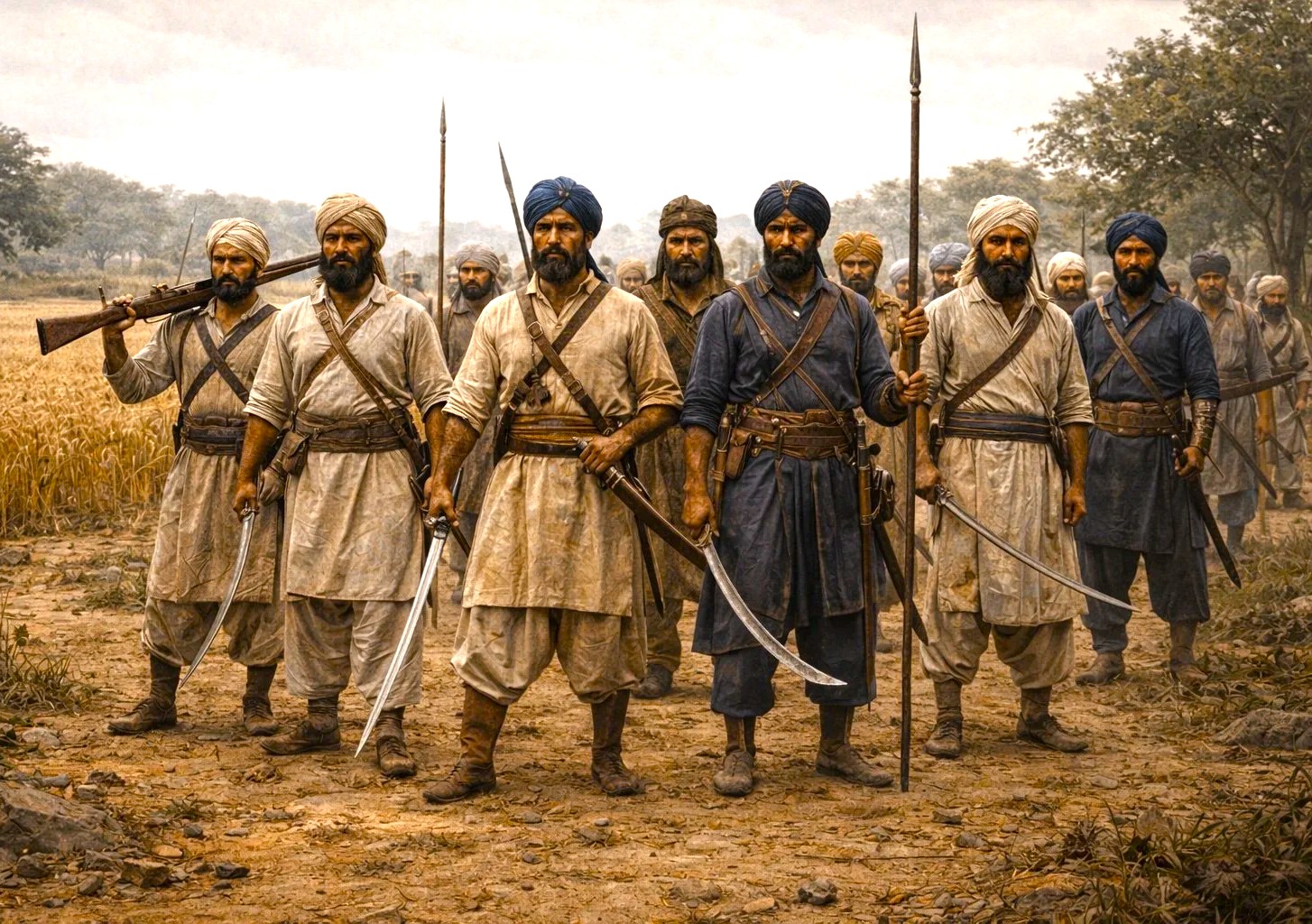
For the Sikh Empire, Kashmir was not only a revenue source but also a strategic frontier facing the Himalayas and possible threats or opportunities towards Ladakh, Tibet and Central Asia. Garrisons held key positions along the Jhelum, in Srinagar and at passes through the Pir Panjal and higher ranges. Sikh and Dogra forces campaigned into Ladakh and Baltistan, extending influence over high‑altitude trade routes. The militarized nature of Sikh power meant that villages sometimes housed or supplied troops, and that conflict and coercion were embedded in everyday governance. Yet the same military apparatus also provided a degree of stability against banditry and external raids compared to some earlier periods. Sikh Empire Kashmir India
Healers, Hakims And Sacred Springs
Health care in Sikh‑period Kashmir remained plural. Unani hakims, Ayurvedic vaidyas, midwives and folk healers treated illnesses with herbs, diets and traditional techniques. Sacred springs (nag), Sufi shrines and temples served as sites of ritual healing; people sought cures through baths, vows, offerings and amulets. The Sikh state did not fundamentally transform medical practice, though some court‑linked physicians and officials might have introduced or favored particular practitioners. Famine, epidemics and hardship among weavers and peasants were met with a mix of charitable acts, ritual responses and ad hoc relief, constrained by the empire’s own fiscal and military priorities.
The Treaty Of Amritsar (1846) And Transfer To Dogra Rule
Following Ranjit Singh’s death (1839), the Sikh Empire faced rapid internal decline, court intrigues, and military disasters in the Anglo‑Sikh Wars (1845–46, 1848–49). After the First Anglo‑Sikh War, the Treaty of Amritsar (1846) granted Gulab Singh Dogra, then a powerful vassal of the Sikh state, the title and territory of Maharaja of Jammu and Kashmir in return for payment to the British and recognition of British suzerainty. Effectively, the British used a weakened Sikh regime to transfer Kashmir to the Dogras, ending direct Sikh rule. For Kashmiris on the ground, this meant another change of overlord - from Afghan to Sikh to Dogra in roughly three generations - each with different styles but similar reliance on land revenue, shawl trade and tight political control.
Memory And Legacy Of Sikh Rule In Kashmir
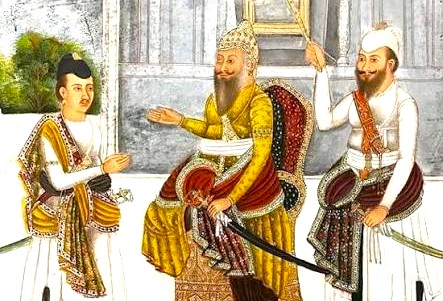
The Sikh Empire’s period in Kashmir (1819–1846) was relatively short but left a marked impression. For some Kashmiri chroniclers, it represented a partial relief from the most brutal aspects of Afghan rule, yet still a time of heavy taxation and religious constraints, especially for Muslims. For others, especially certain Hindu and Dogra elites, it was a stepping‑stone to greater political influence and eventual Dogra sovereignty. In Sikh memory, the conquest of Kashmir forms part of the narrative of Ranjit Singh’s greatness and the empire’s reach into the mountains. Architecturally and institutionally, the Sikh era in Kashmir is less monumental than in the Punjab, but it played a crucial transitional role between Mughal‑Afghan dominance and the long Dogra princely state, embedding Kashmir even more firmly into the politics of the wider northern subcontinent and, ultimately, British India. Sikh Empire Kashmir India
Step Inside The Story - View All Tour Itineraries & Details

We’re here to offer genuine, thoughtful guidance if your interested in travelling to India. As a small, dedicated team, we pay close attention to every detail so you can focus on enjoying the experience while we take care of the planning. We believe the best trips begin when someone truly listens to what you want and how you like to travel, so the journey feels right for you and contributes to a happy, positive group on tour. Our communication stays clear, straightforward, and respectful at every step, with the goal of helping you feel understood, supported, and confident from first contact to the end of your journey.
Click Catherine Frith - About The Founder
Click Discover Life Travel - All Tours and More
Click Why We Are Different - Unique, Safe, Transparent