Unique Insights Into The Empires Of India
Sher Shah Suri: A Humble Beginning
Discover Life Travel
Whispers Around Sher Shah’s Tomb
Sasaram in present-day Rohtas district of Bihar holds the memory of a dynasty that challenged the Mughal line, most clearly expressed in the colossal tomb of Sher Shah Suri and the older fort at Rohtasgarh. The name Sasaram is often traced to “Sahasram,” linked to the sage Parashurama, said in legend to have performed thousand-fold penances here. Set along the Grand Trunk Road, Sasaram grew into a strategic point between Bihar’s plains and the rocky plateau of Rohtas. From early settlements to the short-lived Sur Dynasty and later Mughal control, the town’s water tanks, shrines, and stone structures record shifting power, spiritual currents, and everyday routines. Sher Shah Suri A Humble Beginning
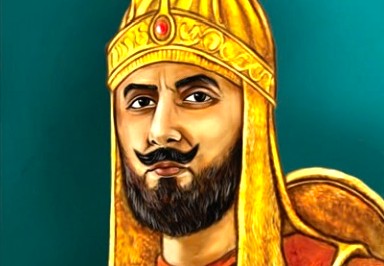
Sher Shah Suri: A Humble Beginning
Long before the Sur and Mughal dynasties, Sasaram’s landscape belonged to early farming and pastoral groups along seasonal streams. Local lore places the warrior-sage Parashurama here, performing fierce austerities under rocky outcrops, while prehistory hints at Chalcolithic settlements trading copper tools and beads with the Ganga valley. Villagers speak of elders like Mahadev Pasi and tribal chieftains such as Bhola Kol leading clans that hunted, gathered mahua, and worshipped local mother goddesses. Their shrines were simple stone piles marked by red ochre, predating later mosques and tombs. These early communities left few written records but created ritual tracks and sacred groves that survived into later centuries as fields, tanks, and fort sites.
Name Of Penances And Pathways
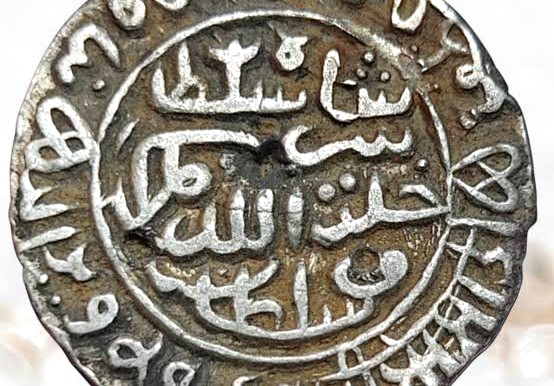
The name Sasaram is widely linked to “Sahasram,” interpreted as “a thousand Rama” or “place of many penances,” reflecting Sanskrit roots that tie the town to epic-age devotion. Over time, traders and scribes adapted the term into “Sasaram,” which appears in Mughal records describing the region’s jagirs. Positioned about 160 kilometers southwest of Patna and close to the Kaimur hills, the town stands near the old alignment of the Grand Trunk Road that Sher Shah improved. To its south rise stone ridges dotted with streams and springs, while to the north stretch cultivated plains leading toward the Son River basin. This conjunction of rocky defense and fertile land made Sasaram ideal for fortification and long-distance trade. Sher Shah Suri A Humble Beginning
Rohtasgarh Forts Above The Mists
Rohtasgarh Fort, overlooking the Son valley, predates Sher Shah but reached renewed importance under him in the early sixteenth century. Earlier Hindu rulers, linked in tradition to Raja Harishchandra and later to the Ujjainiya Rajput line, are said to have held the heights, using stone walls and gates catalogued in later Mughal surveys. Under Sher Shah, the fort gained expanded ramparts, additional gates, and internal palaces constructed between approximately 1530 and 1545, though exact day-and-month records are scarce. The site served as a refuge for families and treasury during conflict with the Mughals. Later Akbar and Jahangir retained Rohtasgarh as a frontier stronghold, showing how a Sur strongpoint integrated into Mughal strategy.
Sher Shah’s Lake Of Silence
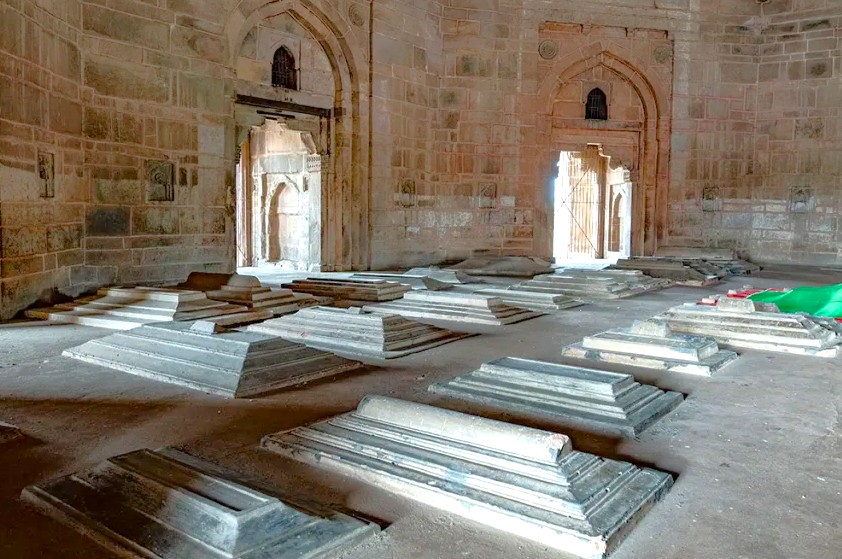
Sher Shah Suri’s tomb in Sasaram, begun around 1540 and completed by about 1545 under his son Islam Shah, rises from the center of an artificial lake. Persian chroniclers describe its construction phase under architect Mir Muhammad Aliwal, supervised by Afghan nobles who recorded payments to stone cutters, calligraphers, and artisans over roughly five years. The tomb’s polygonal platform stands within a square tank accessed by causeways. Reflections of the mausoleum in the still water created an intentional play of earthly and celestial realms, reinforced by Quranic inscriptions urging remembrance of mortality. After the dynasty fell, Mughal emperors tolerated and even respected the tomb, which remained an Afghan dynastic shrine inside a dominion ruled from Agra and Delhi.
Courts, Queens, And Afghan Lineages
Sasaram’s rise under Sher Shah drew Afghan family lineages from across North India, especially the Sur, Niazi, and Lohani clans. Sher Shah himself, born Farid Khan, came from the Sur tribe settled in Sasaram’s jagir under his father Hasan Khan Sur, whose jagirdari is attested in early sixteenth-century sources. Women in these households, including Sher Shah’s consorts from Afghan and local noble families, arranged marriages that linked different Afghan clans and cemented loyalties. They managed estates, supervised household accounts, and directed charity to mosques and khanqahs. Children studied Persian, Afghan tribal histories, Quranic recitation, and martial training, sustaining a self-conscious Afghan identity even when later absorbed into Mughal military service after 1555. Sher Shah Suri A Humble Beginning
Prayer, Sufi Cells, And Sacred Stones
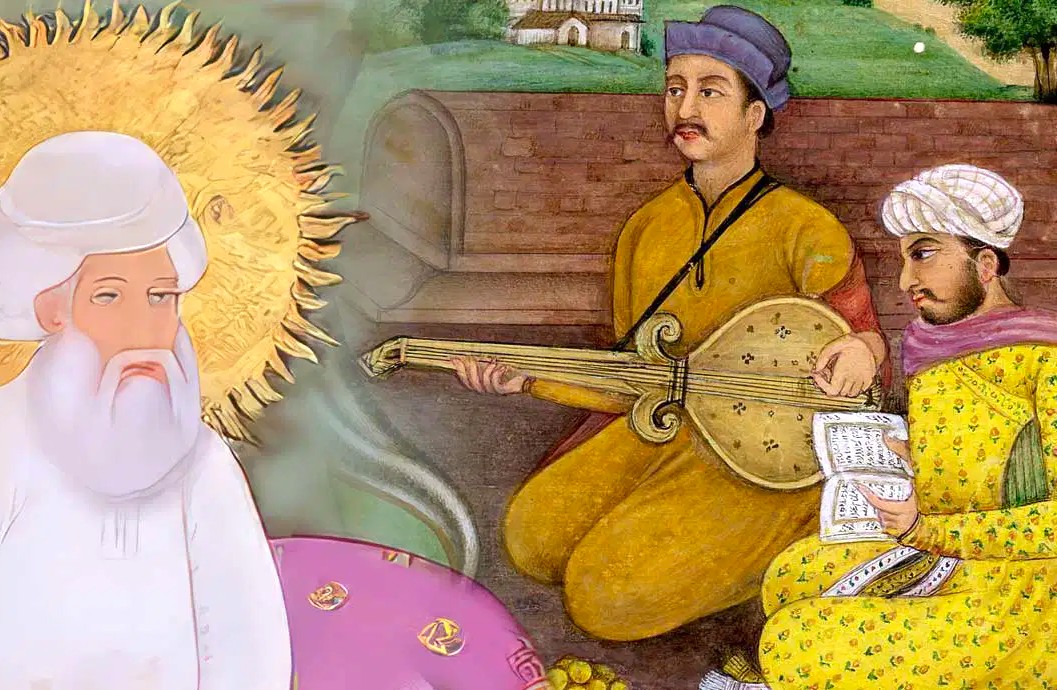
Religious life around Sasaram blended Sunni Islamic practice, Sufi devotion, and older local cults. Under Sher Shah and later Mughal administration, congregational prayers filled the main mosque near the tomb complex on Fridays just after midday, while smaller neighborhood mosques served daily prayers. Sufi hospices in the region, affiliated with Chishti and Qadiri silsilas, hosted night gatherings where qawwali and Persian poetry expressed longing for divine nearness. At the same time, Hindu temples dedicated to Shiva and village goddesses persisted in surrounding hamlets, drawing peasants and artisans. Many households quietly honored both lineages of saints and local deities, visiting dargahs and temples according to family tradition. Stone thresholds and tree shrines thus became shared spiritual markers in a contested yet layered landscape.
Grain Fires And Afghan Kitchens
Food traditions in Sasaram during the Sur and Mughal periods rested on carefully measured grain, meat, and spices feeding soldiers, traders, and town families. In army camps and the fort, records mention daily rations of roughly one seer of wheat or rice per soldier, with extra portions for cavalry units that needed greater strength. Kitchens boiled lentils, stewed mutton with onions and coriander, and baked flatbreads on iron griddles. Afghan families brought recipes for meat-and-rice dishes resembling early pulaos, seasoned with black pepper and cardamom without later heavy cream. On festive evenings, larger cauldrons prepared sweetened rice for distribution to the poor. These practices carried memories of Afghan highlands yet adjusted to the grain-rich Gangetic plains. Sher Shah Suri A Humble Beginning
Processions Of Light And Memory
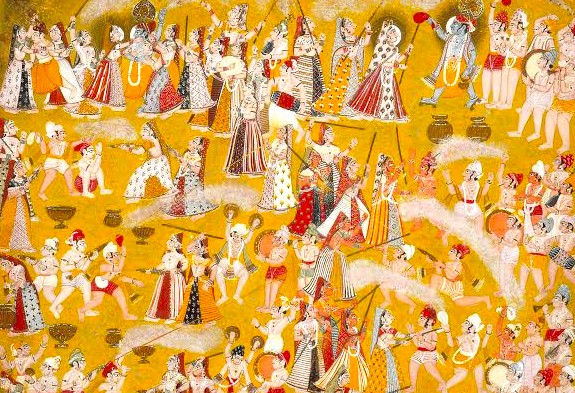
Two recurring festivals shaped Sasaram’s calendar across Sur and Mughal periods: Eid al-Fitr and Muharram. Eid al-Fitr, dated by the lunar sighting at Ramadan’s end, brought dawn prayers between approximately 6 and 7 a.m., followed by exchange of cloth gifts and measured meat charity outside the main mosque and tomb precinct. During Muharram, especially on the tenth day, processions carried tazias through the town by late afternoon into night, accompanied by elegiac chants recalling Karbala. Some Afghan families added recitations of Sur dynasty heroes on separate evenings, blending family pride with devotional grief. Hindu communities nearby maintained fairs linked to local deities on solar-calendar dates, creating an overlapping pattern of fasts, feasts, and shared market gatherings around the tomb’s stone silhouette.
Battles, Cannons, And Changing Banners
Sasaram’s history intertwines with Sher Shah’s decisive campaigns against the Mughals, notably his victories over Humayun at Chausa in June 1539 and at Kanauj in May 1540. These battles, fought west of Sasaram, drew men and supplies through the town’s depots and Rohtasgarh’s secure stores. Afghan cavalry and matchlock infantry gained advantage through mobility and earthwork defenses, while Humayun’s armies struggled with coordination and river crossings. After Sher Shah’s death from an explosion at the Kalinjar siege in 1545, the Sur line weakened under Islam Shah and internal conflict. By 1555, Humayun returned with restored forces, and Akbar later consolidated control over Sasaram and Rohtasgarh. Each shift altered garrisons, tax patterns, and the composition of town families.
Households, Marriages, And Women’s Counsel
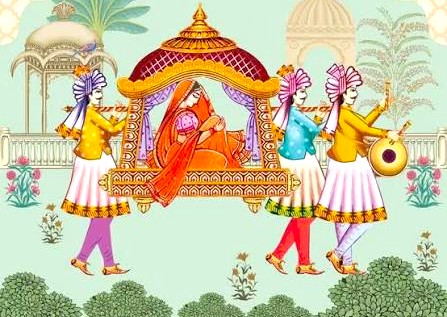
Women in Sasaram’s elite families, both Afghan and later Mughal, shaped alliances through arranged marriages and dowries crossing clan and regional lines. Daughters of Sur officers might be married into other Afghan branches, such as the Niazi or Farmuli, to strengthen military coalitions. Under Mughal rule, some lineages sought matches with Rajput houses or local landed families, weaving Sasaram into a broader aristocratic network. Women managed property, supervised weaving, embroidery, and household food storage, and funded repairs to mosques or small shrines. Behind screens, their letters and oral counsel influenced decisions on whether sons pursued Mughal service, local landholding, or trade. Marriage here was less romantic story and more strategic bond tying land, lineage, and spiritual reputation together. Sher Shah Suri A Humble Beginning
Medicinal Roots And Healing Lines
Healers in Sasaram worked within a composite tradition drawing from Unani, Ayurveda, and folk practice. Hakims trained in Unani diagnosed illnesses through pulse and temperament, prescribing syrups of fennel, rose, and liquorice for fevers, and powders of barberry and rhubarb for digestive troubles. Local vaidyas relied on neem, tulsi, ashwagandha, and triphala mixtures, while midwives stored oil infusions and herbal smoke for childbirth rituals. Ordinary families used decoctions of ginger and black pepper for colds and burned dried cow dung with herbs to keep insects away. The tomb and nearby shrines added a spiritual dimension: people tied threads, offered oil at lamps, and recited supplications seeking relief. Medicine here was both measured dosage and recited prayer, woven into daily survival. Sher Shah Suri A Humble Beginning
Fading Afghan Dynasty, Mughal Return
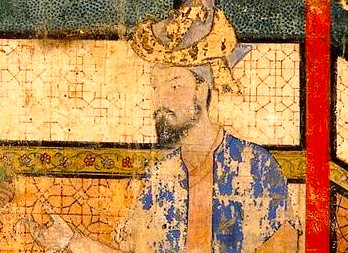
The Sur Dynasty’s authority declined rapidly after Sher Shah’s death in 1545 and the short, troubled reigns of Islam Shah and rivals such as Adil Shah Suri. Factional struggles drained resources, allowing Humayun to retake Delhi in 1555 with renewed support and artillery strength. Akbar followed, organizing the region into a stable provincial framework that folded Sasaram and Rohtasgarh into Mughal governance. Afghan nobles either accepted service, withdrew to frontier zones, or slipped into local landholding roles. The Afghan dynasty’s brief central dominance ended, replaced by a revitalized Mughal order whose institutions and symbolisms lasted far longer than the stone tomb that still guards Sasaram’s lake.
Step Inside The Story - View All Tour Itineraries & Details

We’re here to offer genuine, thoughtful guidance if your interested in travelling to India. As a small, dedicated team, we pay close attention to every detail so you can focus on enjoying the experience while we take care of the planning. We believe the best trips begin when someone truly listens to what you want and how you like to travel, so the journey feels right for you and contributes to a happy, positive group on tour. Our communication stays clear, straightforward, and respectful at every step, with the goal of helping you feel understood, supported, and confident from first contact to the end of your journey.
Click Catherine Frith - About The Founder
Click Discover Life Travel - All Tours and More
Click Why We Are Different - Unique, Safe, Transparent