A Unique Look Into Indian History
Saythian Dynasty: North West India
Discover Life Travel
Life Before Rule On Saythian Plains
Long before the Saythian Dynasty frontier emerged, wide grasslands and river corridors near today’s Punjab–Central Asian interface were home to nomadic clans, caravan towns and fortified oases. Archaeologists link kurgan-like burials, horse trappings, iron arrowheads and bronze cauldrons to ancient steppe tribal cultures and early Indo-Scythian/Saka horizons in northwestern India and Central Asia. Rock graffiti and stray inscriptions trace older chiefs controlling wells and crossings. Herding, raiding and trade along these routes produced a pre-dynastic steppe-agrarian contact zone, whose mobility and martial ethos the Saythian line would later weld into a recognizable kingdom. Saythian Dynasty North West India
Saythian Dynasty - North West India: Founding Of Saythian Power
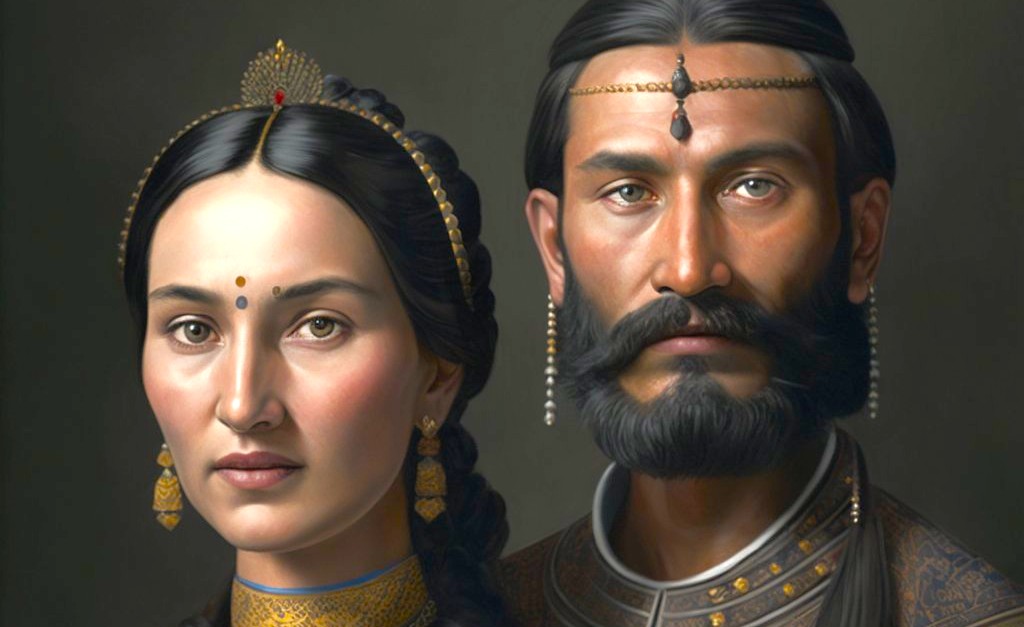
The origin story of the history tells of a war-chief, Saythios, uniting scattered horse clans after defeating a rival confederacy near a key ford. Around the early medieval period, he and queen Arnika seized a river citadel that commanded caravan paths and grazing grounds. Chroniclers remember this as a steppe cavalry chieftain’s coup turning tribal federation into territorial monarchy. Their sons Kharas and Damion, and daughter Thara, grew amid tents, stone walls and shrines. From here, Saythian banners spread over grasslands, river valleys and market oases, becoming a borderland dynasty mediating steppe and settled worlds.
Daily Life In The Saythian Court
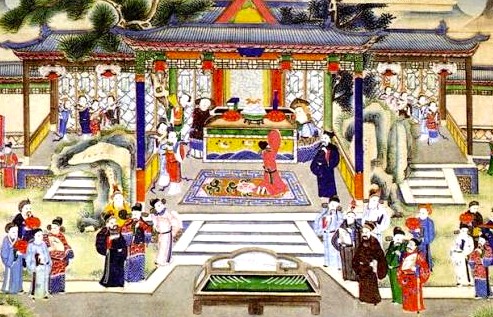
Routine at the royal camp-citadel blended nomadic and settled patterns, echoing steppe princely daily life transitioning into fortified kingship. At dawn, the king rose in a felt-lined chamber, performed brief fire or sun offerings, then inspected horses and guards. Arnika supervised treasury tents, grain stores, household crafts and shrine gifts, illustrating royal women’s management roles in semi-nomadic polities. Princes rotated between weapons training, horse archery and lessons in treaties and tribute; princess Thara learned instrument, trade accounts and alliance etiquette. Seasonal moves between summer pastures and winter quarters reflected hybrid court life across camp and stone fort. Saythian Dynasty North West India
Local Society Across Steppe And River Towns
Outside the center, subjects lived as herders, farmers and traders within Saythian frontier society linking steppe nomads and riverine agricultural towns. Horse and sheep clans rode between seasonal grazing, while farmers along rivers grew barley, millet and lentils. Craftspeople in small towns produced metalwork, textiles and leather gear that supported traditional steppe–agrarian mixed economies in Central Asian borderlands. Caravans carried salt, wool, grain and crafted goods along long-distance routes. Village councils and clan elders resolved disputes, but tribute and tax collection tied them to the dynasty, exemplifying frontier integration of mobile and settled communities under one rule.
Royal Kitchens, Herds And Feasting Traditions
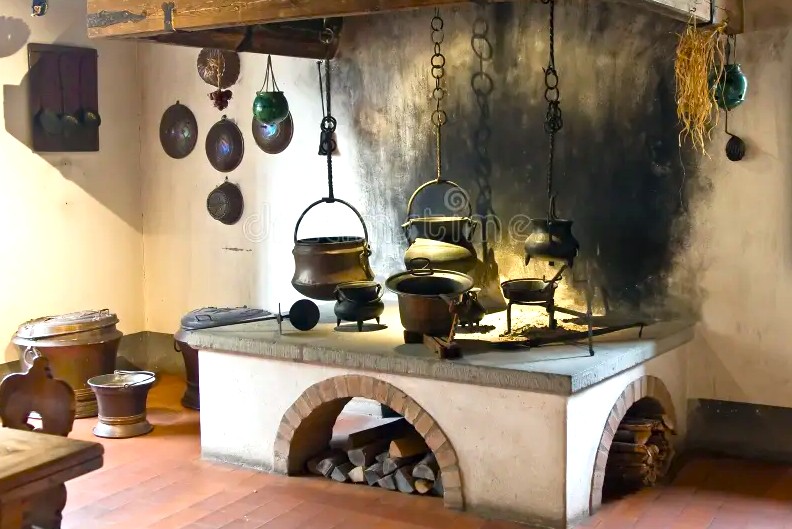
Within the king’s compound, large hearths and cauldrons illustrated steppe royal cuisine and feast customs. Herds of horses, sheep and cattle supplied meat, milk, cheese and fermented drinks; grain from allied towns added breads and porridges. Cooks boiled meat in iron cauldrons, grilled skewers, baked flatbreads and flavored dishes with garlic, onions and herbs, reflecting mixed nomadic and agrarian foodways in early steppe kingdoms. Grand feasts celebrated victories, alliances and seasonal rites, distributing meat and drink to warriors, envoys and local notables, turning hospitality into visible proof of generosity, power and clan solidarity.
Laws, Clan Codes And Punishments
Justice ruled steppe-river territories combined clan custom, oath-swearing and royal decree, forming hybrid legal systems in nomadic-sedentary frontier states. Horse theft or betrayal within clans could bring exile, compensation herds or even death, guided by traditional steppe honor codes and retribution practices. Farmers diverting irrigation water risked fines in grain or labor. Caravan raiders who were not part of sanctioned raiding faced execution or mutilation at main roads. Yet elders’ councils, shamans and envoys often negotiated settlements, illustrating negotiated justice balancing tribal norms, royal authority and practical survival in a harsh, politically fluid environment. Saythian Dynasty North West India
Deities, Ancestors And Sacred Landscape
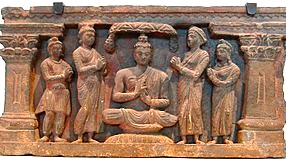
Religious life in this realm reflected steppe sky and fire worship blended with local riverine cults. Nomadic lineages revered sky, sun and storm, honored at open-air altars and hilltop cairns. Ancestral spirits were invoked through libations and horse rituals, central to ancestral veneration and shamanic traditions in steppe polities. Settled towns maintained shrines to earth, river and fertility gods. Over time, contacts with neighboring civilizations introduced more formal temple forms and iconography, but the old reverence for vast sky, sacred fires and burial mounds persisted, creating a layered sacred geography spanning kurgans, shrines and river banks.
Festivals, Horse Games And Seasonal Rites
Festival cycles under these rulers showcased steppe equestrian games, seasonal sacrifices and frontier fairs. Spring and autumn gatherings brought clans to common pastures for horse racing, archery contests, wrestling and feasting, key elements of nomadic sporting traditions reinforcing warrior status and clan unity. Animals were sacrificed to sky and earth powers; oaths were sworn over shared cups. Simultaneously, river towns held markets and fairs where settlers, herders and caravaners traded, prayed at shrines and celebrated, reflecting religious and commercial melas in steppe–agrarian contact zones. These events renewed alliances and legitimized Saythian leadership in the open.
Royal Courts, Bards And Performers
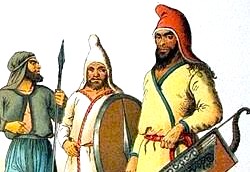
The Saythian court - part tent, part fortified hall - was alive with bardic performances, storytellers and diplomatic ceremonies in a steppe dynasty. Mornings saw tribute presentations, negotiations with clan chiefs, and adjudication of disputes. Evenings featured bards singing genealogies and battle songs, dancers and acrobats entertaining mixed audiences of nobles and envoys. Such performances preserved oral epic traditions central to steppe elite identity and historical memory. Visiting merchants and emissaries brought new instruments, tales and fashions, weaving a cosmopolitan thread through a culture deeply anchored in cavalry, kinship and the spoken word. Saythian Dynasty North West India
Battles, Raids And Frontier Resilience
Military life for this line sits within steppe cavalry warfare and frontier defense patterns. Light horse archers formed the core, using speed, feigned retreats and encirclement tactics; heavier cavalry and infantry from subject towns supported sieges and defenses, representing composite armies in nomadic–settled hybrid states. The dynasty faced pressure from rival confederations, settled empires and internal clans. Strategic retreats into deep steppe, scorched grazing strategies and sudden counterstrikes reflected classic steppe resilience tactics against stronger foes. Control of key rivers, wells and passes often mattered more than city walls in determining survival.
Marriage Alliances And Women’s Influence
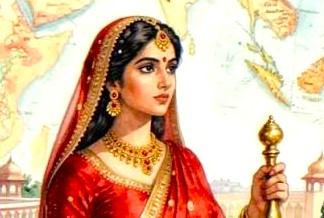
Dynastic marriages bound this house to neighboring tribes and settled powers, fitting marriage diplomacy and inter-clan alliance building in steppe monarchies. Daughters rode in caravans to wed chiefs or princes; incoming brides brought herds, warriors or trade links. Queen Arnika and later noblewomen wielded influence through hospitality, gift exchange and mediation, reflecting elite women’s political roles in nomadic and semi-nomadic societies. Within tents and later palaces, they arranged matches, eased feuds and anchored religious rites. In camps and villages, women herded, processed dairy, crafted textiles and ran households, forming the unrecorded backbone of gendered labor in frontier economies.
Magic, Artisans And Epic Poets
poets shaping frontier high culture. Shamans performed trance, divination and healing, operating between visible and spirit worlds. Metalworkers forged weapons, horse gear and ornaments; leatherworkers crafted saddles and tents; weavers produced patterned textiles for clothing and banners, constituting steppe material culture across portable and settled art forms. Poets memorized vast heroic cycles of clan ancestors, conquests and tragedies, recited at feasts and councils. These narratives were a crucial form of oral literature and identity construction that sustained continuity even as borders shifted.
Burials, Kurgans And Memorial Stones
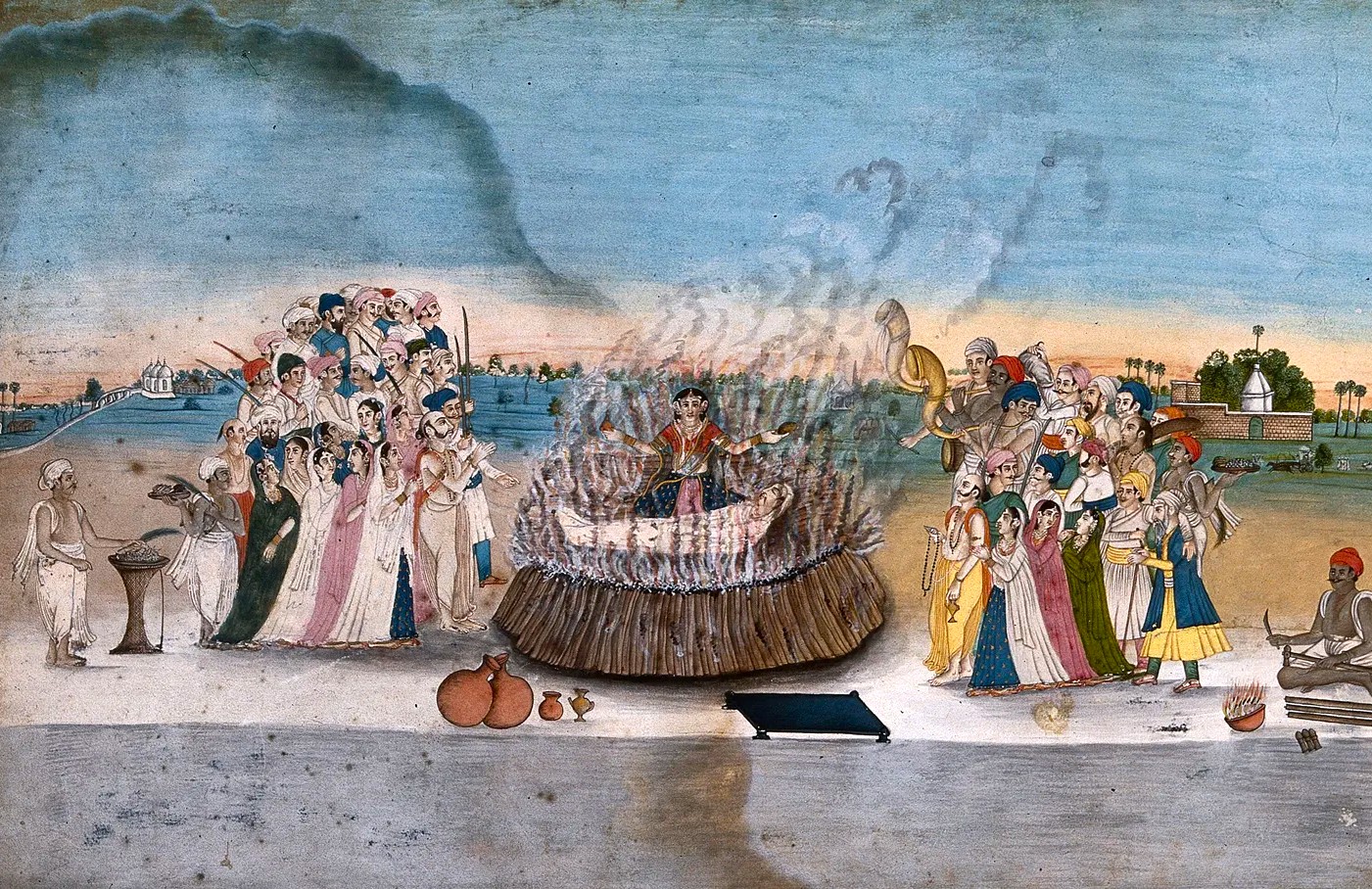
Death customs in this realm combined steppe kurgan burial traditions with local stone memorial practices. Elite individuals were interred in mounds with horses, weapons and grave goods, pointing to nomadic aristocratic burial customs in Eurasian steppes. Commoners received simpler graves or cremations; in some riverine towns, local rites predominated. Over time, upright stones carved or marked with clan symbols appeared at key sites, functioning as hero memorial markers preserving names and feats along trade and migration routes. Burial landscapes thus became maps of both power and belonging, read by descendants and rivals alike. Saythian Dynasty North West India
Healers, Shamans And Herbal Knowledge
Health care across Saythian lands drew on shamanic healing, herbal medicine and cross-cultural medical exchange on the steppe frontiers. Shamans diagnosed spiritual imbalances, performed rituals, used drumming and trance for cures. Herbalists applied remedies from steppe plants and traded drugs from neighboring settled regions, practicing traditional nomadic ethnomedicine in Central Asian borderlands. Bone-setting, wound care and animal medicine were highly developed for a cavalry society. As contact with nearby civilizations grew, some techniques from formal medical traditions seeped in, illustrating blended healing practices in a multi-cultural frontier kingdom.
Wells, Rivers And Nomad Water Management
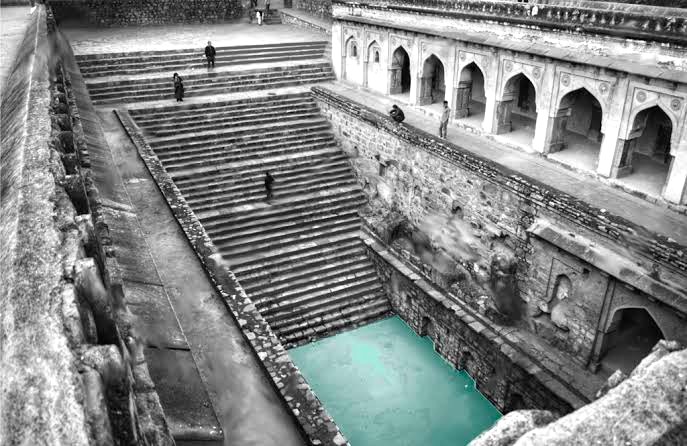
Water management in this realm was less about tanks and more about steppe well networks, river control and seasonal pasture management. Clans guarded key wells and river access points; treaties and conflicts often revolved around grazing near water. Simple dams, diversion channels and floodplain fields in settled zones show early irrigation and flood-recession agriculture along steppe rivers. In some epochs, rulers invested in fortifying river towns and improving ferries, using tolls and protection rents as revenue. Control of water access underpinned both economic survival and strategic leverage in a landscape where drought or blocked wells could break an army. Saythian Dynasty North West India
Succession Struggles And Fading Banners
Over time, internal clan rivalries, environmental stress and encroaching empires eroded Saythian autonomy, mirroring dynastic fragmentation and absorption of steppe-origin houses into larger imperial systems. Successor realms and conquering states co-opted their cavalry and elites, while some lineages shifted identities or migrated further. Yet oral epics, burial mounds and place names carried the enduring legacy of the Saythian Dynasty in regional memory and steppe historiography. Even when banners vanished, traces survived in songs, artifacts and hybrid cultures along former frontiers, testifying to a long, complex interaction between nomad, farmer and king.
Step Inside The Story - View All Tour Itineraries & Details
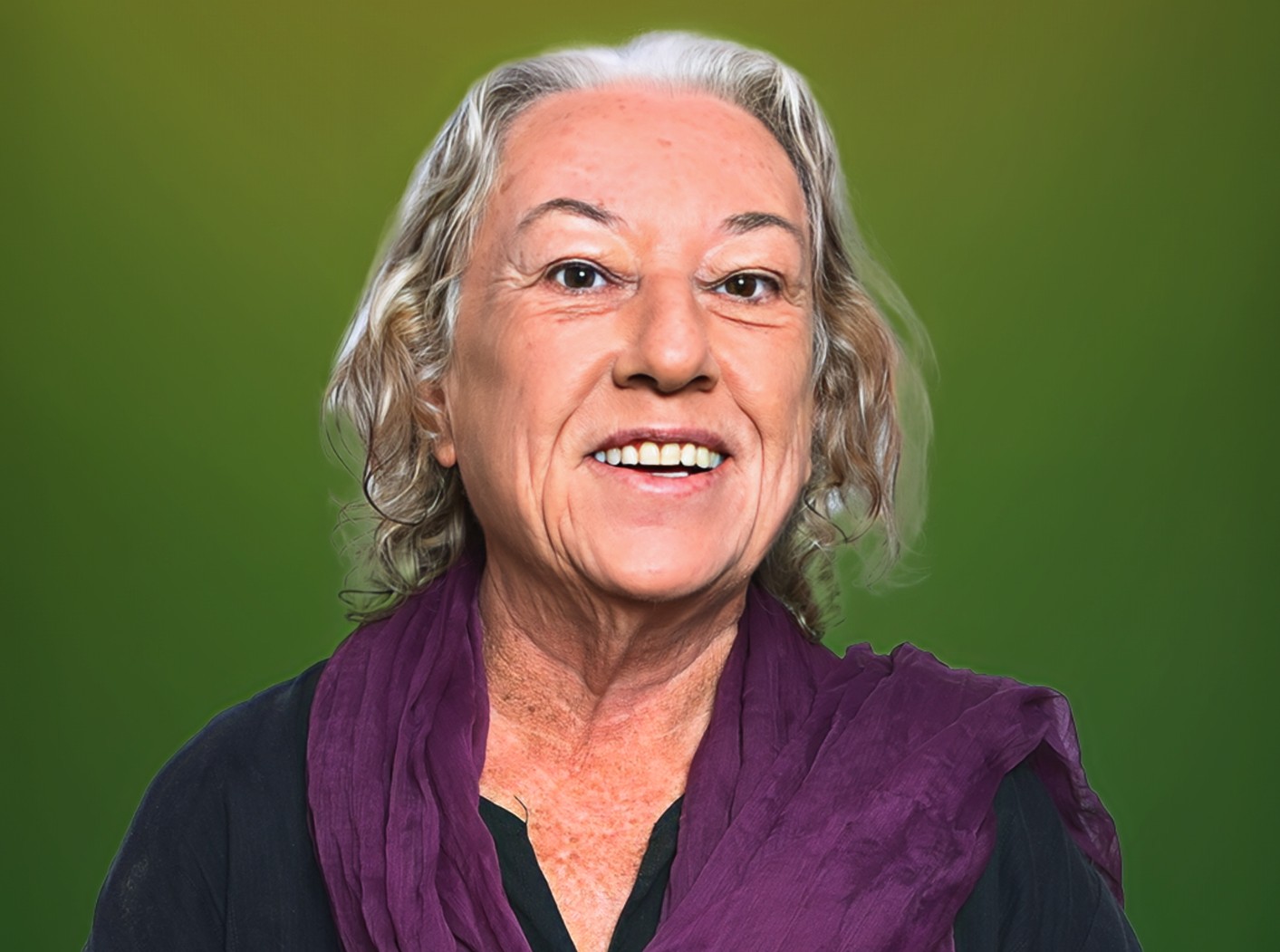
We’re here to offer genuine, thoughtful guidance if your interested in travelling to India. As a small, dedicated team, we pay close attention to every detail so you can focus on enjoying the experience while we take care of the planning. We believe the best trips begin when someone truly listens to what you want and how you like to travel, so the journey feels right for you and contributes to a happy, positive group on tour. Our communication stays clear, straightforward, and respectful at every step, with the goal of helping you feel understood, supported, and confident from first contact to the end of your journey.
Click Catherine Frith - About The Founder
Click Discover Life Travel - All Tours and More
Click Why We Are Different - Unique, Safe, Transparent