A Unique Look Into Indian History
Sasaram Dynasty: North India
Discover Life Travel
A Humble Beginning
Before the Sur Dynasty erupted onto the scene, North India was in a state of flux. The Lodi Sultanate of Delhi was weakening, its authority challenged by ambitious Afghan nobles who held vast land grants ("jagirs"). In the heart of Bihar, the town of Sasaram was the center of one such jagir, granted to an Afghan horse breeder named Hasan Khan Sur. This was a frontier territory, a land of opportunity for ambitious soldiers of fortune. It was in this provincial power base, far from the imperial capital, that a future emperor world learn his first lessons in administration and warfare, amidst the rivalries of the Afghan nobility in 15th-century Bihar. Sasaram Dynasty North India
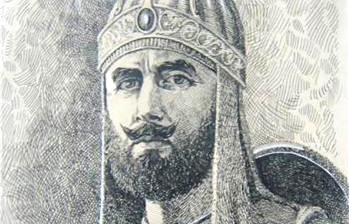
Sasaram Dynasty - North India: From Farid Khan to Sher Khan
The dynasty's founder was not born a king but a man named Farid Khan. He had a difficult youth, estranged from his father and his father's younger wives. He left Sasaram for Jaunpur, a great center of learning, where he mastered administration and statecraft. After reconciling with his father and successfully managing the Sasaram jagir, he entered the service of the governor of Bihar. It was here he earned his famous title: after single-handedly killing a tiger, he was bestowed with the name Sher Khan, the "Tiger Lord," a name that perfectly matched his fierce ambition and courage.
A Day of Ceaseless Administration
The daily life of Sher Shah Suri, once he became emperor, was a legendary model of discipline and relentless work. He rose before dawn for prayers and began his work immediately. His day was a whirlwind of activity: personally inspecting his troops, dictating orders to scribes, meticulously reviewing revenue accounts from distant provinces, and hearing the petitions of even his humblest subjects. The administrative routine of Emperor Sher Shah Suri was that of a micro-manager, a ruler who believed that the emperor's eye must be on every detail of the state. Sasaram Dynasty North India
The Rule of the Just Sultan
For the common person, the brief reign of Sher Shah Suri was an era of remarkable security and justice. He understood that the empire's strength came from the prosperity of its peasants. He reformed the land revenue system, ensuring that taxes were fair and predictable. He took draconian measures to make the highways safe, declaring that local headmen were responsible for any theft in their jurisdiction. The impact of Sher Shah's policies on the peasantry and trade was immediate and profound, creating a state where farmers were protected and merchants could travel without fear.
The Soldier's Rations, the Ruler's Table
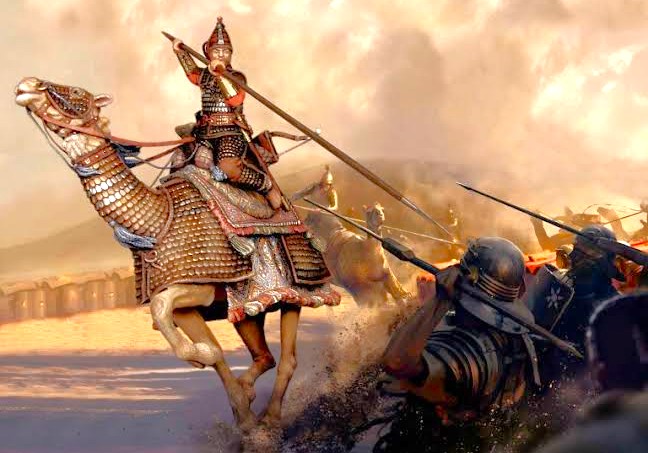
The cuisine of the court was a blend of its Afghan heritage and the realities of North India. The army's diet was practical, based on flatbreads and roasted meats, designed for soldiers on the move. At the emperor's "dastarkhwan" (dining spread), the food would have been more refined but still robust, a fusion of Central Asian and Indian flavors. The emphasis was on nourishment and efficiency, reflecting the personality of a ruler who spent more time on the road and in military camps than in a luxurious palace. The practical and hearty nature of Afghan-Indian cuisine was the hallmark of the Sur court.
Justice That Knew No Rank
Justice was famously swift, impartial, and severe. He established a network of courts and made it clear that no one, not even his own relatives, was above the law. His most effective policy was making the community responsible for crime. If a theft occurred, the village headmen had to produce the culprit or pay the compensation themselves. This system made the roads of his empire safer than they had been for centuries. The strict and impartial justice system of Sher Shah Suri became a legend, a benchmark for good governance. Sasaram Dynasty North India
The Grand Trunk Road Reborn
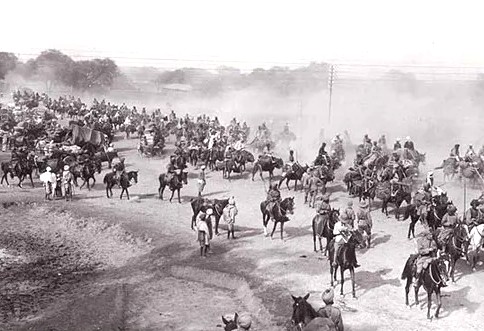
Sher Shah's most enduring "public work" was not a festival but a magnificent feat of infrastructure. He systematically rebuilt and organized the ancient Mauryan route, the "Sadak-e-Azam" (the Great Road), which became known as the Grand Trunk Road. He planted trees along its length and, at every two "kos" (about four miles), he built a "caravanserai" - a fortified inn where travelers, merchants, and the imperial mail system could rest in safety. The rebuilding of the Grand Trunk Road by Sher Shah Suri was a visionary project that unified his empire and stimulated commerce on an unprecedented scale. Sasaram Dynasty North India
A Court of Work, Not Play
Unlike the later Mughal courts, which were centers of art, poetry, and high culture, Sher Shah's court was a serious, functional place of business. His most important courtiers were not artists but talented administrators and generals. The primary focus of the court was the efficient running of the state: revenue collection, military organization, and the administration of justice. The administrative and military focus of Sher Shah Suri's court reflected the personality of its founder-a man dedicated to work, not leisure.
The Mausoleum That is Both Tomb and Fortress
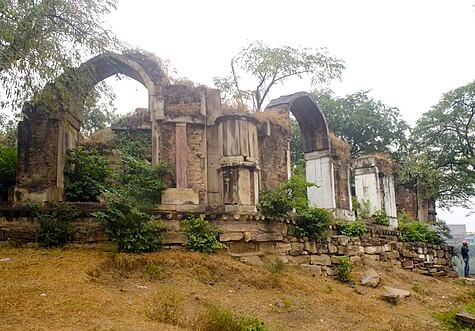
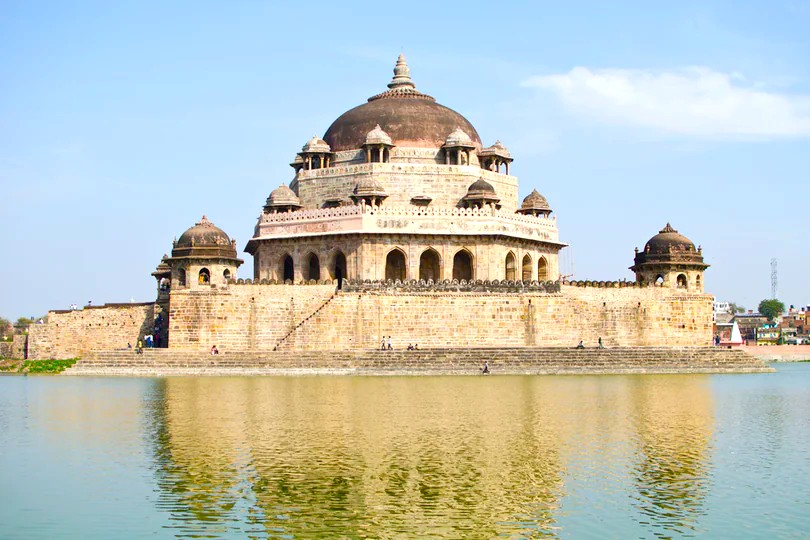
Sher Shah's greatest architectural legacy is his own magnificent tomb in his hometown of Sasaram. This colossal, five-storied octagonal mausoleum, built of stone and situated in the middle of a large artificial lake, is a masterpiece of Indo-Islamic architecture. It is a monument that is both graceful and powerful, a tomb that looks like a fortress. The architectural grandeur of Sher Shah Suri's tomb at Sasaram is a perfect symbol of the man himself - imposing, innovative, and rooted in the soil of Bihar.
The Final Sleep in a Lake Palace
Sher Shah's body was taken back to his beloved Sasaram and interred in the magnificent tomb he had designed and built during his lifetime. His funeral would have been a major state event, marking the passing of the man who had resurrected Afghan power in India. The internment of Sher Shah Suri in his tomb at Sasaram completed the story of the local boy who became an emperor, his final resting place a monumental testament to his life's journey.
Step Inside The Story - View All Tour Itineraries & Details
We’re here to offer genuine, thoughtful guidance if your interested in travelling to India. As a small, dedicated team, we pay close attention to every detail so you can focus on enjoying the experience while we take care of the planning. We believe the best trips begin when someone truly listens to what you want and how you like to travel, so the journey feels right for you and contributes to a happy, positive group on tour. Our communication stays clear, straightforward, and respectful at every step, with the goal of helping you feel understood, supported, and confident from first contact to the end of your journey.
Click Catherine Frith - About The Founder
Click Discover Life Travel - All Tours and More
Click Why We Are Different - Unique, Safe, Transparent