Unique Insights Into The Religions Of India
Saint Thomas: India
Discover life Travel
Beginning the Journey
Thomas, one of the original twelve, arrived at the ancient port of Muziris in 52 AD, stepping into a coastline already shaped by the pepper trade. Jewish settlers and Dravidian merchants lived along this coast before the Chera Dynasty rose to prominence. His name, meaning "The Twin" in Aramaic, traveled with him into a region layered with trade routes and shifting rule. Early accounts describe the conversion of the royal family, including the king's son Vazan and daughter Mygdonia, who stepped away from palace life to follow the new teaching. The Malabar Coast today holds a population past thirty-three million, its history still tied to that early arrival on the shore at Muziris. Saint Thomas India Saint Thomas India
Saint Thomas India Saint Thomas India: Foundations of the Seven Churches
The holy traveler established seven initial communities across the southern peninsula. These sites were chosen for their proximity to water and existing trade routes. Construction of the first prayer houses began immediately in 52 AD, using local timber and thatched palm. The 1st Dynasty rulers, specifically the Kulasekhara line, later permitted stone enhancements. Past battles between local chieftains often bypassed these sanctuaries, as they were seen as neutral grounds. Women’s roles in these early settlements were vital; they managed the communal kitchens and oversaw the education of children. Marriage was a sacred bond, often arranged by the elders to strengthen the ties between the newly formed spiritual families.
The Mystery of the Mygdonia Conversion
Within the household of King Mazdai, a significant shift occurred when his wife, Tertia, and their children, Vazan and Mygdonia, embraced the new faith. This internal change disrupted the daily life of the royal palace, which was previously centered on Vedic rituals and courtly politics. The precise location of this royal seat was in the kingdom of Soli, near modern-day Chennai. History from before the Dynasty era suggests the court was a place of high intellect and Greek influence. Despite the friction, the family members remained influential. Today, the local population honors these figures during the Feast of Saint Thomas, held annually on July 3rd at 10:00 AM. Saint Thomas India Saint Thomas India
Architecture of the Early Shrines
The original structures were simple, designed to blend into the tropical landscape. Significant stone work began around the 10th century, with major Portuguese renovations in 1523. These buildings utilized the "Vastu Shastra" principles prevalent in the region. The interior of the residence for the clergy was sparse, reflecting a life of service. Outside, the lives of the locals were tied to the monsoon cycles. Men worked the paddy fields while women managed the household finances and weaving. Festivals like the Harvest Feast, occurring on January 15th at 8:00 AM, saw the entire community gather to offer rice and honey at the gates of the sanctuary.
The Martyrdom at St. Thomas Mount
The final days of the apostle unfolded at a rocky outcrop. The name of this place denotes "The Holy Mount." Before the Portuguese Dynasty fortified the site in 1523, it was a secluded retreat for meditation. Records indicate a spear was used in the final struggle, a character-defining moment of sacrifice. The population of the Chennai metropolitan area now nears twelve million, yet the mount remains a quiet sentinel. Historical accounts of past battles show the mount was often used as a lookout point due to its elevation. Today, the site hosts a solemn procession every Good Friday at 3:00 PM.
Maritime Trade and Ancient Port Life
The southern coast was a magnet for Roman gold and Egyptian linens. Before the Pandyas exerted their will, the ports were autonomous zones of commerce. The daily life of the royal palace in these coastal cities was funded by the heavy taxes on spices. Locals spent their time at the docks, unloading vessels from the Red Sea. Women played a sharp role in the markets, trading dried fish and woven mats. Marriage ceremonies in these port towns often included maritime symbols, like the tying of a thread soaked in saffron, representing a bond as strong as a ship’s anchor.
The Legacy of the Nasrani Community
The descendants of the first converts became known as Nasranis, a term meaning "Followers of the Nazarene." Their history from before the colonial Dynasty is one of total integration with Indian social structures. They adopted the local language, Malayalam, and participated in the traditional festivals. The population of this specific community remains around six million today. Their marriage customs are unique, involving a "Mantra Kodi" or a blessed cloth given to the bride. In the royal courts of old, Nasranis served as advisors and treasury guards, showing the high level of trust placed in them by the local 1st Dynasty kings.
Cultural Synthesis in the South
The fusion of Middle Eastern faith and Indian tradition created a distinctive lifestyle. The daily life of the royal palace often mirrored the discipline found in the monastic cells of the early church. Festivals such as the "Puthari" or New Rice feast, held on August 20th at 9:00 AM, blended agrarian rites with spiritual gratitude. Women’s roles were elevated as educators and holders of the family's spiritual lineage. Marriage was not just a union of two people but a merger of two estates, often involving the exchange of ancestral lands. This synthesis allowed the community to thrive for nearly two thousand years without conflict. Saint Thomas India Saint Thomas India
The Relics and the Global Connection
The remains of the apostle were partially moved to Edessa, yet the original tomb remained a site of pilgrimage. The location at Mylapore became a beacon for travelers like Marco Polo. Before the 1st Dynasty of the Mughals ever looked south, this site was already legendary in Europe. The name Mylapore means "Land of the Peacocks." Construction of the modern cathedral over the tomb was completed in 1896, replacing the 1523 structure. Today, the population of pilgrims exceeds hundreds of thousands annually. The characters in this story, from the humble fishermen to the visiting explorers, all contribute to a narrative of global movement.
Domestic Rituals of the Faithful
Inside the homes of the locals, life followed a strict but friendly rhythm. Morning prayers were held at 5:30 AM, followed by the preparation of "Appam" and stew. Women held the keys to the household, managing the complex social obligations of the village. In the residence of the royal family, the daily life of the royal palace was similarly structured around the sun’s path. Marriage was often celebrated with the "Margam Kali," a traditional dance performed by men around a lighted lamp. This dance tells the story of the apostle’s arrival and his work among the people, ensuring the history remained vivid.
The Military History of the Coastal Strip
The region has seen numerous conflicts, from the naval battles of the Chola Dynasty to the skirmishes with colonial fleets. The precise location of many sea battles was just off the coast of Quilon. Before the 1st Dynasty of the British took control, the local militias were trained in "Kalaripayattu," an ancient martial art. Characters like the local generals were often protectors of the religious sites. The population of the coastal forts was a mix of soldiers and their families. Today, the ruins of these fortifications stand as a reminder of the turbulent past that the religious communities had to navigate to survive.
Social Hierarchies and Integration
The early believers were integrated into the caste system as high-ranking traders and landowners. This status was granted by the 1st Dynasty kings of the Malabar region. The daily life of the royal palace involved regular consultations with these merchant leaders. Women’s roles in this high-society circle included managing large estates and charitable foundations. Marriage was a grand affair, often lasting seven days, with the 1st Dynasty rulers sometimes attending as guests of honor. This level of social standing ensured that the faith was protected from the many political shifts that occurred over the subsequent centuries. Saint Thomas India Saint Thomas India
Step Inside The Story - View All Tour Itineraries & Details
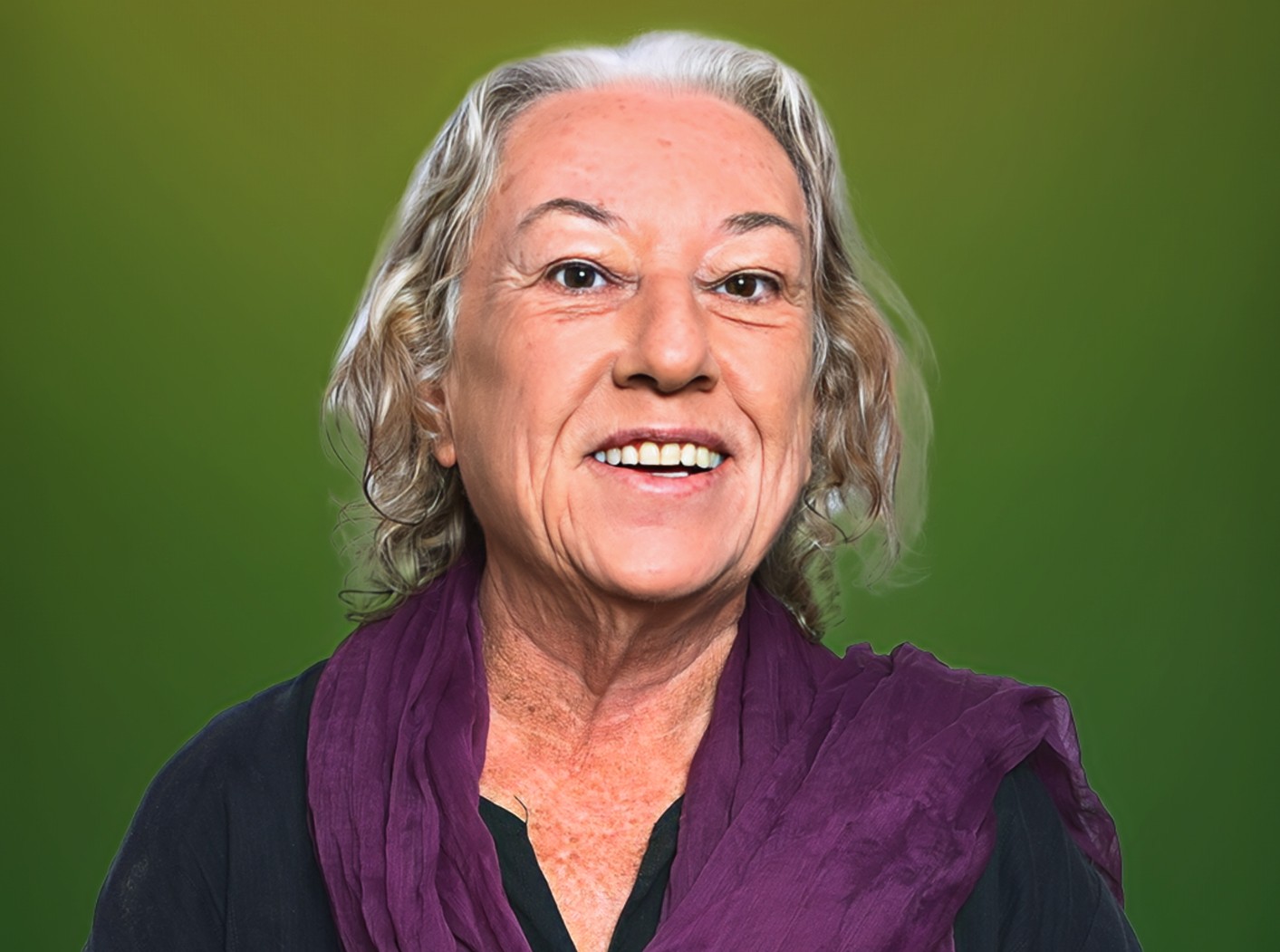
We’re here to offer genuine, thoughtful guidance if your interested in travelling to India. As a small, dedicated team, we pay close attention to every detail so you can focus on enjoying the experience while we take care of the planning. We believe the best trips begin when someone truly listens to what you want and how you like to travel, so the journey feels right for you and contributes to a happy, positive group on tour. Our communication stays clear, straightforward, and respectful at every step, with the goal of helping you feel understood, supported, and confident from first contact to the end of your journey.
Click Catherine Frith - About The Founder
Click Discover Life Travel - All Tours and More
Click Why We Are Different - Unique, Safe, Transparent